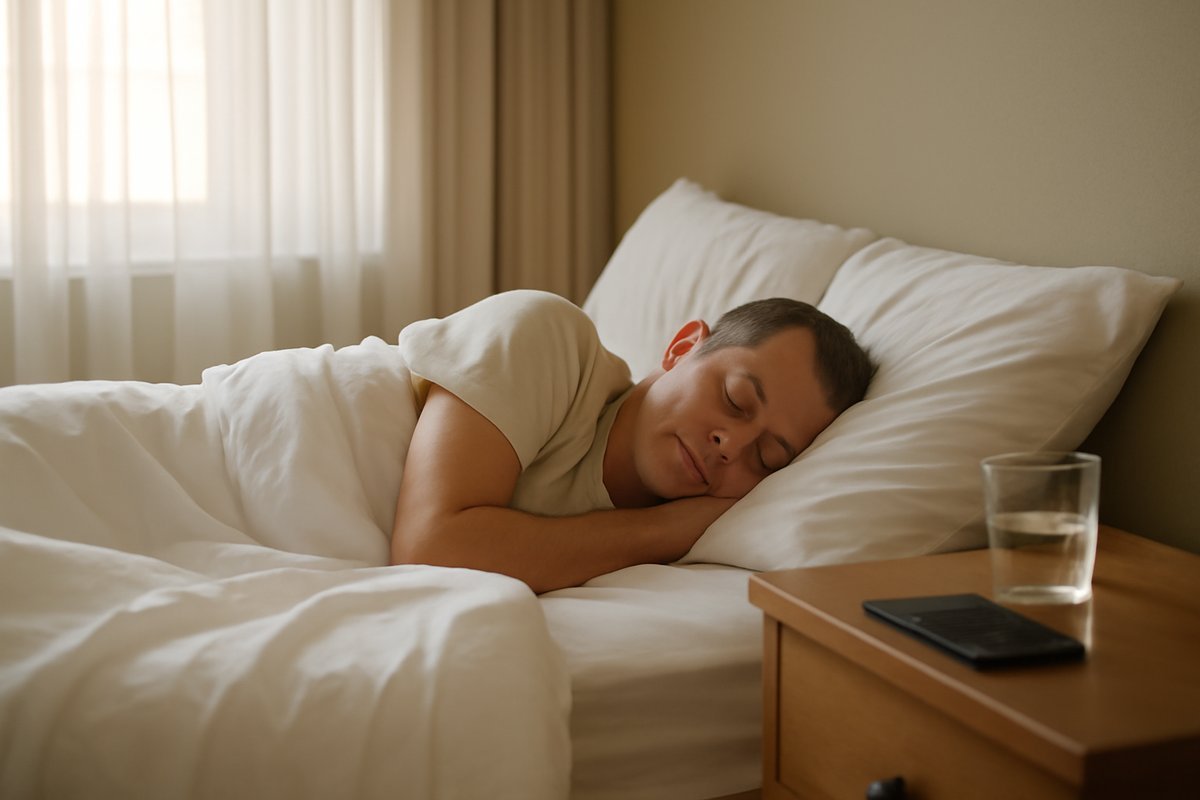
Sleep After 40: Your Complete Guide to Better Rest
Poor sleep after 40 isn’t just exhausting — it’s one of the most underrated threats to your long-term health.
Marcus, 52, had always considered himself a decent sleeper. But somewhere in his mid-forties, things changed. He started waking up at 3 a.m., tossing for an hour, then dragging himself through the day on two cups of coffee. His doctor told him his blood pressure was creeping up, his focus at work had slipped, and his weight had quietly climbed. Nobody connected it to his sleep — until a routine health screen did.
According to the CDC, more than one in three American adults do not get the recommended seven or more hours of sleep per night. After age 40, that number worsens considerably, with disrupted sleep architecture, hormonal shifts, and mounting life stress all conspiring against deep, restorative rest.
In this guide, you will learn exactly what happens to sleep as you age, why it matters far beyond feeling tired, and — most importantly — what evidence-based strategies can genuinely help you reclaim the quality rest your body and brain depend on.
What Is Sleep, and Why Does It Change After 40?
Sleep is not a passive state. It is an active, highly organized biological process during which your brain consolidates memories, your immune system repairs tissue, your cardiovascular system recovers, and your body regulates hormones critical to metabolism and mood.
Healthy sleep cycles through several stages — light sleep, deep slow-wave sleep (also called N3), and rapid eye movement (REM) sleep — repeating approximately every 90 minutes. Deep sleep is when physical restoration happens. REM sleep is when emotional processing and memory consolidation occur.
After 40, research consistently shows a reduction in slow-wave sleep. The NIH notes that adults over 40 spend progressively less time in the deepest, most restorative stages of sleep, even when total sleep time appears adequate. The body also shifts its natural circadian rhythm earlier, so you may feel sleepy earlier in the evening but also wake earlier in the morning — often before you feel truly rested.
Hormonal changes accelerate this process. In women, perimenopause and menopause bring drops in estrogen and progesterone that significantly disrupt sleep quality. In men, declining testosterone levels are associated with lighter, more fragmented sleep. These are not personal failures — they are documented physiological shifts that respond well to targeted strategies.
Signs and Symptoms of Poor Sleep Quality
Many adults over 40 normalize poor sleep without realizing it. Recognizing the signs is the first step toward meaningful change.
Early or mild signs of poor sleep quality include:
- Difficulty falling asleep within 20–30 minutes of lying down
- Waking up once or more during the night and struggling to fall back asleep
- Feeling unrefreshed even after seven or eight hours in bed
- Mid-afternoon energy crashes that feel disproportionate
- Increased irritability, low mood, or difficulty concentrating
- Relying heavily on caffeine to function in the morning
Signs of more significant sleep disruption include:
- Waking three or more times per night regularly
- Loud snoring, gasping, or pauses in breathing reported by a partner
- Restless legs or uncomfortable sensations that worsen at night
- Persistent daytime sleepiness despite adequate time in bed
- Falling asleep unintentionally during quiet activities
A 2023 meta-analysis published findings consistent with prior NIH data showing that habitual sleep duration under six hours is independently associated with increased risk of cardiovascular disease, type 2 diabetes, obesity, and depression in middle-aged adults. This varies from person to person, but the overall pattern is clinically significant.
Causes and Risk Factors for Sleep Disruption After 40
Sleep problems after 40 rarely have a single cause. Most cases involve an intersection of biological, behavioral, and environmental factors.
Biological and hormonal factors:
- Reduced melatonin production (the hormone that signals nighttime to the brain)
- Menopause-related hot flashes and night sweats affecting up to 75% of menopausal women, according to the North American Menopause Society
- Sleep apnea, which the American Academy of Sleep Medicine estimates affects roughly 30 million Americans — many undiagnosed — with prevalence rising sharply after age 40
- Restless legs syndrome and periodic limb movement disorder
- Chronic pain conditions including arthritis and back pain
Lifestyle and behavioral factors:
- Irregular sleep schedules that disrupt circadian rhythm
- Alcohol consumption, which research suggests fragments sleep in the second half of the night even when it initially promotes drowsiness
- Late-night screen use and blue light exposure suppressing melatonin
- Caffeine consumed within six hours of bedtime
- Sedentary lifestyle, which is associated with poorer sleep quality across multiple studies
Psychological and environmental factors:
- Chronic stress and anxiety, which activate the hypothalamic-pituitary-adrenal (HPA) axis and elevate cortisol at night
- Clinical depression and anxiety disorders, both of which are strongly associated with insomnia
- Shift work or frequent travel across time zones
- Bedroom environments that are too warm, too bright, or too noisy
Diagnosis: What to Expect When You Talk to Your Doctor
If sleep problems persist beyond three weeks or are significantly affecting your daily functioning, a clinical evaluation is warranted. Your doctor will typically begin with a thorough sleep history — asking about your sleep schedule, typical patterns, snoring, restlessness, and daytime symptoms.
Common diagnostic tools include:
- Sleep diary: Tracking your bedtime, wake time, and nighttime awakenings over one to two weeks gives your physician valuable pattern data.
- Epworth Sleepiness Scale: A validated questionnaire that measures daytime sleepiness levels.
- Overnight sleep study (polysomnography): The gold standard for diagnosing sleep apnea and other sleep disorders. This may be done in a sleep lab or with a home sleep apnea test device.
- Blood work: Thyroid function tests, complete blood count, and other labs can rule out medical causes such as hypothyroidism or anemia that commonly disrupt sleep in adults over 40.
Seek a diagnosis sooner rather than later if you or a partner notice breathing pauses during sleep, if you experience excessive daytime sleepiness, or if your sleep problems have persisted for more than a month without improvement.
Treatment Options: What the Evidence Supports
The good news is that sleep disorders and poor sleep quality are among the most treatable conditions in medicine. Most physicians today follow a stepped approach — starting with the safest and most effective behavioral interventions before considering medications.
Cognitive Behavioral Therapy for Insomnia (CBT-I)
CBT-I is widely considered the first-line treatment for chronic insomnia by the American College of Physicians and the American Academy of Sleep Medicine. Clinical evidence indicates it is more effective than sleep medication for long-term improvement, with studies showing success rates of 70–80% in adults with chronic insomnia.
CBT-I typically includes sleep restriction therapy (temporarily limiting time in bed to build sleep drive), stimulus control techniques, relaxation training, and cognitive restructuring to address unhelpful beliefs about sleep. It is available through licensed therapists, and increasingly through validated digital platforms approved for use under physician supervision.
Treating underlying conditions
If sleep apnea is diagnosed, continuous positive airway pressure (CPAP) therapy is the standard treatment and has strong evidence supporting improvements in daytime functioning, cardiovascular outcomes, and sleep quality. For menopausal sleep disruption, hormone therapy may be appropriate for some women — a conversation best had with a gynecologist or internist based on individual health history.
Medications
Several classes of prescription medications are used for insomnia in adults. These include certain antidepressants, melatonin receptor agonists, and orexin receptor antagonists. Most physicians recommend these only for short-term use or as a complement to behavioral therapy. Over-the-counter options like diphenhydramine (found in many sleep aids) are generally not recommended for adults over 40 due to anticholinergic side effects and tolerance issues. Always discuss any sleep medication with your doctor before starting it.
Lifestyle modifications with clinical backing
Regular aerobic exercise has consistently been shown to improve sleep quality and reduce insomnia symptoms. A study from Johns Hopkins Medicine found that moderate aerobic exercise significantly improved sleep quality and reduced daytime sleepiness in adults with chronic insomnia. Our guide on Cardio After 40: The Complete Guide to Heart-Healthy Exercise offers practical ways to build this habit safely.
Living With Sleep Challenges: Daily Strategies That Work
Beyond formal treatment, day-to-day habits form the foundation of lasting sleep improvement. Sleep hygiene — a term for the behavioral and environmental practices that support healthy sleep — is not a cure-all, but research suggests it provides meaningful, measurable benefits when applied consistently.
Establish a consistent sleep schedule. Going to bed and waking at the same time every day — including weekends — is one of the single most effective ways to stabilize your circadian rhythm. Clinical evidence indicates that irregular sleep timing is independently associated with metabolic disruption and mood instability.
Create a wind-down routine. Your nervous system needs a transition period between the activity of the day and sleep. A 30–60 minute pre-bed routine that includes low stimulation — light reading, gentle stretching, a warm shower, or calming breathing exercises — can signal the brain that sleep is approaching. Mind-body practices like yoga and tai chi have shown promising results in improving sleep quality; you can explore those in our guide on Mind-Body Exercise After 40: Yoga, Tai Chi & More.
Optimize your bedroom environment. Research from the National Sleep Foundation suggests an ambient bedroom temperature of 65–68°F (18–20°C) is optimal for most adults. Block out light with blackout curtains, use white noise or earplugs if noise is an issue, and reserve your bed for sleep and intimacy only — not work, scrolling, or television.
Time your eating and drinking carefully. Avoid large meals within two to three hours of bedtime. Limit alcohol, particularly within three hours of sleep. Caffeine has a half-life of five to six hours, meaning a 3 p.m. coffee still has half its stimulating effect at 9 p.m. Most sleep specialists recommend cutting off caffeine by early afternoon.
Manage stress actively. Unresolved stress is one of the most powerful sleep disruptors in adults over 40. Evidence-based approaches include structured mindfulness meditation, progressive muscle relaxation, regular physical activity, and when appropriate, professional counseling or therapy.
Use light strategically. Morning sunlight exposure within an hour of waking helps anchor your circadian rhythm earlier in the day. In the evening, dimming overhead lights and using blue-light filtering modes on screens can reduce circadian disruption. Getting outside for a walk each morning — even on cloudy days — provides meaningful light exposure that helps regulate the sleep-wake cycle. This kind of low-intensity daily movement, explored further in our Low-Impact Exercise After 40: The Complete Guide, also supports better overall health outcomes.
When to Call Your Doctor or Seek Emergency Care
Most sleep problems respond to lifestyle changes and behavioral intervention over time. However, certain signs require prompt medical attention.
Contact your doctor soon if you experience:
- Insomnia lasting more than three to four weeks that does not respond to sleep hygiene improvements
- Significant daytime impairment affecting your ability to work, drive, or care for yourself
- Loud snoring combined with excessive daytime sleepiness (a classic indicator of sleep apnea)
- Uncomfortable urges to move your legs at night that disturb sleep
- Mood changes, including persistent anxiety or depression, that may be linked to sleep deprivation
Seek emergency care or call 911 if:
- You or someone with you stops breathing for prolonged periods during sleep
- You experience chest pain, palpitations, or shortness of breath that worsen at night
- Sleep deprivation reaches a level where you feel unsafe to drive or operate machinery
- You experience confusion, hallucinations, or sudden dramatic personality changes — these may indicate a serious neurological issue requiring immediate evaluation
At your next routine appointment, consider telling your doctor: “I want to talk about my sleep. I have been waking at night, feeling unrefreshed, and it is affecting my energy during the day. I would like to know if there is a medical cause and what my options are.” That framing gives your physician the context they need to help effectively.
Frequently Asked Questions About Sleep After 40
Is it normal to sleep less as you get older?
Sleep patterns do shift with age, but the evidence is clear that adults of all ages still need seven to nine hours per night for optimal health. What changes after 40 is sleep architecture — you may cycle through lighter stages more often — not your actual need for rest. Feeling rested on less sleep is not always a sign that less sleep is enough; it may reflect adaptation to chronic deprivation.
Can exercise really improve sleep quality?
Yes — research suggests regular moderate exercise is one of the most effective non-drug interventions for insomnia. The timing matters, though. Most sleep specialists recommend finishing vigorous exercise at least two to three hours before bedtime, as elevated core temperature and adrenaline can temporarily delay sleep onset for some individuals. Morning or early afternoon exercise tends to produce the best sleep-related outcomes.
Are melatonin supplements safe and effective for adults over 40?
Melatonin supplements are widely used and generally considered safe for short-term use. Clinical evidence supports their use primarily for circadian rhythm disruptions — such as jet lag or shift work — rather than for classic insomnia characterized by difficulty falling or staying asleep. Most studies suggest low doses (0.5–1 mg) taken 30–60 minutes before bed are more effective than the high-dose options commonly found on store shelves. Discuss this with your physician before starting, particularly if you take other medications.
How is sleep apnea treated, and do I really need CPAP?
CPAP therapy is the most effective treatment for moderate to severe obstructive sleep apnea, with strong evidence for improving sleep quality, reducing daytime sleepiness, and lowering cardiovascular risk. For mild sleep apnea or those who struggle with CPAP tolerance, alternatives include oral appliances fitted by a dentist, positional therapy, or in some cases surgical options. Your sleep specialist will help determine which approach fits your specific diagnosis and lifestyle. Many people who initially struggle with CPAP find that mask fitting adjustments make it far more comfortable over time.
Should I avoid napping if I have trouble sleeping at night?
This varies from person to person. For those with chronic insomnia, napping — particularly late in the afternoon — can reduce the sleep drive that helps you fall asleep at night. If you do nap, most sleep specialists recommend limiting naps to 20–30 minutes and finishing them before 2 or 3 p.m. Short naps can improve alertness and performance without significantly disrupting nighttime sleep for most adults.
Conclusion: Better Sleep Is Within Reach
Sleep after 40 is not a lost cause — it is a manageable, improvable aspect of your health that responds powerfully to the right interventions. The changes your body goes through in midlife are real, but so is the science that helps you navigate them.
Start with consistent sleep and wake times, a calming pre-bed routine, and an honest conversation with your doctor about how you are sleeping. If lifestyle changes are not enough, evidence-based options like CBT-I and targeted medical treatment exist specifically to help adults in your situation.
Your quality of sleep shapes your quality of life — your mood, your metabolism, your heart, your brain. Treating it as a priority is one of the most important health decisions you can make after 40. You do not have to accept exhaustion as the new normal.
Medical Disclaimer: This article is for informational and educational purposes only. It does not constitute medical advice, diagnosis, or treatment. Always consult your physician or a qualified healthcare provider before making changes to your health routine or treatment plan.
Medically reviewed by our editorial health team. Content follows evidence-based standards aligned with CDC and NIH guidelines.
Leave a Reply