Sleep Disorders After 40: Signs, Causes & Treatment
Understanding why sleep changes as you age — and what to do when it stops working for you.
Introduction
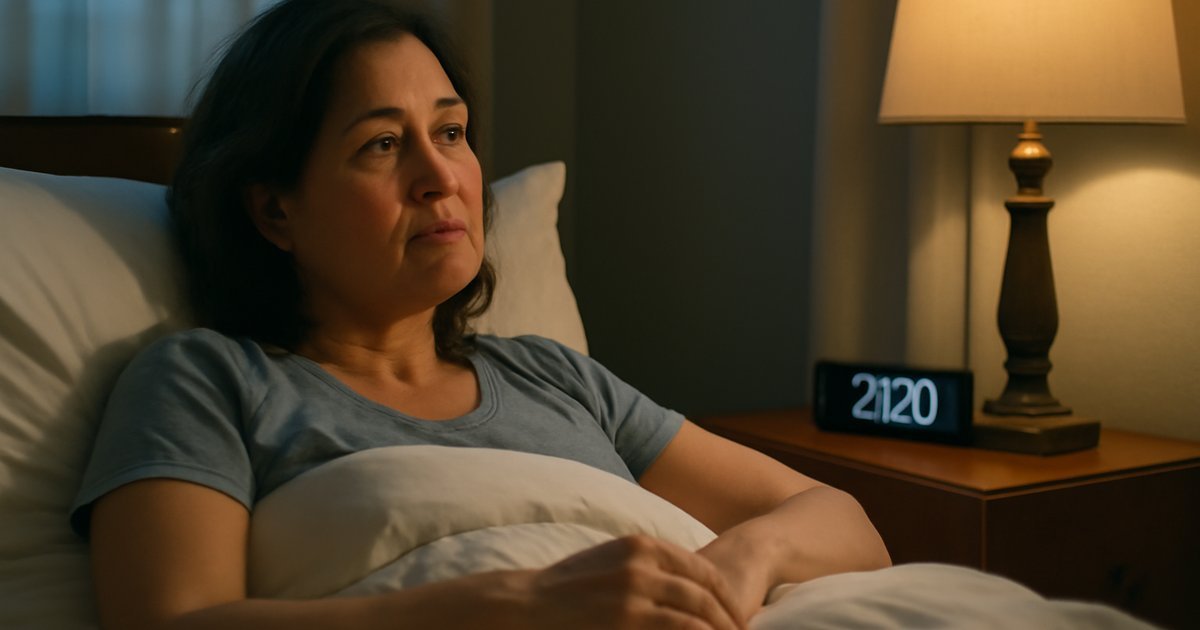
Margaret, 52, had always been a solid sleeper. Then, somewhere around her late forties, everything changed. She started waking at 3 a.m. for no reason, lying awake for hours, and dragging herself through the day on three cups of coffee. Her doctor called it "just stress." But Margaret knew something else was going on.
She was right. According to the National Institutes of Health (NIH), more than 50 million Americans suffer from a chronic sleep disorder — and adults over 40 are disproportionately affected. Sleep disorders aren’t simply a matter of poor habits or stress. They are recognized medical conditions that can significantly impact your heart health, metabolism, cognitive function, immune system, and overall quality of life.
In this guide, you’ll learn how to identify the most common sleep disorders affecting adults in midlife and beyond, what causes them, how they’re diagnosed, and what evidence-based treatments actually help. Whether you’re struggling with insomnia, snoring, restless legs, or unexplained fatigue, this article gives you the clinical context you need to have a productive conversation with your doctor.
What Are Sleep Disorders?
A sleep disorder is a medical condition that disrupts the normal pattern, duration, or quality of sleep — interfering with your ability to function well during the day. Sleep disorders are not the same as occasional poor sleep. They are persistent, recurring, and often rooted in physiological changes rather than lifestyle choices alone.
The American Academy of Sleep Medicine recognizes more than 80 distinct sleep disorders. The most common among adults over 40 include:
- Insomnia disorder — difficulty falling or staying asleep, or waking too early
- Obstructive sleep apnea (OSA) — repeated partial or complete airway blockages during sleep
- Restless legs syndrome (RLS) — uncomfortable leg sensations that create an urge to move
- Circadian rhythm disorders — a mismatch between your internal body clock and your environment
- Hypersomnia — excessive daytime sleepiness despite adequate nighttime sleep
According to the CDC, about 1 in 3 American adults regularly fail to get the recommended 7 or more hours of sleep per night — but chronic sleep disorders go far beyond simple short sleep duration. They involve disrupted architecture, hormonal dysregulation, and neurological shifts that become increasingly common after age 40.
Why does this matter so much? Because poor sleep is not just an inconvenience. Research published through NIH links untreated sleep disorders to increased risk of type 2 diabetes, hypertension, cardiovascular disease, obesity, depression, and accelerated cognitive decline.
Signs and Symptoms: What to Watch For
Sleep disorders can look different from person to person, and many people don’t realize they have one because the symptoms seem vague or easy to explain away. Here’s what clinical evidence suggests you should watch for:
Early or Mild Signs
- Taking more than 30 minutes to fall asleep most nights
- Waking up one or more times per night and struggling to fall back asleep
- Waking earlier than intended and not being able to return to sleep
- Feeling unrefreshed after a full night in bed
- Daytime fatigue, irritability, or brain fog that affects work or relationships
- Relying heavily on caffeine or naps to get through the day
- A bed partner reporting that you snore loudly or stop breathing briefly during sleep
Advanced or Concerning Signs
- Falling asleep involuntarily during the day — while driving, eating, or in conversation
- Witnessed episodes of gasping or choking during sleep (a hallmark of sleep apnea)
- Morning headaches upon waking (often linked to oxygen drops during apnea episodes)
- Leg discomfort so severe at night that you cannot stay in bed
- Memory problems, mood disorders, or difficulty concentrating that interfere with daily function
A landmark study from the National Sleep Foundation found that adults aged 45–64 report the highest rates of dissatisfaction with sleep quality of any adult age group — yet fewer than half had ever discussed it with a healthcare provider.
Causes and Risk Factors
Sleep disorders don’t arise from a single cause. They typically reflect a combination of biological, hormonal, behavioral, and environmental factors — many of which accelerate after age 40.
Hormonal Changes
Estrogen and progesterone play a significant role in regulating sleep. As women approach perimenopause and menopause — often beginning in the mid-to-late forties — these hormones decline, contributing to hot flashes, night sweats, and fragmented sleep. Men experience a more gradual decline in testosterone, which research suggests is also linked to reduced sleep efficiency and increased apnea risk.
Physiological Shifts
With age, the body produces less melatonin — the hormone that signals it’s time to sleep — and your internal clock (circadian rhythm) tends to shift earlier, making it harder to stay asleep into the morning. The NIH National Institute on Aging confirms that sleep architecture itself changes with age, with less time spent in deep slow-wave sleep and REM sleep, making rest feel lighter and less restorative.
Chronic Conditions
Several medical conditions that become more prevalent after 40 directly disrupt sleep, including:
- Obesity (increases OSA risk significantly)
- Gastroesophageal reflux disease (GERD)
- Chronic pain conditions like arthritis or fibromyalgia
- Anxiety and depression
- Heart failure and respiratory conditions
- Thyroid dysfunction
Lifestyle and Behavioral Factors
- Irregular sleep schedules or shift work
- High caffeine or alcohol intake, especially in the evening
- Sedentary lifestyle
- Excessive screen exposure before bed
- High psychological stress
According to the American Heart Association, adults with obstructive sleep apnea — which affects an estimated 30 million Americans — face a substantially elevated risk of atrial fibrillation, stroke, and heart failure if the condition goes untreated.
Diagnosis: What to Expect
If you suspect you have a sleep disorder, the diagnostic process is more structured than many people expect — and far more informative than a quick conversation in a primary care office. Here’s what typically happens:
Initial Evaluation
Your doctor will begin with a detailed sleep history. Be prepared to describe your sleep schedule, how long it takes to fall asleep, how often you wake, whether you snore, and how you feel during the day. Your doctor may use validated tools such as the Epworth Sleepiness Scale (a questionnaire measuring daytime sleepiness) or the Pittsburgh Sleep Quality Index to quantify your symptoms.
Lab Work and Physical Exam
Bloodwork may be ordered to rule out thyroid disease, anemia, or metabolic conditions contributing to poor sleep. A physical exam may assess your airway, neck circumference, and body weight — all relevant to sleep apnea risk.
Sleep Study (Polysomnography)
If sleep apnea, narcolepsy, or a complex sleep disorder is suspected, your physician may refer you for a polysomnography — an overnight sleep study (conducted in a lab or at home) that monitors brain waves, oxygen levels, heart rate, breathing patterns, and body movement during sleep. Home sleep apnea tests are now widely available and FDA-cleared for appropriate candidates.
When to seek diagnosis: Don’t wait. If your sleep problems have lasted more than three months, are affecting your daily functioning, or include symptoms like gasping during sleep or severe daytime sleepiness, schedule an evaluation with your doctor promptly.
For a foundational overview of how sleep changes in your forties and beyond, our guide Sleep After 40: Your Complete Guide to Better Rest provides helpful context.
Treatment Options
The good news is that most sleep disorders are highly treatable. Treatment depends on the specific disorder, its severity, and any underlying contributing conditions.
Cognitive Behavioral Therapy for Insomnia (CBT-I)
For chronic insomnia, CBT-I is consistently recommended as the first-line treatment by both the American College of Physicians and the NIH — above sleep medications. CBT-I is a structured, short-term therapy (typically 6–8 sessions) that addresses the thoughts and behaviors perpetuating poor sleep. Research suggests it produces lasting improvements in sleep quality, often more durable than medication alone. It is available through trained therapists and digital programs.
CPAP Therapy for Sleep Apnea
Continuous positive airway pressure (CPAP) therapy remains the gold standard for moderate-to-severe obstructive sleep apnea. A CPAP machine delivers a steady stream of air through a mask, keeping your airway open throughout the night. Clinical evidence from the Mayo Clinic and multiple large trials confirms that CPAP reduces daytime sleepiness, lowers blood pressure, and decreases cardiovascular risk in people with OSA. For those who struggle with CPAP, alternatives include oral appliances (mandibular advancement devices) fitted by a dentist, positional therapy, or in select cases, surgical interventions.
Medications
Several FDA-approved medications may be prescribed for sleep disorders, including orexin receptor antagonists (for insomnia), dopaminergic agents (for restless legs syndrome), and wake-promoting agents (for hypersomnia or narcolepsy). Your doctor will weigh the benefits and risks based on your complete health picture. Most sleep specialists emphasize that sleep medications are best used short-term or as a bridge while behavioral therapies take effect.
Lifestyle Modifications as Complementary Support
These do not replace medical treatment but can meaningfully support it:
- Consistent sleep schedule: Wake at the same time every day, even on weekends
- Regular physical activity: Clinical evidence from the NIH shows that moderate aerobic exercise improves sleep quality and reduces insomnia symptoms — particularly beneficial for adults over 40
- Weight management: Even modest weight loss significantly reduces sleep apnea severity in overweight individuals
- Limiting alcohol: Alcohol suppresses REM sleep and worsens apnea, despite the common belief that it helps you sleep
- Optimizing the sleep environment: Cool, dark, and quiet room; consistent light exposure during the day
If chronic pain is disrupting your sleep, our article on Exercising with Arthritis: A Guide for Adults 30-70 offers evidence-based movement strategies that may also support better nighttime rest. And if inflammation is affecting your overall health and sleep, see our Anti-Inflammatory Diet After 40: Complete Nutrition Guide for dietary guidance aligned with current research.
Living With a Sleep Disorder: Day-to-Day Management
Managing a sleep disorder is not a one-time fix — it’s an ongoing process of monitoring, adjusting, and advocating for yourself within the healthcare system.
Track your sleep: Keep a sleep diary or use a validated wearable device to log bedtime, wake time, nighttime awakenings, and daytime energy. This data helps your doctor assess treatment progress accurately.
Communicate openly with your provider: Many people underreport symptoms out of embarrassment — particularly snoring or excessive sleepiness. Be direct. Describe how your sleep affects your ability to work, drive, care for family, or feel emotionally stable.
Manage stress: Elevated cortisol — the body’s primary stress hormone — directly interferes with sleep onset and maintenance. Mind-body practices such as mindfulness meditation, yoga, and diaphragmatic breathing have shown modest but meaningful benefits in clinical trials for both insomnia and overall sleep quality.
Review your medications: Many commonly prescribed medications — including certain antidepressants, beta-blockers, steroids, and decongestants — can disrupt sleep. Ask your doctor whether any of your current medications may be contributing to your symptoms. This varies from person to person, so an individualized review is essential.
Prevention considerations: Adults without a current sleep disorder can reduce future risk by maintaining a healthy weight, staying physically active, limiting alcohol, managing chronic conditions proactively, and establishing consistent sleep habits well before problems develop.
When to Call Your Doctor — and Emergency Signs
Some sleep-related symptoms require urgent attention. Do not wait for your next scheduled appointment if you experience:
- A bed partner witnesses you stop breathing during sleep or you wake gasping for air repeatedly
- You fall asleep involuntarily while driving or operating machinery
- Sudden muscle weakness triggered by laughter or strong emotions (a sign of cataplexy, associated with narcolepsy)
- New or severe morning headaches that may indicate overnight oxygen drops
- Chest pain, palpitations, or shortness of breath during the night
These are not "wait and see" symptoms. Contact your doctor promptly or visit an urgent care facility.
For your next routine appointment, bring:
- A two-week sleep diary
- A list of all medications and supplements you’re taking
- Notes on daytime symptoms — including any mood changes, memory concerns, or concentration difficulties
- Questions about whether a referral to a board-certified sleep specialist is appropriate
Frequently Asked Questions
Q: Is it normal to sleep less as you get older?
Some age-related changes in sleep are normal — including lighter sleep and earlier wake times. However, consistently getting fewer than 7 hours per night or waking frequently and feeling unrefreshed is not something to simply accept. Research suggests these patterns often reflect a treatable sleep disorder, not an inevitable part of aging.
Q: Can sleep apnea develop after 40 even if you weren’t overweight?
Yes. While obesity is the most significant modifiable risk factor for obstructive sleep apnea, anatomy (jaw structure, tongue size, airway shape) and hormonal changes — especially in postmenopausal women — can also lead to OSA in individuals who are not overweight. This varies significantly from person to person.
Q: How is insomnia different from just being a "light sleeper"?
Insomnia disorder is defined clinically as difficulty initiating or maintaining sleep at least three nights per week for at least three months, causing meaningful daytime impairment. Being a light sleeper is a trait; chronic insomnia is a diagnosable medical condition with effective treatments available.
Q: Are over-the-counter sleep aids safe for long-term use?
Most OTC sleep aids contain antihistamines (like diphenhydramine), which the American Geriatrics Society cautions against for adults over 65 due to cognitive and balance risks. For adults in their 40s and 50s, occasional use may be appropriate, but long-term reliance should prompt a conversation with your doctor about underlying causes and evidence-based treatments like CBT-I.
Q: Does poor sleep actually cause health problems, or just make existing ones worse?
Both. Clinical evidence from large-scale studies indicates that chronic insufficient or disrupted sleep independently increases risk for type 2 diabetes, hypertension, cardiovascular disease, obesity, and depression — even in people who don’t have these conditions yet. Treating sleep disorders is increasingly viewed as preventive medicine, not just quality-of-life improvement.
Conclusion
Sleep disorders are among the most underdiagnosed and undertreated medical conditions affecting adults over 40 — but they are far from hopeless. Whether you’re dealing with chronic insomnia, suspected sleep apnea, or unexplained fatigue, effective, evidence-based help exists.
The first and most important step is to stop dismissing your symptoms as "just getting older." Your sleep health matters as much as your blood pressure, your cholesterol, or your weight. It affects every system in your body, every hour of your day.
Talk to your doctor. Bring your questions. Ask for a referral if needed. You deserve restful, restorative sleep — and with the right evaluation and treatment, most people achieve it.
This article is for informational and educational purposes only. It does not constitute medical advice, diagnosis, or treatment. Always consult your physician or a qualified healthcare provider before making changes to your health routine or treatment plan.
Medically reviewed by our editorial health team. Content follows evidence-based standards aligned with CDC and NIH guidelines.
Leave a Reply