
Tag: aerobic exercise benefits

  • Exercise & Heart Health After 40: What Your Heart Needs Now

    Exercise & Heart Health After 40: What Your Heart Needs Now

    Your heart is a muscle — and like every other muscle in your body, it responds to how you train it.

    Introduction

    Mark, 52, had always considered himself reasonably active. He walked the dog, took the stairs at work, and occasionally played golf on weekends. Then his annual physical revealed elevated blood pressure, borderline LDL cholesterol, and a resting heart rate higher than his doctor preferred. His physician asked a simple question: “How often are you getting your heart rate up intentionally?”

    Mark didn’t have a good answer — and he’s far from alone.

    According to the American Heart Association, cardiovascular disease remains the leading cause of death in the United States, responsible for approximately one in every five deaths. What’s more, the risk accelerates significantly after age 40 as natural changes in heart function, arterial flexibility, and metabolic efficiency begin to compound over time.

    The good news? Exercise is one of the most powerful interventions available for protecting your heart — and you don’t need to become an endurance athlete to benefit. In this guide, you’ll learn exactly how cardiovascular health changes after 40, which types of exercise offer the greatest cardiac protection, how to train safely, and when your symptoms need medical attention.

    What Happens to Your Heart After 40?

    To understand why intentional exercise matters more after 40, it helps to understand the physiological changes your cardiovascular system undergoes with age.

    The heart’s maximum pumping capacity — known as cardiac output, or the amount of blood the heart can push out per minute — gradually declines starting in your late 30s. Research published by the NIH indicates that maximal oxygen uptake (VO2 max), a key measure of cardiovascular fitness, decreases roughly 10% per decade after age 30 in sedentary adults.

    At the same time, arteries become stiffer, a process called arterial stiffness, which forces the heart to work harder to push blood through the body. The result: higher systolic blood pressure, reduced efficiency, and greater wear on cardiac tissue over time.

    Other age-related changes that affect heart health include:

    • Decreased elasticity in the heart’s left ventricle (the main pumping chamber)
    • Slower heart rate recovery after exertion
    • Gradual increase in resting blood pressure
    • Rising LDL (“bad”) cholesterol and declining HDL (“good”) cholesterol
    • Increased risk of atherosclerosis — the buildup of plaque inside artery walls

    None of these changes are inevitable destiny. Clinical evidence consistently shows that adults who engage in regular, structured physical activity significantly slow these processes — and in some cases partially reverse them.

    How Exercise Protects Your Heart: The Science

    Exercise doesn’t just burn calories — it creates measurable, lasting changes in how your cardiovascular system functions. Here’s what the research tells us:

    1. Lowers Blood Pressure
    A 2021 meta-analysis published in the British Journal of Sports Medicine, encompassing over 270 randomized controlled trials, found that regular aerobic exercise reduced systolic blood pressure by an average of 4–9 mmHg — comparable to some antihypertensive medications. Even modest reductions in blood pressure significantly lower stroke and heart attack risk.

    2. Improves Cholesterol Profile
    Aerobic exercise raises HDL cholesterol (the protective kind) while reducing triglycerides — fatty molecules that contribute to plaque buildup. Resistance training further supports lipid metabolism by increasing lean muscle mass, which burns more energy at rest.

    3. Reduces Chronic Inflammation
    Chronic low-grade inflammation is a major driver of arterial disease. Regular moderate exercise reduces circulating levels of inflammatory markers, including C-reactive protein (CRP), according to findings from the Cleveland Clinic and multiple NIH-funded studies.

    4. Strengthens the Heart Muscle Itself
    Like any muscle, the heart adapts to training. Consistent cardio exercise causes cardiac hypertrophy — a healthy increase in the heart’s pumping efficiency. This is different from the pathological enlargement associated with disease and is associated with lower resting heart rate and improved output per beat.

    5. Supports Healthy Weight and Blood Sugar
    Excess body weight and insulin resistance — the condition where cells don’t respond properly to insulin — both strain the cardiovascular system. Exercise improves insulin sensitivity and supports a healthy body composition, reducing these downstream cardiac risks.

    The Best Types of Exercise for Heart Health After 40

    Not all exercise provides the same cardiac benefit, and the most effective approach for adults over 40 is typically a combination of aerobic training, resistance training, and flexibility work.

    Aerobic (Cardiovascular) Exercise

    This is the cornerstone of heart health. The American Heart Association recommends at least 150 minutes of moderate-intensity aerobic activity per week — or 75 minutes of vigorous-intensity activity — for meaningful cardiovascular benefit.

    Moderate-intensity means you can hold a conversation but feel your breathing elevated. Examples include:

    • Brisk walking (3–4 mph)
    • Cycling on flat terrain
    • Swimming laps at a comfortable pace
    • Dancing or low-impact aerobics
    • Using an elliptical trainer

    Vigorous-intensity exercise — jogging, cycling uphill, or aerobic interval training — provides comparable benefits in less time, though it carries higher injury and cardiac stress risk and should be approached gradually if you’re new to exercise or managing a condition. If you’re curious about structured cardio approaches, Treadmill Training After 40 offers a practical starting framework.

    Resistance (Strength) Training

    Strength training is often overlooked in heart health discussions, but research suggests it plays a critical complementary role. A 2019 study published in Medicine & Science in Sports & Exercise found that adults who combined aerobic exercise with resistance training had significantly better lipid profiles and insulin sensitivity than those who did either alone.

    Aim for two to three sessions per week focusing on major muscle groups. You don’t need heavy weights — resistance bands, body weight, and light dumbbells all provide benefit. For guidance on getting started, explore our guides on Bodyweight Training After 40 or Dumbbell Workouts After 40.

    Flexibility and Stress-Reduction Movement

    Chronic psychological stress raises cortisol levels, which directly increases blood pressure and accelerates arterial damage. Activities like yoga, stretching, and tai chi reduce perceived stress and support parasympathetic nervous system activity — the “rest and recover” mode that counterbalances the cardiac strain of stress.

    How to Exercise Safely for Heart Health After 40

    Starting or intensifying an exercise routine after 40 requires thoughtful planning — especially if you have existing risk factors like hypertension, high cholesterol, diabetes, or a family history of heart disease.

    Get a Pre-Exercise Medical Evaluation
    Before beginning a new vigorous exercise program, most physicians recommend a baseline evaluation. For adults over 40 with cardiac risk factors, this may include an electrocardiogram (ECG), a stress test, or blood work. This varies from person to person based on individual history.

    Start Low, Progress Slow
    Clinical evidence supports a gradual progression in exercise intensity. A common approach is to increase duration or intensity by no more than 10% per week to avoid overexertion and injury.

    Monitor Your Heart Rate
    A useful guide is the target heart rate zone: for moderate exercise, aim for 50–70% of your estimated maximum heart rate. A simple estimate of max heart rate is 220 minus your age. A 55-year-old’s estimated max would be 165 bpm, putting the moderate zone at roughly 83–116 bpm.

    Warm Up and Cool Down Every Session
    Skipping warm-ups is a common mistake. A 5–10 minute low-intensity warm-up prepares the heart and blood vessels for increased demand and reduces the risk of arrhythmia (irregular heartbeat) during exertion.

    Stay Hydrated
    Dehydration thickens the blood and forces the heart to work harder. Drink water consistently before, during, and after exercise — not just when you feel thirsty.

    Lifestyle Habits That Amplify Your Exercise Benefits

    Exercise is most effective when paired with complementary lifestyle habits. Research suggests the following have direct, measurable impact on cardiac outcomes:

    Nutrition: A heart-healthy dietary pattern — emphasizing vegetables, fruits, whole grains, lean protein, and healthy fats while limiting sodium, trans fats, and added sugars — supports the lipid and blood pressure improvements exercise initiates. The American Heart Association endorses the Mediterranean and DASH dietary patterns as particularly well-supported by evidence.

    Sleep: Adults who sleep fewer than 6 hours per night have significantly elevated cardiovascular risk, according to data from the CDC. Quality sleep supports blood pressure regulation, inflammation control, and heart rate variability — all markers of cardiac health.

    Stress Management: Chronic stress is an underappreciated cardiac risk factor. Combining physical exercise with mindfulness practices — even 10 minutes of daily deep breathing or meditation — produces measurable reductions in cortisol and blood pressure over time.

    Smoking and Alcohol: If you smoke, cessation remains the single highest-impact cardiovascular intervention available, according to the CDC. Excessive alcohol consumption raises blood pressure and contributes to arrhythmia. Most cardiologists recommend no more than one drink per day for women and two for men, if at all.

    When to Call Your Doctor: Red Flags During Exercise

    Knowing when a symptom is a normal training response versus a cardiac warning sign could save your life. Stop exercising immediately and seek emergency care if you experience any of the following during or after physical activity:

    • Chest pain, pressure, tightness, or squeezing — especially if it radiates to the jaw, left arm, or back
    • Sudden shortness of breath that is disproportionate to your effort level
    • Dizziness, lightheadedness, or fainting
    • Heart palpitations — a racing, pounding, or fluttering sensation that doesn’t resolve quickly
    • Unusual fatigue that feels different from normal workout tiredness
    • Nausea or cold sweating during low-to-moderate exertion

    These symptoms warrant immediate medical evaluation. Do not attempt to “walk it off” or wait until your next appointment.

    At your next routine visit, consider discussing these topics with your doctor:

    • Your target heart rate zone given your current health status
    • Whether a cardiac stress test is appropriate for your age and risk profile
    • How your current medications interact with exercise intensity
    • Blood pressure trends before and after exercise sessions

    Frequently Asked Questions

    Is it safe to exercise if I already have heart disease?

    In many cases, yes — but only under physician guidance. Cardiac rehabilitation programs, which are structured exercise plans supervised by healthcare professionals, are a well-established, evidence-based intervention for patients recovering from heart attacks, bypass surgery, or other cardiac events. Speak with your cardiologist before beginning or resuming exercise after any cardiac diagnosis.

    How quickly will I see heart health improvements from exercise?

    Research suggests that measurable improvements in blood pressure and resting heart rate can begin within 4–8 weeks of consistent moderate exercise. Cholesterol and inflammatory markers typically improve over 3–6 months. This varies from person to person based on baseline fitness, genetics, and consistency.

    Can I get enough cardiac benefit from walking alone?

    Walking — especially brisk walking — provides significant cardiovascular benefit and is one of the most studied and endorsed forms of physical activity for heart health. A 2023 study in JAMA Cardiology found that adults averaging 7,000 or more steps per day had substantially lower rates of cardiovascular events. It may not fully replace more vigorous exercise for all individuals, but it is an excellent and clinically meaningful starting point.

    What if I have high blood pressure — should I avoid strength training?

    Clinical evidence indicates that resistance training, when performed correctly, actually helps reduce blood pressure over time and is generally considered safe for people with well-controlled hypertension. However, heavy maximal lifting and breath-holding during exertion (the Valsalva maneuver) can cause acute blood pressure spikes. Light-to-moderate weights with proper breathing technique are typically recommended. Always confirm exercise parameters with your physician if you have hypertension.

    Does exercise affect heart rate variability?

    Yes — and this is actually one of the most sensitive markers of cardiac fitness. Heart rate variability (HRV) refers to the variation in time between each heartbeat and reflects how well your autonomic nervous system regulates cardiac function. Higher HRV is associated with better cardiovascular health. Regular aerobic exercise consistently improves HRV, according to multiple studies reviewed by the American Heart Association.

    Conclusion

    Protecting your heart after 40 doesn’t require extreme fitness goals or marathon-level dedication. It requires consistency, intentionality, and the understanding that every session of purposeful movement is an investment in your long-term cardiovascular health.

    The evidence is clear: regular aerobic exercise, combined with strength training and stress-reducing movement, can meaningfully lower blood pressure, improve cholesterol, reduce inflammation, and strengthen your heart’s pumping efficiency — all changes that add up to a lower risk of heart disease and a longer, more active life.

    Start where you are. Progress gradually. Pay attention to your body’s signals. And always work with your healthcare provider to design an approach that fits your individual health profile.

    Your heart has been working for you every second of every day. It’s worth investing a little time each week in return.


    Medical Disclaimer: This article is for informational and educational purposes only. It does not constitute medical advice, diagnosis, or treatment. Always consult your physician or a qualified healthcare provider before making changes to your health routine or treatment plan.

    Medically reviewed by our editorial health team. Content follows evidence-based standards aligned with CDC, NIH, and American Heart Association guidelines.
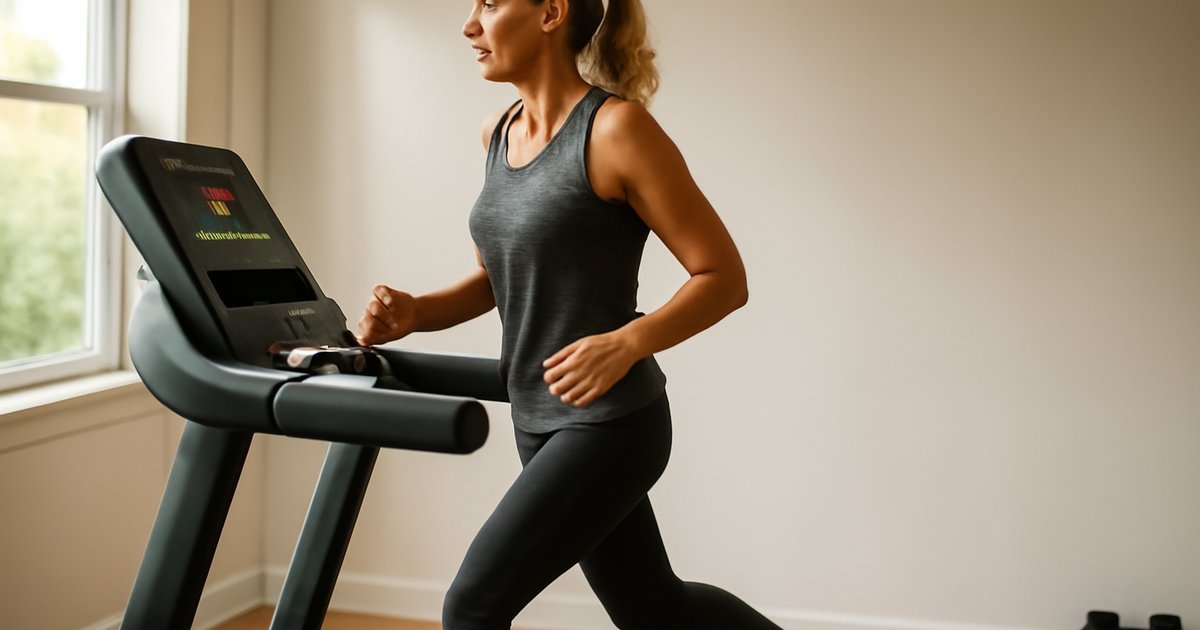
  • Treadmill Training After 40: Walk & Run for Better Health

    Treadmill Training After 40: Walk & Run for Better Health

    The treadmill in your spare bedroom isn’t just a coat rack — it may be one of the most powerful health tools available to adults over 40.

    According to the CDC, fewer than 25% of American adults meet both aerobic and muscle-strengthening guidelines — and that number drops significantly after age 40. Meanwhile, cardiovascular disease remains the leading cause of death in the United States, responsible for roughly one in five deaths annually. The good news? Consistent, structured treadmill training can meaningfully reduce your risk.

    Whether you’ve been sedentary for years or you’re returning to exercise after an injury, the treadmill offers a controlled, joint-friendly environment that meets you wherever you are. In this guide, you’ll learn how to use treadmill training safely and effectively after 40 — including the right intensities, the best workout formats, injury prevention strategies, and how to build a sustainable routine that delivers real cardiovascular and metabolic results.

    What Is Treadmill Training — And Why Does It Matter After 40?

    Treadmill training refers to structured aerobic exercise performed on a motorized belt, allowing you to walk, jog, or run at controlled speeds and inclines in a safe indoor setting. Unlike outdoor running, a treadmill gives you precise control over pace, grade, and duration — which matters enormously as your body changes with age.

    After 40, several physiological shifts affect how you respond to cardio exercise. VO2 max — the maximum amount of oxygen your body can use during intense activity — begins to decline at roughly 1% per year after age 25, according to research published in the Journal of Applied Physiology. Resting metabolic rate slows, cardiovascular efficiency decreases, and recovery time lengthens.

    The treadmill addresses these challenges directly. You can train at a precise heart rate zone, add incline to increase caloric burn without increasing impact, and track your progress over time. Clinical evidence consistently shows that regular aerobic exercise — including treadmill walking and running — reduces the risk of type 2 diabetes, hypertension, obesity, and all-cause mortality in middle-aged and older adults.

    The American Heart Association recommends at least 150 minutes of moderate-intensity aerobic activity per week for adults. Treadmill training is one of the most accessible and measurable ways to reach that target.

    Health Benefits Backed by Science

    The research on treadmill and walking-based exercise for adults over 40 is both broad and compelling. Here are the key evidence-based benefits you can expect from consistent training.

    Cardiovascular Health: A landmark meta-analysis published in the British Journal of Sports Medicine found that adults who walked briskly for 150 minutes per week reduced their risk of cardiovascular disease by up to 31%. Treadmill training at moderate intensity lowers resting blood pressure, improves HDL (good) cholesterol, and strengthens the heart muscle over time.

    Blood Sugar Control: According to the American Diabetes Association, regular moderate aerobic exercise improves insulin sensitivity and helps regulate fasting blood glucose — critical for the more than 38 million Americans living with diabetes, and the 96 million with prediabetes.

    Weight and Metabolic Management: As metabolism slows after 40, treadmill training — especially incline walking and interval-based sessions — helps maintain a caloric deficit and preserve lean muscle mass when combined with proper nutrition.

    Bone Density: Weight-bearing treadmill exercise stimulates bone formation and helps counteract the natural decline in bone mineral density that accelerates after menopause and andropause. This is particularly important for reducing fracture risk later in life. For a deeper look at how exercise protects your bones, see our guide on CrossFit-Style Training After 40.

    Mental Health: The NIH reports that regular aerobic exercise is associated with significant reductions in anxiety and depressive symptoms, partly through increased production of brain-derived neurotrophic factor (BDNF) and serotonin. Treadmill training is no exception.

    Getting Started: Setting Up Your Treadmill Routine Safely

    Before you increase the speed, it’s essential to build a foundation. Adults returning to cardio after a break — or beginning for the first time — are at higher risk of overuse injuries, shin splints, and knee pain if they progress too quickly.

    Clinical guidelines from the American College of Sports Medicine (ACSM) recommend beginning with 20–30 minutes of low-to-moderate intensity walking, three to four times per week, and increasing total weekly volume by no more than 10% per week. This is often called the 10% rule, and it’s one of the most important injury prevention principles in exercise medicine.

    Here’s a simple week-one framework:

    • Days 1, 3, 5: 25-minute brisk walk at 2.8–3.5 mph, 0–1% incline
    • Days 2, 4: Active rest — light stretching, yoga, or foam rolling
    • Day 6: Optional 20-minute easy walk
    • Day 7: Full rest

    Always warm up for five minutes at a slow pace before increasing intensity, and cool down for five minutes at the end. This transitions your cardiovascular system smoothly and reduces post-workout soreness.

    Proper footwear matters significantly. Running shoes should be replaced every 300–500 miles, and adults over 40 with flat arches or plantar fasciitis should consider motion-control or stability shoes with appropriate arch support.

    Treadmill Workout Formats That Work After 40

    Not all treadmill sessions are created equal. Varying your training style keeps workouts engaging, challenges different energy systems, and produces better long-term results than doing the same pace every day.

    1. Steady-State Moderate Walk (Foundation Level)
    Speed: 3.0–4.0 mph | Incline: 0–2% | Duration: 30–45 minutes
    This is your base. Targets fat metabolism, improves aerobic base, and is easy on your joints. Ideal for beginners or active recovery days.

    2. Incline Walking (The Fat-Burning Power Move)
    Speed: 2.5–3.5 mph | Incline: 8–15% | Duration: 20–35 minutes
    Research suggests incline walking at moderate speed burns significantly more calories than flat walking — up to 60% more — while maintaining low impact. It also activates glutes, hamstrings, and calves more intensely than flat walking, improving lower-body strength.

    3. Walk-Jog Intervals (Beginner to Intermediate)
    Example: 2 minutes walking + 1 minute jogging, repeated 8–10 times
    This format mirrors the principles behind interval training, progressively building cardiovascular capacity. Clinical evidence indicates interval formats improve VO2 max and metabolic efficiency more effectively than continuous steady-state cardio alone.

    4. Low-Impact Jogging (Intermediate Level)
    Speed: 4.5–6.0 mph | Incline: 0.5–1% | Duration: 25–40 minutes
    For adults who have built a base and want to increase intensity. Maintain a conversational pace — if you can’t speak in short sentences, slow down.

    5. Heart Rate Zone Training
    Using a chest strap or wrist monitor, target specific heart rate zones:
    – Zone 2 (aerobic base): 60–70% of max HR
    – Zone 3 (tempo): 70–80% of max HR
    – Zone 4 (threshold): 80–90% of max HR

    Most of your training should occur in Zone 2, with one weekly Zone 3–4 session. This aligns with evidence-based training principles supported by sports cardiologists and performance researchers alike. For more on zone-based training, our guide on Foam Rolling After 40 pairs perfectly with recovery between harder sessions.

    Injury Prevention: Protecting Your Knees, Hips, and Ankles

    Musculoskeletal injuries are the most common reason adults over 40 abandon exercise routines. The treadmill is lower-impact than asphalt or concrete, but it’s not zero-impact — and overuse injuries can develop gradually without obvious warning.

    According to NIH data, the most frequent treadmill-related injuries in adults include knee pain (patellofemoral syndrome), shin splints, IT band syndrome, and plantar fasciitis. Most are preventable with smart programming.

    Key Injury Prevention Strategies:

    • Always maintain a 0.5–1% incline when jogging — a completely flat treadmill slightly alters natural gait mechanics
    • Avoid holding the handrails while walking at incline — it reduces caloric burn by up to 25% and disrupts posture
    • Land midfoot, not heel-first — overstriding is a leading cause of knee and shin pain
    • Limit consecutive high-intensity days — alternate hard and easy sessions
    • Incorporate mobility work — hip flexors, calves, and IT bands are particularly vulnerable in treadmill users
    • Listen to pain signals — discomfort during warm-up that resolves within 5 minutes is generally manageable; sharp, persistent, or worsening pain is not

    If you experience recurring knee or hip pain during treadmill sessions, consider consulting a physical therapist for gait analysis before continuing.

    Nutrition and Recovery: Fueling Your Treadmill Training

    Exercise is only one side of the equation. For adults over 40, recovery capacity is reduced — meaning what you eat and how you sleep directly affects how quickly you adapt to training and how well you avoid injury.

    Protein intake is particularly critical. Research published in the American Journal of Clinical Nutrition indicates that adults over 50 require approximately 1.2–1.6 grams of protein per kilogram of body weight per day to maintain and build lean muscle mass — significantly more than the RDA of 0.8 g/kg. Prioritize lean protein sources within 30–60 minutes post-workout to support muscle repair.

    Hydration is often underestimated. Even mild dehydration (1–2% of body weight) can impair cardiovascular performance. Drink 16–20 ounces of water in the two hours before a treadmill session and continue hydrating during and after exercise.

    Sleep — often overlooked — is when the body actually repairs and adapts. The NIH recommends 7–9 hours per night for adults, and research confirms that inadequate sleep increases injury risk, reduces performance gains, and disrupts hormonal recovery. To build a better sleep routine around your fitness schedule, explore our guide on Exercise and Mental Health After 40, which covers the bidirectional relationship between physical training, stress, and sleep quality.

    When to Call Your Doctor or Seek Emergency Care

    Treadmill training is safe for the vast majority of healthy adults, but certain symptoms warrant prompt medical attention — especially if you’re over 40 with existing cardiovascular risk factors.

    Call your doctor before starting if you have:

    • Uncontrolled high blood pressure (above 160/100 mmHg)
    • Known heart disease, recent cardiac procedure, or arrhythmia
    • Unmanaged diabetes with neuropathy
    • Severe osteoarthritis or recent joint replacement
    • Unexplained shortness of breath at rest

    Stop exercising immediately and call 911 if you experience:

    • Chest pain, pressure, or tightness
    • Sudden shortness of breath that is severe or doesn’t resolve with rest
    • Heart palpitations or irregular heartbeat that feels alarming
    • Dizziness, fainting, or near-fainting
    • Sudden, severe joint or muscle pain
    • One-sided weakness, slurred speech, or vision changes (potential stroke signs)

    The American Heart Association recommends that adults over 40 with multiple cardiovascular risk factors consider a supervised exercise stress test before beginning vigorous aerobic training. Discuss this with your primary care physician.

    Frequently Asked Questions

    Is treadmill walking enough exercise for adults over 40?
    For cardiovascular health and weight management, research suggests that brisk treadmill walking — particularly with incline — can be highly effective and meets CDC physical activity guidelines. However, most health experts recommend combining cardio with some form of resistance training two days per week for comprehensive health benefits, including muscle preservation and bone density.

    How often should I use the treadmill after 40?
    Most evidence supports three to five cardio sessions per week for adults in this age group, with at least one to two full rest or active recovery days. Frequency depends on your current fitness level, intensity, and recovery capacity. Starting with three days per week and building gradually is a well-supported approach.

    Is it safe to run on a treadmill with bad knees?
    This varies from person to person. For many adults with mild to moderate knee osteoarthritis, low-impact treadmill walking is not only safe but therapeutic — it maintains joint mobility and strengthens surrounding muscles. Running may be more problematic. A physical therapist or orthopedic specialist can help you determine what’s appropriate for your specific condition.

    What speed and incline should I use on a treadmill after 40?
    Beginners should start at 2.5–3.5 mph at 0–2% incline and build from there. Incline walking at 8–15% at 2.5–3.0 mph is an excellent moderate-intensity workout that minimizes impact. For jogging, 4.5–5.5 mph at 0.5–1% incline is a common starting point for adults returning to running. Always let heart rate and perceived exertion guide your intensity.

    Can treadmill training help lower blood pressure?
    Clinical evidence strongly supports this. A meta-analysis in the Journal of the American Heart Association found that regular aerobic exercise — including walking — reduced systolic blood pressure by an average of 4–9 mmHg in individuals with hypertension. This effect is comparable to some antihypertensive medications, though exercise should always complement — never replace — prescribed medical treatment.

    Conclusion

    Treadmill training after 40 isn’t about running faster or pushing harder — it’s about training smarter, consistently, and in a way that supports your long-term health. The research is clear: regular aerobic exercise dramatically reduces your risk of cardiovascular disease, metabolic conditions, and cognitive decline, while improving mood, sleep, and quality of life.

    Start where you are. Walk before you jog. Build before you push. And remember that the most effective treadmill workout is the one you actually do, week after week. Talk with your doctor before beginning any new exercise program, especially if you’re managing a chronic condition — they can help you tailor your approach to your specific health needs and goals.

    This article is for informational and educational purposes only. It does not constitute medical advice, diagnosis, or treatment. Always consult your physician or a qualified healthcare provider before making changes to your health routine or treatment plan.

    Medically reviewed by our editorial health team. Content follows evidence-based standards aligned with CDC and NIH guidelines.