Exercise & Inflammation After 40: Move to Heal
Chronic inflammation is one of the most underdiagnosed drivers of disease in adults over 40 — and exercise may be one of the most powerful tools to fight it.
David, 52, had been living with persistent joint stiffness, low energy, and a foggy mind for years. His doctor found elevated inflammatory markers in his blood — a sign his immune system was quietly working against him. He wasn’t diagnosed with a specific disease. His inflammation was chronic, low-grade, and largely invisible. Sound familiar?
According to the National Institutes of Health (NIH), chronic low-grade inflammation is associated with the development of cardiovascular disease, type 2 diabetes, Alzheimer’s disease, and several cancers. It affects millions of Americans, and its prevalence rises sharply after age 40.
Here’s the good news: research suggests that regular physical activity is one of the most effective non-pharmaceutical strategies to lower systemic inflammation. In this guide, you’ll learn how exercise affects your body’s inflammatory response, which types of movement work best, how much you need, and how to get started safely — even if you’re managing a chronic condition.
What Is Chronic Inflammation — and Why Does It Spike After 40?
Inflammation isn’t always the enemy. Acute inflammation is your immune system doing its job — rushing to repair a cut, fight an infection, or heal a sprained ankle. It’s short-lived, purposeful, and protective.
Chronic inflammation is different. It occurs when your immune system stays activated without a clear threat. Over time, this low-level immune activity begins to damage healthy tissues, blood vessels, and organs. Think of it as a slow-burning fire that never fully goes out.
After age 40, several biological shifts contribute to what researchers call "inflammaging" — a term coined to describe the age-related increase in chronic inflammatory activity. These shifts include declining hormone levels, reduced cellular repair efficiency, increased visceral fat (fat stored around internal organs), and a natural slowdown in the immune system’s regulation.
According to a landmark review published in Nature Medicine and cited by the NIH, inflammaging is now recognized as a key driver of multiple chronic diseases that disproportionately affect adults in midlife and beyond. The CDC reports that six in ten American adults have a chronic disease, and most of those conditions involve an inflammatory component.
The good news is that this process is not inevitable. Lifestyle factors — especially exercise — have a measurable impact on inflammatory biomarkers, even in adults well into their 60s and 70s.
Signs That Inflammation May Be Affecting Your Health
Chronic inflammation often operates silently, but many adults over 40 experience symptoms they dismiss as "just getting older." Recognizing these signs is the first step toward addressing them.
Common signs of chronic low-grade inflammation:
- Persistent fatigue that doesn’t improve with rest
- Joint stiffness, especially in the morning or after periods of inactivity
- Muscle aches and soreness that seem disproportionate to your activity level
- Frequent digestive issues, including bloating or irregular bowel habits
- Skin issues such as redness, eczema, or unexplained rashes
- Brain fog, difficulty concentrating, or memory lapses
- Unintentional weight gain, particularly around the abdomen
- Elevated blood sugar, cholesterol, or blood pressure on lab results
Laboratory markers your doctor may check:
- C-reactive protein (CRP): A protein produced by the liver in response to inflammation. High-sensitivity CRP (hs-CRP) testing is increasingly used to assess cardiovascular risk.
- Interleukin-6 (IL-6): A signaling protein that promotes inflammation when chronically elevated.
- Erythrocyte sedimentation rate (ESR): A general marker of inflammatory activity.
- Fasting insulin and blood glucose: Elevated levels often correlate with metabolic inflammation.
A 2022 meta-analysis published in the Journal of Clinical Medicine and referenced by Mayo Clinic found that individuals with elevated hs-CRP levels had a 58% higher risk of developing type 2 diabetes and a 45% higher risk of cardiovascular events over a ten-year period. This underscores why identifying and addressing inflammation early is so clinically significant.
If you recognize several of these symptoms in yourself, schedule a conversation with your physician. A simple blood panel can reveal important information about your inflammatory status.
How Exercise Reduces Inflammation: The Science Behind the Movement
Exercise isn’t just about burning calories or building muscle. When you move regularly, your body undergoes a cascade of molecular changes that actively suppress inflammatory pathways.
Here’s what happens physiologically:
1. Muscle contractions release anti-inflammatory signals. Working muscles produce compounds called myokines — specifically interleukin-6 (IL-6) during exercise and interleukin-10 (IL-10) and interleukin-1 receptor antagonist (IL-1ra) afterward. These post-exercise myokines have powerful anti-inflammatory effects, essentially acting as natural immune regulators.
2. Exercise reduces visceral fat. Visceral fat — the deep abdominal fat that surrounds organs — is one of the most metabolically active inflammatory tissues in the body. Regular physical activity, particularly aerobic exercise, is among the most effective strategies for reducing visceral fat. Less visceral fat means fewer inflammatory signals circulating in your bloodstream.
3. Movement improves insulin sensitivity. Poor insulin sensitivity is both a cause and consequence of inflammation. Exercise helps cells respond more effectively to insulin, reducing blood glucose spikes that trigger inflammatory responses.
4. Physical activity modulates the immune system. Regular moderate-intensity exercise helps regulate the balance between pro-inflammatory and anti-inflammatory immune cells, preventing the immune system from overreacting to normal stimuli.
A groundbreaking study published in Brain, Behavior, and Immunity found that just 20 minutes of moderate-intensity exercise produced a measurable anti-inflammatory response — including a 5% reduction in TNF (tumor necrosis factor), a key inflammatory cytokine. This suggests that even a single workout has immediate biochemical benefits beyond fitness gains alone.
Clinical evidence from Johns Hopkins Medicine also indicates that physically active adults have significantly lower levels of CRP and IL-6 compared to sedentary individuals, independent of weight status — meaning you don’t need to lose weight for exercise to reduce your inflammation.
Best Types of Exercise for Reducing Inflammation After 40
Not all movement affects inflammation equally. Research suggests that different types of exercise target inflammation through different mechanisms. A well-rounded program addresses all of them.
Aerobic Exercise (Moderate Intensity)
Moderate-intensity aerobic exercise — brisk walking, cycling, swimming, elliptical training — consistently shows the strongest evidence for reducing systemic inflammatory markers. The American Heart Association (AHA) recommends at least 150 minutes of moderate aerobic activity per week, and multiple studies link this dose specifically to reductions in CRP and IL-6.
One important caveat: clinical evidence indicates that excessive high-intensity exercise without adequate recovery can temporarily spike inflammatory markers. Moderation matters, especially for adults over 40. If you enjoy intense training, make sure recovery is built into your week. You can explore how aerobic exercise supports heart health after 40 for a deeper look at cardio-specific benefits.
Resistance Training
Strength training — whether with weights, machines, or your own bodyweight — reduces inflammation by building muscle mass, which improves insulin sensitivity and glucose metabolism. Research published in the European Journal of Applied Physiology found that consistent resistance training lowered CRP levels by an average of 32% in adults with elevated baseline inflammation.
Resistance training also helps preserve lean muscle mass, which naturally declines after 40 (a process called sarcopenia). Maintaining muscle is one of the most effective long-term strategies for metabolic health and inflammation control. For guidance on getting started, read our overview of bodyweight training after 40.
Mind-Body Practices
Yoga, tai chi, and Pilates may reduce inflammation through a dual mechanism: the physical movement itself, plus the measurable reduction in cortisol (the primary stress hormone). Chronic stress elevates cortisol, which in turn activates inflammatory pathways. Research from the Cleveland Clinic suggests that mind-body practices lower both psychological stress and biological inflammation markers in midlife adults.
Low-Impact Movement
For adults managing joint pain, arthritis, or injury recovery, low-impact options like water aerobics, walking, and gentle yoga provide anti-inflammatory benefits without added mechanical stress on joints. Consistency matters more than intensity — even 20 to 30 minutes of low-impact movement most days of the week produces measurable results over time.
How Much Exercise Do You Need to Lower Inflammation?
The relationship between exercise and inflammation follows a dose-response curve — but more isn’t always better, especially as we age.
The evidence-based sweet spot for adults over 40:
- Aerobic activity: 150 to 300 minutes of moderate-intensity exercise per week (such as brisk walking, cycling, or swimming), or 75 to 150 minutes of vigorous activity
- Resistance training: 2 to 3 sessions per week targeting major muscle groups
- Flexibility and mobility: Daily or near-daily gentle movement, stretching, or yoga
- Non-exercise movement: Breaking up prolonged sitting every 30 to 60 minutes — even brief walks or standing interruptions reduce inflammatory markers
A 2023 study in the American Journal of Preventive Medicine, referenced by the CDC, found that adults who met both aerobic and muscle-strengthening guidelines had 36% lower odds of having elevated CRP compared to those who met neither. Meeting just one of the two guidelines still produced a meaningful reduction — about 18%.
This variability from person to person means there’s no single perfect formula. Your starting fitness level, any chronic conditions you’re managing, and your recovery capacity all influence how your body responds. Work with your healthcare provider to find the right balance for you.
Living With Inflammation: Daily Habits That Amplify Exercise’s Benefits
Exercise is powerful, but it works best as part of a broader anti-inflammatory lifestyle. Research consistently shows that certain daily habits either amplify or undermine the inflammation-lowering effects of physical activity.
Sleep: Poor sleep is one of the strongest independent drivers of chronic inflammation. The NIH recommends seven to nine hours of quality sleep per night for adults. Even one week of inadequate sleep has been shown to raise CRP and IL-6 to levels comparable to those seen in chronic disease states.
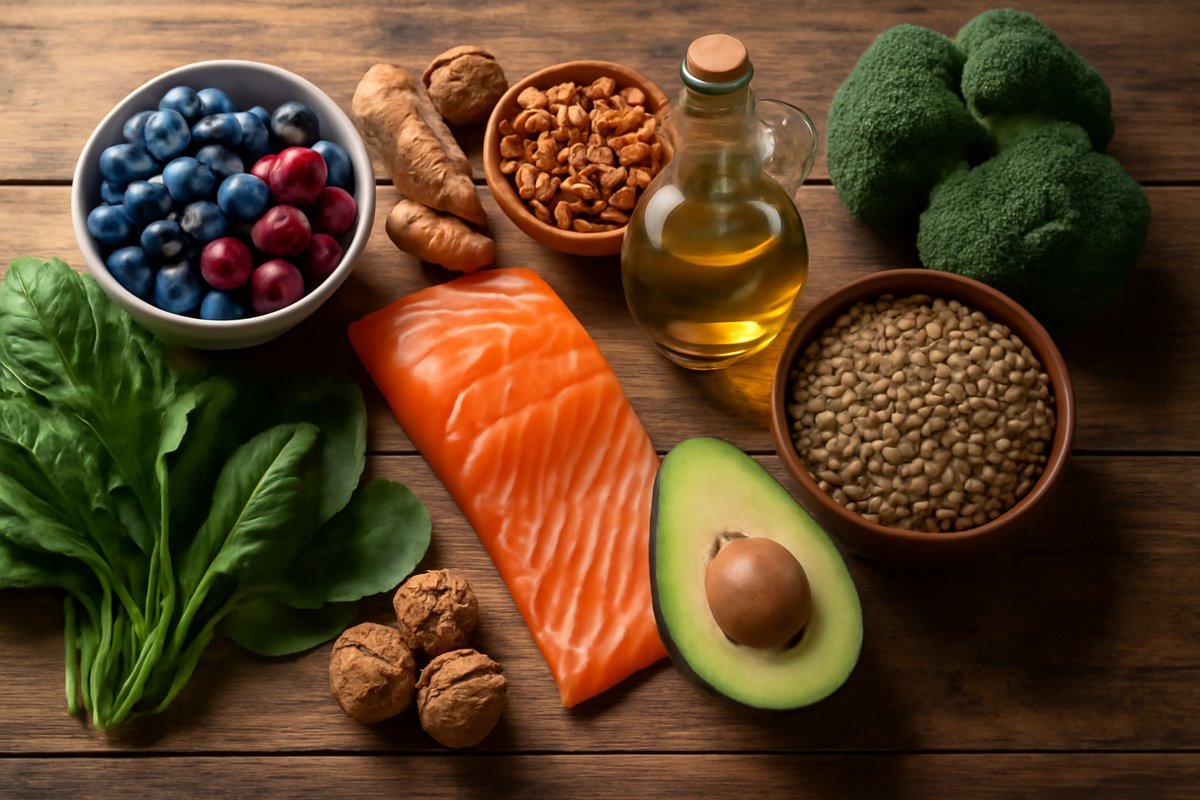
Nutrition: An anti-inflammatory diet rich in omega-3 fatty acids (found in fatty fish, walnuts, and flaxseed), colorful vegetables, fruits, and whole grains complements exercise’s effects on inflammatory biomarkers. Ultra-processed foods, refined sugars, and trans fats actively promote inflammation and can blunt the benefits of your workouts.
Stress management: Chronic psychological stress elevates cortisol and activates inflammatory pathways. Mind-body exercise helps, as do meditation, time in nature, and social connection — all supported by clinical research from Harvard Health as effective stress modulators.
Alcohol and smoking: Both are independently associated with elevated inflammatory markers. The CDC notes that smoking is one of the most potent activators of systemic inflammation, while excessive alcohol intake disrupts gut barrier integrity — a key entry point for inflammatory signals.
Recovery: Overtraining without adequate recovery can paradoxically increase inflammation. Prioritize rest days, sleep, hydration, and gentle movement between intense sessions. For more on this, explore our guide on foam rolling and recovery after 40.
When to Talk to Your Doctor — and Red Flag Warning Signs
Most adults over 40 can safely begin a moderate exercise program without medical clearance, especially if they’re starting with low-intensity activity like walking. However, there are situations where speaking with your physician first is strongly advised.
Speak with your doctor before starting or increasing exercise if you:
- Have been diagnosed with cardiovascular disease, diabetes, or an autoimmune condition
- Are currently on immunosuppressive medications or corticosteroids
- Have untreated hypertension or unexplained chest discomfort
- Have experienced recent surgery, injury, or hospitalization
- Have had significant unexplained weight loss or gain in the past six months
Seek emergency care immediately if during or after exercise you experience:
- Chest pain, pressure, or tightness
- Shortness of breath disproportionate to your effort level
- Sudden dizziness, fainting, or near-fainting
- Heart palpitations or an irregular heartbeat
- Sudden severe joint swelling, redness, or heat — which may indicate an acute inflammatory flare rather than exercise soreness
- Sudden severe headache during exercise
At your next routine appointment, consider asking your doctor about ordering a high-sensitivity CRP test as part of your annual labs. This can give you a baseline measurement and allow you to track the impact of lifestyle changes — including exercise — on your inflammatory status over time.
Frequently Asked Questions About Exercise and Inflammation
Can exercise make inflammation worse?
In the short term, intense or unaccustomed exercise triggers a temporary spike in inflammatory markers — this is part of the normal repair and adaptation process. However, with consistent training and adequate recovery, this acute response diminishes and is followed by a sustained reduction in chronic inflammation. The concern arises with overtraining: doing too much, too soon, without sufficient rest can keep inflammatory markers chronically elevated. This is why gradual progression and planned recovery are essential, especially for adults over 40.
How long does it take to see a reduction in inflammation from exercise?
Research suggests that measurable improvements in inflammatory biomarkers can begin within four to six weeks of consistent moderate-intensity exercise. A study published in the Journal of Sport and Health Science found that adults who exercised regularly for eight weeks showed statistically significant reductions in CRP. However, individual variation is significant — some people see faster changes, while others may need three to six months of consistent effort for labs to reflect improvement.
Is walking enough to reduce inflammation?
Yes — and this is an important point for adults who feel intimidated by formal exercise programs. Multiple studies confirm that brisk walking for 30 minutes, five days a week, produces meaningful reductions in CRP and other inflammatory markers. The key is consistency and a moderate pace — you should be able to hold a conversation, but feel your breathing increase. Walking is underrated but clinically validated as an anti-inflammatory intervention.
Can people with autoimmune conditions exercise to reduce inflammation?
This varies significantly depending on the specific condition, its severity, and your current treatment plan. For many autoimmune conditions — including rheumatoid arthritis, lupus, and inflammatory bowel disease — research from the Cleveland Clinic and Mayo Clinic supports gentle to moderate exercise as beneficial during remission. During active flares, rest and physician guidance take priority. Always coordinate your exercise plan with your rheumatologist or specialist before making changes.
Do anti-inflammatory supplements work as well as exercise?
Certain supplements — such as omega-3 fatty acids, curcumin, and vitamin D — have evidence supporting modest anti-inflammatory effects. However, clinical evidence consistently shows that regular physical activity produces broader, more sustained reductions in inflammatory biomarkers than any single supplement studied to date. Supplements may complement a healthy lifestyle but should not replace it. Always discuss supplement use with your healthcare provider, especially if you’re taking medications.
Take the First Step — Movement Is Medicine
Chronic inflammation after 40 is real, measurable, and linked to nearly every major disease that affects American adults. But the research is equally clear: your body has a remarkable ability to regulate inflammation — and exercise is one of your most powerful tools to activate that ability.
You don’t need to run marathons or lift heavy weights. A consistent routine of moderate aerobic activity, some strength training, and daily movement — paired with quality sleep, a nourishing diet, and stress management — can produce meaningful reductions in inflammatory markers and meaningfully reduce your long-term disease risk.
Start where you are. Even 20 minutes of brisk walking today begins the process. Over weeks and months, those minutes add up to real, measurable changes in your health. And always partner with your physician — they can help you track your progress and tailor your approach to your individual needs.
Medical Disclaimer: This article is for informational and educational purposes only. It does not constitute medical advice, diagnosis, or treatment. Always consult your physician or a qualified healthcare provider before making changes to your health routine or treatment plan.
Medically reviewed by our editorial health team. Content follows evidence-based standards aligned with CDC and NIH guidelines.