The connection between physical activity and your digestive system is more powerful than most people realize — and after 40, it becomes one of the most important relationships in your health.
Mark, 52, had been struggling with bloating, irregular bowel movements, and low energy for years. He had tried dietary changes, probiotics, and even prescription medications with limited success. Then his gastroenterologist made an unexpected suggestion: "Start walking 30 minutes a day." Within six weeks, Mark noticed a dramatic improvement in his digestion, energy, and overall comfort. What changed wasn't just his waistline — it was his gut.
According to the National Institutes of Health, more than 70 million Americans suffer from digestive diseases, with prevalence increasing significantly after age 40. Yet one of the most underutilized and evidence-backed tools for improving gut health is regular physical activity — not a pill, not a powder, not a complicated diet protocol.
In this guide, you'll learn exactly how exercise influences your gut microbiome, digestive motility, and overall gastrointestinal health — and which specific types of movement deliver the most benefit for adults in the 40-to-70 age range.
What Is the Gut-Exercise Connection?
Your gut is home to trillions of microorganisms — bacteria, viruses, fungi — collectively called the gut microbiome. This internal ecosystem plays a critical role in digestion, immune function, mental health, inflammation, and even weight regulation. When your microbiome is diverse and balanced, your body functions better across the board.
The gut-exercise connection refers to the bidirectional relationship between physical activity and gastrointestinal function. Exercise influences how quickly food moves through your digestive tract (a process called gut motility), the composition of your gut bacteria, intestinal inflammation levels, and the strength of the gut lining (also called the intestinal barrier).
Research published in the journal Medicine & Science in Sports & Exercise, supported by NIH-funded studies, consistently shows that physically active individuals tend to have greater gut microbiome diversity — a key marker of better digestive and immune health.
After age 40, gut motility naturally slows. Hormonal changes, reduced physical activity, medication use, and dietary shifts all contribute to a less efficient digestive system. This is why constipation, bloating, and irritable bowel symptoms become more common in midlife. The good news: exercise directly counteracts several of these aging-related changes.
Signs Your Gut May Need More Support
Many adults over 40 experience digestive changes they dismiss as "just getting older." But some of these symptoms may signal that your gut health — and your activity level — deserve closer attention.
Early or mild signs of poor gut health:
- Occasional bloating after meals
- Irregular bowel movements (fewer than 3 per week or more than 3 per day)
- Mild gas and discomfort
- Fatigue after eating
- Frequent food sensitivities
- Difficulty losing weight despite dietary changes
More concerning signs that warrant medical evaluation:
- Persistent or worsening bloating and abdominal pain
- Unexplained weight loss
- Blood in stool
- Chronic diarrhea or constipation lasting more than a few weeks
- Heartburn that doesn't respond to lifestyle changes
- Significant changes in bowel habits after age 50
A 2023 study from the American Gastroenterological Association found that sedentary adults are significantly more likely to experience chronic constipation, intestinal inflammation, and reduced microbial diversity compared to those who exercise at least 150 minutes per week — the minimum recommended by the CDC.
How Exercise Affects Your Gut: The Science
Understanding why exercise helps your gut makes it much easier to stay motivated. Here are the key mechanisms that clinical evidence supports:
1. Improved gut motility. Physical activity stimulates the muscles of the intestinal wall to contract more efficiently. This accelerates the movement of food and waste through your digestive tract, reducing the time that potentially harmful compounds spend in contact with your intestinal lining. Research indicates that moderate aerobic exercise can reduce colon transit time by up to 30% — a meaningful change for anyone dealing with constipation.
2. Enhanced microbial diversity. Multiple peer-reviewed studies, including research from the University of Illinois and published through NIH databases, show that exercise significantly increases the diversity and abundance of beneficial gut bacteria — particularly butyrate-producing species. Butyrate is a short-chain fatty acid that fuels colon cells, reduces inflammation, and supports the gut barrier.
3. Reduced systemic inflammation. Chronic low-grade inflammation is a hallmark of aging and is closely linked to gut permeability (often called "leaky gut"). Regular moderate exercise lowers circulating inflammatory markers such as C-reactive protein (CRP) and interleukin-6, creating a healthier internal environment for your gut to thrive.
4. Stress reduction and the gut-brain axis. Your gut and brain communicate constantly through the vagus nerve — a two-way highway known as the gut-brain axis. Stress and anxiety can trigger bloating, cramping, and diarrhea by disrupting this communication. Exercise reduces cortisol (the primary stress hormone) and supports healthy vagal tone, which in turn improves gut function. If you're interested in more about how movement influences mental wellness, see our guide on Exercise & Mental Health After 40.
5. Weight and metabolic regulation. Excess abdominal fat — particularly visceral fat (fat stored around your internal organs) — is associated with increased gut inflammation, dysbiosis (microbial imbalance), and GERD (gastroesophageal reflux disease). Exercise reduces visceral fat more effectively than diet alone, according to the American Heart Association, indirectly improving gut health outcomes.
The Best Types of Exercise for Gut Health
Not all exercise affects your gut in the same way. The intensity, duration, and type of movement each play a role — and after 40, finding the right balance is especially important.
Moderate aerobic exercise is the most consistently supported approach for improving gut health. Activities like brisk walking, cycling, swimming, or light jogging performed at moderate intensity — roughly 50-70% of your maximum heart rate — improve gut motility and microbial diversity without placing excessive stress on the digestive system.
Clinical evidence indicates that 30 minutes of moderate aerobic activity five times per week produces measurable improvements in gut microbiome composition within as few as six weeks. The CDC recommends at least 150 minutes of moderate-intensity aerobic activity per week — a target that aligns well with what research suggests for gut health benefits. For a practical starting point, our Treadmill Training After 40 guide offers structured walking and running plans specifically designed for midlife adults.
Yoga and mind-body movement offer particular benefits for the gut-brain axis. Poses that involve twisting and gentle compression of the abdomen — such as seated spinal twists, cat-cow stretches, and supine knee-to-chest poses — can stimulate intestinal motility and support parasympathetic nervous system function, which is essential for healthy digestion. Research suggests yoga may be especially helpful for individuals with irritable bowel syndrome (IBS).
Strength training supports gut health indirectly by improving insulin sensitivity and reducing visceral fat accumulation. A 2022 meta-analysis in the Journal of Gastroenterology found that resistance training two to three times per week was associated with improved gut microbiome composition and reduced markers of intestinal inflammation. If you're new to resistance training, our guide on Bodyweight Training After 40 is a great place to start without equipment.
What to avoid: Very high-intensity exercise — particularly prolonged endurance events like marathons or extreme interval training — can actually impair gut function temporarily. During intense physical stress, blood flow is redirected away from the gut, which can cause what athletes call "runner's gut": cramping, nausea, and diarrhea. This varies significantly from person to person, and moderate-intensity exercise does not carry this risk for the vast majority of adults.
Exercise, Gut Health, and Specific Digestive Conditions
For adults managing diagnosed digestive conditions, physical activity can be a powerful complementary tool — though it should always be coordinated with your healthcare provider.
Constipation: This is one of the most well-documented benefits of exercise. The American College of Gastroenterology notes that physical inactivity is one of the most modifiable risk factors for chronic constipation. Even low-impact walking has been shown in clinical studies to improve stool frequency and consistency within two to four weeks.
Irritable Bowel Syndrome (IBS): Research suggests that moderate exercise reduces IBS symptom severity. A randomized controlled trial published in the American Journal of Gastroenterology found that patients with IBS who exercised regularly experienced significantly greater symptom improvement compared to those who did not, with benefits including reduced abdominal pain, bloating, and bowel irregularity.
GERD (Acid Reflux): Exercise that supports weight loss — particularly reducing abdominal fat — helps reduce GERD symptoms by decreasing pressure on the lower esophageal sphincter. However, vigorous exercise immediately after eating, or exercises that increase intra-abdominal pressure (like heavy lifting or intense crunches), can temporarily worsen reflux. Most physicians recommend waiting at least two hours after a large meal before exercising.
Inflammatory Bowel Disease (IBD): For people with Crohn's disease or ulcerative colitis, exercise during remission appears safe and beneficial. The Crohn's & Colitis Foundation acknowledges that moderate physical activity may reduce systemic inflammation and improve quality of life for IBD patients, though exercise during active flares should always be discussed with a gastroenterologist.
Building a Gut-Friendly Exercise Routine After 40
The best routine is one you can actually maintain — and that doesn't aggravate your digestive system. Here's a practical framework backed by clinical guidance:
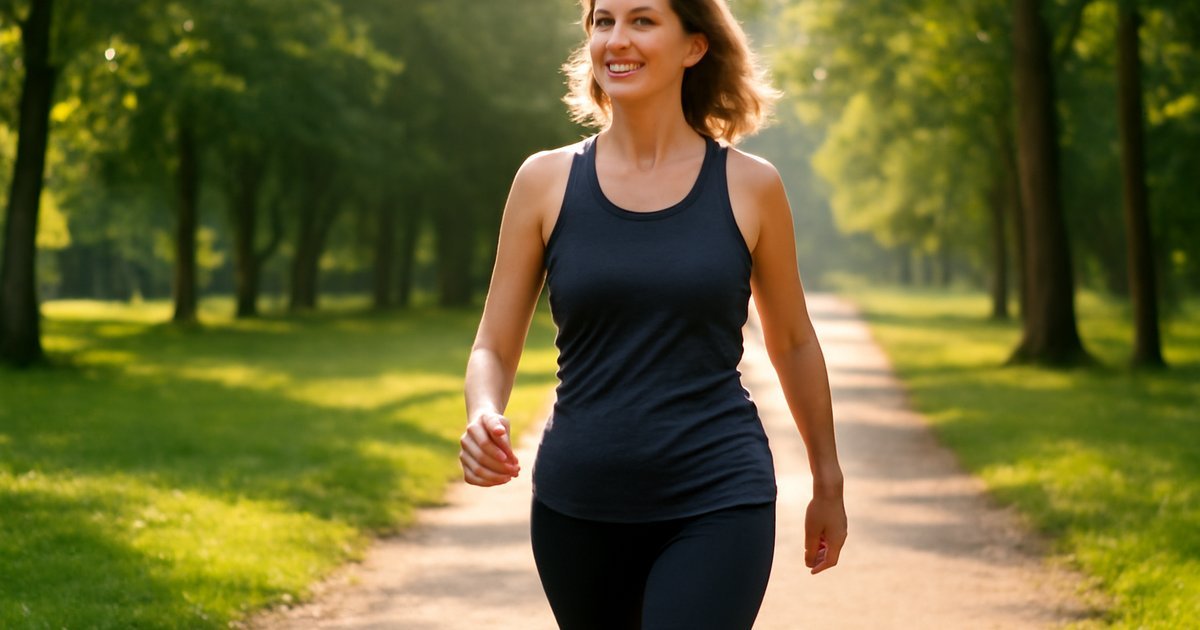
Start with 20-30 minutes of moderate walking daily. This is the single most accessible and evidence-supported starting point. It improves gut motility, reduces stress, supports weight management, and requires no equipment or gym membership. Aim for a pace where you can hold a conversation but feel slightly breathless.
Add yoga or gentle stretching two to three times per week. Focus on sessions that include core breathing exercises and twisting poses. Diaphragmatic breathing — deep belly breathing — activates the parasympathetic nervous system and directly supports healthy gut function.
Incorporate resistance training two days per week. Full-body strength sessions using dumbbells, resistance bands, or bodyweight exercises help reduce visceral fat and support metabolic health, both of which benefit your gut over time.
Timing matters. Most research suggests exercising in a fasted state or well after a meal (two or more hours) to minimize digestive discomfort. If you exercise in the morning, a light snack is usually sufficient — a large meal before exercise is associated with increased GI symptoms during activity.
Combine exercise with gut-supportive nutrition. Exercise enhances the effect of a high-fiber diet on your microbiome. Consuming prebiotic-rich foods (onions, garlic, oats, bananas) provides fuel for beneficial gut bacteria, and their growth is further stimulated by regular physical activity. This is a synergistic relationship — each amplifies the benefit of the other.
Be consistent, not extreme. A modest, consistent exercise routine produces greater gut health benefits than sporadic intense workouts. Research from the Mayo Clinic indicates that the gut microbiome begins to respond to regular exercise within four to six weeks of consistent moderate activity.
When to Call Your Doctor or Seek Emergency Care
Exercise is a powerful tool, but it is not a substitute for medical evaluation when symptoms warrant it. Contact your doctor promptly if you experience:
- Rectal bleeding or blood in your stool
- Unexplained weight loss of more than 5% of body weight in a short period
- Persistent abdominal pain that does not resolve with rest or typical remedies
- New or worsening bowel symptoms after age 50 (especially relevant for colorectal cancer screening discussions)
- Severe nausea or vomiting that prevents adequate hydration or nutrition
Seek emergency care immediately if you experience:
- Sudden, severe abdominal pain — especially if rigid or board-like
- Large amounts of rectal bleeding
- Signs of dehydration (extreme thirst, dizziness, confusion) accompanying severe diarrhea
- High fever accompanied by abdominal pain and changes in bowel habits
At your next routine appointment, mention your digestive symptoms and your current exercise habits. Ask your physician whether a referral to a gastroenterologist or registered dietitian might be appropriate. If you are over 45 and haven't had a colonoscopy, ask about colorectal cancer screening — the American Cancer Society recommends screening beginning at age 45 for average-risk individuals.
Frequently Asked Questions
Q: How quickly can exercise improve gut health?
Research suggests that consistent moderate exercise can produce measurable changes in gut microbiome composition within four to six weeks. Improvements in gut motility — such as reduced constipation — can be noticed even sooner, often within two to four weeks of beginning a regular walking routine.
Q: Can exercising too much harm my gut?
Yes, excessive high-intensity or prolonged endurance exercise can temporarily impair gut function by redirecting blood flow away from the digestive tract. This is generally a concern only for very intense or extended athletic training — not for moderate daily activity. For most adults over 40, the risk of doing too little exercise far outweighs the risk of doing too much.
Q: Does exercise help with acid reflux?
Moderate exercise — particularly activities that support weight loss and reduce abdominal fat — may reduce GERD symptoms over time. However, vigorous activity immediately after meals, or exercises that increase abdominal pressure, can temporarily worsen reflux. Clinical evidence indicates that maintaining a healthy weight through regular activity is one of the most effective lifestyle strategies for managing GERD.
Q: What type of exercise is best for IBS?
Clinical evidence most strongly supports moderate aerobic exercise — such as walking, cycling, or swimming — and yoga for IBS management. These activities reduce stress hormones, support gut-brain communication, and improve gut motility without triggering the GI distress that can accompany high-intensity training. Individual response varies, so starting slowly and tracking your symptoms is advisable.
Q: Should I exercise if I'm having a digestive flare-up?
This depends on the severity and cause. Mild symptoms may actually improve with gentle movement like walking. However, if you have an active IBD flare, severe abdominal pain, or significant diarrhea, rest and medical evaluation are the priority. Always consult your physician about exercise recommendations during acute digestive episodes.
Conclusion
The relationship between exercise and gut health is one of the most compelling — and most underappreciated — connections in modern medicine. For adults over 40, who face increased risks of gut motility slowdown, microbial diversity loss, and chronic digestive conditions, regular physical activity is not just beneficial — it's foundational.
You don't need a complex program or extreme effort. Thirty minutes of brisk walking most days of the week, combined with two strength sessions and some gentle yoga, can meaningfully improve your gut microbiome, reduce inflammation, and help your digestive system function the way it was designed to.
This varies from person to person, and your specific health history matters. Work with your doctor to create an exercise plan that supports your digestive health — and remember that small, consistent steps forward will always outperform large, unsustainable efforts.
This article is for informational and educational purposes only. It does not constitute medical advice, diagnosis, or treatment. Always consult your physician or a qualified healthcare provider before making changes to your health routine or treatment plan.
Medically reviewed by our editorial health team. Content follows evidence-based standards aligned with CDC and NIH guidelines.