Tag: exercise after 40

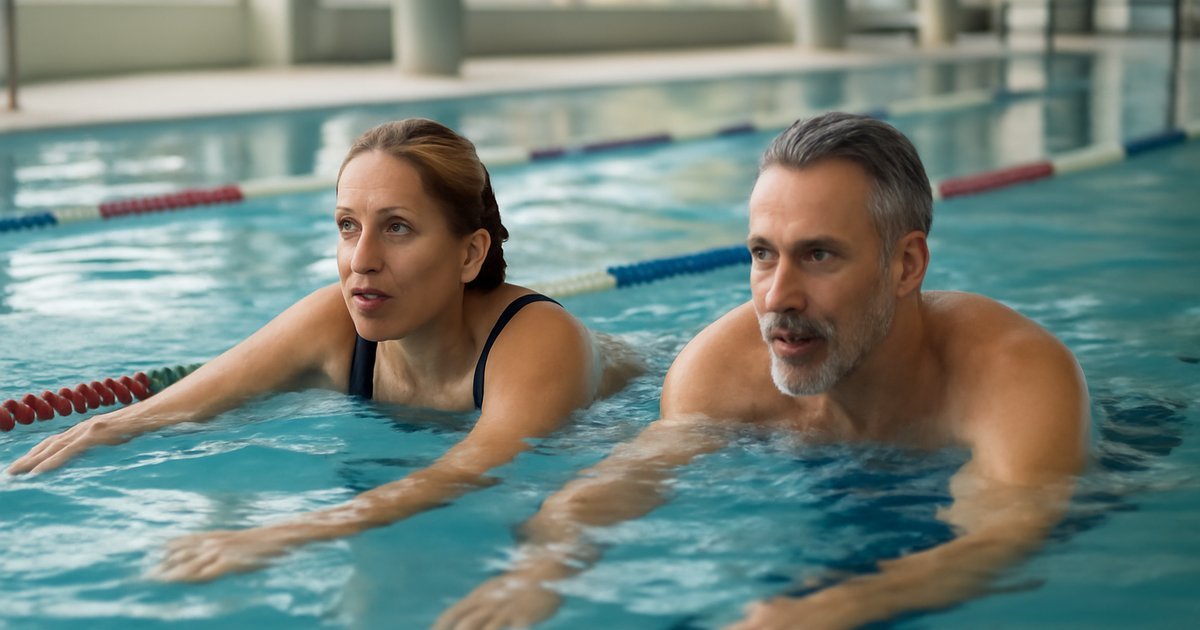
  • Swimming for Fitness After 40: Full-Body Benefits & Tips

    Swimming for Fitness After 40: Full-Body Benefits & Tips

    One of the most joint-friendly, heart-strengthening workouts available — and it may be exactly what your body needs after 40.

    Consider Michael, 54, who had spent years running five miles a day until his knees finally told him enough was enough. His orthopedist suggested he try swimming instead. Within three months, Michael had lost 18 pounds, his resting heart rate had dropped significantly, and — for the first time in years — he woke up without joint pain. His story is far from unusual.

    According to the CDC, fewer than 25% of American adults meet the recommended guidelines for both aerobic and muscle-strengthening activity. For adults over 40 dealing with joint pain, weight gain, cardiovascular concerns, or simply the wear-and-tear of a busy life, finding a sustainable, effective exercise can feel overwhelming. Swimming for fitness offers a compelling answer that many physicians and physical therapists actively recommend.

    In this guide, you will learn exactly why swimming is one of the most clinically supported full-body workouts for adults aged 30 to 70, how to get started safely, what health benefits the evidence actually supports, and how to build a swim routine that fits your life.

    What Is Fitness Swimming — and Why Does It Matter After 40?

    Fitness swimming refers to structured, intentional swimming sessions designed to improve cardiovascular health, muscular strength, flexibility, and overall wellness — as opposed to casual recreational swimming. It includes lap swimming, water aerobics, aqua jogging, and structured swim interval training.

    What makes swimming uniquely valuable after 40 is buoyancy. When you are submerged to your neck in water, your body bears only about 10% of its actual weight, according to research published by the American Physical Therapy Association. This dramatically reduces mechanical stress on the hips, knees, spine, and ankles — the joints that most commonly break down with age.

    The American Heart Association estimates that cardiovascular disease affects nearly half of all US adults, and that risk climbs steeply after age 40 in women and after age 45 in men. Swimming directly targets this risk by training the heart and lungs as a sustained aerobic activity.

    Beyond heart health, swimming engages more muscle groups simultaneously than most land-based exercises. A single lap of freestyle stroke activates the shoulders, chest, core, glutes, and legs — providing a genuinely full-body workout with a low injury profile. For adults entering their fifth, sixth, or seventh decade of life, that combination is remarkably rare in a single activity.

    Health Benefits Supported by Clinical Evidence

    The research behind swimming as a fitness tool for middle-aged and older adults is both broad and encouraging. Here is what clinical evidence actually indicates across key health domains.

    Cardiovascular Health: A large-scale study published in the International Journal of Aquatic Research and Education found that swimmers had significantly lower all-cause mortality rates compared to sedentary individuals — and even compared to runners and walkers over a long follow-up period. Swimming strengthens the heart muscle, improves circulation, and helps regulate blood pressure. The NIH notes that regular aerobic exercise, including swimming, can reduce systolic blood pressure by 4 to 9 mmHg in people with hypertension.

    Weight and Metabolism: Swimming burns between 400 and 700 calories per hour depending on stroke intensity and body size. More importantly, research from Indiana University’s Department of Kinesiology found that master swimmers — adults who swim regularly in their 40s, 50s, 60s, and beyond — maintained significantly leaner body compositions and better metabolic markers than age-matched non-swimmers. The metabolic slowdown that many adults experience after 40 can be meaningfully offset by consistent aerobic activity like swimming.

    Joint Health and Chronic Pain: For adults managing osteoarthritis — which the CDC reports affects more than 32 million Americans — swimming provides a way to stay active without aggravating inflamed joints. A 2016 randomized controlled trial published in the Journal of Rheumatology found that aquatic exercise produced comparable pain relief and functional improvement to land-based exercise in adults with hip and knee osteoarthritis, with better adherence over time.

    Mental Health and Cognitive Function: The mental health benefits of swimming are increasingly well-documented. A study from Griffith University found that regular swimmers reported significantly lower rates of depression and anxiety compared to non-exercisers. Exercise-induced neurochemical changes — including increases in serotonin, dopamine, and brain-derived neurotrophic factor (BDNF) — are associated with improved mood, better stress resilience, and even a reduced risk of cognitive decline. This is particularly meaningful for adults over 40, among whom both depression and early cognitive changes become more prevalent.

    Lung Function: Swimming requires controlled, rhythmic breathing that naturally strengthens the diaphragm and intercostal muscles. Research suggests that regular swimmers tend to have greater lung capacity and more efficient breathing mechanics than non-swimmers. This is especially relevant for adults with mild asthma, as the warm, humid air near the water surface is generally less irritating than cold outdoor air during running.

    Getting Started: What to Expect and How to Begin Safely

    If you have not swum regularly since childhood — or ever — the idea of jumping into a lane pool can feel intimidating. The good news is that swimming is highly scalable. You do not need to be fast, efficient, or capable of completing a long set to benefit from it.

    Before starting any new fitness program after 40, clinical guidelines recommend a conversation with your physician. This is especially important if you have cardiovascular disease, uncontrolled hypertension, chronic pulmonary conditions, recent orthopedic surgery, or open wounds. Your doctor can help determine the appropriate intensity level for your current health status.

    Start with technique: Poor swimming mechanics are both inefficient and potentially injurious — particularly to the shoulders and neck. Most physicians and fitness professionals recommend a few lessons with a certified swim instructor before building a regular practice. Many YMCAs and community pools offer adult beginner classes specifically for this purpose.

    Begin with shorter sessions: Research suggests that even 20 to 30 minutes of moderate-intensity swimming, three times per week, produces measurable cardiovascular and metabolic improvements. Starting conservatively allows your muscles, tendons, and cardiovascular system to adapt without overuse injury.

    Use equipment strategically: Kickboards, pull buoys, fins, and hand paddles are not just for beginners — competitive swimmers use them too. A kickboard isolates leg strength while reducing shoulder load. A pull buoy allows you to focus on upper-body mechanics while resting your legs. These tools make swimming more accessible and varied at any fitness level.

    Consider water aerobics: If lap swimming feels too demanding initially, water aerobics classes provide an excellent entry point. Performed in the shallow end, these instructor-led classes offer cardiovascular and resistance training in a social, low-pressure environment. If you are interested in group-based fitness options, you may also want to explore the benefits described in our guide to Group Fitness Classes After 40.

    Building Your Swim Fitness Routine: A Practical Framework

    Consistency is the most evidence-supported predictor of long-term fitness outcomes. The structure of your swim routine matters less than showing up regularly. That said, some structural principles can help you progress safely and avoid plateaus.

    Frequency: The American College of Sports Medicine recommends at least 150 minutes of moderate-intensity aerobic activity per week for adults. Three to five swim sessions of 30 to 50 minutes each satisfies this guideline. Most adults find three sessions per week to be the most sustainable starting point.

    Warm-up and cool-down: Begin each session with 5 to 10 minutes of easy, slow-paced swimming or water walking to elevate heart rate gradually and lubricate the joints. End with a similar cool-down. This is not optional — it is a physiologically important practice that reduces injury risk and supports cardiovascular recovery.

    Interval training: Once you have built a baseline of fitness over 4 to 6 weeks, introducing swim intervals can accelerate progress. An example beginner interval set: swim one lap at moderate effort, rest for 30 seconds, repeat 8 to 10 times. Clinical evidence indicates that interval training produces greater cardiovascular adaptations than steady-state exercise alone — and it makes sessions more engaging.

    Stroke variety: Alternating between freestyle, backstroke, and breaststroke distributes muscular demand across different muscle groups and reduces repetitive strain. Butterfly stroke is highly demanding and typically not recommended for beginners or adults with shoulder concerns.

    Track your progress: Many lap pools provide lane counters or pace clocks. Wearable swim trackers can monitor lap count, stroke rate, and heart rate. Tracking simple metrics like total laps or total time per session creates accountability and helps you observe meaningful improvements over weeks and months. Proper nutrition timing is also important — for guidance on fueling your workouts effectively, visit our article on Exercise Nutrition After 40.

    Swimming and Weight Management After 40

    One of the most common motivations adults have for returning to exercise after 40 is weight management — and for good reason. After 40, muscle mass naturally declines at a rate of roughly 1% per year (a process called sarcopenia), and metabolic rate slows accordingly. This makes maintaining a healthy weight progressively more challenging without intentional physical activity.

    Swimming addresses this from two angles. As an aerobic activity, it burns meaningful calories during the session. As a resistance-based workout — since water provides 12 to 14 times more resistance than air — it also preserves and builds lean muscle mass, which supports a higher resting metabolic rate over time.

    It is worth noting that some research has found that swimming can stimulate appetite more than land-based exercise, potentially due to the cooling effect of water. This variation from person to person is important to recognize. If you find yourself unusually hungry after swimming, pairing your swim program with mindful eating strategies and a protein-rich post-workout meal can help manage total caloric intake without undermining your efforts. For a more detailed look at exercise and weight management strategies, see our complete guide to Exercise for Weight Management After 40.

    When to Call Your Doctor or Seek Immediate Help

    Swimming is among the safest forms of exercise available, but no physical activity is entirely risk-free — particularly for adults with underlying health conditions. Knowing the warning signs that require prompt medical attention is essential.

    Stop swimming and seek emergency care immediately if you experience:

    • Chest pain, pressure, or tightness during or after swimming
    • Severe shortness of breath disproportionate to your effort level
    • Dizziness, fainting, or loss of coordination in the water
    • Sudden, severe headache
    • Heart palpitations that do not resolve quickly with rest
    • Sudden numbness or weakness in an arm or leg

    Schedule a non-urgent appointment with your doctor if you notice:

    • Persistent shoulder, neck, or knee pain that develops with your swim routine
    • Unusual fatigue that does not improve with adequate rest
    • Ear pain or recurring ear infections (swimmer’s ear is common and treatable)
    • Skin irritation or rashes from pool chemicals
    • Any new symptom that concerns you, even if mild

    Before starting a swim fitness program, mention it to your primary care provider — especially if you have not had a recent physical exam or if you are managing any chronic health condition. This is always the safest and most clinically appropriate first step.

    Frequently Asked Questions About Swimming for Fitness After 40

    Is swimming enough exercise on its own, or do I need to add other workouts?

    Research suggests that swimming alone can meet the recommended guidelines for both aerobic and muscle-strengthening activity, making it a complete exercise modality for many adults. However, swimming does not significantly load the bones, which means it does not build bone density the way weight-bearing exercises like walking or resistance training do. If osteoporosis prevention is a concern for you — which becomes increasingly relevant after 40 — most physicians recommend complementing swimming with some weight-bearing activity at least two days per week.

    How long before I see results from swimming?

    This varies from person to person, but clinical evidence generally indicates that measurable cardiovascular improvements — such as reduced resting heart rate and improved endurance — typically emerge within 4 to 6 weeks of consistent training. Changes in body composition and muscle tone generally take 8 to 12 weeks to become clearly visible. Patience and consistency are the most important variables.

    Can I swim if I have high blood pressure?

    For most adults with controlled hypertension, swimming is not only safe but actively beneficial. The NIH and the American Heart Association both recognize regular aerobic exercise as a first-line lifestyle intervention for hypertension management. However, if your blood pressure is not well controlled, or if you are on multiple blood pressure medications, consult your physician before starting. They may want to monitor your response to exercise and adjust your treatment plan accordingly.

    What if I am not a strong swimmer — is it still worth trying?

    Absolutely. You do not need to be able to swim laps efficiently to benefit from water-based fitness. Water walking, water aerobics, and even standing resistance exercises in the shallow end all deliver meaningful cardiovascular and muscular benefits. Many adults find that their confidence and skill improve rapidly once they commit to regular sessions.

    Is swimming safe if I have arthritis?

    Yes — in fact, aquatic exercise is among the most frequently recommended forms of physical activity for adults with arthritis, according to both the Arthritis Foundation and the CDC. The buoyancy of water reduces joint load significantly, allowing movement that might be painful or impossible on land. A 2016 randomized controlled trial confirmed that aquatic exercise produces comparable benefits to land-based exercise for adults with hip and knee osteoarthritis, often with greater adherence over time.

    Conclusion: Your Next Step Into the Water

    Swimming for fitness is not a workaround or a consolation prize for adults who can no longer handle high-impact exercise. It is a clinically validated, physiologically comprehensive workout that happens to be gentle on the joints — one that research associates with longer life expectancy, lower cardiovascular risk, better mental health, and improved body composition across decades of life.

    Whether you are managing a chronic condition, returning to exercise after a long break, or simply looking for a sustainable activity that will serve you well into your 60s and 70s, the pool is worth serious consideration. Start conservatively, prioritize technique, and give your body time to adapt.

    Most importantly, involve your physician in the conversation. They can help you begin safely, adjust your plan as you progress, and ensure that your fitness goals align with your broader health picture. The water is waiting — and so is a healthier version of you.


    Medical Disclaimer: This article is for informational and educational purposes only. It does not constitute medical advice, diagnosis, or treatment. Always consult your physician or a qualified healthcare provider before making changes to your health routine or treatment plan.

    Medically reviewed by our editorial health team. Content follows evidence-based standards aligned with CDC and NIH guidelines.
  • Group Fitness Classes After 40: Benefits & How to Start

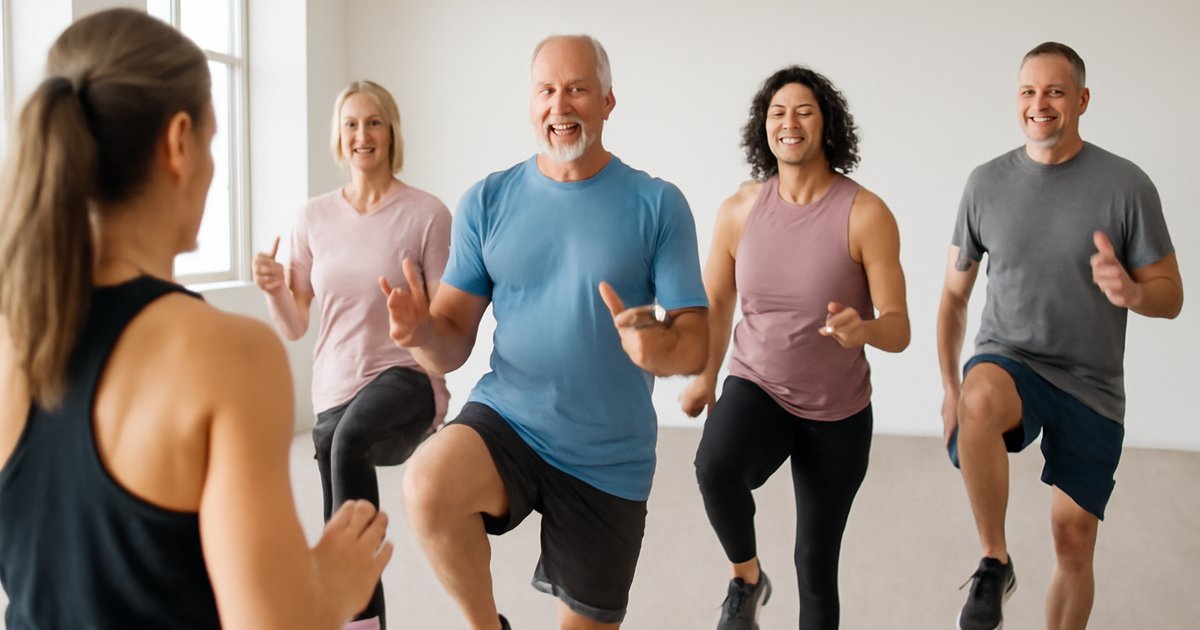
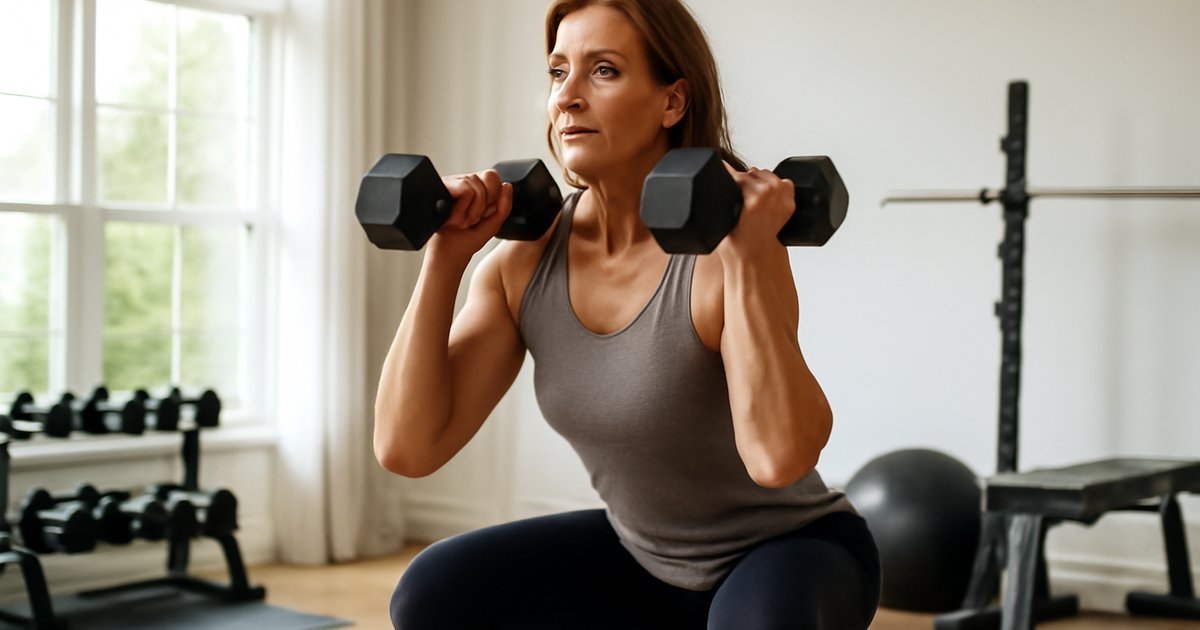
    Group Fitness Classes After 40: Benefits & How to Start

    The social workout that could be the most powerful medicine you’re not taking yet.

    Introduction

    When Michael, 54, walked into his first group cycling class, he almost walked right back out. He hadn’t exercised consistently in years, his knees ached on stairs, and everyone around him looked like they knew exactly what they were doing. Six months later, he’s lost 22 pounds, his blood pressure has dropped significantly, and — perhaps most surprisingly — he says the best part of his week is Tuesday and Thursday mornings with his class.

    Michael’s story isn’t unusual. According to the Physical Activity Guidelines for Americans, published by the U.S. Department of Health and Human Services, fewer than 25% of adults aged 50 and older meet the recommended weekly exercise targets. Yet research consistently shows that adults who exercise in group settings are significantly more likely to stick with their routines long-term.

    If you’re over 40 and looking for a sustainable, effective way to get moving, group fitness classes may offer something solo workouts simply can’t: community, structure, accountability, and fun. In this guide, you’ll learn the science-backed benefits, how to choose the right class for your body and goals, and how to get started safely.

    What Are Group Fitness Classes?

    Group fitness classes are instructor-led exercise sessions conducted with multiple participants, typically in a gym, community center, studio, or online platform. They span an enormous range of formats — from high-energy cycling and dance cardio to gentler options like water aerobics, yoga, and chair-based strength training.

    Unlike personal training or solo gym workouts, group classes offer a structured environment where a certified instructor guides every movement, cues proper form, and adjusts the pace. Most classes run between 45 and 60 minutes and are designed to accommodate a range of fitness levels through modifications.

    According to the American College of Sports Medicine (ACSM), group fitness is one of the fastest-growing segments of the fitness industry, with millions of Americans participating weekly across formats including Zumba, Pilates, spinning, barre, boot camp, and aqua fitness. For adults in the 40-to-70 age range, this diversity of options is especially valuable — because no single class fits every body or health profile.

    The key distinction that makes group fitness particularly powerful isn’t the exercise itself — it’s the psychological and social architecture around it. When you show up to a class, people notice. That accountability is clinically meaningful.

    Health Benefits Backed by Science

    The benefits of group fitness for adults over 40 extend well beyond burning calories. Research suggests that structured group exercise delivers advantages across physical, mental, and social dimensions of health — all of which become increasingly important as we age.

    Cardiovascular and metabolic health: A landmark study published in the Journal of the American Osteopathic Association found that participants in group fitness classes reported significantly lower levels of stress and higher quality of life compared to those who exercised alone — even when total workout volume was similar. Cardiovascular classes, in particular, support heart health in ways consistent with AHA guidelines recommending 150 minutes of moderate aerobic activity per week.

    • Improved cardiovascular endurance — regular aerobic group classes strengthen the heart muscle and improve circulation
    • Better blood sugar regulation — consistent moderate exercise improves insulin sensitivity, which is especially critical for the 96 million American adults with prediabetes, per CDC data
    • Increased muscle mass and bone density — strength-based classes help counteract the natural decline in muscle mass (sarcopenia) that accelerates after age 40
    • Weight management support — group classes provide caloric expenditure alongside behavioral reinforcement that helps sustain healthy habits

    Mental health benefits: The NIH has documented the well-established link between regular physical activity and reduced symptoms of depression and anxiety. Group exercise adds a social layer that amplifies these effects. Clinical evidence indicates that the sense of belonging and shared effort in group settings triggers oxytocin release and reduces cortisol — the primary stress hormone.

    For those managing chronic stress, this dual physical-social intervention can be particularly impactful.

    Adherence and consistency: Perhaps the most practically significant benefit is this — people simply show up more. A 2017 study in PLOS ONE found that individuals who exercised in group settings were more likely to maintain their routines over time compared to solo exercisers. For adults over 40 trying to build sustainable habits, this matters enormously.

    Choosing the Right Class for Your Body and Goals

    Not every group fitness class is appropriate for every person — and that’s entirely okay. The key is matching the class format to your current fitness level, health conditions, and personal preferences. Here’s a practical breakdown by category:

    Low-impact options (ideal for beginners, joint issues, or chronic conditions):

    • Water aerobics / aqua fitness — buoyancy reduces joint stress by up to 90%, making this ideal for arthritis, obesity, or post-surgical recovery. If you’re exercising with arthritis, this is often a first recommendation from physical therapists.
    • Chair yoga — gentle seated stretches improve flexibility, balance, and breathing with minimal injury risk
    • Walking clubs — social, accessible, and clinically beneficial for cardiovascular and bone health
    • Tai chi — research published by the NIH shows tai chi significantly reduces fall risk in older adults by improving balance and proprioception

    Moderate-intensity options (for those with a baseline of activity):

    • Barre classes — combines ballet-inspired movements with strength and flexibility work; low-impact but highly effective for core and lower-body toning
    • Pilates — emphasizes core strength, posture, and controlled movement; widely used in rehabilitation settings
    • Group cycling (indoor spinning) — non-weight-bearing cardio that’s easy on joints while delivering strong cardiovascular benefits
    • Dance fitness (Zumba, line dancing) — combines cardio with coordination training; research suggests dance-based exercise also supports cognitive function in older adults

    Higher-intensity options (for those already active and cleared by a physician):

    • Boot camp / circuit training — combines strength and cardio in intervals; highly effective but requires proper form guidance
    • Group strength training — barbell or dumbbell-based classes build muscle mass critical for metabolic health and bone density after 40

    This varies from person to person, and your health history should always inform your choice. Speaking with your physician before starting a new exercise program — especially if you have a cardiovascular condition, diabetes, or musculoskeletal issues — is always the right first step.

    How to Get Started: A Practical Step-by-Step Guide

    Starting group fitness after a long break — or for the first time — can feel intimidating. But most experienced instructors and regular class members will tell you the same thing: everyone was a beginner once, and the community almost always welcomes newcomers warmly.

    Here’s how to set yourself up for success:

    Step 1: Get medical clearance. Before beginning any new exercise program, especially if you’re over 40 with a chronic condition or haven’t exercised regularly, schedule a visit with your physician. The PAR-Q (Physical Activity Readiness Questionnaire) is a standard tool doctors use to assess exercise safety — ask about it if your provider doesn’t bring it up.

    Step 2: Identify your goals and constraints. Are you primarily focused on weight management, stress reduction, social connection, or managing a specific condition? Do you have joint pain, balance issues, or cardiovascular concerns? Answering these honestly will help narrow your class options significantly.

    Step 3: Try before you commit. Most gyms, YMCAs, and studios offer a free trial class or first-week discount. Take advantage of this. Don’t judge a format by one class — instructors, class energy, and participant community vary widely.

    Step 4: Arrive early and introduce yourself. Tell the instructor you’re new and mention any health considerations. A good certified instructor will offer modifications and keep an eye on your form. This one step dramatically reduces injury risk and increases comfort.

    Step 5: Start with two classes per week. Clinical evidence suggests that two structured exercise sessions per week is sufficient to produce measurable health improvements in deconditioned adults. Resist the urge to do too much too soon — overuse injuries are the most common reason people quit.

    Step 6: Track your progress beyond the scale. Note improvements in energy levels, sleep quality, mood, and how you feel during daily activities. These non-scale victories are powerful motivators and often occur before weight changes become visible. For insights on how nutrition supports your efforts, see our guide on exercise nutrition after 40.

    Living With Your Group Fitness Routine: Staying Consistent

    Getting started is one thing. Staying consistent over months and years is where the real health transformation happens. Here are evidence-supported strategies for long-term adherence:

    Schedule it like a medical appointment. Research on behavior change consistently shows that exercise adherence improves when workouts are pre-scheduled rather than planned spontaneously. Put your classes in your calendar with the same non-negotiable status as a doctor’s visit.

    Find your people. The social connection in group fitness is clinically meaningful — it’s not just a nice bonus. According to Harvard Health research, strong social ties are associated with lower rates of depression, cognitive decline, and even cardiovascular disease. If you find a class where you genuinely enjoy the people, you’ve found something that will carry you through the low-motivation days.

    Allow for rest and recovery. Your body — especially after 40 — needs adequate recovery time between sessions. Most exercise physiologists recommend at least one full rest day between intense workouts for this age group. Soreness is normal; sharp or persistent pain is not. Listen to your body.

    Mix modalities. Rotating between different class types — a cardio session one day, strength-based class another, and gentle yoga or stretching a third day — supports balanced fitness and reduces overuse injury risk.

    Consider online options. Since 2020, the availability of high-quality live and on-demand group fitness classes via apps and streaming platforms has exploded. These provide flexibility when travel, weather, or scheduling makes in-person attendance difficult — while still offering much of the community element through live-stream formats.

    When to Call Your Doctor or Seek Emergency Care

    Group fitness is safe for the vast majority of adults over 40 when approached thoughtfully. However, it’s critical to recognize warning signs that require immediate attention.

    Stop exercising immediately and call 911 if you experience:

    • Chest pain, pressure, or tightness during or after exercise
    • Sudden shortness of breath that is disproportionate to exertion
    • Dizziness, fainting, or near-fainting
    • Severe, sudden headache during exercise
    • Heart palpitations with chest discomfort or lightheadedness
    • Sudden weakness or numbness in face, arm, or leg — potential stroke signs

    Schedule a non-emergency doctor’s appointment if you notice:

    • Joint pain that persists more than 48 hours after a class
    • Swelling in joints after exercise
    • Consistent fatigue that doesn’t resolve with rest
    • Any new or worsening symptoms related to an existing condition
    • Significant changes in your resting heart rate or blood pressure readings

    At your next routine visit, tell your doctor which classes you’re attending and at what intensity. This allows your physician to monitor your health markers in context and make recommendations specific to your program.

    Frequently Asked Questions

    Q: Is group fitness safe if I have high blood pressure or heart disease?
    Many adults with well-managed cardiovascular conditions participate safely in group fitness, but physician clearance is essential first. Low-to-moderate intensity classes like water aerobics, walking groups, or gentle yoga are often recommended starting points. Your doctor may also request a stress test before you begin more vigorous classes.

    Q: What if I’m significantly overweight — can I still take group classes?
    Absolutely. Many classes are specifically designed for higher-weight participants, and low-impact formats like water aerobics, chair fitness, and walking clubs are excellent entry points. Instructors at reputable facilities are trained to offer modifications. Research suggests that even modest increases in physical activity produce significant health benefits regardless of weight loss.

    Q: How do I know if an instructor is qualified?
    Look for instructors certified by nationally recognized organizations such as ACE (American Council on Exercise), NASM (National Academy of Sports Medicine), ACSM, or the Aerobics and Fitness Association of America (AFAA). Many gyms post instructor credentials on their websites or class schedules.

    Q: How quickly will I see results from group fitness classes?
    This varies from person to person, but clinical evidence suggests most adults notice improvements in energy, sleep quality, and mood within two to four weeks of consistent exercise. Measurable changes in cardiovascular fitness typically appear within six to eight weeks. Visible body composition changes usually require three or more months of consistent effort combined with nutrition adjustments.

    Q: Are virtual group fitness classes as effective as in-person ones?
    Research suggests that virtual group classes can be highly effective, particularly when they are live rather than pre-recorded — because the real-time social element preserves much of the accountability benefit. For those with mobility limitations, health conditions, or transportation barriers, virtual classes are a clinically sound alternative to in-person sessions.

    Conclusion

    Group fitness classes represent one of the most well-rounded, sustainable exercise strategies available to adults over 40. They deliver cardiovascular and strength benefits, support mental health, reduce fall risk, and — crucially — dramatically improve the likelihood that you’ll actually keep exercising long-term.

    You don’t need to be athletic, young, or in perfect shape to walk into a class. You just need to take that first step. Start with a format that feels manageable, get clearance from your physician, and give yourself permission to be a beginner.

    The research is clear: movement is medicine, and doing it with others makes it more powerful. Your body — and your social life — will thank you.


    Medical Disclaimer: This article is for informational and educational purposes only. It does not constitute medical advice, diagnosis, or treatment. Always consult your physician or a qualified healthcare provider before making changes to your health routine or treatment plan.

    Medically reviewed by our editorial health team. Content follows evidence-based standards aligned with CDC and NIH guidelines.
  • Exercise for Weight Management After 40: Complete Guide

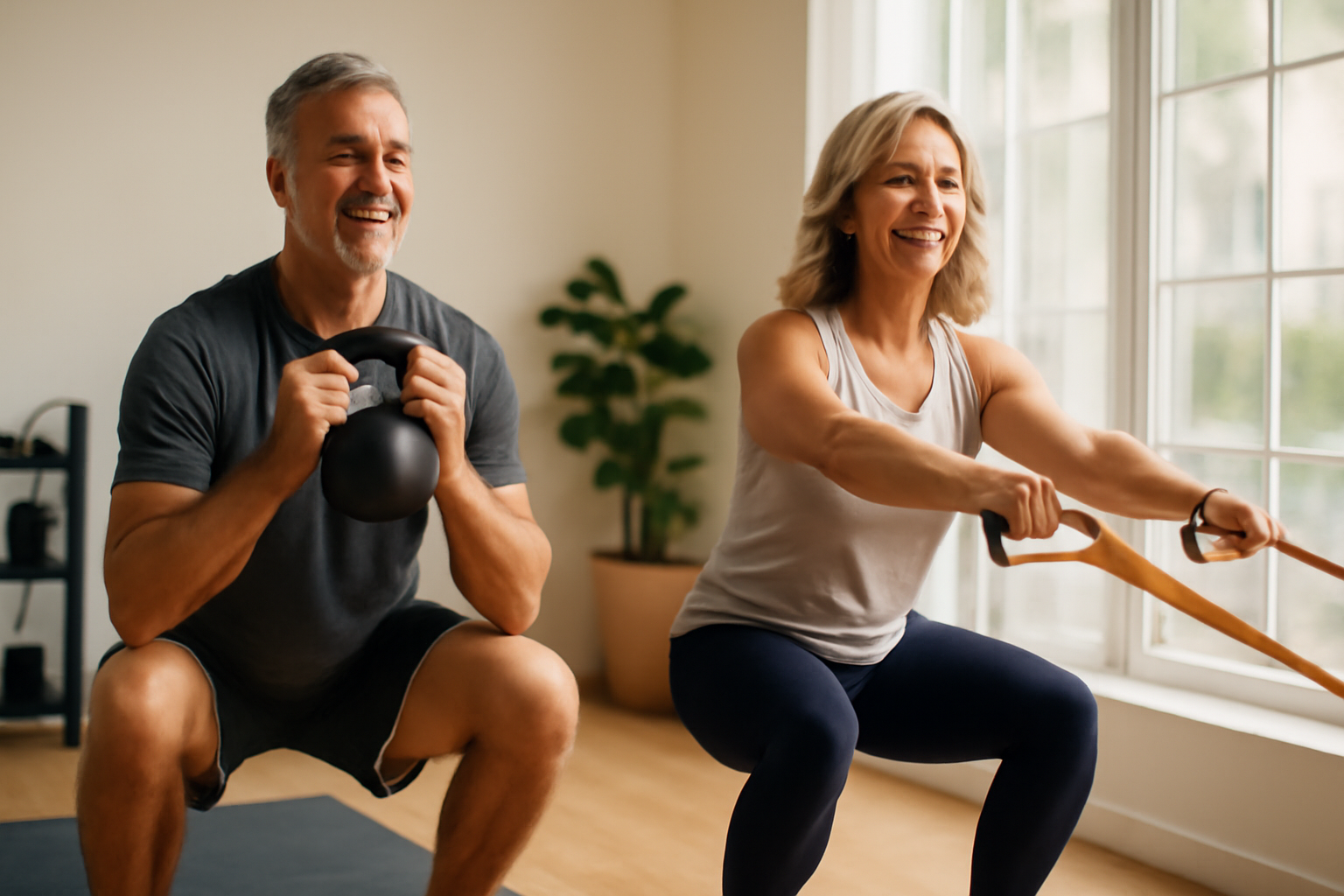
    Exercise for Weight Management After 40: Complete Guide

    Exercise for Weight Management After 40: Complete Guide

    Why the rules of weight management change after 40 — and how the right exercise strategy can help you stay lean, strong, and metabolically healthy for decades.

    Mark was 44 years old, working out four days a week, eating roughly the same as he always had — and still watching the number on the scale creep steadily upward. “I’m doing everything I used to do,” he told his doctor. “Why isn’t it working anymore?”

    If that story sounds familiar, you’re not alone. According to the National Institutes of Health (NIH), most adults gain an average of one to two pounds per year between ages 35 and 55 — even without significant changes in diet or activity levels. By the time many people reach their late 40s or early 50s, they’ve accumulated 15 to 30 extra pounds almost invisibly.

    The reason isn’t willpower. It’s biology — specifically the way metabolism, muscle mass, hormones, and fat distribution shift as you age. The good news is that exercise remains one of the most powerful tools for managing your weight after 40. But the approach needs to evolve. This guide breaks down exactly what changes, what the clinical evidence says about exercise for weight management after 40, and how to build a sustainable fitness strategy that actually works at this stage of life.

    Why Weight Management Gets Harder After 40

    Before diving into solutions, it helps to understand the physiology behind the problem. Several well-documented biological shifts converge around your 40s to make maintaining a healthy weight more challenging than it was at 25.

    Muscle loss (sarcopenia) is perhaps the biggest culprit. Research published by the American College of Sports Medicine indicates that adults begin losing roughly 3 to 8 percent of their muscle mass per decade after age 30, with the rate accelerating after 60. Since muscle tissue is metabolically active — meaning it burns calories even at rest — this loss progressively slows your resting metabolic rate (RMR), which is the number of calories your body needs just to function.

    Hormonal shifts compound the issue. In women, declining estrogen levels during perimenopause and menopause are directly associated with increased abdominal fat accumulation, according to research from the Mayo Clinic. In men, gradual testosterone decline — sometimes called andropause — is linked to decreased muscle mass and increased visceral fat (the deep belly fat that wraps around internal organs).

    Insulin sensitivity also tends to decrease with age, making it easier for the body to store calories as fat and harder to mobilize stored fat for energy. The CDC notes that adults over 45 face significantly higher risk for prediabetes and type 2 diabetes — two conditions closely tied to metabolic changes that affect weight.

    The bottom line: your body is playing by different rules now. Your exercise strategy needs to match.

    Signs That Your Current Routine Isn’t Working

    Recognizing the signs that your fitness approach needs updating is the first step toward course-correcting. These are the most common indicators that your current routine may not be optimized for weight management after 40:

    • Plateau despite consistent effort: You’re exercising regularly but weight has stalled or is creeping up despite no change in eating habits.
    • Changing body composition: The scale may not move dramatically, but clothes fit differently — more weight around the midsection, less muscle definition in the arms and legs.
    • Fatigue without recovery: You feel chronically tired, even after rest days. This can signal overtraining or inadequate muscle-building stimulus.
    • Doing mostly cardio: If your routine is primarily aerobic exercise with little or no resistance training, you may be missing the most metabolically important component for this age group.
    • Joint pain discouraging movement: Discomfort can subtly reduce the intensity and duration of workouts, decreasing caloric burn over time.
    • Poor sleep affecting recovery: Sleep disruption — common after 40 — impairs the hormones that regulate hunger (ghrelin and leptin) and slows muscle repair.

    A 2022 analysis published in the journal Obesity Reviews found that adults who relied exclusively on aerobic exercise for weight management — without resistance training — were significantly more likely to experience muscle loss alongside fat loss, making long-term weight maintenance harder. This is a critical clinical finding worth discussing with your healthcare provider.

    The Most Effective Types of Exercise for Weight Management After 40

    Clinical evidence strongly supports a multi-modal exercise approach — meaning combining different types of movement — for weight management in adults over 40. Here’s what the research shows works best:

    1. Resistance Training (The Cornerstone)

    If you only add one thing to your routine after 40, make it resistance training. Lifting weights, using resistance bands, or performing bodyweight exercises builds and preserves lean muscle mass — which directly counteracts the metabolic slowdown that comes with age.

    A landmark study from Harvard School of Public Health followed 10,500 men over 12 years and found that those who added 20 minutes of daily weight training to their routine gained less abdominal fat than those who spent the same amount of time on aerobic exercise. The American College of Sports Medicine recommends resistance training at least two to three days per week for adults aiming to manage weight and preserve metabolic health.

    You don’t need heavy weights or a gym membership to start. Bodyweight squats, lunges, push-ups, rows with resistance bands, and hip bridges are all highly effective and joint-friendly options — especially if you’re new to strength work or managing discomfort. For a deeper look at building functional strength, see our guide on Functional Fitness After 40: Move Better, Live Stronger.

    2. Moderate-Intensity Aerobic Exercise

    Cardiovascular exercise remains important — but the key after 40 is sustainability over intensity. The CDC recommends at least 150 minutes per week of moderate-intensity aerobic activity for adults, which translates to about 30 minutes on five days per week. This could mean brisk walking, cycling, swimming, elliptical training, or dancing.

    Moderate-intensity cardio improves insulin sensitivity, supports cardiovascular health, burns calories, and helps manage stress hormones like cortisol — all of which influence weight. Research from the NIH’s National Institute on Aging also confirms that regular aerobic activity helps preserve mitochondrial function in muscle cells, which plays a role in metabolic efficiency as you age.

    3. Interval Training (Used Strategically)

    High-intensity interval training (HIIT) — alternating between bursts of higher effort and recovery periods — has solid evidence behind it for fat loss and metabolic improvement. A 2019 meta-analysis in the British Journal of Sports Medicine found that HIIT produced significantly greater reductions in total body fat, abdominal fat, and waist circumference compared to moderate-intensity continuous exercise.

    However, for adults over 40, the frequency and intensity of interval work should be monitored carefully. Most exercise physiologists recommend no more than two HIIT-style sessions per week for this age group, with adequate recovery between sessions. Joint health, recovery capacity, and cardiovascular baseline all factor into what’s appropriate for you individually — always check with your doctor before starting high-intensity training.

    4. Non-Exercise Physical Activity (NEAT)

    Non-exercise activity thermogenesis — the calories burned through everyday movement outside of formal workouts — is often underestimated as a weight management tool. Research suggests that NEAT can account for 15 to 50 percent of total daily caloric expenditure depending on lifestyle.

    After 40, when recovery from intense exercise may take longer, maximizing NEAT becomes especially valuable. Simple strategies include taking the stairs, walking during phone calls, standing more throughout the workday, and adding a 10-minute walk after meals (which research also links to improved post-meal blood sugar control).

    Building a Weekly Exercise Plan for Weight Management

    The most effective exercise plans for weight management after 40 combine resistance training, aerobic work, and intentional recovery. Here’s a research-informed framework to consider discussing with your healthcare provider or a certified fitness professional:

    • Monday: Full-body resistance training (45-60 min) — squats, deadlifts or hip hinges, pushing and pulling movements, core work
    • Tuesday: Moderate cardio (30-40 min) — brisk walking, cycling, swimming
    • Wednesday: Active recovery — light stretching, yoga, gentle walking (30 min)
    • Thursday: Resistance training, upper body emphasis (45-60 min)
    • Friday: Interval training or moderate cardio (25-35 min)
    • Saturday: Resistance training, lower body emphasis or full body (45 min)
    • Sunday: Full rest or gentle movement (walking, stretching)

    This structure provides two to three resistance sessions per week, adequate cardiovascular stimulus, and built-in recovery — all of which are aligned with current guidelines from the American College of Sports Medicine and the U.S. Department of Health and Human Services.

    Remember: the best plan is the one you’ll actually do consistently. Starting with two days of resistance training and two days of moderate cardio per week is perfectly valid if that’s what fits your schedule and current fitness level. Consistency over months matters far more than perfection in a single week.

    The Role of Nutrition in Exercise-Based Weight Management

    Exercise and nutrition are inseparable when it comes to weight management — especially after 40. The physiological changes of aging affect not just how you should move, but how you should fuel your body before and after exercise.

    Protein is the most critical nutrient for this age group. As muscle protein synthesis (the body’s ability to build muscle in response to exercise) naturally declines with age, research suggests that adults over 40 need more dietary protein — not less — to maintain and build lean mass. A 2020 position statement from the Academy of Nutrition and Dietetics recommends 1.2 to 1.6 grams of protein per kilogram of body weight per day for older active adults, compared to the standard RDA of 0.8 g/kg for sedentary adults.

    This means a 170-pound (77 kg) active adult over 40 may benefit from roughly 92 to 123 grams of protein daily. High-quality sources include chicken, fish, eggs, Greek yogurt, legumes, tofu, and cottage cheese. For a comprehensive look at fueling exercise properly, our article on Exercise Nutrition After 40: Fuel Your Workouts Right provides detailed practical guidance.

    Caloric restriction paired with exercise tends to produce better long-term outcomes than either approach alone — but extreme calorie restriction is counterproductive, especially for muscle preservation. Research from the NIH suggests that adults over 40 doing resistance training should avoid cutting calories below 1,400-1,600 per day (for women) or 1,600-1,800 per day (for men) to protect muscle mass. These ranges vary significantly by individual — work with a registered dietitian for personalized guidance.

    Chronic inflammation also affects metabolic health and weight regulation. An anti-inflammatory eating pattern — emphasizing whole foods, colorful vegetables, healthy fats, and limiting ultra-processed foods — complements an active lifestyle well. Learn more in our Anti-Inflammatory Diet After 40: Complete Nutrition Guide.

    Sleep, Stress, and Weight: The Overlooked Factors

    No weight management strategy after 40 is complete without addressing sleep and stress — two factors that profoundly affect body weight through hormonal pathways.

    Research from the CDC and multiple academic institutions shows that sleeping fewer than seven hours per night is independently associated with increased body weight, higher BMI, and greater abdominal fat accumulation in adults. Poor sleep elevates ghrelin (the hunger hormone) and suppresses leptin (the satiety hormone), driving increased appetite — particularly for high-calorie foods.

    Chronic stress elevates cortisol levels, which research links to increased visceral fat storage, impaired glucose regulation, and reduced motivation to exercise. Cleveland Clinic data suggests that elevated cortisol may also increase cravings for calorie-dense comfort foods, creating a challenging cycle.

    Practical strategies for both: aim for 7 to 9 hours of quality sleep per night, maintain consistent sleep and wake times, limit screen exposure before bed, and incorporate stress-reduction practices like deep breathing, mindfulness, or light yoga into your weekly routine. Exercise itself is one of the most evidence-based stress reducers available — one more reason it’s central to a weight management strategy.

    When to Talk to Your Doctor About Weight and Exercise

    Most healthy adults over 40 can begin a moderate exercise program safely — but there are situations where medical clearance is important before significantly increasing exercise intensity or volume.

    Schedule a conversation with your doctor if you:

    • Have been sedentary for six months or more and plan to start vigorous activity
    • Have a diagnosed heart condition, high blood pressure, or diabetes
    • Experience chest pain, shortness of breath, or dizziness during physical activity
    • Have significant joint pain that limits your ability to exercise
    • Are experiencing unexplained weight gain despite regular exercise and a consistent diet
    • Have a family history of sudden cardiac events

    Seek emergency care immediately if during exercise you experience:

    • Chest pain, pressure, or tightness
    • Sudden severe shortness of breath not explained by exertion
    • Pain radiating to your jaw, left arm, or back
    • Fainting or near-fainting
    • Heart palpitations that feel irregular or prolonged

    At your next routine appointment, consider asking your doctor about your current metabolic health markers — including fasting glucose, HbA1c, lipid panel, and body composition if available. These can help you and your provider identify whether biological factors like insulin resistance or hormonal changes are affecting your weight management efforts.

    Frequently Asked Questions

    How many times a week should I exercise to lose weight after 40?

    Most evidence supports four to five days of intentional exercise per week for weight management — combining two to three resistance training sessions with two to three aerobic sessions. That said, even three days per week of consistent, well-structured exercise produces meaningful metabolic benefits. Quality and consistency matter more than hitting a specific number. Individual variation is significant, so working with a fitness professional can help you find the right frequency for your body and schedule.

    Is cardio or strength training better for weight loss after 40?

    Clinical evidence increasingly supports strength training as the more critical element for long-term weight management after 40 — primarily because it preserves and builds lean muscle mass, which sustains metabolic rate as you age. However, cardio provides important cardiovascular, hormonal, and calorie-burning benefits. The research-backed answer: both, combined. Most exercise physiologists recommend prioritizing resistance training if you can only do one, while building in aerobic activity as recovery and cardiovascular health permits.

    Why am I gaining weight even though I exercise regularly?

    Several factors could explain this. Muscle gain from resistance training can initially offset fat loss on the scale — a positive change in body composition even if weight holds steady. Hormonal shifts (particularly around menopause or andropause), sleep disruption, elevated cortisol, or changes in insulin sensitivity may also contribute. Tracking body composition (waist circumference, how clothes fit, muscle definition) rather than scale weight alone often gives a more accurate picture. If unexplained weight gain persists, discuss it with your doctor to rule out thyroid dysfunction, medication side effects, or other medical contributors.

    What exercises are safe for weight management if I have joint pain?

    Low-impact options like swimming, water aerobics, cycling, elliptical training, and resistance training with controlled movements are generally well-tolerated by adults managing joint discomfort. Resistance training — even light weights with higher repetitions — can actually improve joint stability over time by strengthening the muscles that support the joint. Always get joint pain evaluated by a healthcare provider before beginning a new exercise routine. Our resource on Low-Impact Exercise After 40: The Complete Guide offers detailed options.

    How long does it take to see results from exercise after 40?

    This varies from person to person, but research suggests that most adults begin noticing measurable improvements in body composition, energy levels, and metabolic markers within eight to twelve weeks of consistent training. Visible changes in body composition may take three to six months with a combined exercise and nutrition approach. The rate of change tends to be more gradual after 40 than in younger years — which is entirely normal. Setting realistic, process-focused goals (showing up consistently, sleeping well, eating enough protein) tends to produce better long-term outcomes than fixating on speed.

    The Bottom Line

    Weight management after 40 is genuinely more complex than it was in your 20s — but it’s far from impossible. The biology has shifted, and the strategy needs to shift with it. That means prioritizing resistance training to preserve muscle and metabolic rate, combining it with sustainable cardiovascular activity, fueling your body with adequate protein, protecting your sleep, and managing chronic stress as part of your health plan.

    Small, consistent steps compound dramatically over months and years. You don’t need to overhaul everything at once. Starting with two resistance training sessions and two walks per week is a legitimate, evidence-based beginning. What matters most is that you start — and that you do it in partnership with healthcare providers who can help tailor the approach to your unique health history, medications, and goals.

    Your body is capable of remarkable adaptation at every age. The right exercise strategy, applied consistently, remains one of the most powerful investments you can make in your long-term health and quality of life.


    Medical Disclaimer: This article is for informational and educational purposes only. It does not constitute medical advice, diagnosis, or treatment. Always consult your physician or a qualified healthcare provider before making changes to your health routine or treatment plan.

    Medically reviewed by our editorial health team. Content follows evidence-based standards aligned with CDC and NIH guidelines.

  • Functional Fitness After 40: Move Better, Live Stronger

    Functional Fitness After 40: Move Better, Live Stronger

    The exercises your body actually needs for real-life strength, mobility, and independence as you age.

    When Marcus turned 52, he noticed something unsettling: getting up from the floor after playing with his grandkids had become a genuine struggle. He wasn’t in pain. He hadn’t stopped exercising. But somewhere along the way, his workouts had stopped preparing him for the movements that actually mattered in daily life.

    Marcus’s experience is far from unusual. According to the CDC, adults over 50 experience a measurable decline in functional capacity — the physical ability to perform everyday tasks independently — when exercise programs don’t address real-world movement patterns. And yet, most gym routines are built around isolated muscle groups, not the integrated, multi-joint movements your body uses to carry groceries, climb stairs, or get off the ground.

    That’s where functional fitness comes in. This approach to exercise focuses on training your body to handle the movements of everyday life more safely and efficiently. In this guide, you’ll learn what functional fitness is, why it becomes especially important after 40, and how to build a practical, evidence-based program that keeps you strong, mobile, and independent for decades to come.

    What Is Functional Fitness?

    Functional fitness refers to exercise that trains your body for real-life movement patterns — pushing, pulling, squatting, hinging, rotating, and carrying — rather than isolating individual muscles in artificial positions.

    Unlike traditional machine-based gym workouts that move your body through a fixed plane, functional training challenges multiple muscle groups simultaneously, mirrors the biomechanics of daily activities, and builds the kind of strength and coordination you actually use when you reach overhead, bend down, or brace yourself against a fall.

    The concept gained traction in physical therapy and sports medicine before moving into mainstream fitness. Today, the American College of Sports Medicine (ACSM) recognizes functional fitness as a core component of healthy aging and fall prevention programs.

    According to the National Institutes of Health, functional fitness training has been shown to improve physical performance scores, reduce fall risk, and increase independence in adults over 50. Research published in journals reviewed by NIH indicates that just 8 to 12 weeks of functional training can produce meaningful improvements in balance, strength, and mobility in older adults.

    Why does this matter after 40 specifically? Because that’s when age-related muscle loss — called sarcopenia — begins to accelerate. The Mayo Clinic notes that adults can lose 3 to 5 percent of muscle mass per decade after 30, with the rate increasing after 50. Without targeted training, this loss affects not just how you look, but how you move through your life.

    Signs You Need More Functional Training

    Functional decline often shows up gradually, which makes it easy to dismiss. Here are some early and more advanced signs that your body may benefit from a functional fitness focus:

    Early signs:

    • Difficulty getting up from a low chair or the floor without using your hands
    • Feeling unsteady when carrying objects or navigating uneven terrain
    • Stiffness after sitting for extended periods
    • Reduced grip strength (struggling to open jars, carry bags)
    • Fatigue from tasks that used to feel effortless

    More advanced signs:

    • Needing to hold onto rails for routine stair climbing
    • Avoiding physical activities due to fear of falling
    • Persistent lower back discomfort with basic movements
    • Noticeably slower walking speed
    • Difficulty reaching overhead or twisting to back up your car

    A 2023 clinical review cited by the NIH found that slower gait speed and reduced sit-to-stand performance are among the most reliable early predictors of functional decline in adults aged 40 to 65. These are measurable, trainable qualities — which means they respond well to the right exercise approach.

    If you’re experiencing any of the advanced signs above, especially falls or severe balance issues, it’s worth discussing them with your physician before beginning a new program. For most of the early signs, a structured functional fitness routine is exactly the kind of intervention clinical evidence supports.

    The Core Movement Patterns of Functional Fitness

    Functional fitness is built around six foundational movement patterns. Every exercise you’ll ever need fits into at least one of these categories:

    1. Squat — sitting down and standing up, getting in and out of a car, picking something off a low shelf. Exercises: bodyweight squat, goblet squat, box squat.

    2. Hinge — bending at the hips to pick something up from the floor. This is the movement most people perform incorrectly, leading to back injury. Exercises: Romanian deadlift, kettlebell deadlift, hip hinge drill.

    3. Push — pushing a door open, rising from the floor, overhead reaches. Exercises: wall push-up, incline push-up, dumbbell press.

    4. Pull — opening heavy doors, pulling yourself up, carrying bags. Exercises: resistance band row, dumbbell row, assisted pull-up.

    5. Carry — transporting groceries, luggage, or any load while walking. Exercises: farmer’s carry, suitcase carry, waiter’s carry.

    6. Rotate and brace — turning to look behind you, twisting to reach, stabilizing your spine under load. Exercises: Pallof press, woodchop, dead bug.

    Research from Johns Hopkins Medicine emphasizes that training these patterns with light-to-moderate resistance, proper form, and progressive overload is more beneficial for adults over 40 than either high-intensity isolated exercises or no resistance training at all. This is not about becoming an athlete — it’s about becoming a capable, confident version of yourself.

    How to Build Your Functional Fitness Program

    Building an effective functional fitness routine after 40 doesn’t require a gym membership or expensive equipment. What it does require is consistency, smart progression, and attention to form.

    Frequency: The ACSM recommends that adults perform muscle-strengthening activities at least 2 days per week. For functional fitness specifically, 2 to 3 sessions per week allows adequate stimulus and recovery — especially important as recovery time increases with age. You can read more about why rest is a critical part of the equation in our guide to Recovery Days After 40: Why Rest Makes You Fitter.

    Session structure:

    • Warm-up (5-10 minutes): Dynamic mobility — leg swings, hip circles, thoracic rotations, arm circles. Avoid static stretching before training.
    • Main work (25-35 minutes): 3-4 exercises covering 2-3 movement patterns. Perform 2-3 sets of 8-12 reps each.
    • Cool-down (5-10 minutes): Gentle stretching and breathing. This is the time for static holds.

    Sample beginner session:

    • Goblet squat — 3 sets of 10 reps
    • Resistance band row — 3 sets of 12 reps
    • Hip hinge with dowel rod — 3 sets of 10 reps
    • Farmer’s carry — 3 lengths of 20 feet
    • Dead bug — 3 sets of 8 reps per side

    Progression: Research suggests adding difficulty every 2 to 4 weeks by increasing resistance, adding reps, reducing rest time, or introducing single-limb variations (such as a single-leg Romanian deadlift). This principle — called progressive overload — is what drives continued adaptation.

    If balance is a concern for you, pairing your functional training with dedicated balance work is highly recommended. Our guide to Balance Training After 40: Prevent Falls and Build Stability covers complementary drills that work well alongside functional fitness sessions.

    For those who prefer lower-impact options — particularly if you’re managing joint pain or are newer to exercise — many functional patterns can be modified significantly. See our Low-Impact Exercise After 40: The Complete Guide for exercise variations that reduce joint stress while preserving the functional benefit.

    Nutrition and Recovery: Supporting Your Functional Gains

    Exercise alone is only part of the equation. Clinical evidence consistently shows that nutritional support and adequate recovery are what allow the adaptations from training to actually take hold — especially after 40.

    Protein intake: The American College of Sports Medicine and the Academy of Nutrition and Dietetics jointly recommend that active adults over 40 aim for 1.2 to 1.6 grams of protein per kilogram of body weight daily to support muscle maintenance and repair. For a 160-pound adult, that’s roughly 87 to 116 grams per day. Distributing protein across meals — rather than concentrating it in one — appears to optimize muscle protein synthesis, according to NIH-reviewed research.

    Sleep: Growth hormone — which drives muscle repair and metabolic recovery — is primarily released during deep sleep. The CDC recommends that adults get 7 to 9 hours of sleep per night. Chronic sleep restriction below 6 hours has been associated with accelerated muscle loss and impaired physical performance in middle-aged adults.

    Hydration: Connective tissue, including tendons and cartilage, requires adequate hydration to function optimally. Dehydration as mild as 2 percent of body weight can impair strength output and increase injury risk, according to research reviewed by the Mayo Clinic.

    Anti-inflammatory eating: While no single food cures inflammation, diets rich in vegetables, fatty fish, nuts, and whole grains have been associated in multiple large cohort studies with reduced markers of systemic inflammation — which may support both joint health and muscle recovery in older adults.

    Living With Functional Fitness: Long-Term Strategies

    The most important thing about functional fitness is that it’s not a phase — it’s a lifelong practice. Here’s how to make it sustainable:

    Train for your life, not a program. Think about the physical demands of your daily routine and prioritize movements that directly address them. If your job involves sitting for hours, hip mobility and posterior chain strength should be central. If you’re a gardener, rotational strength and ground-to-stand work matter most.

    Track what matters. Instead of tracking only weight lifted, consider logging functional markers: how easily you can get up from the floor, your walking speed over a fixed distance, or your grip strength. These are clinically meaningful outcomes.

    Work with a qualified professional. A physical therapist or certified personal trainer with experience in older adult fitness can assess your movement patterns and identify compensations or weaknesses that generic programs miss. This is particularly valuable if you’re managing a chronic condition or recovering from injury.

    Embrace variety without losing the fundamentals. Yoga, tai chi, Pilates, and swimming all contain elements of functional fitness. Rotating formats can keep motivation high while reinforcing the core movement patterns that matter most. The core principle of functional movement can even be explored further through our guide to Mind-Body Exercise After 40: Yoga, Tai Chi and More.

    When to Call Your Doctor: Red Flags to Know

    Functional fitness is safe for the vast majority of adults over 40, but certain symptoms during or after exercise warrant prompt medical attention:

    Contact your doctor before starting if you have:

    • Uncontrolled high blood pressure or a recent cardiac event
    • Severe osteoporosis or a recent fracture
    • A recent surgery or joint replacement
    • Dizziness or unexplained chest discomfort at rest

    Seek emergency care immediately for:

    • Chest pain, pressure, or tightness during exercise
    • Sudden severe shortness of breath unrelated to exertion level
    • Severe dizziness, fainting, or loss of consciousness
    • Sudden sharp pain in a joint or muscle that doesn’t subside
    • One-sided weakness or facial drooping (potential stroke symptoms)

    Mention at your next appointment:

    • Persistent joint pain that worsens with activity
    • Unusual fatigue that doesn’t improve with rest
    • New or worsening balance problems
    • Any fall, even without injury

    The American Heart Association recommends that adults over 40 with no known conditions can generally begin moderate-intensity functional exercise without a prior medical evaluation — but those with existing chronic conditions should always check in with their healthcare provider first.

    Frequently Asked Questions

    Is functional fitness the same as physical therapy?
    Not exactly, though there is significant overlap. Physical therapy is a licensed medical intervention designed to treat injury or dysfunction under professional supervision. Functional fitness is a training philosophy that borrows many principles from physical therapy to build strength and movement quality in generally healthy individuals. Some people benefit from both.

    Can I do functional fitness if I have arthritis?
    Research suggests yes — in most cases. The Arthritis Foundation and the CDC both endorse low-to-moderate resistance training as beneficial for arthritis management, noting that it can reduce pain and improve joint function over time. The key is using appropriate loads, avoiding high-impact variations during flares, and working with a provider to identify safe modifications.

    How is functional fitness different from strength training?
    Strength training focuses on building muscular strength and hypertrophy (muscle size), often using isolation exercises. Functional fitness uses strength as a tool to improve movement quality and real-world performance. Many functional fitness exercises are strength exercises — but the goal and exercise selection differ. They work best together.

    How long before I notice results?
    This varies from person to person, but most people report feeling more capable in daily tasks within 4 to 6 weeks of consistent functional training. Objective improvements in balance, strength, and mobility are typically measurable within 8 to 12 weeks, according to NIH-reviewed studies on functional training in midlife adults.

    Do I need equipment for functional fitness?
    No. Many of the most effective functional exercises — bodyweight squats, hip hinges, push-ups, planks — require no equipment. Adding resistance bands, dumbbells, or a kettlebell can accelerate progress, but the movement patterns themselves can be trained at any fitness level with no gear at all.

    Conclusion

    Functional fitness is one of the most practical investments you can make in your long-term health after 40. It’s not about lifting the heaviest weights or training the hardest — it’s about moving well, moving safely, and staying capable for the life you want to live.

    The clinical evidence is clear: training the movement patterns your body actually uses every day reduces fall risk, supports muscle mass, improves balance, and enhances your quality of life in ways that isolated gym machines simply can’t replicate.

    Start where you are. Use the progressions that fit your current level. And remember that even modest, consistent functional training — two sessions per week over the long term — can make a profound difference in how you feel, move, and live as you age.

    Your body is built to move. Functional fitness is how you keep it that way.


    This article is for informational and educational purposes only. It does not constitute medical advice, diagnosis, or treatment. Always consult your physician or a qualified healthcare provider before making changes to your health routine or treatment plan.

    Medically reviewed by our editorial health team. Content follows evidence-based standards aligned with CDC and NIH guidelines.

  • Low-Impact Exercise After 40: The Complete Guide

    Low-Impact Exercise After 40: The Complete Guide

    Your joints deserve a smarter workout — and so does your long-term health.

    Mark, 52, had spent years believing that exercise meant punishment — burning lungs, aching knees, and the kind of soreness that kept him on the couch for three days after every gym session. When his doctor suggested low-impact exercise after a knee injury, he was skeptical. Six months later, he’d lost 18 pounds, his blood pressure had dropped, and he was moving better than he had in his 30s.

    Mark’s story isn’t unusual. According to the CDC, nearly 54 million American adults live with some form of arthritis, and millions more manage joint pain, chronic back issues, or post-surgical recovery — conditions that make high-impact workouts feel impossible or even dangerous. Yet physical inactivity remains one of the leading preventable causes of chronic disease in the United States.

    The good news: low-impact exercise delivers powerful, evidence-backed health benefits — including improved cardiovascular fitness, stronger muscles, better bone density, and sharper mental health — without hammering your joints. This guide breaks down everything you need to know about low-impact exercise after 40, from the science behind it to practical routines you can start this week.

    What Is Low-Impact Exercise?

    Low-impact exercise refers to any physical activity in which at least one foot — or another body part — maintains contact with the ground or a supportive surface at all times, significantly reducing the forces transmitted through your joints during movement. Unlike high-impact activities such as running or jumping, low-impact workouts minimize ground reaction force, which is the pressure your body absorbs with each step or landing.

    This distinction matters enormously as we age. Research published by the NIH confirms that musculoskeletal injuries — particularly to knees, hips, and ankles — become increasingly common after age 40, partly because cartilage naturally thins and tendons lose some elasticity over time. Low-impact movement works with your body’s changing physiology rather than against it.

    Common low-impact exercises include:

    • Walking (brisk or moderate pace)
    • Swimming and water aerobics
    • Cycling (stationary or outdoor)
    • Elliptical machine training
    • Yoga and tai chi
    • Pilates
    • Rowing (machine or on water)
    • Dance fitness (low-impact formats)

    Crucially, "low-impact" does not mean "low-intensity." Research suggests you can achieve the same cardiovascular and muscular benefits as high-impact training while dramatically reducing injury risk — making this approach ideal for adults over 40, especially those managing joint conditions, excess weight, or recovering from injury.

    Why Low-Impact Exercise Matters More After 40

    By the time most adults reach their 40s, several physiological changes are already underway that make joint-friendly exercise not just beneficial but strategically important.

    According to the American College of Sports Medicine (ACSM), adults begin losing approximately 3 to 5 percent of muscle mass per decade after age 30 — a process called sarcopenia. Without consistent resistance-based movement, this accelerates significantly after 40. Simultaneously, bone density begins declining, increasing fracture risk, particularly in women approaching menopause.

    The CDC reports that adults aged 45 to 64 experience the highest rates of activity-related musculoskeletal injuries among working-age adults. High-impact training can exacerbate these risks, particularly for those who are deconditioned or returning to exercise after a long break.

    Low-impact exercise addresses all of these challenges simultaneously:

    • Cardiovascular health: Sustained, moderate-intensity low-impact cardio strengthens the heart and improves VO2 max — your body’s capacity to use oxygen efficiently — with comparable results to running, per research from the Mayo Clinic.
    • Muscle preservation: Water-based resistance training and Pilates have been shown in clinical studies to effectively maintain and even build lean muscle mass in adults over 40.
    • Joint protection: Aquatic exercise, in particular, reduces compressive load on weight-bearing joints by up to 90 percent, according to findings published in the Arthritis Foundation’s clinical guidelines.
    • Mental health benefits: A 2024 meta-analysis from the NIH confirmed that low-impact aerobic exercise significantly reduces symptoms of anxiety and depression in adults aged 40 to 70, with effects comparable to pharmaceutical interventions in mild-to-moderate cases.

    This varies from person to person, of course — individual fitness levels, existing conditions, and goals all influence which type of low-impact training is most appropriate for you.

    Signs You Should Prioritize Low-Impact Exercise

    Not everyone over 40 needs to avoid high-impact workouts entirely. However, clinical evidence indicates that low-impact training should be your primary — or sole — mode of exercise if you experience any of the following:

    • Early signs (consider transitioning to low-impact):
      • Persistent joint pain lasting more than 48 hours after exercise
      • Knee or hip stiffness in the morning lasting longer than 30 minutes
      • Recurring shin splints or stress reactions in the feet or legs
      • Recent weight gain that increases load on lower-body joints
      • General deconditioning after a period of inactivity (6 months or more)
    • Stronger indicators (low-impact strongly recommended):
      • Diagnosed osteoarthritis, rheumatoid arthritis, or osteoporosis
      • History of joint replacement (hip, knee, shoulder)
      • Chronic lower back pain or herniated discs
      • Cardiovascular conditions requiring supervised exercise programs
      • Post-surgical recovery (with physician clearance)

    A study from Johns Hopkins Medicine found that adults with knee osteoarthritis who switched from running to aquatic or cycling-based cardio reported a 62 percent reduction in exercise-related pain while maintaining equivalent fitness improvements over 12 weeks.

    The Best Low-Impact Exercises After 40: What the Evidence Says

    Not all low-impact options are created equal. Here’s a clinically informed breakdown of the most effective choices for adults over 40, organized by health benefit.

    For Heart Health: Walking and Cycling

    Brisk walking remains one of the most evidence-supported exercises for cardiovascular health at any age. The American Heart Association recommends at least 150 minutes of moderate-intensity aerobic activity per week — and brisk walking qualifies fully. A landmark study published in the New England Journal of Medicine found that walking reduced the risk of cardiovascular events by 30 percent in adults over 50, even when compared to more vigorous exercise formats.

    Stationary cycling offers a similarly powerful cardiovascular stimulus with near-zero joint impact. Research from the Cleveland Clinic suggests cycling is particularly effective for adults with knee osteoarthritis, delivering cardiorespiratory benefits while simultaneously strengthening the quadriceps muscles that support and protect the knee joint.

    For Full-Body Strength and Flexibility: Swimming and Water Aerobics

    Aquatic exercise is arguably the most joint-friendly modality available. Water provides natural resistance in all directions, meaning every stroke or movement challenges your muscles — while buoyancy eliminates up to 90 percent of the gravitational load on your joints.

    Clinical evidence from the Arthritis Foundation indicates that adults with arthritis who participated in aquatic exercise programs three times per week showed significant improvements in pain levels, joint function, and mood within eight weeks. Swimming, in particular, works virtually every major muscle group simultaneously, making it one of the most efficient full-body workouts available for older adults.

    For Core Strength and Posture: Pilates and Yoga

    Pilates, developed originally for rehabilitation, focuses on controlled, precise movements that strengthen the deep stabilizing muscles of the core, spine, and hips — areas that are critically important for posture, balance, and injury prevention after 40. Research published by the NIH confirms that 12 weeks of Pilates training significantly reduced chronic lower back pain and improved functional mobility in adults aged 45 to 65.

    Yoga — particularly gentle, restorative, or Hatha formats — complements low-impact fitness by improving flexibility, balance, and the mind-body connection. Studies from Harvard Health suggest that consistent yoga practice is associated with reduced cortisol levels, better sleep quality, and improved blood pressure control in middle-aged adults.

    If you’re already incorporating flexibility work into your routine, you may find our guide on Flexibility & Mobility Training: The Complete Guide for Adults Over 40 a valuable complement to the low-impact approach outlined here.

    For Calorie Burn and Endurance: Elliptical Training and Rowing

    The elliptical machine mimics the movement pattern of running without the repetitive impact — making it an excellent option for adults who love the feel of cardio but need to protect their knees and hips. Studies from the American Council on Exercise (ACE) have shown that elliptical training elevates heart rate to levels comparable to jogging while reducing joint stress by approximately 75 percent.

    Rowing — whether on a machine or on water — provides an exceptional combination of cardiovascular training and full-body resistance work. Because roughly 60 percent of the rowing stroke is driven by the legs and 40 percent by the upper body and core, it builds balanced muscular strength while keeping impact minimal.

    How to Build Your Low-Impact Routine: A Practical Framework

    Clinical guidelines from the American College of Sports Medicine suggest that adults over 40 aim for the following each week:

    • 150–300 minutes of moderate-intensity aerobic activity (brisk walking, cycling, swimming)
    • 2–3 days of muscle-strengthening activity targeting all major muscle groups
    • 2–3 days of flexibility and mobility work (yoga, stretching, Pilates)
    • Balance training incorporated 2–3 days per week — especially important for fall prevention after 50

    A well-rounded sample weekly schedule might look like this:

    • Monday: 40-minute brisk walk + 15-minute Pilates core session
    • Tuesday: 45-minute aquatic exercise class or swimming
    • Wednesday: Active recovery — gentle yoga or stretching (see our guide on recovery days after 40 for why this step matters)
    • Thursday: 40-minute stationary bike + bodyweight strength circuit
    • Friday: 30-minute elliptical session + balance exercises
    • Saturday: Outdoor walk, recreational cycling, or a gentle yoga class
    • Sunday: Full rest or light stretching

    Most physicians recommend starting conservatively — especially if you’ve been inactive for more than a few months — and gradually increasing duration and intensity over four to six weeks. This approach reduces injury risk and allows your cardiovascular and musculoskeletal systems to adapt safely.

    Maximizing Results: Tips Backed by Clinical Evidence

    Getting the most from low-impact exercise after 40 involves more than just showing up. These evidence-based strategies can significantly amplify your results:

    • Prioritize consistency over intensity: Research from the NIH consistently shows that frequency and regularity of exercise produce greater long-term health outcomes than occasional high-intensity efforts. Aim for movement most days of the week, even if individual sessions are shorter.
    • Add resistance progressively: Low-impact doesn’t mean easy. Water resistance, resistance bands, and bodyweight progressions can all challenge your muscles effectively. Increasing resistance gradually — every two to three weeks — triggers continued muscle adaptation.
    • Don’t neglect balance work: Falls are the leading cause of injury-related death among adults over 65, according to the CDC. Incorporating balance challenges — such as single-leg stands, heel-to-toe walking, or tai chi — into your low-impact routine is critically important. Our article on Balance Training After 40 covers this in depth.
    • Warm up and cool down: Clinical evidence from the American Council on Exercise indicates that a five- to ten-minute dynamic warm-up (gentle movements that gradually increase range of motion) reduces soft-tissue injury risk and improves exercise performance. A similar cool-down period supports recovery and flexibility.
    • Track your perceived exertion: Most physicians recommend exercising at a moderate intensity — roughly a 5 or 6 on a 1-to-10 effort scale — where you can speak in short sentences but couldn’t sing comfortably. This is sometimes called the "talk test."

    When to Call Your Doctor — and What Needs Immediate Attention

    Low-impact exercise is generally safe for most adults, but certain symptoms should prompt a call to your healthcare provider before continuing any fitness program.

    Schedule a visit with your doctor if you experience:

    • Joint pain that worsens progressively despite reducing exercise intensity
    • Swelling in one or both joints that persists for more than 24 hours
    • Unexplained fatigue or weakness that doesn’t resolve with rest
    • Shortness of breath during activities that previously felt manageable
    • Dizziness, lightheadedness, or heart palpitations during or after exercise

    Seek emergency care immediately (call 911) if you experience:

    • Chest pain, tightness, or pressure during or after exercise
    • Sudden severe shortness of breath
    • Loss of consciousness or near-fainting
    • Sudden severe joint or muscle pain following a movement (may indicate acute injury or tear)
    • Sudden severe headache during exercise

    Before starting any new exercise program — particularly if you have a chronic health condition, take prescription medications, or have been inactive for an extended period — the American Heart Association recommends consulting with your physician first. A pre-exercise health evaluation can identify any conditions that require monitoring or modification.

    Frequently Asked Questions

    Q: Can low-impact exercise help me lose weight after 40?
    A: Absolutely. Clinical evidence indicates that consistent moderate-intensity low-impact exercise — particularly when combined with attention to diet — is effective for weight management in adults over 40. Research from the NIH suggests that aerobic exercise like brisk walking or cycling, performed five or more days per week, produces meaningful reductions in visceral fat (the dangerous abdominal fat linked to metabolic disease) even without dramatic dietary changes. The key is consistency over time rather than intensity.

    Q: Is low-impact exercise enough to build muscle, or do I need to lift heavy weights?
    A: Research suggests that low-impact resistance training — including water-based exercise, resistance bands, and bodyweight progressions — can effectively preserve and build lean muscle mass in adults over 40, particularly when performed with sufficient volume and progressive resistance. However, if building significant muscle is a primary goal, your physician or a certified fitness professional may recommend incorporating some form of progressive resistance training alongside your low-impact cardio.

    Q: How long before I see results from low-impact exercise?
    A: Most people begin noticing improvements in energy, mood, and sleep quality within two to four weeks of consistent exercise. Measurable cardiovascular improvements typically appear within six to eight weeks, according to the American College of Sports Medicine. Visible changes in body composition generally take eight to twelve weeks or longer, depending on diet and individual factors. This varies from person to person.

    Q: Is yoga or Pilates enough, or do I also need cardio?
    A: Yoga and Pilates are outstanding for flexibility, core strength, balance, and mental well-being — but most clinical guidelines, including those from the CDC and ACSM, also recommend dedicated cardiovascular exercise for heart health and metabolic benefits. Most physicians recommend combining practices: use yoga or Pilates two to three days per week alongside aerobic activities like walking, swimming, or cycling on other days.

    Q: Can I do low-impact exercise if I have a knee replacement?
    A: Many adults successfully return to regular low-impact exercise following knee replacement surgery, but timing and specific activities must be guided by your orthopedic surgeon and physical therapist. Swimming, cycling, and walking are commonly recommended post-replacement activities — often introduced in a graduated program beginning weeks after surgery. Never start an exercise program post-surgery without explicit physician clearance.

    Conclusion

    Low-impact exercise isn’t a compromise — it’s a strategy. For adults over 40, it represents one of the most scientifically sound, sustainable, and joint-friendly ways to maintain cardiovascular health, preserve muscle mass, support mental well-being, and protect your body for the decades ahead.

    Whether you’re stepping into the pool for the first time, rediscovering the rhythm of a morning walk, or finding your breath on a yoga mat — these movements matter. They add up, day by day, into a healthier, more capable version of you.

    Talk to your doctor before making significant changes to your exercise routine, especially if you have existing health conditions. With the right guidance and a consistent plan, low-impact exercise can be one of the most powerful health investments you make after 40.


    Medical Disclaimer: This article is for informational and educational purposes only. It does not constitute medical advice, diagnosis, or treatment. Always consult your physician or a qualified healthcare provider before making changes to your health routine or treatment plan.

    Medically reviewed by our editorial health team. Content follows evidence-based standards aligned with CDC and NIH guidelines.