Tag: flexibility training

  • Yoga for Fitness After 40: Strength, Flexibility & Calm

    Yoga for Fitness After 40: Strength, Flexibility & Calm

    Yoga isn’t just stretching — for adults over 40, it’s one of the most complete fitness tools available, backed by growing clinical evidence.

    Why Adults Over 40 Are Turning to Yoga — and the Science Behind It

    Consider Michael, a 54-year-old accountant who spent years behind a desk, managing lower back pain and climbing stress levels. His doctor suggested he try yoga as part of a broader wellness plan. Within three months, Michael reported less pain, better sleep, and — surprisingly to him — noticeably more muscle tone.

    His experience isn’t unusual. According to the CDC’s National Health Interview Survey, yoga is now one of the top five most commonly used complementary health approaches among US adults, with participation increasing sharply among people aged 45 to 64 over the past decade.

    For adults in the 30-to-70 age range, yoga offers something that few other fitness disciplines can: a simultaneous focus on strength, flexibility, balance, breathing, and mental health — all in a single session. And unlike high-impact exercise, yoga is remarkably kind to aging joints.

    In this guide, you’ll learn what yoga actually does to your body after 40, which styles are most effective for your goals, how to start safely, and what the research says about its real health benefits. Whether you’ve never set foot on a mat or you’re returning after years away, this is your evidence-based starting point.

    What Is Yoga, Exactly? A Clinical Perspective

    Yoga is a mind-body practice that originated in ancient India and has evolved into dozens of modern styles practiced worldwide. In clinical terms, yoga combines physical postures (asanas), controlled breathing (pranayama), and focused awareness or meditation into structured sessions.

    From a physiological standpoint, yoga engages your musculoskeletal, cardiovascular, nervous, and endocrine systems simultaneously. This makes it genuinely different from isolated fitness activities like weightlifting or jogging, which tend to target fewer systems at once.

    In the United States, the most commonly practiced styles include:

    • Hatha yoga — gentle, foundational postures; ideal for beginners
    • Vinyasa yoga — flowing sequences linked to breath; moderate intensity
    • Iyengar yoga — precision alignment with props; excellent for people with injuries
    • Restorative yoga — deeply passive, supported poses; focused on recovery and stress relief
    • Power yoga — vigorous, fitness-oriented; higher intensity
    • Yin yoga — long-held passive poses targeting connective tissue; great for flexibility

    According to the NIH National Center for Complementary and Integrative Health (NCCIH), approximately 36 million Americans practice yoga, and research on its health benefits has expanded dramatically since 2010, with hundreds of peer-reviewed studies now available.

    Physical Benefits of Yoga After 40: What the Research Shows

    After 40, the body undergoes measurable physiological changes: muscle mass begins to decline at a rate of roughly 3 to 8 percent per decade (a process called sarcopenia), joint cartilage thins, and connective tissue loses elasticity. Yoga addresses several of these changes directly.

    Strength Building

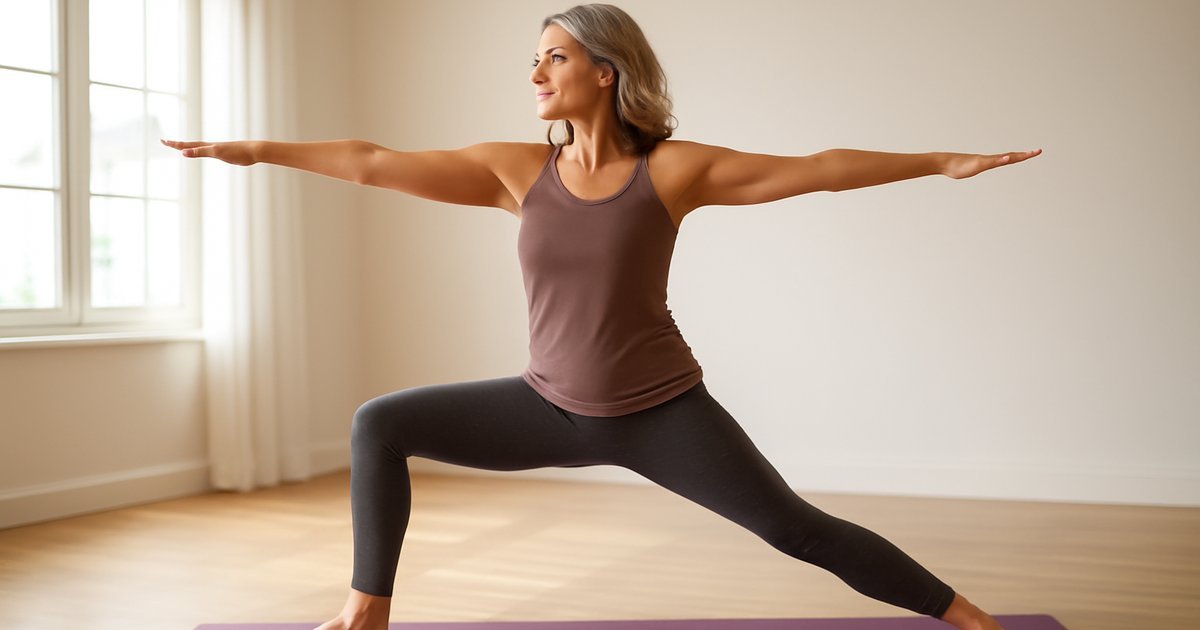
    Many people are surprised to learn that yoga is genuinely effective for building muscular strength. Poses like Warrior II, Chaturanga, Boat Pose, and Chair Pose require you to support your own body weight — a form of resistance training. A 2015 study published in the Journal of Strength and Conditioning Research found that 12 weeks of yoga training significantly improved upper body, lower body, and core strength in previously sedentary adults.

    Flexibility and Mobility

    Clinical evidence consistently shows yoga improves hamstring flexibility, spinal mobility, and hip range of motion — all areas that commonly tighten after 40. A meta-analysis published in the International Journal of Yoga found meaningful improvements in flexibility after just 8 weeks of regular practice.

    Balance and Fall Prevention

    This one matters enormously for adults over 40. The CDC reports that falls are the leading cause of injury among adults over 65, and declining balance is a key contributor. Yoga poses that challenge single-leg stability — like Tree Pose and Warrior III — directly train the proprioceptive system (your body’s sense of its own position in space). Research from the American Journal of Preventive Medicine found that yoga participation was associated with significantly reduced fall risk in older adults.

    Bone Health

    Weight-bearing yoga poses stimulate bone density maintenance. A landmark pilot study conducted at Columbia University found that a specific sequence of 12 yoga poses practiced daily improved bone density in the spine and femur among participants with osteoporosis and osteopenia after two years.

    Cardiovascular Health

    Research suggests yoga can modestly reduce blood pressure, resting heart rate, and LDL cholesterol. A 2019 meta-analysis in the European Journal of Preventive Cardiology involving over 3,000 participants found that yoga was associated with meaningful reductions in systolic blood pressure — comparable in some cases to moderate aerobic exercise.

    Mental Health and Stress Benefits: More Than Relaxation

    The mental health benefits of yoga are among its most clinically documented advantages — and for adults over 40 navigating work pressure, family demands, and the stress of managing health conditions, this matters deeply.

    Yoga activates the parasympathetic nervous system — the branch responsible for the "rest and digest" response — and reduces activity in the hypothalamic-pituitary-adrenal (HPA) axis, which drives the stress hormone cortisol. Research from Harvard Medical School confirms that regular yoga practice measurably reduces cortisol levels and self-reported stress in adults.

    A 2017 systematic review in the journal Frontiers in Human Neuroscience found that yoga produced structural changes in the brain regions associated with attention, self-awareness, and emotional regulation — including the hippocampus and prefrontal cortex.

    Clinically observed mental health benefits of regular yoga practice include:

    • Reduced symptoms of generalized anxiety disorder
    • Improved mood and reduced depressive symptoms
    • Better sleep quality and duration
    • Improved concentration and cognitive clarity
    • Greater emotional resilience under stress

    This varies from person to person, and yoga should not replace prescribed mental health treatment. However, most clinicians now view it as a valuable complementary approach alongside conventional care.

    Getting Started Safely After 40: What Your Doctor Wants You to Know

    Starting yoga after 40 requires a slightly more thoughtful approach than simply showing up to any class. Here’s how to begin safely and set yourself up for lasting results.

    Get Cleared First

    If you have existing conditions — osteoporosis, recent surgery, herniated discs, uncontrolled hypertension, or severe arthritis — consult your physician before beginning. Certain poses may need to be modified or avoided.

    Choose the Right Style for Your Starting Point

    • Complete beginner: Start with Hatha or gentle yoga — slower pace, foundational poses, more instruction
    • Moderate fitness level: Vinyasa or Iyengar yoga — more dynamic but still accessible
    • Managing joint pain or recovering from injury: Restorative or Iyengar with props — highly modifiable
    • Already active, looking for intensity: Power yoga or Baptiste yoga — genuine cardiovascular challenge

    Essential Starting Tips

    • Begin with two to three sessions per week, 30 to 45 minutes each
    • Use props freely — blocks, straps, and bolsters are not signs of weakness; they’re tools for safety and precision
    • Inform your instructor of any injuries or limitations before class
    • Avoid competitive comparisons with other students; yoga is a personal practice
    • Warm up briefly before vigorous styles — a 5-minute walk or gentle movement helps
    • Hydrate before and after class; avoid heavy meals within two hours of practice

    If group classes feel intimidating, consider starting with guided video sessions at home. For a well-rounded fitness plan that complements yoga, you may also find value in exploring Resistance Band Training After 40 for additional strength work, or Walking for Fitness After 40 as a complementary low-impact cardio option.

    A Sample Weekly Yoga Schedule for Adults Over 40

    Consistency matters more than intensity. Clinical research suggests that practicing yoga three to five times per week produces the most significant improvements in strength, flexibility, and stress markers. Here’s a practical starting framework:

    • Monday: 40-minute Hatha or Vinyasa session (strength and flexibility focus)
    • Tuesday: Rest or light walking
    • Wednesday: 30-minute Yin yoga (connective tissue, deep flexibility)
    • Thursday: 40-minute Vinyasa or Power yoga (cardiovascular and strength)
    • Friday: Rest or stretching
    • Saturday: 45-minute full practice — combine strength poses and relaxation
    • Sunday: 20-minute Restorative yoga or guided meditation

    This schedule is a general guide. Adjust based on your energy levels, other exercise commitments, and how your body responds. If you’re already engaged in other fitness activities — like those covered in our Core Strength Training After 40 guide — yoga integrates seamlessly as both a complement and recovery tool.

    Yoga for Specific Health Conditions Common After 40

    One of yoga’s most remarkable attributes is its adaptability. Clinical evidence supports its use as a complementary intervention for several conditions common in adults over 40:

    Chronic Low Back Pain

    The American College of Physicians now includes yoga among its first-line recommendations for managing chronic low back pain. Multiple randomized controlled trials confirm yoga reduces pain intensity and improves functional ability in people with chronic back conditions.

    Type 2 Diabetes

    Research published in the Journal of Diabetes Research suggests yoga may help improve insulin sensitivity and glycemic control when used alongside conventional treatment. The stress-reduction effects of yoga also matter here, since chronic stress contributes to elevated blood glucose.

    Hypertension

    As noted above, yoga’s blood pressure-lowering effects are among its best-documented cardiovascular benefits. The American Heart Association acknowledges yoga’s potential role in a comprehensive heart health plan.

    Arthritis

    The Arthritis Foundation specifically recommends yoga as a safe and beneficial activity for people with osteoarthritis and rheumatoid arthritis. Gentle yoga styles reduce joint stiffness and improve range of motion without the wear associated with high-impact exercise.

    Menopause and Perimenopause

    Several studies, including research from the North American Menopause Society, indicate that yoga helps reduce the frequency and severity of hot flashes, improves sleep quality, and reduces mood disturbances during perimenopause and menopause.

    When to Call Your Doctor: Red Flags to Watch For

    Yoga is generally very safe for adults over 40, but there are specific warning signs that should prompt you to stop and seek medical guidance immediately:

    • Chest pain or pressure during or after yoga — seek emergency care immediately
    • Sudden, severe joint pain that worsens during practice — stop and rest; consult your physician
    • Numbness or tingling in arms or legs during poses — may indicate nerve compression; consult your doctor
    • Dizziness, lightheadedness, or fainting — especially during inversion poses; stop and notify your physician
    • Sharp neck or back pain that doesn’t resolve with rest — avoid further practice and seek evaluation
    • Unusual shortness of breath not proportional to exertion level

    At your next routine appointment, mention to your doctor that you’re practicing yoga. Share the styles you’re doing, how often, and any physical sensations you notice. This helps your care team give you better-informed guidance on modifications if needed.

    Frequently Asked Questions About Yoga After 40

    Is yoga enough exercise on its own, or do I need to add other workouts?

    For most adults, vigorous yoga styles like Power or Vinyasa can fulfill a significant portion of physical activity recommendations. However, the CDC recommends at least 150 minutes of moderate-intensity activity and two days of muscle-strengthening exercise per week. Yoga can count toward both, but complementing it with walking, cycling, or resistance training ensures a more complete fitness profile. See our guide on Home Gym Workouts After 40 for ideas.

    Will yoga help me lose weight?

    Yoga can support weight management by building lean muscle, improving mindful eating habits, and reducing stress-driven eating. However, it generally burns fewer calories than vigorous cardio. Clinical evidence suggests yoga is most effective for weight management when combined with dietary changes and other aerobic activity.

    I’m not flexible at all. Is yoga still for me?

    Absolutely — and this is one of the most common misconceptions about yoga. You do not need to be flexible to begin. Flexibility is an outcome of yoga practice, not a prerequisite. Beginners of all fitness levels and body types start yoga successfully every day. Props and modifications make every pose accessible.

    How quickly will I see results?

    This varies from person to person, but most practitioners report noticeable improvements in flexibility and stress levels within two to four weeks of consistent practice (three or more times per week). Strength improvements typically become apparent within six to twelve weeks. Long-term structural benefits, including bone health improvements, require months to years of consistent practice.

    Is hot yoga safe after 40?

    Hot yoga — practiced in rooms heated to 95-105°F — carries additional cardiovascular demands and dehydration risks that are particularly relevant for adults over 40. If you have hypertension, heart disease, or circulatory issues, consult your physician before trying hot yoga. Stay well-hydrated and listen carefully to your body during these sessions.

    Conclusion: Yoga Is One of the Smartest Fitness Investments You Can Make After 40

    Yoga occupies a unique space in the fitness world — it’s simultaneously a strength practice, a flexibility tool, a balance trainer, and a powerful stress management system. For adults navigating the physical and emotional demands of life after 40, that combination is remarkably valuable.

    The clinical evidence is clear: regular yoga practice improves strength, reduces fall risk, lowers blood pressure, reduces chronic pain, and meaningfully supports mental health. And unlike many fitness trends, yoga is infinitely scalable — you can practice it gently into your 70s and beyond.

    Start where you are. Find a style that matches your current fitness level. Be consistent, be patient, and work with your healthcare provider to make yoga a safe, lasting part of your wellness plan. The mat is ready when you are.


    Medical Disclaimer: This article is for informational and educational purposes only. It does not constitute medical advice, diagnosis, or treatment. Always consult your physician or a qualified healthcare provider before making changes to your health routine or treatment plan.

    Medically reviewed by our editorial health team. Content follows evidence-based standards aligned with CDC and NIH guidelines.
  • Flexibility & Mobility Training: The Complete Guide for Adults Over 40

    Flexibility & Mobility Training: The Complete Guide for Adults Over 40

    Flexibility & Mobility Training: The Complete Guide for Adults Over 40

    Why stretching and joint mobility work may be the most overlooked — and most important — fitness habit you can build after 40.

    Margaret, 54, had been faithfully logging her 10,000 steps a day and hitting the gym three times a week. But every morning, she woke up stiff, her hips aching before she even got out of bed. "I thought pain was just part of getting older," she told her physical therapist. It isn't — and the solution turned out to be something she had been skipping entirely: dedicated flexibility and mobility training.

    According to the American College of Sports Medicine (ACSM), most American adults fall dramatically short of flexibility exercise recommendations, with the problem worsening significantly after age 40. Yet clinical evidence consistently shows that targeted mobility work reduces injury risk, improves balance, enhances athletic performance, and may meaningfully reduce chronic pain — without a single prescription.

    In this guide, you'll learn exactly what flexibility and mobility training are, why they become critical after 40, what the research says about their benefits, and how to build a practical, safe routine that works alongside the cardio and strength work you're already doing.

    What Are Flexibility and Mobility — And Why They're Different?

    These two terms are often used interchangeably, but clinically they describe distinct physical qualities — and training both is important.

    Flexibility refers to the ability of a muscle or muscle group to lengthen passively through a range of motion. When you hold a hamstring stretch, you're working flexibility. It's largely a property of the muscle tissue itself.

    Mobility refers to the ability of a joint to move actively through its full, intended range of motion with control. Hip mobility, for example, determines how well your hip joint can move during a squat, a walking stride, or simply getting up from a chair. Mobility involves muscles, tendons, ligaments, joint capsules, and the nervous system working together.

    Research published by the National Institutes of Health confirms that both flexibility and mobility decline progressively with age, beginning as early as the mid-30s. By age 50, most adults have lost a measurable percentage of their youthful range of motion — contributing to the stiffness, postural changes, and injury vulnerability that many people mistakenly accept as inevitable.

    The good news: this decline is largely reversible with consistent, targeted training. The body responds to mobility and flexibility work at virtually any age.

    Signs Your Flexibility and Mobility Need Attention

    Many adults don't realize their mobility is declining until a problem — a fall, a pulled muscle, or chronic joint pain — forces the issue. Watch for these signs:

    Early Warning Signs

    • Morning stiffness lasting more than 20–30 minutes
    • Difficulty reaching overhead without shoulder discomfort
    • Tightness in the hips, hamstrings, or lower back during daily activities
    • Decreased stride length when walking
    • Needing to use your hands to push up from a low chair or floor
    • Noticing your posture rounding forward over time

    More Advanced Indicators

    • Joint pain during or after activities that were previously comfortable
    • Frequent muscle strains or "tweaks" with ordinary movements
    • Difficulty with balance tasks, such as standing on one leg
    • Reduced walking speed or changes in gait
    • Neck stiffness that limits shoulder-checking while driving

    A 2022 study published in the Journal of Aging and Physical Activity found that adults over 45 with measurably reduced hip and ankle mobility were significantly more likely to experience fall-related injuries — underscoring why mobility screening is increasingly recommended at annual checkups.

    Causes and Risk Factors for Declining Flexibility After 40

    Understanding why flexibility and mobility decline helps you target your training more effectively.

    Biological Changes

    With age, collagen fibers — the structural protein in tendons, ligaments, and connective tissue — become less elastic and more cross-linked, making tissue stiffer. Synovial fluid, which lubricates joints, decreases in volume and quality. Muscle mass itself begins declining (a process called sarcopenia) starting around age 35–40, which affects the strength needed to support joint mobility.

    Lifestyle Factors

    Prolonged sitting is one of the most significant contributors to mobility loss in American adults. The CDC reports that American adults spend an average of 6–8 hours per day seated. This compresses the hip flexors, shortens the hamstrings, and contributes to thoracic spine (upper back) stiffness over time.

    Other major risk factors include:

    • Physical inactivity: Tissues adapt to the ranges of motion you regularly use — or lose the ranges you don't.
    • Previous injuries: Scar tissue and compensatory movement patterns reduce mobility in affected joints.
    • Chronic dehydration: Connective tissue requires adequate hydration to maintain elasticity.
    • Inflammatory conditions: Osteoarthritis, rheumatoid arthritis, and related conditions directly affect joint range of motion.
    • Stress and poor sleep: Both increase muscle tension and impair tissue recovery, research from the NIH suggests.

    Individual Variation

    It's important to note: flexibility varies considerably from person to person, even among people of the same age. Genetics, joint anatomy, training history, and body composition all play a role. This variation is completely normal, and your goal should always be to improve your own baseline — not to compare yourself to others.

    Assessment: How Your Doctor or Physical Therapist Evaluates Mobility

    If you're experiencing joint pain, significant stiffness, or changes in your walking pattern, a professional assessment is the right first step before beginning a new mobility program.

    What a Functional Mobility Assessment Includes

    • Goniometry: A simple tool used to measure the degrees of range of motion in specific joints
    • Functional Movement Screen (FMS): A standardized series of seven movement tests widely used by physical therapists and certified trainers to identify mobility restrictions and asymmetries
    • Thomas Test: Evaluates hip flexor tightness
    • Overhead squat assessment: Reveals restrictions in the ankles, hips, thoracic spine, and shoulders simultaneously
    • Balance tests: Such as the single-leg stance test, which is predictive of fall risk in older adults

    When to Seek a Professional Assessment

    Most physicians recommend evaluation if you notice joint swelling, sharp pain with movement, significant asymmetry between sides (for example, one hip that moves dramatically less than the other), or any neurological symptoms such as tingling or numbness associated with stiffness. If you're over 60 or managing a condition like osteoporosis or osteoarthritis, a physical therapist evaluation before beginning a new routine is particularly advisable.

    Evidence-Based Flexibility and Mobility Training Options

    The good news for adults over 40 is that there are multiple effective, well-researched approaches to improving flexibility and mobility. Most physicians and physical therapists recommend combining more than one method.

    Static Stretching

    The most familiar form of flexibility training, static stretching involves holding a stretch position for 20–60 seconds without movement. Research suggests that static stretching performed consistently — at least 4–5 days per week — produces measurable improvements in muscle length and joint range of motion within 4–8 weeks.

    Clinical evidence from the ACSM recommends holding each major muscle group stretch for 10–30 seconds (up to 60 seconds for older adults) and repeating 2–4 times. The key: static stretching is most effective when the muscle is already warm — meaning after exercise or after a warm shower, rather than first thing in the morning on cold tissues.

    Dynamic Mobility Work

    Dynamic mobility exercises involve controlled, active movement through a joint's range of motion — think leg swings, hip circles, thoracic rotations, or arm circles. This approach is particularly valuable before exercise as a warmup because it increases circulation, activates the muscles you're about to use, and lubraces joints without reducing the muscle activation needed for strength activities.

    Unlike static stretching performed before exercise (which research suggests may temporarily reduce muscle power output), dynamic mobility work prepares the body for activity without that tradeoff.

    Yoga and Pilates

    Both yoga and Pilates have accumulated strong clinical evidence for improving flexibility, balance, and functional mobility in adults over 40. A 2023 systematic review published in the Journal of Physical Therapy Science found that regular yoga practice significantly improved spinal flexibility and balance in adults aged 45–70, with benefits appearing within 8–12 weeks of consistent practice.

    Pilates, which emphasizes core stability alongside mobility, is frequently recommended by physical therapists for adults with lower back pain or recovering from joint injuries.

    Foam Rolling and Self-Myofascial Release

    Foam rolling applies targeted pressure to the myofascia — the connective tissue surrounding muscles — helping to release knots and restrictions. Clinical evidence indicates foam rolling can meaningfully improve range of motion when used consistently before stretching or exercise. It also appears to reduce delayed onset muscle soreness (DOMS) after strength training — a benefit that many adults over 40 find particularly valuable given longer recovery times.

    Tai Chi

    Tai chi, a gentle movement practice involving slow, deliberate sequences, has some of the strongest evidence for fall prevention and balance improvement in older adults. The CDC specifically lists tai chi as a recommended evidence-based fall prevention intervention — a significant endorsement for adults over 60.

    For guidance on complementary training approaches, you may find it helpful to review our Strength Training After 40: The Complete Guide to Building Muscle Safely, as strength and mobility training work synergistically to protect joint health.

    Building Your Flexibility and Mobility Routine: A Practical Framework

    Based on ACSM guidelines and physical therapy best practices, here is a realistic framework for adults over 40 who want to build consistent mobility work into their weekly schedule.

    Frequency

    Most physicians and physical therapists recommend flexibility and mobility training at least 3–5 days per week. Daily practice produces the most significant improvements for adults who are starting from a notably restricted baseline.

    A Simple Daily Mobility Sequence (15–20 Minutes)

    • Thoracic spine rotations — 10 reps per side (addresses upper back stiffness from sitting)
    • Hip 90/90 stretch — 60 seconds per side (targets hip internal and external rotation)
    • Cat-cow stretch — 10 slow reps (spinal mobility and lower back relief)
    • World's greatest stretch — 5 reps per side (comprehensive hip, hamstring, and thoracic opener)
    • Ankle circles and calf stretches — 30 seconds each side (critical for balance and fall prevention)
    • Doorway chest stretch — 30–60 seconds (counteracts rounded posture from screen use)

    Integration With Cardio and Strength Training

    Use dynamic mobility work (5–10 minutes) before your cardio or strength sessions, and static stretching after. This sequencing aligns with current clinical recommendations and helps you get the full benefit of both your mobility work and your primary workout.

    For adults new to structured cardio, our Cardio After 40: The Complete Guide to Heart-Healthy Exercise provides complementary guidance on building heart-healthy habits safely.

    Progression

    Begin with gentle ranges and increase depth gradually over weeks — never force a stretch to the point of sharp pain. Mild tension is expected; pain is a signal to back off. Most adults over 40 notice meaningful improvement in 4–8 weeks of consistent practice.

    When to Call Your Doctor — Red Flags and Emergency Signs

    While flexibility and mobility training is generally very safe, certain symptoms should prompt you to speak with your physician before continuing or starting a program.

    Contact Your Doctor If You Experience:

    • Joint swelling, warmth, or redness accompanying stiffness (may indicate inflammatory arthritis or infection)
    • Sharp, shooting, or electric pain during stretching — particularly down an arm or leg (possible nerve involvement)
    • Stiffness that is significantly worse in the morning and takes more than an hour to improve (a potential sign of inflammatory conditions such as rheumatoid arthritis or polymyalgia rheumatica)
    • A new "locking" or "catching" sensation in a joint
    • Any joint that has recently been injured, swollen, or surgically repaired
    • Significant asymmetry between the two sides of your body that you haven't previously noticed

    Seek Emergency Care Immediately If You Have:

    • Sudden, severe joint or back pain following a fall or impact
    • Numbness, weakness, or loss of bladder or bowel control associated with back or neck pain (seek emergency evaluation immediately)
    • Chest pain, shortness of breath, or dizziness during any exercise

    What to Tell Your Doctor at Your Next Visit

    Mention any areas of persistent stiffness, pain with specific movements, or changes in your walking pattern or balance. A brief physical therapy referral can make a significant difference — and most insurance plans cover physical therapy for mobility-related concerns when ordered by a physician.

    Frequently Asked Questions

    Is it too late to improve flexibility after 50 or 60?

    Absolutely not. Research consistently shows that adults in their 50s, 60s, and beyond respond well to flexibility and mobility training. A landmark NIH-supported study found significant range-of-motion improvements in adults aged 65–85 after a structured 10-week stretching program. The body retains the capacity to adapt at virtually any age — it simply may require slightly more time and consistency than it did at 25.

    Should I stretch before or after exercise?

    Current clinical evidence recommends dynamic mobility work (active movements like leg swings or hip circles) before exercise to warm up the joints and activate muscles. Static stretching — the hold-and-breathe type — is best reserved for after exercise, when tissues are warm and most receptive to lengthening. Stretching cold muscles before exercise may reduce power output without meaningfully reducing injury risk.

    How long does it take to see results from a mobility routine?

    Most people notice initial improvements in how they feel within 2–3 weeks of consistent daily practice. Measurable range-of-motion improvements typically become apparent within 4–8 weeks. Significant long-term gains — the kind that change how you move through daily life — generally require 3–6 months of consistent practice. This varies from person to person.

    Can mobility training help with chronic back pain?

    Research suggests yes, for many people. A 2023 Cochrane review found that stretching and mobility exercises were among the most effective non-pharmacological interventions for chronic non-specific lower back pain. However, it's critical to get a proper diagnosis before self-treating, as some causes of back pain (such as disc herniation or spinal stenosis) require modified approaches that your physical therapist or physician can guide you through.

    What is the difference between mobility training and physical therapy?

    Physical therapy is a medically supervised, individualized treatment designed to address specific diagnoses, injuries, or post-surgical recovery. Mobility training, as described in this guide, is a general wellness practice appropriate for most healthy adults. If you have a specific condition, injury, or significant pain, physical therapy is the appropriate starting point — and a physical therapist can then guide you toward an independent maintenance routine.

    Conclusion: Move Better, Live Better

    Flexibility and mobility training may not carry the same cultural cachet as running a 5K or lifting heavy weights — but the evidence increasingly shows it belongs at the foundation of any complete fitness plan, especially for adults over 40.

    The stiffness and limited range of motion that so many people accept as an inevitable part of aging is, for most, a trainable condition. With consistent, structured mobility work — even just 15–20 minutes a day — clinical research suggests you can move with less pain, reduce your injury and fall risk, improve your posture, and feel significantly better in daily life.

    Start where you are, progress gradually, and make it a consistent habit. And as always, work with your physician or physical therapist to tailor any new program to your specific health history and goals. Your future self will thank you.


    Medical Disclaimer: This article is for informational and educational purposes only. It does not constitute medical advice, diagnosis, or treatment. Always consult your physician or a qualified healthcare provider before making changes to your health routine or treatment plan.

    Medically reviewed by our editorial health team. Content follows evidence-based standards aligned with CDC and NIH guidelines.