Anti-Inflammatory Diet After 40: Complete Nutrition Guide
Chronic inflammation is now recognized as a silent driver behind the most common diseases affecting adults over 40 — and your daily food choices are one of the most powerful tools to fight back.
Why What You Eat Matters More After 40
Margaret, 54, had been managing joint stiffness, persistent fatigue, and unpredictable digestive issues for nearly two years. She had seen her doctor, ruled out anything acute, and was told her labs were "within normal range." Yet she still felt like she was running on empty every single day.
Her physician suggested she take a closer look at her diet — not as a cure, but as a meaningful complement to her overall care plan. Within a few months of shifting toward an anti-inflammatory eating pattern, she noticed real differences in how she felt day to day.
Margaret’s story is far from unique. According to the National Institutes of Health, chronic low-grade inflammation is implicated in the development of cardiovascular disease, type 2 diabetes, certain cancers, and neurodegenerative conditions — all of which become significantly more prevalent after age 40.
In this guide, you’ll learn exactly what an anti-inflammatory diet is, which foods to prioritize and which to limit, what the latest research says, and how to build realistic habits that fit your actual life.
What Is an Anti-Inflammatory Diet?
Inflammation is your immune system’s natural response to injury or infection. In short bursts, it’s essential for healing. The problem arises when inflammation becomes chronic — a persistent, low-level immune activation that quietly damages tissues and organs over time.
An anti-inflammatory diet is not a rigid meal plan or a trendy cleanse. It is a broad dietary pattern — backed by decades of clinical research — that emphasizes whole foods rich in nutrients known to reduce inflammatory markers in the body.
The most well-studied version is the Mediterranean diet, which the American Heart Association recognizes as one of the most heart-healthy and anti-inflammatory eating patterns available. Research suggests that people who follow this dietary pattern have lower circulating levels of C-reactive protein (CRP), a key biomarker of systemic inflammation.
According to a landmark meta-analysis published in journals indexed by the NIH, consistent adherence to anti-inflammatory dietary patterns is associated with a 30–40% reduced risk of cardiovascular events compared to typical Western dietary patterns.
This matters enormously for adults over 40, when the biological processes that regulate inflammation begin to shift — a phenomenon researchers sometimes call "inflammaging," the gradual, age-related increase in baseline inflammatory activity.
Signs That Chronic Inflammation May Be Affecting You
Chronic inflammation is often called a "silent" condition because its symptoms are vague and easy to attribute to aging or stress. However, clinical evidence suggests several common signs may reflect underlying inflammatory activity:
Early or mild signs:
- Persistent fatigue that doesn’t improve with rest
- Mild joint stiffness, especially in the morning
- Bloating, gas, or irregular digestion
- Brain fog or difficulty concentrating
- Skin issues such as acne, eczema, or redness
- Frequent low-grade headaches
- Mood changes, including increased irritability or low-grade anxiety
Signs that may indicate more significant inflammation requiring medical evaluation:
- Unexplained weight gain or weight loss
- Persistent swelling or pain in joints
- Recurring infections or slow wound healing
- Elevated CRP or ESR (erythrocyte sedimentation rate) on blood work
- New or worsening autoimmune symptoms
This varies from person to person, and none of these symptoms alone confirm chronic inflammation. A physician can order specific lab panels — including CRP, IL-6, and homocysteine levels — to assess your inflammatory status accurately.
Foods That Drive Inflammation: What to Limit
Understanding what to reduce in your diet is just as important as knowing what to add. The CDC notes that ultra-processed foods now account for more than 57% of total caloric intake in the average American adult diet — and research consistently links these foods to elevated inflammatory markers.
Clinical evidence indicates the following categories of foods are most strongly associated with increased systemic inflammation:
Refined carbohydrates and added sugars: White bread, pastries, sugary beverages, and processed cereals cause rapid blood sugar spikes that trigger the release of pro-inflammatory cytokines — chemical messengers that activate the immune system.
Trans fats and partially hydrogenated oils: Found in many packaged snacks, fried fast foods, and some margarines, trans fats directly increase LDL ("bad") cholesterol and promote vascular inflammation. The FDA banned most artificial trans fats in the US food supply starting in 2018, but trace amounts may still appear in processed products.
Excessive omega-6 fatty acids: Most Americans consume far more omega-6 fatty acids (found in corn oil, soybean oil, and many processed foods) relative to omega-3s. This imbalance is associated with a pro-inflammatory state in the body, according to research published through NIH-supported studies.
Processed meats: Hot dogs, bacon, sausage, and deli meats contain advanced glycation end-products (AGEs) and nitrates that research suggests promote oxidative stress and inflammation.
Alcohol in excess: While moderate alcohol intake remains a nuanced topic, heavy or regular drinking is clearly linked to increased intestinal permeability and systemic inflammatory activation.
Anti-Inflammatory Foods to Prioritize
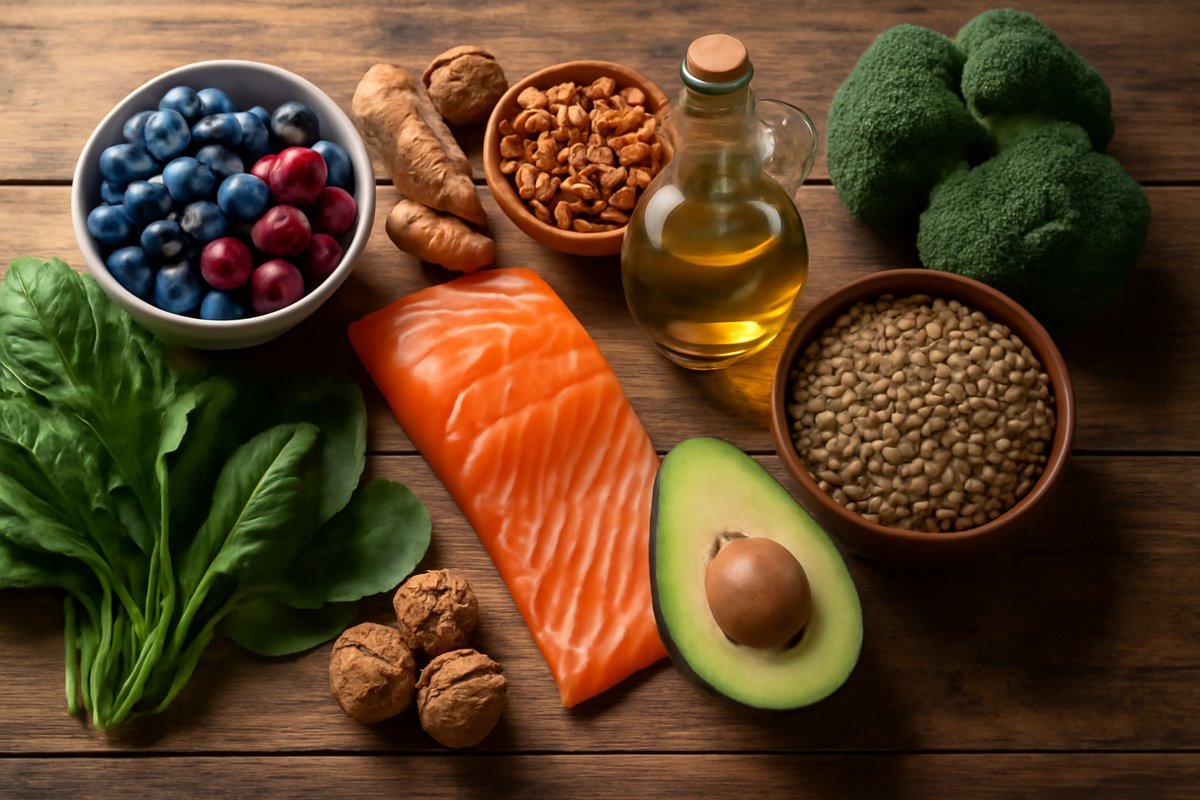
This is where the most empowering part of the conversation begins. A large body of peer-reviewed research supports the following food groups as having measurable anti-inflammatory effects in human studies:
Fatty fish (salmon, sardines, mackerel, herring): These are among the richest dietary sources of EPA and DHA — the long-chain omega-3 fatty acids that directly inhibit the production of pro-inflammatory eicosanoids. The American Heart Association recommends at least two servings of fatty fish per week. Clinical trials have demonstrated that omega-3 supplementation and dietary intake reduce CRP and TNF-alpha levels in adults with metabolic conditions.
Colorful vegetables and leafy greens: Spinach, kale, broccoli, beets, and bell peppers are rich in polyphenols and antioxidants — compounds that neutralize free radicals and modulate inflammatory pathways. Research suggests that adults who consume five or more servings of vegetables daily have significantly lower inflammatory biomarkers than those who consume fewer than two.
Berries: Blueberries, strawberries, raspberries, and blackberries are particularly high in anthocyanins, a class of polyphenol shown in clinical studies to reduce markers of oxidative stress and inflammation. Harvard Health has highlighted berries as among the top anti-inflammatory foods available.
Extra virgin olive oil (EVOO): EVOO contains oleocanthal, a compound with mechanisms similar to ibuprofen in laboratory studies — inhibiting the same inflammatory enzymes (COX-1 and COX-2). Clinical evidence from Mediterranean diet trials indicates that regular EVOO consumption is associated with lower cardiovascular risk and reduced systemic inflammation.
Nuts and seeds: Walnuts, almonds, flaxseeds, and chia seeds provide a combination of healthy fats, fiber, and plant-based polyphenols. Studies indicate that regular nut consumption is associated with lower levels of inflammatory markers including IL-6 and CRP.
Legumes: Lentils, chickpeas, black beans, and kidney beans are high in fiber, which feeds beneficial gut bacteria. A healthy gut microbiome, in turn, produces short-chain fatty acids that have documented anti-inflammatory effects throughout the body.
Whole grains: Oats, quinoa, farro, and brown rice provide resistant starch and fiber that support gut health and blunt post-meal blood sugar responses — both of which contribute to lower inflammatory activity compared to refined grain alternatives.
Turmeric and ginger: While not a replacement for medical treatment, curcumin (the active compound in turmeric) has shown anti-inflammatory properties in numerous randomized controlled trials. Most physicians recommend using these as culinary spices rather than relying on high-dose supplements without medical guidance.
If you’re also exercising regularly, pairing an anti-inflammatory diet with your fitness routine can enhance results significantly. Our guide on Exercise Nutrition After 40: Fuel Your Workouts Right explores how to align your eating patterns with your physical activity goals.
Building Your Anti-Inflammatory Plate: Practical Daily Habits
Knowing which foods to eat is only half the equation. The other half is making it sustainable within your real, busy life. Research consistently shows that adherence — not perfection — is what produces long-term health outcomes.
Here are evidence-aligned strategies most physicians and registered dietitians recommend for adults over 40:
Use the plate method: Fill half your plate with non-starchy vegetables, one quarter with lean protein (including fatty fish, poultry, legumes), and one quarter with whole grains. Drizzle with olive oil rather than butter or cream-based sauces.
Cook at home more often: A study supported by NIH data found that adults who cook at home five or more times per week consume significantly fewer calories, less sodium, and fewer inflammatory fats than those who rely primarily on restaurant or fast food.
Prioritize meal timing: Emerging research suggests that compressing your eating window — for example, finishing dinner by 7 or 8 PM and eating breakfast no earlier than 7 or 8 AM — may support metabolic health and reduce overnight inflammatory activity. This is an evolving area, and individual variation is significant.
Stay hydrated: Adequate water intake supports kidney function, lymphatic circulation, and the elimination of metabolic waste — all of which contribute to lower inflammatory burden. Most clinical guidelines suggest 8–10 cups of water daily for most adults, though individual needs vary.
Limit highly processed "health" foods: Many packaged foods marketed as healthy — protein bars, flavored yogurts, plant-based meat alternatives — still contain significant amounts of added sugars, sodium, and industrial seed oils. Always read nutrition labels carefully.
Quality sleep is also deeply intertwined with inflammation. Research published through the NIH shows that sleeping fewer than six hours per night significantly raises inflammatory biomarkers, including CRP and IL-6. If sleep is a challenge, our article Sleep After 40: Your Complete Guide to Better Rest offers evidence-based strategies tailored for adults in your age group.
For those managing joint pain or arthritis alongside their nutrition goals, Exercising with Arthritis: A Guide for Adults 30-70 pairs well with dietary changes to support comprehensive inflammation management.
When to Call Your Doctor or Seek Medical Evaluation
Dietary changes are a valuable complement to medical care — but they are not a substitute for it. Certain signs should prompt you to contact your physician before or alongside making dietary changes:
Call your doctor if you experience:
- Sudden, unexplained weight loss (more than 10 pounds without trying)
- New or significantly worsening joint pain, swelling, or redness
- Persistent fever without a clear cause
- Chest pain, shortness of breath, or heart palpitations
- Symptoms of a gastrointestinal condition such as blood in stool, persistent vomiting, or severe abdominal pain
- Cognitive changes that feel sudden or progressive
At your next routine visit, ask your doctor about:
- Testing your hs-CRP (high-sensitivity C-reactive protein) as a baseline inflammatory marker
- Checking your omega-3 index, which reflects your dietary fatty acid balance
- Whether a referral to a registered dietitian is appropriate for your specific health goals
- Any potential interactions between dietary changes and your current medications (especially blood thinners, diabetes medications, or cholesterol-lowering drugs)
Frequently Asked Questions
How long does it take to see results from an anti-inflammatory diet?
Clinical research suggests that measurable reductions in inflammatory biomarkers like CRP can occur within 4–12 weeks of consistent dietary change in many adults. However, functional improvements — such as reduced joint stiffness or improved energy — may be noticed sooner by some individuals. This varies significantly from person to person based on starting health status, degree of dietary change, and other lifestyle factors.
Is an anti-inflammatory diet the same as a Mediterranean diet?
They overlap substantially. The Mediterranean diet is the most clinically validated example of an anti-inflammatory eating pattern. However, anti-inflammatory principles can also be applied within other dietary frameworks, including plant-based diets and certain Whole Foods approaches. The Mediterranean diet simply has the largest and most consistent evidence base in peer-reviewed research.
Do I need to take curcumin or omega-3 supplements?
Most physicians and dietitians suggest prioritizing whole food sources first — fatty fish for omega-3s and turmeric as a culinary spice. Supplementation may be appropriate for individuals with documented deficiencies or specific clinical conditions, but this should always be discussed with your healthcare provider. Supplements are not regulated as strictly as medications by the FDA, and quality varies widely between brands.
Can an anti-inflammatory diet help with weight loss?
Indirectly, yes. Anti-inflammatory diets emphasize whole foods with high satiety value, lower caloric density, and minimal added sugars — all factors associated with healthier body weight over time. Research suggests that adipose tissue (body fat), particularly visceral fat around the abdomen, is itself a source of pro-inflammatory cytokines, so a reduction in body fat can also reduce inflammatory burden. Weight loss should be approached under the guidance of a qualified healthcare provider.
Are there foods I need to eliminate completely?
Most evidence-based dietary frameworks do not require total elimination of any food group. The focus is on overall dietary pattern and frequency, not perfection. Clinical evidence indicates that the cumulative effect of consistently healthy choices — rather than occasional indulgences — is what drives long-term outcomes. An "80/20" approach, where you follow anti-inflammatory principles most of the time while allowing flexibility, is considered practical and sustainable by most registered dietitians.
Conclusion: Food as a Daily Act of Prevention
An anti-inflammatory diet is not a medical treatment, and it will not single-handedly resolve complex health conditions. But the evidence is clear and compelling: what you eat every day has a measurable impact on the inflammatory processes that shape your long-term health risk, energy levels, and quality of life — especially after 40.
Small, consistent shifts — more fatty fish, more colorful produce, more olive oil, fewer processed foods — accumulate into meaningful change over weeks and months. You don’t need to overhaul your entire life overnight. Start with one or two swaps per week, track how you feel, and build from there.
Most importantly, work with your healthcare provider to understand your individual inflammatory profile and set realistic, personalized goals. Nutrition is a powerful tool — and it works best when it’s part of a complete, medically informed health strategy.
Medical Disclaimer: This article is for informational and educational purposes only. It does not constitute medical advice, diagnosis, or treatment. Always consult your physician or a qualified healthcare provider before making changes to your health routine or treatment plan.
Medically reviewed by our editorial health team. Content follows evidence-based standards aligned with CDC and NIH guidelines.