
Tag: strength training

  • Exercise & Sleep Quality After 40: Move Better, Sleep Better

    Exercise & Sleep Quality After 40: Move Better, Sleep Better

    Physical activity may be one of the most underutilized sleep aids available — no prescription required.

    Mark, 54, had spent nearly two years trying everything to fix his sleep. He cut back on caffeine, bought blackout curtains, downloaded meditation apps. He still woke up at 3 a.m., stared at the ceiling, and dragged himself through the next day feeling like he hadn’t rested at all. His doctor suggested something unexpected: a structured exercise routine. Within six weeks, Mark was sleeping through the night for the first time in years.

    His experience isn’t unusual. According to the CDC, more than one in three American adults don’t get the recommended seven or more hours of sleep per night — and that number climbs significantly for adults over 40. Meanwhile, research suggests that regular physical activity is one of the most effective, evidence-backed strategies for improving sleep quality, duration, and overall sleep health.

    In this guide, you’ll learn how exercise affects sleep after 40, what types of movement deliver the greatest benefit, when to work out for optimal rest, and how to build a sustainable routine that supports both your fitness and your sleep.

    Why Sleep Gets Harder After 40

    If you’ve noticed that sleep feels different than it did in your 30s, you’re not imagining things. According to the National Institute on Aging, aging brings measurable changes to sleep architecture — the pattern of sleep stages your brain cycles through each night.

    After 40, adults typically spend less time in slow-wave sleep (also called deep sleep or N3), which is the most physically restorative stage. They tend to wake more frequently during the night, experience lighter sleep overall, and may shift toward earlier bedtimes and wake times — a pattern sometimes called advanced sleep phase.

    Hormonal shifts also play a major role. Declining levels of estrogen and progesterone in perimenopausal and menopausal women are linked to night sweats and sleep disruption. Falling testosterone in men after 40 is associated with reduced sleep efficiency. Melatonin production — the hormone that regulates your sleep-wake cycle — also decreases with age, making it harder to fall asleep and stay asleep.

    Add in the higher rates of chronic pain, anxiety, cardiovascular disease, and sleep apnea that become more common after 40, and it’s easy to see why restorative sleep becomes increasingly elusive for many adults.

    This is precisely where physical activity enters the picture as a powerful, modifiable lifestyle factor.

    What the Research Says: Exercise and Sleep Quality

    The connection between physical activity and better sleep is one of the most consistently supported findings in sleep science. A landmark meta-analysis published in Mental Health and Physical Activity reviewed data from 66 studies and found that exercise significantly improved sleep quality, reduced the time it takes to fall asleep (sleep onset latency), and increased total sleep duration across diverse adult populations.

    A separate study from Johns Hopkins Medicine found that moderate aerobic exercise — like brisk walking or cycling — increased slow-wave sleep, the deep, restorative stage that declines with age. This is significant: more deep sleep means better physical recovery, stronger immune function, and improved memory consolidation.

    Research from the American Academy of Sleep Medicine also indicates that regular exercisers report fewer symptoms of insomnia and are significantly less likely to experience excessive daytime sleepiness compared to sedentary adults.

    According to the NIH’s National Center on Sleep Disorders Research, exercise may help regulate the body’s internal clock (circadian rhythm), reduce arousal in the nervous system that keeps you wired at night, and lower core body temperature post-workout in a way that mimics the natural temperature drop that signals the body it’s time to sleep.

    The bottom line: clinical evidence indicates that exercise doesn’t just make you feel better during the day — it fundamentally improves the biology of your nighttime rest.

    Best Types of Exercise for Better Sleep After 40

    Not all workouts affect sleep the same way. Research suggests that different types of physical activity offer distinct — and complementary — benefits for sleep health.

    Aerobic Exercise (Cardio)
    Aerobic activity is the most studied form of exercise in relation to sleep. Moderate-intensity cardio — such as brisk walking, cycling, swimming, or dancing — has been shown to reduce the time it takes to fall asleep and increase total sleep time. Most physicians recommend 150 minutes of moderate aerobic activity per week, which aligns with American Heart Association guidelines. You can find more about heart-friendly cardio at Exercise & Heart Health After 40.

    Strength Training (Resistance Exercise)
    A 2021 randomized controlled trial published in the Journal of Sleep Research found that resistance training improved sleep quality and reduced insomnia symptoms in middle-aged and older adults, even when aerobic effects were controlled for. Strength training may improve sleep partly by reducing chronic pain, which is a major sleep disruptor in this age group.

    Mind-Body Exercise
    Yoga, tai chi, and Pilates have been shown in multiple studies to reduce cortisol levels (the primary stress hormone), lower anxiety, and improve both subjective sleep quality and objective sleep duration. These are particularly valuable for adults whose sleep problems are driven by stress or racing thoughts at bedtime.

    Stretching and Mobility Work
    While less studied on its own, dedicated stretching routines — especially performed in the evening — may help activate the parasympathetic nervous system (your body’s rest-and-digest mode), signaling the brain that it’s time to wind down.

    The most effective approach for most adults over 40 is a combination: aerobic exercise for foundational sleep improvement, resistance training for pain reduction and metabolism, and mind-body practice for stress regulation and nervous system recovery.

    When to Work Out for Optimal Sleep

    Timing matters — but perhaps less rigidly than you’ve heard. The old advice that exercising after 6 p.m. ruins sleep has been largely revisited by current research.

    A 2019 meta-analysis published in Sports Medicine found that evening exercise — performed one to four hours before bedtime — did not significantly impair sleep quality for most adults. In fact, moderate evening workouts may help some people fall asleep faster due to the post-exercise drop in core body temperature.

    That said, high-intensity exercise very close to bedtime (within 60-90 minutes) can elevate heart rate, body temperature, and adrenaline levels in ways that delay sleep onset for some people. This varies from person to person.

    General guidance from the Cleveland Clinic and the American Academy of Sleep Medicine suggests:

    • Morning exercise may reinforce circadian rhythm and increase alertness during the day, with sleep benefits accumulating over time.
    • Afternoon exercise (1-5 p.m.) aligns with the natural peak in body temperature and muscle function — often ideal for performance and recovery.
    • Evening exercise (6-8 p.m.) is fine for most adults, especially if intensity is moderate. Avoid high-intensity training within 90 minutes of bedtime if you’re sensitive to evening stimulation.

    The best time to work out is the time you’ll actually do it consistently. Consistency, research suggests, is what drives lasting sleep improvement — not the clock on the wall.

    Building a Sleep-Supportive Exercise Routine After 40

    If you’re starting from a sedentary baseline or returning to exercise after a break, the American College of Sports Medicine recommends a gradual approach to avoid injury and overtraining — both of which can temporarily worsen sleep.

    Week 1-2: Foundation Phase
    Start with 20-30 minutes of brisk walking five days per week. Add one or two light resistance training sessions using bodyweight or resistance bands. Prioritize consistency over intensity.

    Week 3-4: Building Phase
    Increase aerobic sessions to 30-45 minutes. Add a third strength session. Incorporate 10 minutes of stretching or light yoga before bed on non-exercise days.

    Week 5 and beyond: Maintenance and Progression
    Aim for 150+ minutes of moderate cardio per week plus two to three strength sessions. Rotate in mind-body practices like yoga or tai chi once or twice weekly. Track sleep quality subjectively (how rested you feel) and adjust intensity if sleep temporarily worsens during high-output training weeks.

    You can explore how to fuel these workouts for better recovery and energy at Exercise & Inflammation After 40.

    Other Sleep Hygiene Habits That Amplify Exercise Benefits

    Exercise is powerful, but it works best as part of a broader sleep hygiene strategy. Clinical evidence supports combining physical activity with the following habits:

    • Consistent sleep and wake times: Going to bed and waking at the same time every day — even on weekends — anchors your circadian rhythm. This is one of the most potent sleep interventions supported by sleep medicine research.
    • Light management: Morning sunlight exposure within one hour of waking helps set your internal clock. Limiting bright light and screen time in the two hours before bed supports melatonin production.
    • Temperature regulation: A cool bedroom (around 65-68°F) supports the body temperature drop that promotes deep sleep — and complements the post-exercise temperature decline.
    • Alcohol moderation: Research from the NIH consistently shows that alcohol, while sedating initially, disrupts sleep architecture — suppressing REM sleep and increasing nighttime awakenings. Reducing alcohol intake amplifies the sleep gains you make through exercise.
    • Stress management: Chronic psychological stress activates the hypothalamic-pituitary-adrenal (HPA) axis, keeping cortisol elevated at night. Exercise reduces this response over time, but pairing it with mindfulness or breathing practices accelerates results.

    When Poor Sleep May Indicate a Medical Condition

    Exercise can dramatically improve sleep quality for most adults — but it’s not a replacement for medical evaluation when sleep problems are severe or persistent.

    Contact your doctor promptly if you experience:

    • Loud snoring, gasping, or choking during sleep (possible obstructive sleep apnea)
    • Persistent inability to fall or stay asleep despite consistent exercise and sleep hygiene practices for more than three months
    • Excessive daytime sleepiness that interferes with work or daily function
    • Restless, uncomfortable sensations in your legs at night (possible restless legs syndrome)
    • Sleepwalking, acting out dreams, or other unusual behaviors during sleep
    • New or worsening depression, anxiety, or mood changes accompanying sleep disruption

    Seek emergency care if you experience: Sudden confusion, severe chest pain, or difficulty breathing at night — these require immediate attention regardless of sleep context.

    Sleep disorders like obstructive sleep apnea affect an estimated 30 million Americans, according to the American Academy of Sleep Medicine — and many remain undiagnosed. Exercise won’t resolve untreated apnea, and in some cases, fatigue from poor sleep may actually make it harder to maintain an exercise routine, creating a cycle your doctor can help break.

    Frequently Asked Questions

    How quickly does exercise improve sleep quality?
    Research suggests that some adults notice sleep improvements within one to two weeks of beginning a consistent exercise routine. However, clinical evidence indicates the most robust and lasting benefits typically emerge after four to six weeks of regular activity. Starting with moderate-intensity exercise and building gradually tends to produce the most reliable results.

    Can too much exercise actually worsen sleep?
    Yes — overtraining is a real phenomenon. When exercise volume and intensity exceed the body’s ability to recover, it can elevate cortisol and inflammatory markers in ways that disrupt sleep. This is more common in high-performance athletes but can occur in motivated recreational exercisers who ramp up too quickly. Rest days and adequate recovery are essential components of any sleep-supportive fitness plan. Learn more at Exercise & Longevity After 40.

    Is morning or evening exercise better for sleep?
    Most current research suggests timing is less critical than consistency. Morning exercise may offer stronger circadian rhythm benefits for some people, while evening exercise is tolerated well by most adults as long as it ends at least 60-90 minutes before bed. Experimenting with timing and tracking your sleep response is the most practical approach.

    Does exercise help with sleep apnea?
    Clinical evidence indicates that regular aerobic exercise and weight management can reduce the severity of obstructive sleep apnea in overweight adults, independent of weight loss. However, exercise is considered a complementary approach — not a replacement for CPAP therapy or other medically prescribed treatments. Always work with your doctor if sleep apnea has been diagnosed or suspected.

    What if I’m too tired to exercise because I’m not sleeping well?
    This is one of the most common barriers to sleep-fitness improvement — and it’s valid. Most physicians recommend starting with low-intensity activity (a 15-20 minute walk) even on days when you feel exhausted. Gentle movement stimulates energy-regulating pathways and, over time, helps break the fatigue-insomnia cycle. Pushing through mild fatigue to exercise is generally safe; exercising through illness or severe exhaustion is not.

    A Rested Life Is Worth Building

    Sleep is not a luxury — it’s a biological necessity that affects every system in your body, from heart health and immune function to mood, cognition, and metabolic health. And after 40, protecting your sleep becomes one of the most consequential health investments you can make.

    The encouraging news is that physical activity offers a safe, accessible, and well-evidenced path to better rest. You don’t need to run marathons or transform your life overnight. A consistent routine of moderate aerobic activity, strength training, and mindful movement — adapted to your current fitness level — can meaningfully shift the quality of your nights.

    Start small, be consistent, and give your body four to six weeks to respond. And if sleep problems persist despite your efforts, bring them to your doctor. You deserve both the energy to move and the rest to recover.

    Medical Disclaimer: This article is for informational and educational purposes only. It does not constitute medical advice, diagnosis, or treatment. Always consult your physician or a qualified healthcare provider before making changes to your health routine or treatment plan.

    Medically reviewed by our editorial health team. Content follows evidence-based standards aligned with CDC and NIH guidelines.
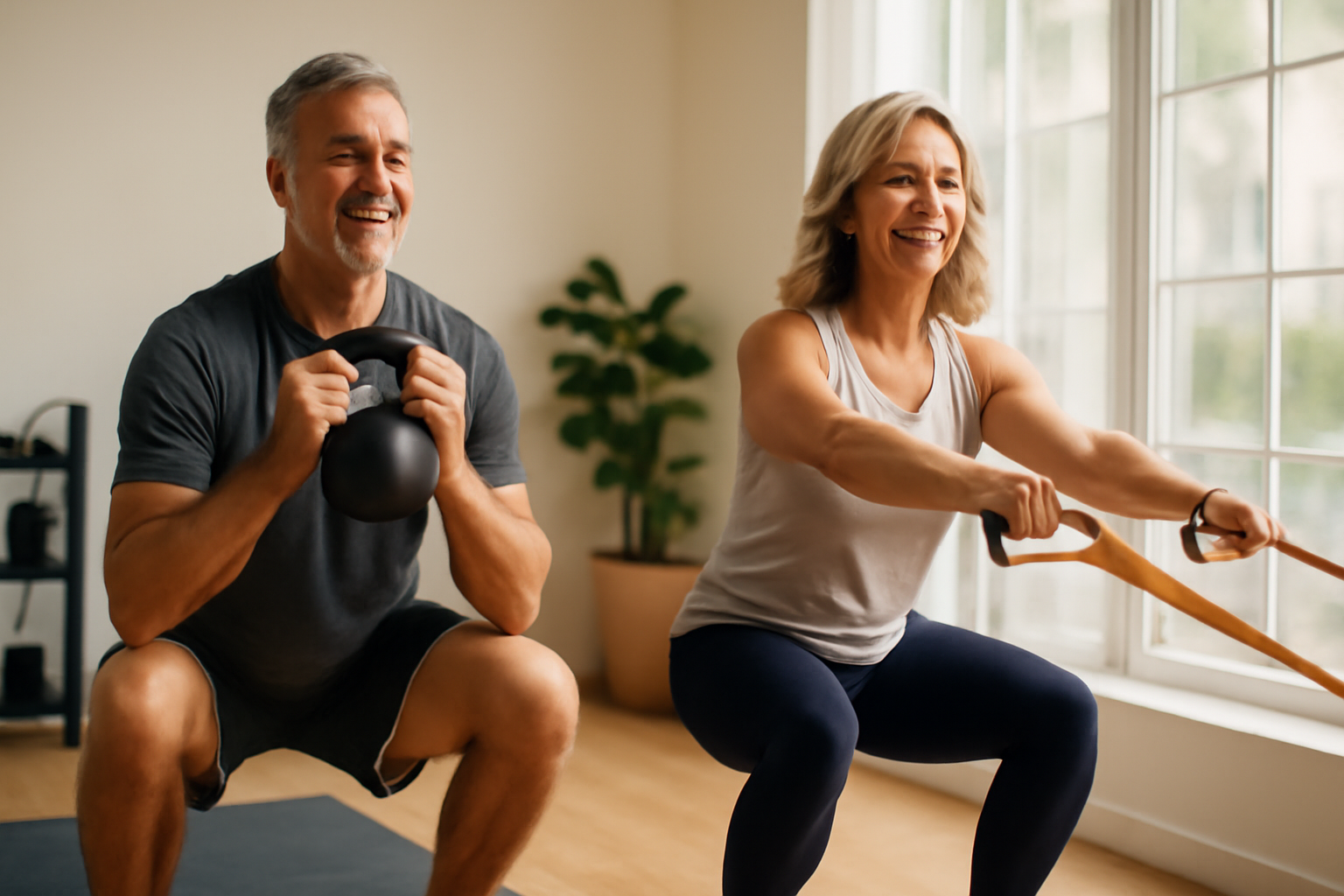
  • Functional Fitness After 40: Move Better, Live Stronger

    Functional Fitness After 40: Move Better, Live Stronger

    The exercises your body actually needs for real-life strength, mobility, and independence as you age.

    When Marcus turned 52, he noticed something unsettling: getting up from the floor after playing with his grandkids had become a genuine struggle. He wasn’t in pain. He hadn’t stopped exercising. But somewhere along the way, his workouts had stopped preparing him for the movements that actually mattered in daily life.

    Marcus’s experience is far from unusual. According to the CDC, adults over 50 experience a measurable decline in functional capacity — the physical ability to perform everyday tasks independently — when exercise programs don’t address real-world movement patterns. And yet, most gym routines are built around isolated muscle groups, not the integrated, multi-joint movements your body uses to carry groceries, climb stairs, or get off the ground.

    That’s where functional fitness comes in. This approach to exercise focuses on training your body to handle the movements of everyday life more safely and efficiently. In this guide, you’ll learn what functional fitness is, why it becomes especially important after 40, and how to build a practical, evidence-based program that keeps you strong, mobile, and independent for decades to come.

    What Is Functional Fitness?

    Functional fitness refers to exercise that trains your body for real-life movement patterns — pushing, pulling, squatting, hinging, rotating, and carrying — rather than isolating individual muscles in artificial positions.

    Unlike traditional machine-based gym workouts that move your body through a fixed plane, functional training challenges multiple muscle groups simultaneously, mirrors the biomechanics of daily activities, and builds the kind of strength and coordination you actually use when you reach overhead, bend down, or brace yourself against a fall.

    The concept gained traction in physical therapy and sports medicine before moving into mainstream fitness. Today, the American College of Sports Medicine (ACSM) recognizes functional fitness as a core component of healthy aging and fall prevention programs.

    According to the National Institutes of Health, functional fitness training has been shown to improve physical performance scores, reduce fall risk, and increase independence in adults over 50. Research published in journals reviewed by NIH indicates that just 8 to 12 weeks of functional training can produce meaningful improvements in balance, strength, and mobility in older adults.

    Why does this matter after 40 specifically? Because that’s when age-related muscle loss — called sarcopenia — begins to accelerate. The Mayo Clinic notes that adults can lose 3 to 5 percent of muscle mass per decade after 30, with the rate increasing after 50. Without targeted training, this loss affects not just how you look, but how you move through your life.

    Signs You Need More Functional Training

    Functional decline often shows up gradually, which makes it easy to dismiss. Here are some early and more advanced signs that your body may benefit from a functional fitness focus:

    Early signs:

    • Difficulty getting up from a low chair or the floor without using your hands
    • Feeling unsteady when carrying objects or navigating uneven terrain
    • Stiffness after sitting for extended periods
    • Reduced grip strength (struggling to open jars, carry bags)
    • Fatigue from tasks that used to feel effortless

    More advanced signs:

    • Needing to hold onto rails for routine stair climbing
    • Avoiding physical activities due to fear of falling
    • Persistent lower back discomfort with basic movements
    • Noticeably slower walking speed
    • Difficulty reaching overhead or twisting to back up your car

    A 2023 clinical review cited by the NIH found that slower gait speed and reduced sit-to-stand performance are among the most reliable early predictors of functional decline in adults aged 40 to 65. These are measurable, trainable qualities — which means they respond well to the right exercise approach.

    If you’re experiencing any of the advanced signs above, especially falls or severe balance issues, it’s worth discussing them with your physician before beginning a new program. For most of the early signs, a structured functional fitness routine is exactly the kind of intervention clinical evidence supports.

    The Core Movement Patterns of Functional Fitness

    Functional fitness is built around six foundational movement patterns. Every exercise you’ll ever need fits into at least one of these categories:

    1. Squat — sitting down and standing up, getting in and out of a car, picking something off a low shelf. Exercises: bodyweight squat, goblet squat, box squat.

    2. Hinge — bending at the hips to pick something up from the floor. This is the movement most people perform incorrectly, leading to back injury. Exercises: Romanian deadlift, kettlebell deadlift, hip hinge drill.

    3. Push — pushing a door open, rising from the floor, overhead reaches. Exercises: wall push-up, incline push-up, dumbbell press.

    4. Pull — opening heavy doors, pulling yourself up, carrying bags. Exercises: resistance band row, dumbbell row, assisted pull-up.

    5. Carry — transporting groceries, luggage, or any load while walking. Exercises: farmer’s carry, suitcase carry, waiter’s carry.

    6. Rotate and brace — turning to look behind you, twisting to reach, stabilizing your spine under load. Exercises: Pallof press, woodchop, dead bug.

    Research from Johns Hopkins Medicine emphasizes that training these patterns with light-to-moderate resistance, proper form, and progressive overload is more beneficial for adults over 40 than either high-intensity isolated exercises or no resistance training at all. This is not about becoming an athlete — it’s about becoming a capable, confident version of yourself.

    How to Build Your Functional Fitness Program

    Building an effective functional fitness routine after 40 doesn’t require a gym membership or expensive equipment. What it does require is consistency, smart progression, and attention to form.

    Frequency: The ACSM recommends that adults perform muscle-strengthening activities at least 2 days per week. For functional fitness specifically, 2 to 3 sessions per week allows adequate stimulus and recovery — especially important as recovery time increases with age. You can read more about why rest is a critical part of the equation in our guide to Recovery Days After 40: Why Rest Makes You Fitter.

    Session structure:

    • Warm-up (5-10 minutes): Dynamic mobility — leg swings, hip circles, thoracic rotations, arm circles. Avoid static stretching before training.
    • Main work (25-35 minutes): 3-4 exercises covering 2-3 movement patterns. Perform 2-3 sets of 8-12 reps each.
    • Cool-down (5-10 minutes): Gentle stretching and breathing. This is the time for static holds.

    Sample beginner session:

    • Goblet squat — 3 sets of 10 reps
    • Resistance band row — 3 sets of 12 reps
    • Hip hinge with dowel rod — 3 sets of 10 reps
    • Farmer’s carry — 3 lengths of 20 feet
    • Dead bug — 3 sets of 8 reps per side

    Progression: Research suggests adding difficulty every 2 to 4 weeks by increasing resistance, adding reps, reducing rest time, or introducing single-limb variations (such as a single-leg Romanian deadlift). This principle — called progressive overload — is what drives continued adaptation.

    If balance is a concern for you, pairing your functional training with dedicated balance work is highly recommended. Our guide to Balance Training After 40: Prevent Falls and Build Stability covers complementary drills that work well alongside functional fitness sessions.

    For those who prefer lower-impact options — particularly if you’re managing joint pain or are newer to exercise — many functional patterns can be modified significantly. See our Low-Impact Exercise After 40: The Complete Guide for exercise variations that reduce joint stress while preserving the functional benefit.

    Nutrition and Recovery: Supporting Your Functional Gains

    Exercise alone is only part of the equation. Clinical evidence consistently shows that nutritional support and adequate recovery are what allow the adaptations from training to actually take hold — especially after 40.

    Protein intake: The American College of Sports Medicine and the Academy of Nutrition and Dietetics jointly recommend that active adults over 40 aim for 1.2 to 1.6 grams of protein per kilogram of body weight daily to support muscle maintenance and repair. For a 160-pound adult, that’s roughly 87 to 116 grams per day. Distributing protein across meals — rather than concentrating it in one — appears to optimize muscle protein synthesis, according to NIH-reviewed research.

    Sleep: Growth hormone — which drives muscle repair and metabolic recovery — is primarily released during deep sleep. The CDC recommends that adults get 7 to 9 hours of sleep per night. Chronic sleep restriction below 6 hours has been associated with accelerated muscle loss and impaired physical performance in middle-aged adults.

    Hydration: Connective tissue, including tendons and cartilage, requires adequate hydration to function optimally. Dehydration as mild as 2 percent of body weight can impair strength output and increase injury risk, according to research reviewed by the Mayo Clinic.

    Anti-inflammatory eating: While no single food cures inflammation, diets rich in vegetables, fatty fish, nuts, and whole grains have been associated in multiple large cohort studies with reduced markers of systemic inflammation — which may support both joint health and muscle recovery in older adults.

    Living With Functional Fitness: Long-Term Strategies

    The most important thing about functional fitness is that it’s not a phase — it’s a lifelong practice. Here’s how to make it sustainable:

    Train for your life, not a program. Think about the physical demands of your daily routine and prioritize movements that directly address them. If your job involves sitting for hours, hip mobility and posterior chain strength should be central. If you’re a gardener, rotational strength and ground-to-stand work matter most.

    Track what matters. Instead of tracking only weight lifted, consider logging functional markers: how easily you can get up from the floor, your walking speed over a fixed distance, or your grip strength. These are clinically meaningful outcomes.

    Work with a qualified professional. A physical therapist or certified personal trainer with experience in older adult fitness can assess your movement patterns and identify compensations or weaknesses that generic programs miss. This is particularly valuable if you’re managing a chronic condition or recovering from injury.

    Embrace variety without losing the fundamentals. Yoga, tai chi, Pilates, and swimming all contain elements of functional fitness. Rotating formats can keep motivation high while reinforcing the core movement patterns that matter most. The core principle of functional movement can even be explored further through our guide to Mind-Body Exercise After 40: Yoga, Tai Chi and More.

    When to Call Your Doctor: Red Flags to Know

    Functional fitness is safe for the vast majority of adults over 40, but certain symptoms during or after exercise warrant prompt medical attention:

    Contact your doctor before starting if you have:

    • Uncontrolled high blood pressure or a recent cardiac event
    • Severe osteoporosis or a recent fracture
    • A recent surgery or joint replacement
    • Dizziness or unexplained chest discomfort at rest

    Seek emergency care immediately for:

    • Chest pain, pressure, or tightness during exercise
    • Sudden severe shortness of breath unrelated to exertion level
    • Severe dizziness, fainting, or loss of consciousness
    • Sudden sharp pain in a joint or muscle that doesn’t subside
    • One-sided weakness or facial drooping (potential stroke symptoms)

    Mention at your next appointment:

    • Persistent joint pain that worsens with activity
    • Unusual fatigue that doesn’t improve with rest
    • New or worsening balance problems
    • Any fall, even without injury

    The American Heart Association recommends that adults over 40 with no known conditions can generally begin moderate-intensity functional exercise without a prior medical evaluation — but those with existing chronic conditions should always check in with their healthcare provider first.

    Frequently Asked Questions

    Is functional fitness the same as physical therapy?
    Not exactly, though there is significant overlap. Physical therapy is a licensed medical intervention designed to treat injury or dysfunction under professional supervision. Functional fitness is a training philosophy that borrows many principles from physical therapy to build strength and movement quality in generally healthy individuals. Some people benefit from both.

    Can I do functional fitness if I have arthritis?
    Research suggests yes — in most cases. The Arthritis Foundation and the CDC both endorse low-to-moderate resistance training as beneficial for arthritis management, noting that it can reduce pain and improve joint function over time. The key is using appropriate loads, avoiding high-impact variations during flares, and working with a provider to identify safe modifications.

    How is functional fitness different from strength training?
    Strength training focuses on building muscular strength and hypertrophy (muscle size), often using isolation exercises. Functional fitness uses strength as a tool to improve movement quality and real-world performance. Many functional fitness exercises are strength exercises — but the goal and exercise selection differ. They work best together.

    How long before I notice results?
    This varies from person to person, but most people report feeling more capable in daily tasks within 4 to 6 weeks of consistent functional training. Objective improvements in balance, strength, and mobility are typically measurable within 8 to 12 weeks, according to NIH-reviewed studies on functional training in midlife adults.

    Do I need equipment for functional fitness?
    No. Many of the most effective functional exercises — bodyweight squats, hip hinges, push-ups, planks — require no equipment. Adding resistance bands, dumbbells, or a kettlebell can accelerate progress, but the movement patterns themselves can be trained at any fitness level with no gear at all.

    Conclusion

    Functional fitness is one of the most practical investments you can make in your long-term health after 40. It’s not about lifting the heaviest weights or training the hardest — it’s about moving well, moving safely, and staying capable for the life you want to live.

    The clinical evidence is clear: training the movement patterns your body actually uses every day reduces fall risk, supports muscle mass, improves balance, and enhances your quality of life in ways that isolated gym machines simply can’t replicate.

    Start where you are. Use the progressions that fit your current level. And remember that even modest, consistent functional training — two sessions per week over the long term — can make a profound difference in how you feel, move, and live as you age.

    Your body is built to move. Functional fitness is how you keep it that way.


    This article is for informational and educational purposes only. It does not constitute medical advice, diagnosis, or treatment. Always consult your physician or a qualified healthcare provider before making changes to your health routine or treatment plan.

    Medically reviewed by our editorial health team. Content follows evidence-based standards aligned with CDC and NIH guidelines.