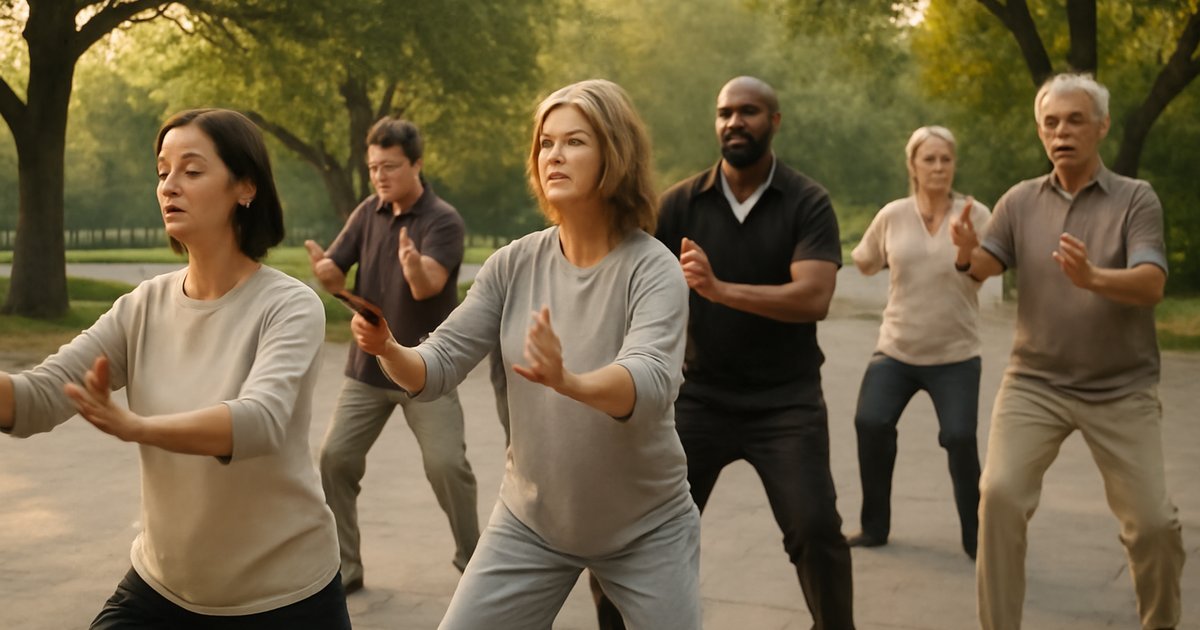
Category: Fitness & Exercise

Find effective workout routines, strength training, cardio programs, flexibility exercises, and fitness tips for every level.

  • Cardio After 40: The Complete Guide to Heart-Healthy Exercise

    Cardio After 40: The Complete Guide to Heart-Healthy Exercise

    Your heart is a muscle — and like every other muscle in your body, it gets stronger or weaker depending on how you train it.

    Mark, 52, had always assumed that running was for younger people. After his annual physical revealed borderline high blood pressure and a resting heart rate of 88 beats per minute, his doctor gave him a direct recommendation: start doing cardio, consistently. Six months later, his blood pressure was back in the normal range, and he felt better than he had in his 30s.

    His story isn’t unusual. According to the American Heart Association, cardiovascular disease remains the leading cause of death in the United States, responsible for roughly one in every five deaths. Yet research consistently shows that regular aerobic exercise — the kind that gets your heart pumping — is one of the most powerful tools available for preventing and managing heart disease, type 2 diabetes, high blood pressure, and even certain cancers.

    If you’re over 40 and wondering how to start or improve your cardio routine safely, this guide covers everything you need to know: the science behind cardiovascular fitness, how your body changes with age, the best types of cardio for different goals, and how to build a sustainable routine that actually works for your life.

    What Is Cardiovascular Exercise — And Why Does It Matter After 40?

    Cardiovascular exercise, often called cardio or aerobic exercise, refers to any physical activity that raises your heart rate and keeps it elevated for a sustained period. The word "aerobic" literally means "with oxygen," reflecting how your body uses oxygen to produce energy during these activities.

    Common examples include brisk walking, jogging, cycling, swimming, dancing, rowing, and group fitness classes. What they all share is a demand on your heart, lungs, and circulatory system to deliver more oxygen-rich blood to working muscles.

    After age 40, cardio becomes especially important. Research published in the Journal of the American College of Cardiology found that adults who engaged in regular moderate-intensity aerobic activity had a significantly lower risk of cardiovascular events compared to sedentary peers. The CDC recommends that adults get at least 150 minutes of moderate-intensity aerobic activity per week — yet fewer than 25% of American adults actually meet that guideline.

    Biologically, your maximum heart rate declines by roughly one beat per minute each year after age 20. Your cardiovascular efficiency, known as VO2 max — the maximum amount of oxygen your body can use during exercise — also decreases with age. The encouraging news: regular cardio exercise has been shown to slow this decline significantly, meaning you have real control over how your heart ages.

    How Your Body Changes After 40 (And What That Means for Cardio)

    Understanding the physiological shifts that happen after 40 helps you exercise smarter, not just harder.

    Heart and lung efficiency: Cardiac output — the amount of blood your heart pumps per minute — tends to decrease with age. Your lungs also become slightly less elastic, making gas exchange a bit less efficient. This is why activities that used to feel easy may feel harder than you remember.

    Slower recovery: After 40, your body takes longer to repair micro-damage from exercise. Inflammation clears more slowly, and glycogen (your muscles’ stored fuel) is replenished at a reduced rate. This means rest days are not optional — they’re a core part of your training program.

    Hormonal shifts: Declining estrogen in women and testosterone in men after 40 affects muscle mass, metabolism, and even motivation to exercise. These hormonal changes can make it easier to gain body fat and harder to maintain cardiovascular endurance. Regular aerobic exercise helps counteract these effects by improving insulin sensitivity and supporting healthy hormone regulation.

    Joint changes: Cartilage in joints like the knees and hips naturally thins over time, making high-impact activities more demanding. This doesn’t mean you can’t run or jump — but it does mean you should build up gradually and choose impact-appropriate surfaces.

    According to the NIH’s National Institute on Aging, regular aerobic exercise can offset many of these age-related changes, helping preserve cardiovascular function, metabolic health, and cognitive performance well into your 60s and 70s.

    Types of Cardio: Finding the Right Fit for Your Body and Goals

    Not all cardio is the same — and the "best" type depends on your current fitness level, health conditions, and what you genuinely enjoy doing.

    Low-impact cardio is ideal for beginners, those returning from injury, or anyone with joint concerns. Options include:

    • Brisk walking (one of the most studied forms of exercise for long-term health)
    • Swimming and water aerobics (excellent joint protection with high caloric burn)
    • Cycling (stationary or outdoor)
    • Elliptical training
    • Rowing (great for full-body engagement)

    Moderate-impact cardio suits those with a reasonable fitness base who want more cardiovascular challenge:

    • Jogging or running
    • Dance fitness classes
    • Hiking on varied terrain
    • Kickboxing (low-contact versions)

    High-Intensity Interval Training (HIIT) alternates short bursts of intense effort with recovery periods. A 2022 meta-analysis in the British Journal of Sports Medicine found that HIIT produces superior improvements in VO2 max compared to moderate continuous training — in less total exercise time. For adults over 40, modified HIIT with longer recovery intervals and lower-impact movements can be highly effective and time-efficient.

    Clinical evidence suggests that the most effective cardio program is one you’ll actually stick to. This varies from person to person — some thrive with structured gym sessions, others need the social motivation of a group class or the mental reset of an outdoor walk. Matching cardio type to your personality and lifestyle is just as important as the physiological variables.

    How to Structure Your Cardio Routine: Frequency, Intensity, and Duration

    The most practical framework for cardio programming is the FITT principle: Frequency, Intensity, Time, and Type.

    Frequency: The American Heart Association recommends at least 5 days per week of moderate-intensity cardio, or at least 3 days per week of vigorous-intensity cardio, for adults. If you’re new to exercise, starting with 3 days per week and building progressively is a smart approach.

    Intensity: Intensity is most accurately tracked using heart rate zones. A simple formula for your maximum heart rate is 220 minus your age. For moderate-intensity exercise, aim for 50-70% of that maximum. For vigorous intensity, aim for 70-85%. Most fitness trackers and smartwatches now calculate this automatically.

    A more accessible tool is the "talk test": during moderate-intensity exercise, you should be able to hold a conversation but not sing comfortably. During vigorous exercise, you should only be able to say a few words at a time.

    Time: The 150-minute weekly guideline can be spread across sessions however suits you. Three 50-minute walks, five 30-minute bike rides, or ten 15-minute sessions — research supports the idea that accumulating minutes throughout the day counts toward your total.

    Progressive overload: Just as with strength training, your cardiovascular system adapts to the demands you place on it. The 10% rule suggests increasing your weekly cardio volume by no more than 10% per week to minimize injury risk and allow your body to adapt gradually.

    For more on combining cardio with resistance work, see our guide on Strength Training After 40: The Complete Guide to Building Muscle Safely.

    The Health Benefits of Regular Cardio After 40

    The evidence base for cardiovascular exercise is among the most robust in all of preventive medicine. Here’s what the research consistently supports:

    Heart health: Regular aerobic exercise lowers resting blood pressure, reduces LDL ("bad") cholesterol, raises HDL ("good") cholesterol, and improves the elasticity of blood vessels. A landmark NIH-funded study found that even modest amounts of aerobic activity — as little as 75 minutes per week of brisk walking — were associated with a 19% lower risk of cardiovascular disease compared to no activity.

    Metabolic health: Cardio improves insulin sensitivity, which is critical for preventing and managing type 2 diabetes. The American Diabetes Association recommends aerobic exercise as a first-line intervention for blood sugar management in adults with prediabetes and type 2 diabetes.

    Weight management: While nutrition plays the dominant role in weight management, regular cardio contributes significantly to caloric expenditure and helps preserve metabolically active muscle tissue during weight loss.

    Brain health: Research from Harvard Medical School indicates that aerobic exercise promotes the release of BDNF (brain-derived neurotrophic factor), a protein that supports the growth and survival of brain cells. Regular cardio has been linked to reduced risk of dementia, improved memory, and better executive function in adults over 50.

    Mental health: Clinical evidence indicates that aerobic exercise is as effective as antidepressant medication for mild to moderate depression in some populations. It also reduces anxiety, improves sleep quality, and supports stress regulation through its effects on cortisol and serotonin.

    Longevity: A 2023 study from the American College of Sports Medicine found that adults with high cardiovascular fitness had a mortality risk 40% lower than their least-fit peers — a greater protective effect than most pharmaceutical interventions.

    Common Mistakes to Avoid When Doing Cardio After 40

    Starting or returning to cardio after 40 comes with specific pitfalls that can undermine your progress or lead to injury.

    Skipping the warm-up: Your connective tissues and muscles take longer to reach optimal working temperature after 40. A 5-10 minute dynamic warm-up — gentle movement that gradually increases blood flow — meaningfully reduces injury risk. Static stretching (holding stretches) is better suited to your cool-down.

    Doing too much too soon: One of the most common causes of setbacks is the "enthusiasm injury" — going from zero to intense exercise too quickly. Your cardiovascular system adapts faster than your tendons, ligaments, and joints. Even if your lungs feel fine, your knees may not be ready for daily running.

    Ignoring recovery: Rest days are when adaptation actually happens. Overtraining — doing cardio without adequate recovery — can elevate cortisol, suppress immune function, disrupt sleep, and paradoxically decrease cardiovascular fitness. Most adults over 40 benefit from at least 2 non-consecutive rest or active recovery days per week.

    Only doing cardio: Aerobic exercise and strength training work synergistically. Research published in the Journal of Strength and Conditioning Research found that combining both modalities produced better outcomes for cardiovascular risk markers, body composition, and functional fitness than either approach alone. Consider pairing your cardio routine with the principles outlined in our Strength Training After 40 guide for a more complete program.

    When to Call Your Doctor — And Emergency Signs During Exercise

    Most healthy adults can begin a moderate walking program without medical clearance. However, certain circumstances require professional evaluation before starting or significantly increasing cardio intensity.

    Schedule an appointment with your doctor before starting cardio if you have:

    • A known heart condition or family history of early cardiac events
    • Uncontrolled high blood pressure or diabetes
    • Chronic joint pain, recent surgery, or unhealed injuries
    • Dizziness, shortness of breath, or chest tightness during everyday activities
    • Been sedentary for more than a year

    Stop exercising immediately and call 911 if you experience:

    • Chest pain, pressure, or tightness during or after exercise
    • Pain radiating to your jaw, left arm, or back
    • Sudden severe shortness of breath that doesn’t improve with rest
    • Fainting or near-fainting (presyncope)
    • Heart palpitations that feel irregular, fluttering, or accompanied by dizziness
    • Sudden severe headache

    These symptoms are never normal during exercise and warrant immediate medical evaluation. The Mayo Clinic advises that while exercise discomfort (muscle burn, breathlessness proportional to effort) is expected, pain is always a signal to stop and assess.

    Frequently Asked Questions About Cardio After 40

    Is it safe to start running after 40 if I’ve never run before?

    Yes — with a gradual approach. Most physicians and sports medicine specialists recommend a run-walk program for beginners, alternating short running intervals with walking recovery periods. This builds cardiovascular capacity and musculoskeletal resilience simultaneously while minimizing overuse injury risk. Getting properly fitted running shoes and running on softer surfaces initially also helps protect your joints.

    How long until I see results from cardio exercise?

    Research suggests that cardiovascular adaptations begin within the first 2-4 weeks of consistent training — you’ll likely notice improved energy, slightly lower resting heart rate, and better recovery between efforts. Visible changes in body composition typically take 6-12 weeks of consistent effort combined with appropriate nutrition. Clinical benefits like lower blood pressure can appear in as little as 4-6 weeks.

    Is walking enough cardio for someone in their 50s?

    For many adults in their 50s — particularly those with joint concerns or who are beginning after a period of inactivity — brisk walking is an excellent and evidence-backed form of cardiovascular exercise. A Harvard Health study found that walking at a moderate pace for 30 minutes per day significantly reduced the risk of heart disease, stroke, and type 2 diabetes. The key word is "brisk" — the pace should be challenging enough to elevate your heart rate into the moderate-intensity zone.

    Can cardio help with menopause symptoms?

    Clinical evidence indicates that regular aerobic exercise can help manage several common menopause symptoms, including hot flashes, mood changes, sleep disturbances, and weight gain. The North American Menopause Society includes exercise as a non-hormonal lifestyle strategy for symptom management. This varies from person to person, and combining cardio with strength training appears to provide the most benefit for bone density and metabolic health during and after menopause.

    What’s the difference between Zone 2 cardio and HIIT — and which is better?

    Zone 2 cardio refers to sustained, moderate-intensity exercise at 60-70% of maximum heart rate — the level where you can hold a conversation comfortably. It primarily trains your aerobic base and mitochondrial efficiency. HIIT alternates intense bursts with recovery, offering superior improvements in VO2 max and caloric burn per minute. Most exercise physiologists recommend building a solid Zone 2 base before adding HIIT, especially for adults over 40. For optimal cardiovascular and metabolic health, a combination of both appears most effective based on current research.

    Conclusion: Your Heart Gets Stronger Every Time You Move

    The science is clear and empowering: it is never too late to build a stronger, healthier cardiovascular system. Whether you’re starting from the couch or looking to elevate an existing routine, cardio exercise after 40 offers measurable, meaningful benefits — for your heart, your brain, your metabolism, and your quality of life.

    The most important step is the first one. You don’t need a perfect plan or an expensive gym membership. You need consistency, a little patience, and the willingness to listen to your body. Start with what’s manageable, progress gradually, and prioritize activities you genuinely enjoy.

    Talk with your doctor about your current fitness level and any health conditions before making significant changes to your exercise routine. With the right approach, your 40s, 50s, and 60s can genuinely be your strongest, healthiest decades yet.


    Medical Disclaimer: This article is for informational and educational purposes only. It does not constitute medical advice, diagnosis, or treatment. Always consult your physician or a qualified healthcare provider before making changes to your health routine or treatment plan.

    Medically reviewed by our editorial health team. Content follows evidence-based standards aligned with CDC, NIH, and American Heart Association guidelines.

  • Strength Training After 40: The Complete Guide to Building Muscle Safely

    Strength Training After 40: The Complete Guide to Building Muscle Safely

    Your muscles don’t have to shrink with age — but they will unless you give them a reason not to.

    Introduction

    When Michael turned 47, he noticed something that stopped him cold: climbing a single flight of stairs left him winded, and his arms — once strong enough to move furniture without help — felt weaker than he remembered. His doctor gave him a straightforward message at his annual checkup: "You’re losing muscle. And if you don’t start resistance training, this will get worse every year."

    Michael’s experience is far from unusual. According to the National Institutes of Health (NIH), adults lose between 3% and 8% of their muscle mass per decade after age 30 — a process called sarcopenia. After age 60, that rate can accelerate significantly. The consequences go beyond looking or feeling weaker. Muscle loss is directly linked to falls, fractures, metabolic decline, insulin resistance, and reduced quality of life.

    The good news? Strength training after 40 is one of the most powerful tools medicine and exercise science offer for reversing this trend. In this guide, you’ll learn what the research says, how to start safely, what to watch for, and how to make resistance exercise a sustainable part of your life — no matter your current fitness level.

    What Is Strength Training and Why Does It Matter After 40?

    Strength training — also called resistance training or weight training — is any form of exercise that causes your muscles to contract against an external force. That force can come from free weights, machines, resistance bands, or even your own body weight.

    After 40, this type of exercise becomes less optional and more essential. Here’s why: sarcopenia (the medical term for age-related muscle loss) doesn’t just affect how you look. It directly impairs your ability to carry groceries, get up from a chair, maintain balance, and regulate blood sugar. The CDC reports that muscle-strengthening activity is associated with a 23% lower risk of all-cause mortality and a 31% lower risk of cancer mortality in adults.

    Beyond muscle preservation, strength training after 40 delivers a cascade of benefits that are especially relevant for middle-aged and older adults:

    • Improved bone density, reducing osteoporosis risk
    • Better insulin sensitivity and blood sugar control
    • Reduced chronic pain, particularly in the lower back and knees
    • Enhanced cardiovascular health
    • Improved sleep quality and mood
    • Greater functional independence as you age

    Clinical evidence published in the journal Medicine & Science in Sports & Exercise indicates that even adults who begin resistance training in their 40s, 50s, and 60s can achieve significant gains in both muscle mass and strength — often comparable to those seen in younger adults when training protocols are appropriately designed.

    Signs Your Body May Be Losing Muscle Strength

    Many adults over 40 experience early signs of muscle decline without recognizing them as part of a larger pattern. Understanding these signs can help you take action before the effects become significant.

    Early signs to watch for:

    • Feeling fatigued after activities that once felt easy
    • Difficulty carrying groceries or lifting moderate weights
    • Reduced grip strength (struggling to open jars, for example)
    • Slower recovery after physical activity
    • Noticeable decrease in muscle definition or tone
    • Gaining body fat despite no change in diet

    More advanced signs that warrant a doctor visit:

    • Frequent falls or difficulty maintaining balance
    • Trouble rising from a chair without using your arms for support
    • Unexplained weight loss alongside muscle wasting
    • Persistent joint pain that limits physical activity

    Research from Johns Hopkins Medicine suggests that grip strength alone is a reliable predictor of overall muscle health and even cardiovascular risk. If your grip strength has declined noticeably over the past few years, it may be worth discussing with your physician.

    It’s important to note that this varies from person to person. Genetics, hormone levels, prior activity history, and nutrition all influence how quickly muscle loss progresses.

    Causes and Risk Factors for Age-Related Muscle Loss

    Understanding what drives sarcopenia helps you address it more effectively. The causes are rarely singular — most adults deal with a combination of biological, lifestyle, and nutritional factors.

    Biological factors:

    • Hormonal shifts: Declining testosterone in men and estrogen in women after 40 reduce the body’s ability to synthesize muscle protein. Testosterone levels in men fall approximately 1% per year after age 30, according to the American Urological Association.
    • Reduced growth hormone: The pituitary gland produces less growth hormone with age, further slowing muscle repair and regeneration.
    • Neurological changes: Motor neurons — the nerve cells that signal muscles to contract — gradually decline in number and efficiency with age.

    Lifestyle risk factors:

    • Sedentary behavior or low physical activity levels
    • Insufficient protein intake (a major and often overlooked factor)
    • Chronic sleep deprivation, which impairs muscle recovery
    • Smoking, which accelerates muscle protein breakdown
    • Excessive alcohol consumption
    • Prolonged periods of bed rest or immobility (even short ones, such as recovery from surgery)

    Medical conditions that increase risk:

    • Type 2 diabetes
    • Chronic kidney disease
    • Rheumatoid arthritis
    • Chronic obstructive pulmonary disease (COPD)
    • Depression and other mood disorders that reduce motivation to stay active

    The CDC estimates that only about 24% of American adults aged 18 to 64 meet both aerobic and muscle-strengthening physical activity guidelines. Among adults over 65, that number drops even further — making age-appropriate strength training an urgent public health priority.

    Getting Started: What to Expect and How to Do It Safely

    Starting a strength training program after 40 doesn’t require a gym membership, a personal trainer, or prior athletic experience. But it does require a thoughtful approach — especially if you have existing health conditions or haven’t exercised regularly in years.

    Before you begin: Most physicians recommend getting medical clearance before starting a new resistance training program, particularly if you have cardiovascular disease, high blood pressure, diabetes, joint problems, or have been sedentary for an extended period. A brief conversation with your doctor can help identify any specific modifications you may need.

    Starting principles for adults over 40:

    • Begin with compound movements: Exercises that engage multiple muscle groups simultaneously — such as squats, deadlifts, push-ups, and rows — deliver the most benefit per unit of effort and build functional strength relevant to daily life.
    • Prioritize form over weight: Poor technique is the primary driver of injury in new exercisers. Start light, focus on controlled movement, and increase resistance only when your form is consistent.
    • Train 2 to 3 days per week: The American College of Sports Medicine (ACSM) recommends that adults perform muscle-strengthening activities targeting all major muscle groups at least two days per week. Most research suggests three sessions per week as an effective starting point.
    • Allow adequate recovery: After 40, muscle repair takes longer than it did at 25. Most experts recommend 48 hours of rest between sessions targeting the same muscle groups.
    • Progressive overload: Gradually increasing the difficulty of your workouts — whether by adding weight, repetitions, or sets — is the fundamental principle behind building strength. Without progression, your muscles adapt and stop growing.

    Effective exercise types for adults over 40:

    • Bodyweight exercises (squats, lunges, modified push-ups, planks)
    • Resistance bands (low joint stress, excellent for beginners)
    • Free weights (dumbbells and barbells with proper instruction)
    • Weight machines (provide guided movement, good for injury recovery)
    • TRX/suspension training (scalable resistance using body weight)

    Living With a Strength Training Routine: Practical Day-to-Day Tips

    Consistency is the single most important factor in long-term results. Building a sustainable routine requires more than willpower — it requires smart planning and lifestyle integration.

    Nutrition to support your training:

    Protein is the building block of muscle tissue. Research published in the American Journal of Clinical Nutrition suggests that adults over 40 may need more protein per pound of body weight than younger adults to achieve the same rate of muscle protein synthesis. Most clinical guidelines recommend a minimum of 0.7 to 1.0 grams of protein per pound of body weight for active adults, spread across meals throughout the day.

    Prioritize whole protein sources: eggs, chicken, fish, Greek yogurt, legumes, tofu, and lean beef. Protein timing also matters — consuming a protein-rich meal or snack within an hour or two of training supports recovery, according to research from the Mayo Clinic.

    Sleep and recovery:

    The NIH recommends that adults get 7 to 9 hours of sleep per night. During deep sleep, your body releases growth hormone — the primary driver of muscle repair. Chronically poor sleep doesn’t just make you tired; it directly undermines the results of your training.

    Managing joint health:

    Many adults over 40 deal with some degree of joint discomfort. Clinical evidence suggests that low-impact strength training — especially exercises that avoid deep knee flexion or heavy overhead loading — can actually reduce joint pain over time by strengthening the muscles that support the joint. Always listen to your body and distinguish between muscle soreness (expected) and joint pain (a signal to stop and reassess).

    Tracking your progress:

    Keep a simple log of your workouts — the exercises, weights, sets, and reps. Seeing your progress over weeks and months is one of the most powerful motivators and also helps your doctor or trainer make informed adjustments to your program.

    When to Call Your Doctor: Warning Signs During Exercise

    Strength training is safe for the vast majority of adults when done correctly. However, certain symptoms during or after exercise should never be ignored.

    Stop exercising immediately and seek emergency care if you experience:

    • Chest pain, pressure, or tightness
    • Shortness of breath disproportionate to your exertion level
    • Dizziness, lightheadedness, or fainting
    • Heart palpitations or irregular heartbeat during exercise
    • Sudden, severe joint or muscle pain that is not typical soreness
    • Numbness or tingling radiating down your arm or leg

    Schedule a doctor’s visit if you notice:

    • Persistent joint swelling that doesn’t resolve with rest
    • Pain that worsens progressively despite modifications to your routine
    • Unusual fatigue that doesn’t improve after adequate recovery
    • Any sudden change in your baseline capacity or strength

    What to tell your doctor: Be specific about your training routine, the weights you’re using, how often you train, and exactly what symptoms you’re experiencing. The more detail you provide, the better equipped your physician will be to help you.

    Frequently Asked Questions About Strength Training After 40

    Q: Is it safe to lift heavy weights after 40?
    A: For most healthy adults, yes — with proper form and progressive loading. Research suggests that lifting heavier weights with lower repetitions can be just as effective and safe as lighter weights with higher reps, as long as technique is sound and recovery is prioritized. Your specific limitations will vary, so a conversation with your doctor or a certified strength coach is always a smart first step.

    Q: How long does it take to see results from strength training after 40?
    A: Most adults notice meaningful improvements in strength within 4 to 8 weeks of consistent training, even before visible muscle changes occur. Initial strength gains are largely neurological — your nervous system becomes more efficient at recruiting muscle fibers. Visible changes in muscle size and definition typically become apparent after 8 to 12 weeks of consistent effort.

    Q: Can I build muscle after 50 or 60?
    A: Yes. Clinical evidence consistently shows that adults in their 50s, 60s, and even 70s can build meaningful muscle mass and strength through resistance training. A landmark study published in the Journal of the American Medical Association found that frail nursing home residents in their 80s and 90s achieved significant strength gains after just 10 weeks of progressive resistance training.

    Q: Should I do cardio or strength training first?
    A: If you’re combining both in the same session, most exercise physiologists recommend strength training first when your energy is highest, followed by cardio. However, on separate days, both are equally effective. The best approach is one that fits your schedule and that you’ll maintain consistently.

    Q: Do I need a personal trainer to start strength training after 40?
    A: A certified personal trainer — particularly one with experience working with adults over 40 — can be extremely valuable for learning correct technique and building a safe, personalized program. However, a trainer is not strictly necessary. Many adults successfully begin with supervised group classes, online programs designed for older adults, or bodyweight-only routines guided by reputable sources such as the ACSM or the American Council on Exercise (ACE).

    Conclusion

    The research is unambiguous: strength training after 40 is one of the most evidence-backed investments you can make in your long-term health. It preserves muscle mass, supports bone density, improves metabolic function, reduces fall risk, and enhances virtually every dimension of daily life.

    You don’t need to become an athlete. You don’t need to spend hours in a gym. You need consistency, sound technique, adequate protein, and enough recovery time — all of which are within reach for most adults.

    Start where you are, not where you think you should be. Even two sessions per week of modest resistance work will put you ahead of the curve. And if you’re unsure where to begin, your primary care physician or a certified fitness professional can help you build a plan that fits your health history and lifestyle goals.

    Your strongest decade may still be ahead of you.


    Medical Disclaimer: This article is for informational and educational purposes only. It does not constitute medical advice, diagnosis, or treatment. Always consult your physician or a qualified healthcare provider before making changes to your health routine or treatment plan.

    Medically reviewed by our editorial health team. Content follows evidence-based standards aligned with CDC and NIH guidelines.