Blog

  • HIIT After 40: Safe, Effective High-Intensity Training

    HIIT After 40: Safe, Effective High-Intensity Training

    High-intensity interval training can be one of the most powerful tools for cardiovascular health, fat loss, and metabolic function — but only when done safely and strategically for your age.

    When Marcus, 47, told his cardiologist he wanted to lose 25 pounds and improve his energy levels, his doctor suggested he look into high-intensity interval training. Marcus had always assumed HIIT was for college athletes and competitive CrossFitters — not a middle-aged accountant with a stiff lower back. But within three months of following a modified HIIT program, his resting heart rate dropped, he lost 18 pounds, and his blood pressure improved enough that his physician began discussing a possible medication reduction.

    Stories like Marcus’s are increasingly common — and increasingly supported by science. According to the American College of Sports Medicine, HIIT is now one of the most researched exercise modalities in the world, with evidence supporting its benefits for adults across a wide age range. Yet many people over 40 avoid it entirely, either because they think it’s too intense for their bodies or because they’ve seen scary videos of extreme workouts that bear little resemblance to what most clinicians actually recommend.

    In this guide, you’ll learn exactly what HIIT is, why it works especially well for adults in midlife and beyond, how to start safely, and what warning signs mean you should slow down or consult your doctor first.

    What Is HIIT, and Why Does It Matter After 40?

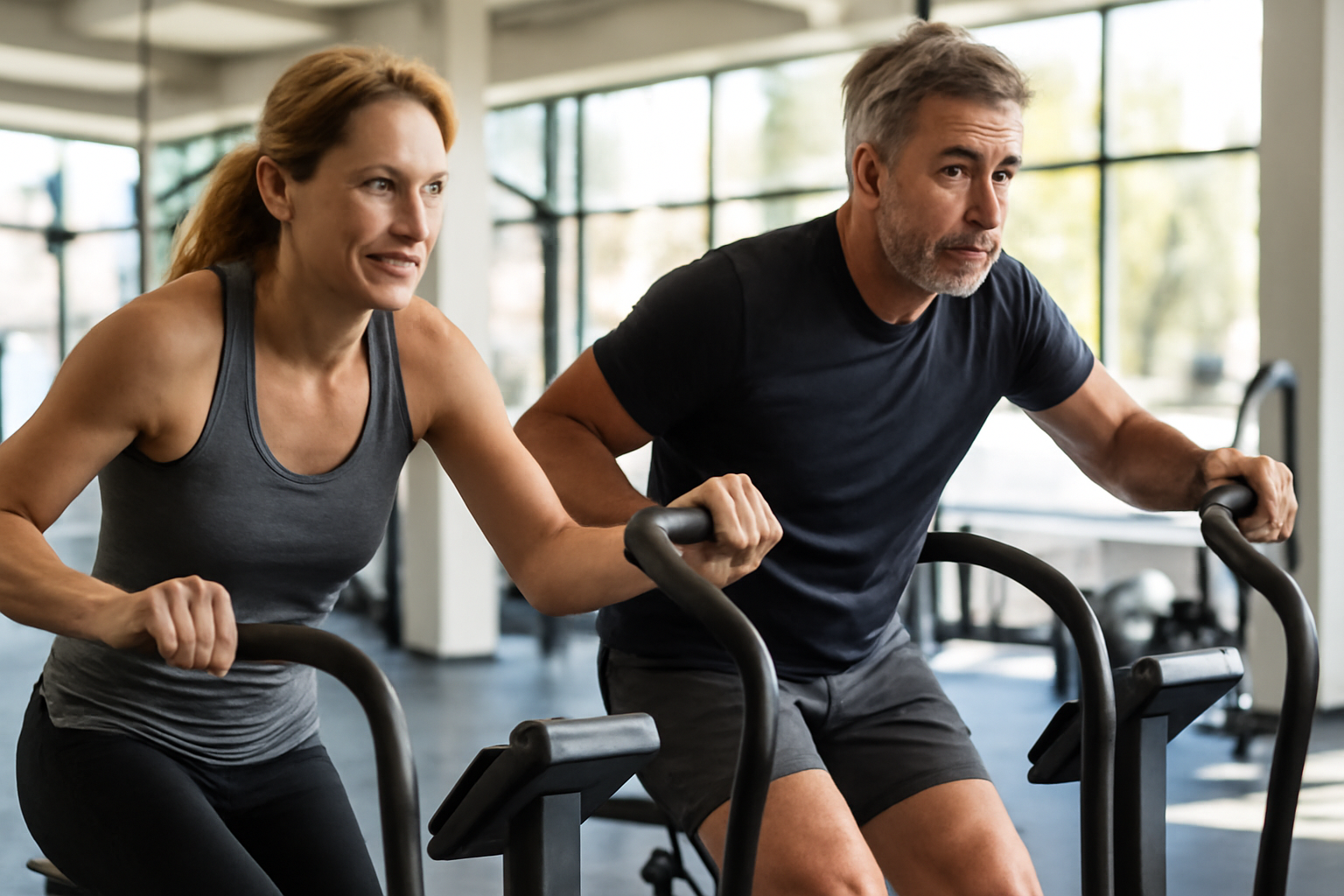
    High-intensity interval training — commonly called HIIT — is a form of cardiovascular exercise that alternates between short bursts of intense effort and recovery periods of lower-intensity movement or rest. A typical HIIT session might look like 30 seconds of fast cycling followed by 90 seconds of slow pedaling, repeated 8 to 10 times.

    The core mechanism is simple: pushing your heart rate into a higher zone, then allowing partial recovery, then pushing again. This cyclical stress-and-recover pattern triggers a cascade of physiological adaptations that steady-state cardio simply cannot replicate in the same amount of time.

    Why does this matter specifically after 40? Because that’s when several key biological shifts begin accelerating. Starting in your late 30s and early 40s, the body begins losing muscle mass at roughly 3 to 8 percent per decade, according to research published in the Journal of Cachexia, Sarcopenia and Muscle. Metabolic rate slows. Insulin sensitivity decreases. Cardiovascular efficiency declines. HIIT directly targets all of these changes.

    A landmark meta-analysis published in the British Journal of Sports Medicine found that HIIT produced significantly greater improvements in cardiorespiratory fitness — measured as VO2 max — compared to moderate-intensity continuous training, even when total exercise time was shorter. For time-pressed adults managing careers, families, and health appointments, that efficiency matters enormously.

    HIIT is not a single, fixed routine. It includes everything from treadmill sprint intervals to cycling, swimming, bodyweight circuits, rowing, and low-impact modifications designed specifically for people with joint concerns. The key principle is intensity relative to your own capacity — not someone else’s.

    The Real Benefits of HIIT for Adults Over 40

    The research on HIIT’s benefits for midlife adults is extensive and growing. Clinical evidence supports meaningful improvements across multiple health domains that are especially relevant to this age group.

    Cardiovascular health: The American Heart Association has recognized HIIT as an effective strategy for improving cardiovascular function in adults with and without heart disease. Research suggests it improves arterial flexibility, reduces resting blood pressure, and enhances cardiac output.

    Metabolic function and blood sugar regulation: According to the American Diabetes Association, physical activity that elevates heart rate significantly — as HIIT does — improves insulin sensitivity and glucose uptake in muscle cells. A 2023 clinical trial in Diabetes Care found that adults with prediabetes who completed 12 weeks of HIIT showed greater reductions in fasting blood glucose compared to the moderate-exercise control group.

    Fat loss and body composition: HIIT stimulates excess post-exercise oxygen consumption (EPOC) — sometimes called the "afterburn effect" — where your body continues burning calories at an elevated rate for hours after the workout ends. Studies reviewed by the NIH indicate HIIT is particularly effective at reducing visceral fat, the metabolically dangerous fat stored around internal organs that tends to accumulate in adults over 40.

    Hormonal benefits: HIIT has been shown to stimulate the release of human growth hormone (HGH) and testosterone, both of which decline naturally with age. These hormonal responses support muscle preservation, recovery, and energy levels.

    Cognitive health: Research from Johns Hopkins Medicine suggests that high-intensity aerobic exercise promotes the production of brain-derived neurotrophic factor (BDNF), a protein that supports memory, focus, and long-term cognitive health — a significant consideration given that cognitive decline risk increases with age.

    Time efficiency: Most effective HIIT sessions last 20 to 30 minutes, including warm-up and cool-down. For adults who struggle to find 60-minute workout windows, this is a practical advantage that translates directly into higher adherence rates.

    Understanding Your Body: What Changes After 40

    Before diving into a HIIT program, it’s important to understand the physiological realities of exercising in midlife. These are not reasons to avoid HIIT — they are reasons to approach it intelligently.

    Longer recovery time: Muscle recovery takes more time after 40 due to reduced levels of anabolic hormones and slower protein synthesis. What a 25-year-old might recover from in 24 hours may take you 48 to 72 hours. This is completely normal, and your program should reflect it.

    Joint considerations: Cartilage thins with age, and the risk of overuse injuries increases. High-impact HIIT modalities — like jump squats or box jumps — may need to be swapped for low-impact alternatives such as cycling, elliptical intervals, or swimming sprints. This doesn’t reduce the cardiovascular benefit; it protects your joints from cumulative damage.

    Heart rate response: Maximum heart rate naturally declines with age. The commonly used formula estimates maximum heart rate as 220 minus your age — so a 50-year-old’s estimated maximum is around 170 beats per minute. HIIT "high-intensity" zones for most adults over 40 typically target 80 to 90 percent of that estimated maximum, not 100 percent. Training at appropriate zones reduces cardiac risk while still delivering the training stimulus.

    Connective tissue vulnerability: Tendons and ligaments become less elastic after 40, making a thorough warm-up non-negotiable. Research from the Mayo Clinic suggests at least 5 to 10 minutes of progressive warm-up significantly reduces injury risk during high-intensity exercise in older adults.

    This variation from person to person is real — someone who has been exercising consistently for 20 years will have a very different baseline than someone returning to exercise after a decade away. Always calibrate your effort to your own current fitness level, not an idealized benchmark.

    How to Start HIIT Safely: A Step-by-Step Approach

    Most physicians recommend getting medical clearance before starting a new high-intensity exercise program, especially if you are over 40, have a chronic condition, or have been sedentary for an extended period. The Physical Activity Readiness Questionnaire (PAR-Q), widely used by clinicians and certified trainers, can help identify any red flags that need evaluation first.

    Once cleared, here’s how to begin safely:

    Start with a 2:1 recovery ratio. For every 30 seconds of high-intensity effort, allow 60 seconds of easy movement or rest. As your fitness improves over 4 to 6 weeks, you can gradually shift toward a 1:1 or even 1:2 work-to-rest ratio.

    Choose joint-friendly modalities first. Cycling, rowing, swimming, or using an elliptical machine places significantly less impact on hips, knees, and ankles than running or plyometric exercises. These are excellent starting points and can remain your primary HIIT tools indefinitely.

    Limit HIIT to 2 to 3 sessions per week. The NIH and most sports medicine specialists recommend that adults over 40 allow at least 48 hours between HIIT sessions for adequate recovery. More is not better — overtraining is a real risk that can lead to injury, immune suppression, and elevated cortisol levels.

    Track your perceived exertion. On a scale of 1 to 10, your high-intensity intervals should feel like a 7 to 8 — hard, but not a sprint where you can’t speak. Your recovery periods should drop back to a 3 to 4.

    Prioritize the warm-up and cool-down. A 5-to-10-minute dynamic warm-up (leg swings, hip circles, arm rotations, light marching) prepares your cardiovascular system and connective tissue. A 5-minute cool-down with light walking and static stretching supports recovery and reduces next-day soreness.

    For additional guidance on building a complete movement practice, our guide on Flexibility & Mobility Training for Adults Over 40 covers essential warm-up and recovery strategies that pair perfectly with a HIIT program.

    Sample HIIT Workouts Designed for Adults Over 40

    These sample formats are designed to be adapted to your fitness level. They are not prescriptions — always work with a certified trainer or your physician to personalize a plan.

    Beginner — Low-Impact Bike Intervals (20 minutes total):

    • 5-minute easy warm-up at comfortable pace
    • 8 rounds: 30 seconds moderate-hard effort, 90 seconds easy pedaling
    • 5-minute cool-down at gentle pace

    Intermediate — Elliptical Intervals (25 minutes total):

    • 5-minute progressive warm-up
    • 10 rounds: 40 seconds high resistance/fast pace, 60 seconds low resistance recovery
    • 5-minute cool-down with slow walking

    Advanced — Bodyweight Circuit (30 minutes total):

    • 8-minute warm-up including dynamic mobility work
    • 4 rounds of: 40 seconds each of squat to press, modified burpees (no jump), alternating reverse lunges, mountain climbers at controlled pace — with 90 seconds rest between rounds
    • 7-minute cool-down with stretching

    Pair these sessions with the strength and cardio foundations described in our articles on Strength Training After 40 and Cardio After 40 for a comprehensive, well-rounded weekly fitness routine.

    Living With a HIIT Routine: Recovery, Nutrition, and Consistency

    The long-term success of any HIIT program depends less on the workouts themselves and more on what happens between sessions. Recovery is where adaptation actually occurs.

    Sleep: The NIH identifies sleep as the single most important recovery tool. During deep sleep, your body releases growth hormone, repairs muscle tissue, and consolidates neurological patterns. Adults over 40 should aim for 7 to 9 hours of quality sleep, particularly on days following HIIT sessions.

    Protein intake: Research published in the American Journal of Clinical Nutrition suggests that adults over 40 require more dietary protein than younger adults to achieve the same muscle protein synthesis response. Most sports dietitians recommend 1.2 to 1.6 grams of protein per kilogram of body weight for active older adults, though your specific needs should be discussed with a registered dietitian or your physician.

    Hydration: Dehydration impairs performance, increases injury risk, and slows recovery. Clinical guidelines from the American College of Sports Medicine recommend consuming fluids before, during, and after exercise, with amounts varying based on sweat rate, temperature, and session intensity.

    Active recovery days: On non-HIIT days, light movement — walking, gentle yoga, or foam rolling — promotes circulation and reduces delayed onset muscle soreness (DOMS) without adding training stress. This is distinct from complete rest and generally produces better recovery outcomes.

    Progressive overload: To continue improving, your HIIT program must become progressively more challenging over time — whether through longer intervals, shorter rest periods, more rounds, or greater resistance. This principle of progressive overload is what drives continued adaptation and prevents plateaus.

    When to Call Your Doctor or Seek Emergency Care

    HIIT is safe for most adults over 40 when approached appropriately — but certain signs should prompt you to stop immediately and seek medical evaluation.

    Stop and call 911 immediately if you experience:

    • Chest pain, pressure, or tightness during or after exercise
    • Shortness of breath that is disproportionate to your effort level
    • Dizziness, lightheadedness, or sudden loss of balance
    • Heart palpitations that feel irregular or sustained
    • Sudden severe headache during exercise
    • Fainting or near-fainting episodes

    Schedule a physician visit if you notice:

    • Persistent joint pain in the knees, hips, or ankles that lasts more than 72 hours after a session
    • Unusual fatigue that doesn’t resolve with rest after 3 to 5 days
    • Resting heart rate that is consistently elevated above your normal baseline
    • Sleep disturbances or mood changes that worsen after starting HIIT
    • Any new symptoms that concern you, even if they seem unrelated to exercise

    The American Heart Association recommends that adults with known heart disease, uncontrolled hypertension, or recent cardiac events undergo a medically supervised stress test before beginning high-intensity training. This is a critical step — not an optional one.

    Frequently Asked Questions About HIIT After 40

    Is HIIT safe if I have high blood pressure?
    Clinical evidence suggests that HIIT can actually help lower blood pressure over time, but it must be approached carefully. Extremely intense intervals can cause acute spikes in blood pressure during exertion. Most cardiologists recommend starting with moderate-intensity intervals and getting clearance from your physician before beginning. Never start HIIT for hypertension management without medical supervision.

    How is HIIT different from regular cardio for someone my age?
    Traditional steady-state cardio — like walking or jogging at a consistent pace — primarily trains your aerobic energy system. HIIT additionally recruits anaerobic pathways, preserves and builds muscle mass more effectively, and produces greater improvements in VO2 max per unit of time. Both have their place, and most fitness experts recommend combining them rather than choosing one exclusively.

    How long before I see results from HIIT?
    Research suggests that measurable cardiovascular improvements can begin appearing within 2 to 4 weeks of consistent HIIT training. Visible changes in body composition typically emerge over 8 to 12 weeks with consistent effort and appropriate nutrition. This varies from person to person depending on starting fitness, sleep quality, diet, and genetics.

    Can I do HIIT if I have knee pain or arthritis?
    Many people with mild to moderate knee concerns can participate in low-impact HIIT using cycling, swimming, or seated rowing. High-impact modalities involving jumping or running are generally not recommended without physician and physical therapist clearance. Always consult your orthopedist or sports medicine physician before starting HIIT if you have an active joint condition.

    Do I need a gym or special equipment to do HIIT?
    No. Effective HIIT can be performed entirely with bodyweight at home. Exercises like modified burpees, step-touches, marching in place at high intensity, stair climbing intervals, or resistance band circuits require no gym membership or equipment. The essential ingredient is effort — not equipment.

    Conclusion

    HIIT after 40 isn’t about chasing the workouts you saw on social media or competing with a younger version of yourself. It’s about using one of the most well-researched, time-efficient exercise strategies available to protect your heart, preserve your muscle, regulate your metabolism, and feel genuinely better in your body.

    The science is clear: with appropriate modifications, proper warm-up, adequate recovery, and physician clearance when needed, high-intensity interval training can be both safe and profoundly effective for adults in midlife and beyond.

    Start where you are. Progress steadily. Listen to your body. And always keep your healthcare provider in the loop as your program evolves. Your best years of fitness may very well be ahead of you.


    Medical Disclaimer: This article is for informational and educational purposes only. It does not constitute medical advice, diagnosis, or treatment. Always consult your physician or a qualified healthcare provider before making changes to your health routine or treatment plan.

    Medically reviewed by our editorial health team. Content follows evidence-based standards aligned with CDC and NIH guidelines.

  • Flexibility & Mobility Training: The Complete Guide for Adults Over 40

    Flexibility & Mobility Training: The Complete Guide for Adults Over 40

    Flexibility & Mobility Training: The Complete Guide for Adults Over 40

    Why stretching and joint mobility work may be the most overlooked — and most important — fitness habit you can build after 40.

    Margaret, 54, had been faithfully logging her 10,000 steps a day and hitting the gym three times a week. But every morning, she woke up stiff, her hips aching before she even got out of bed. "I thought pain was just part of getting older," she told her physical therapist. It isn't — and the solution turned out to be something she had been skipping entirely: dedicated flexibility and mobility training.

    According to the American College of Sports Medicine (ACSM), most American adults fall dramatically short of flexibility exercise recommendations, with the problem worsening significantly after age 40. Yet clinical evidence consistently shows that targeted mobility work reduces injury risk, improves balance, enhances athletic performance, and may meaningfully reduce chronic pain — without a single prescription.

    In this guide, you'll learn exactly what flexibility and mobility training are, why they become critical after 40, what the research says about their benefits, and how to build a practical, safe routine that works alongside the cardio and strength work you're already doing.

    What Are Flexibility and Mobility — And Why They're Different?

    These two terms are often used interchangeably, but clinically they describe distinct physical qualities — and training both is important.

    Flexibility refers to the ability of a muscle or muscle group to lengthen passively through a range of motion. When you hold a hamstring stretch, you're working flexibility. It's largely a property of the muscle tissue itself.

    Mobility refers to the ability of a joint to move actively through its full, intended range of motion with control. Hip mobility, for example, determines how well your hip joint can move during a squat, a walking stride, or simply getting up from a chair. Mobility involves muscles, tendons, ligaments, joint capsules, and the nervous system working together.

    Research published by the National Institutes of Health confirms that both flexibility and mobility decline progressively with age, beginning as early as the mid-30s. By age 50, most adults have lost a measurable percentage of their youthful range of motion — contributing to the stiffness, postural changes, and injury vulnerability that many people mistakenly accept as inevitable.

    The good news: this decline is largely reversible with consistent, targeted training. The body responds to mobility and flexibility work at virtually any age.

    Signs Your Flexibility and Mobility Need Attention

    Many adults don't realize their mobility is declining until a problem — a fall, a pulled muscle, or chronic joint pain — forces the issue. Watch for these signs:

    Early Warning Signs

    • Morning stiffness lasting more than 20–30 minutes
    • Difficulty reaching overhead without shoulder discomfort
    • Tightness in the hips, hamstrings, or lower back during daily activities
    • Decreased stride length when walking
    • Needing to use your hands to push up from a low chair or floor
    • Noticing your posture rounding forward over time

    More Advanced Indicators

    • Joint pain during or after activities that were previously comfortable
    • Frequent muscle strains or "tweaks" with ordinary movements
    • Difficulty with balance tasks, such as standing on one leg
    • Reduced walking speed or changes in gait
    • Neck stiffness that limits shoulder-checking while driving

    A 2022 study published in the Journal of Aging and Physical Activity found that adults over 45 with measurably reduced hip and ankle mobility were significantly more likely to experience fall-related injuries — underscoring why mobility screening is increasingly recommended at annual checkups.

    Causes and Risk Factors for Declining Flexibility After 40

    Understanding why flexibility and mobility decline helps you target your training more effectively.

    Biological Changes

    With age, collagen fibers — the structural protein in tendons, ligaments, and connective tissue — become less elastic and more cross-linked, making tissue stiffer. Synovial fluid, which lubricates joints, decreases in volume and quality. Muscle mass itself begins declining (a process called sarcopenia) starting around age 35–40, which affects the strength needed to support joint mobility.

    Lifestyle Factors

    Prolonged sitting is one of the most significant contributors to mobility loss in American adults. The CDC reports that American adults spend an average of 6–8 hours per day seated. This compresses the hip flexors, shortens the hamstrings, and contributes to thoracic spine (upper back) stiffness over time.

    Other major risk factors include:

    • Physical inactivity: Tissues adapt to the ranges of motion you regularly use — or lose the ranges you don't.
    • Previous injuries: Scar tissue and compensatory movement patterns reduce mobility in affected joints.
    • Chronic dehydration: Connective tissue requires adequate hydration to maintain elasticity.
    • Inflammatory conditions: Osteoarthritis, rheumatoid arthritis, and related conditions directly affect joint range of motion.
    • Stress and poor sleep: Both increase muscle tension and impair tissue recovery, research from the NIH suggests.

    Individual Variation

    It's important to note: flexibility varies considerably from person to person, even among people of the same age. Genetics, joint anatomy, training history, and body composition all play a role. This variation is completely normal, and your goal should always be to improve your own baseline — not to compare yourself to others.

    Assessment: How Your Doctor or Physical Therapist Evaluates Mobility

    If you're experiencing joint pain, significant stiffness, or changes in your walking pattern, a professional assessment is the right first step before beginning a new mobility program.

    What a Functional Mobility Assessment Includes

    • Goniometry: A simple tool used to measure the degrees of range of motion in specific joints
    • Functional Movement Screen (FMS): A standardized series of seven movement tests widely used by physical therapists and certified trainers to identify mobility restrictions and asymmetries
    • Thomas Test: Evaluates hip flexor tightness
    • Overhead squat assessment: Reveals restrictions in the ankles, hips, thoracic spine, and shoulders simultaneously
    • Balance tests: Such as the single-leg stance test, which is predictive of fall risk in older adults

    When to Seek a Professional Assessment

    Most physicians recommend evaluation if you notice joint swelling, sharp pain with movement, significant asymmetry between sides (for example, one hip that moves dramatically less than the other), or any neurological symptoms such as tingling or numbness associated with stiffness. If you're over 60 or managing a condition like osteoporosis or osteoarthritis, a physical therapist evaluation before beginning a new routine is particularly advisable.

    Evidence-Based Flexibility and Mobility Training Options

    The good news for adults over 40 is that there are multiple effective, well-researched approaches to improving flexibility and mobility. Most physicians and physical therapists recommend combining more than one method.

    Static Stretching

    The most familiar form of flexibility training, static stretching involves holding a stretch position for 20–60 seconds without movement. Research suggests that static stretching performed consistently — at least 4–5 days per week — produces measurable improvements in muscle length and joint range of motion within 4–8 weeks.

    Clinical evidence from the ACSM recommends holding each major muscle group stretch for 10–30 seconds (up to 60 seconds for older adults) and repeating 2–4 times. The key: static stretching is most effective when the muscle is already warm — meaning after exercise or after a warm shower, rather than first thing in the morning on cold tissues.

    Dynamic Mobility Work

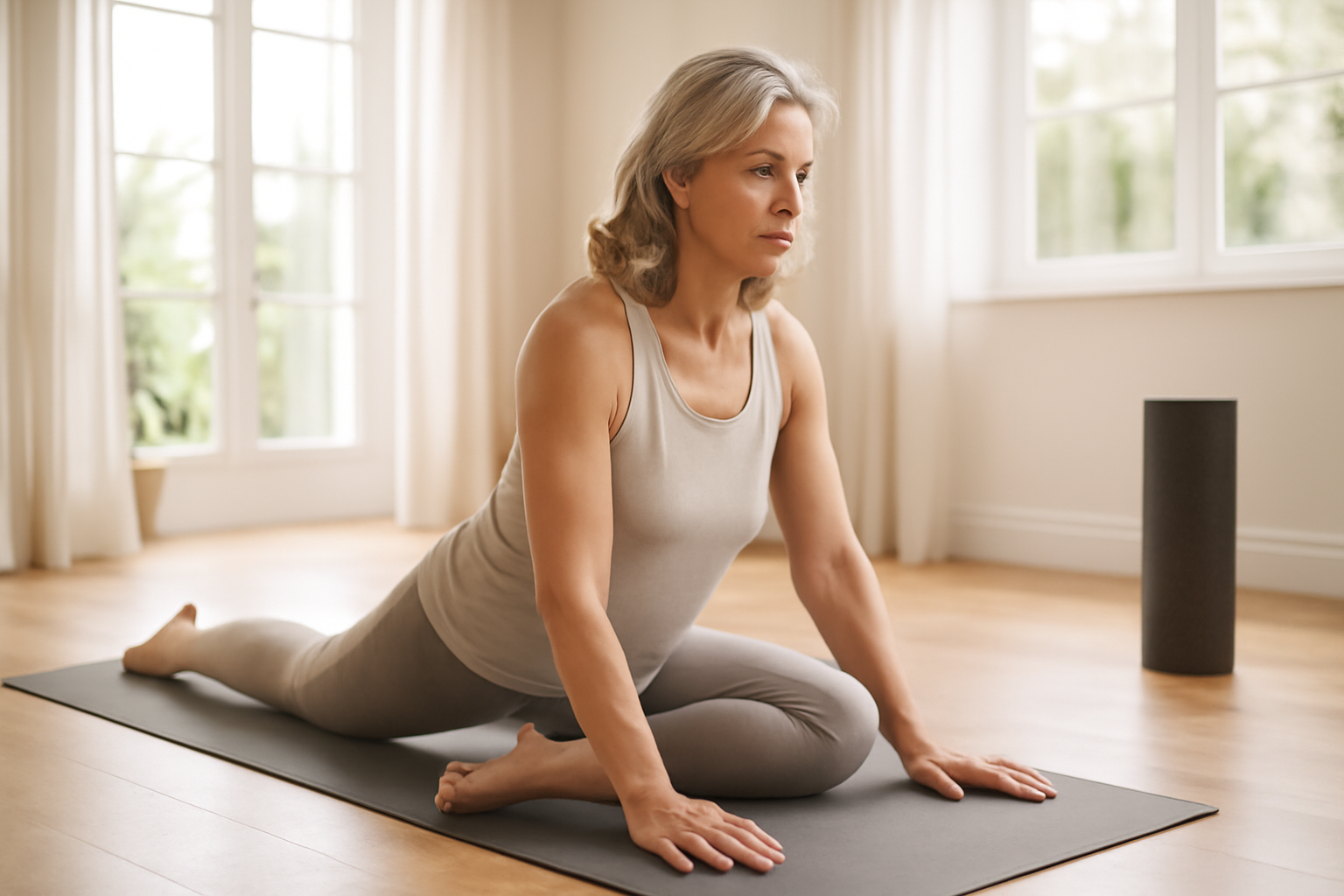
    Dynamic mobility exercises involve controlled, active movement through a joint's range of motion — think leg swings, hip circles, thoracic rotations, or arm circles. This approach is particularly valuable before exercise as a warmup because it increases circulation, activates the muscles you're about to use, and lubraces joints without reducing the muscle activation needed for strength activities.

    Unlike static stretching performed before exercise (which research suggests may temporarily reduce muscle power output), dynamic mobility work prepares the body for activity without that tradeoff.

    Yoga and Pilates

    Both yoga and Pilates have accumulated strong clinical evidence for improving flexibility, balance, and functional mobility in adults over 40. A 2023 systematic review published in the Journal of Physical Therapy Science found that regular yoga practice significantly improved spinal flexibility and balance in adults aged 45–70, with benefits appearing within 8–12 weeks of consistent practice.

    Pilates, which emphasizes core stability alongside mobility, is frequently recommended by physical therapists for adults with lower back pain or recovering from joint injuries.

    Foam Rolling and Self-Myofascial Release

    Foam rolling applies targeted pressure to the myofascia — the connective tissue surrounding muscles — helping to release knots and restrictions. Clinical evidence indicates foam rolling can meaningfully improve range of motion when used consistently before stretching or exercise. It also appears to reduce delayed onset muscle soreness (DOMS) after strength training — a benefit that many adults over 40 find particularly valuable given longer recovery times.

    Tai Chi

    Tai chi, a gentle movement practice involving slow, deliberate sequences, has some of the strongest evidence for fall prevention and balance improvement in older adults. The CDC specifically lists tai chi as a recommended evidence-based fall prevention intervention — a significant endorsement for adults over 60.

    For guidance on complementary training approaches, you may find it helpful to review our Strength Training After 40: The Complete Guide to Building Muscle Safely, as strength and mobility training work synergistically to protect joint health.

    Building Your Flexibility and Mobility Routine: A Practical Framework

    Based on ACSM guidelines and physical therapy best practices, here is a realistic framework for adults over 40 who want to build consistent mobility work into their weekly schedule.

    Frequency

    Most physicians and physical therapists recommend flexibility and mobility training at least 3–5 days per week. Daily practice produces the most significant improvements for adults who are starting from a notably restricted baseline.

    A Simple Daily Mobility Sequence (15–20 Minutes)

    • Thoracic spine rotations — 10 reps per side (addresses upper back stiffness from sitting)
    • Hip 90/90 stretch — 60 seconds per side (targets hip internal and external rotation)
    • Cat-cow stretch — 10 slow reps (spinal mobility and lower back relief)
    • World's greatest stretch — 5 reps per side (comprehensive hip, hamstring, and thoracic opener)
    • Ankle circles and calf stretches — 30 seconds each side (critical for balance and fall prevention)
    • Doorway chest stretch — 30–60 seconds (counteracts rounded posture from screen use)

    Integration With Cardio and Strength Training

    Use dynamic mobility work (5–10 minutes) before your cardio or strength sessions, and static stretching after. This sequencing aligns with current clinical recommendations and helps you get the full benefit of both your mobility work and your primary workout.

    For adults new to structured cardio, our Cardio After 40: The Complete Guide to Heart-Healthy Exercise provides complementary guidance on building heart-healthy habits safely.

    Progression

    Begin with gentle ranges and increase depth gradually over weeks — never force a stretch to the point of sharp pain. Mild tension is expected; pain is a signal to back off. Most adults over 40 notice meaningful improvement in 4–8 weeks of consistent practice.

    When to Call Your Doctor — Red Flags and Emergency Signs

    While flexibility and mobility training is generally very safe, certain symptoms should prompt you to speak with your physician before continuing or starting a program.

    Contact Your Doctor If You Experience:

    • Joint swelling, warmth, or redness accompanying stiffness (may indicate inflammatory arthritis or infection)
    • Sharp, shooting, or electric pain during stretching — particularly down an arm or leg (possible nerve involvement)
    • Stiffness that is significantly worse in the morning and takes more than an hour to improve (a potential sign of inflammatory conditions such as rheumatoid arthritis or polymyalgia rheumatica)
    • A new "locking" or "catching" sensation in a joint
    • Any joint that has recently been injured, swollen, or surgically repaired
    • Significant asymmetry between the two sides of your body that you haven't previously noticed

    Seek Emergency Care Immediately If You Have:

    • Sudden, severe joint or back pain following a fall or impact
    • Numbness, weakness, or loss of bladder or bowel control associated with back or neck pain (seek emergency evaluation immediately)
    • Chest pain, shortness of breath, or dizziness during any exercise

    What to Tell Your Doctor at Your Next Visit

    Mention any areas of persistent stiffness, pain with specific movements, or changes in your walking pattern or balance. A brief physical therapy referral can make a significant difference — and most insurance plans cover physical therapy for mobility-related concerns when ordered by a physician.

    Frequently Asked Questions

    Is it too late to improve flexibility after 50 or 60?

    Absolutely not. Research consistently shows that adults in their 50s, 60s, and beyond respond well to flexibility and mobility training. A landmark NIH-supported study found significant range-of-motion improvements in adults aged 65–85 after a structured 10-week stretching program. The body retains the capacity to adapt at virtually any age — it simply may require slightly more time and consistency than it did at 25.

    Should I stretch before or after exercise?

    Current clinical evidence recommends dynamic mobility work (active movements like leg swings or hip circles) before exercise to warm up the joints and activate muscles. Static stretching — the hold-and-breathe type — is best reserved for after exercise, when tissues are warm and most receptive to lengthening. Stretching cold muscles before exercise may reduce power output without meaningfully reducing injury risk.

    How long does it take to see results from a mobility routine?

    Most people notice initial improvements in how they feel within 2–3 weeks of consistent daily practice. Measurable range-of-motion improvements typically become apparent within 4–8 weeks. Significant long-term gains — the kind that change how you move through daily life — generally require 3–6 months of consistent practice. This varies from person to person.

    Can mobility training help with chronic back pain?

    Research suggests yes, for many people. A 2023 Cochrane review found that stretching and mobility exercises were among the most effective non-pharmacological interventions for chronic non-specific lower back pain. However, it's critical to get a proper diagnosis before self-treating, as some causes of back pain (such as disc herniation or spinal stenosis) require modified approaches that your physical therapist or physician can guide you through.

    What is the difference between mobility training and physical therapy?

    Physical therapy is a medically supervised, individualized treatment designed to address specific diagnoses, injuries, or post-surgical recovery. Mobility training, as described in this guide, is a general wellness practice appropriate for most healthy adults. If you have a specific condition, injury, or significant pain, physical therapy is the appropriate starting point — and a physical therapist can then guide you toward an independent maintenance routine.

    Conclusion: Move Better, Live Better

    Flexibility and mobility training may not carry the same cultural cachet as running a 5K or lifting heavy weights — but the evidence increasingly shows it belongs at the foundation of any complete fitness plan, especially for adults over 40.

    The stiffness and limited range of motion that so many people accept as an inevitable part of aging is, for most, a trainable condition. With consistent, structured mobility work — even just 15–20 minutes a day — clinical research suggests you can move with less pain, reduce your injury and fall risk, improve your posture, and feel significantly better in daily life.

    Start where you are, progress gradually, and make it a consistent habit. And as always, work with your physician or physical therapist to tailor any new program to your specific health history and goals. Your future self will thank you.


    Medical Disclaimer: This article is for informational and educational purposes only. It does not constitute medical advice, diagnosis, or treatment. Always consult your physician or a qualified healthcare provider before making changes to your health routine or treatment plan.

    Medically reviewed by our editorial health team. Content follows evidence-based standards aligned with CDC and NIH guidelines.

  • Cardio After 40: The Complete Guide to Heart-Healthy Exercise

    Cardio After 40: The Complete Guide to Heart-Healthy Exercise

    Your heart is a muscle — and like every other muscle in your body, it gets stronger or weaker depending on how you train it.

    Mark, 52, had always assumed that running was for younger people. After his annual physical revealed borderline high blood pressure and a resting heart rate of 88 beats per minute, his doctor gave him a direct recommendation: start doing cardio, consistently. Six months later, his blood pressure was back in the normal range, and he felt better than he had in his 30s.

    His story isn’t unusual. According to the American Heart Association, cardiovascular disease remains the leading cause of death in the United States, responsible for roughly one in every five deaths. Yet research consistently shows that regular aerobic exercise — the kind that gets your heart pumping — is one of the most powerful tools available for preventing and managing heart disease, type 2 diabetes, high blood pressure, and even certain cancers.

    If you’re over 40 and wondering how to start or improve your cardio routine safely, this guide covers everything you need to know: the science behind cardiovascular fitness, how your body changes with age, the best types of cardio for different goals, and how to build a sustainable routine that actually works for your life.

    What Is Cardiovascular Exercise — And Why Does It Matter After 40?

    Cardiovascular exercise, often called cardio or aerobic exercise, refers to any physical activity that raises your heart rate and keeps it elevated for a sustained period. The word "aerobic" literally means "with oxygen," reflecting how your body uses oxygen to produce energy during these activities.

    Common examples include brisk walking, jogging, cycling, swimming, dancing, rowing, and group fitness classes. What they all share is a demand on your heart, lungs, and circulatory system to deliver more oxygen-rich blood to working muscles.

    After age 40, cardio becomes especially important. Research published in the Journal of the American College of Cardiology found that adults who engaged in regular moderate-intensity aerobic activity had a significantly lower risk of cardiovascular events compared to sedentary peers. The CDC recommends that adults get at least 150 minutes of moderate-intensity aerobic activity per week — yet fewer than 25% of American adults actually meet that guideline.

    Biologically, your maximum heart rate declines by roughly one beat per minute each year after age 20. Your cardiovascular efficiency, known as VO2 max — the maximum amount of oxygen your body can use during exercise — also decreases with age. The encouraging news: regular cardio exercise has been shown to slow this decline significantly, meaning you have real control over how your heart ages.

    How Your Body Changes After 40 (And What That Means for Cardio)

    Understanding the physiological shifts that happen after 40 helps you exercise smarter, not just harder.

    Heart and lung efficiency: Cardiac output — the amount of blood your heart pumps per minute — tends to decrease with age. Your lungs also become slightly less elastic, making gas exchange a bit less efficient. This is why activities that used to feel easy may feel harder than you remember.

    Slower recovery: After 40, your body takes longer to repair micro-damage from exercise. Inflammation clears more slowly, and glycogen (your muscles’ stored fuel) is replenished at a reduced rate. This means rest days are not optional — they’re a core part of your training program.

    Hormonal shifts: Declining estrogen in women and testosterone in men after 40 affects muscle mass, metabolism, and even motivation to exercise. These hormonal changes can make it easier to gain body fat and harder to maintain cardiovascular endurance. Regular aerobic exercise helps counteract these effects by improving insulin sensitivity and supporting healthy hormone regulation.

    Joint changes: Cartilage in joints like the knees and hips naturally thins over time, making high-impact activities more demanding. This doesn’t mean you can’t run or jump — but it does mean you should build up gradually and choose impact-appropriate surfaces.

    According to the NIH’s National Institute on Aging, regular aerobic exercise can offset many of these age-related changes, helping preserve cardiovascular function, metabolic health, and cognitive performance well into your 60s and 70s.

    Types of Cardio: Finding the Right Fit for Your Body and Goals

    Not all cardio is the same — and the "best" type depends on your current fitness level, health conditions, and what you genuinely enjoy doing.

    Low-impact cardio is ideal for beginners, those returning from injury, or anyone with joint concerns. Options include:

    • Brisk walking (one of the most studied forms of exercise for long-term health)
    • Swimming and water aerobics (excellent joint protection with high caloric burn)
    • Cycling (stationary or outdoor)
    • Elliptical training
    • Rowing (great for full-body engagement)

    Moderate-impact cardio suits those with a reasonable fitness base who want more cardiovascular challenge:

    • Jogging or running
    • Dance fitness classes
    • Hiking on varied terrain
    • Kickboxing (low-contact versions)

    High-Intensity Interval Training (HIIT) alternates short bursts of intense effort with recovery periods. A 2022 meta-analysis in the British Journal of Sports Medicine found that HIIT produces superior improvements in VO2 max compared to moderate continuous training — in less total exercise time. For adults over 40, modified HIIT with longer recovery intervals and lower-impact movements can be highly effective and time-efficient.

    Clinical evidence suggests that the most effective cardio program is one you’ll actually stick to. This varies from person to person — some thrive with structured gym sessions, others need the social motivation of a group class or the mental reset of an outdoor walk. Matching cardio type to your personality and lifestyle is just as important as the physiological variables.

    How to Structure Your Cardio Routine: Frequency, Intensity, and Duration

    The most practical framework for cardio programming is the FITT principle: Frequency, Intensity, Time, and Type.

    Frequency: The American Heart Association recommends at least 5 days per week of moderate-intensity cardio, or at least 3 days per week of vigorous-intensity cardio, for adults. If you’re new to exercise, starting with 3 days per week and building progressively is a smart approach.

    Intensity: Intensity is most accurately tracked using heart rate zones. A simple formula for your maximum heart rate is 220 minus your age. For moderate-intensity exercise, aim for 50-70% of that maximum. For vigorous intensity, aim for 70-85%. Most fitness trackers and smartwatches now calculate this automatically.

    A more accessible tool is the "talk test": during moderate-intensity exercise, you should be able to hold a conversation but not sing comfortably. During vigorous exercise, you should only be able to say a few words at a time.

    Time: The 150-minute weekly guideline can be spread across sessions however suits you. Three 50-minute walks, five 30-minute bike rides, or ten 15-minute sessions — research supports the idea that accumulating minutes throughout the day counts toward your total.

    Progressive overload: Just as with strength training, your cardiovascular system adapts to the demands you place on it. The 10% rule suggests increasing your weekly cardio volume by no more than 10% per week to minimize injury risk and allow your body to adapt gradually.

    For more on combining cardio with resistance work, see our guide on Strength Training After 40: The Complete Guide to Building Muscle Safely.

    The Health Benefits of Regular Cardio After 40

    The evidence base for cardiovascular exercise is among the most robust in all of preventive medicine. Here’s what the research consistently supports:

    Heart health: Regular aerobic exercise lowers resting blood pressure, reduces LDL ("bad") cholesterol, raises HDL ("good") cholesterol, and improves the elasticity of blood vessels. A landmark NIH-funded study found that even modest amounts of aerobic activity — as little as 75 minutes per week of brisk walking — were associated with a 19% lower risk of cardiovascular disease compared to no activity.

    Metabolic health: Cardio improves insulin sensitivity, which is critical for preventing and managing type 2 diabetes. The American Diabetes Association recommends aerobic exercise as a first-line intervention for blood sugar management in adults with prediabetes and type 2 diabetes.

    Weight management: While nutrition plays the dominant role in weight management, regular cardio contributes significantly to caloric expenditure and helps preserve metabolically active muscle tissue during weight loss.

    Brain health: Research from Harvard Medical School indicates that aerobic exercise promotes the release of BDNF (brain-derived neurotrophic factor), a protein that supports the growth and survival of brain cells. Regular cardio has been linked to reduced risk of dementia, improved memory, and better executive function in adults over 50.

    Mental health: Clinical evidence indicates that aerobic exercise is as effective as antidepressant medication for mild to moderate depression in some populations. It also reduces anxiety, improves sleep quality, and supports stress regulation through its effects on cortisol and serotonin.

    Longevity: A 2023 study from the American College of Sports Medicine found that adults with high cardiovascular fitness had a mortality risk 40% lower than their least-fit peers — a greater protective effect than most pharmaceutical interventions.

    Common Mistakes to Avoid When Doing Cardio After 40

    Starting or returning to cardio after 40 comes with specific pitfalls that can undermine your progress or lead to injury.

    Skipping the warm-up: Your connective tissues and muscles take longer to reach optimal working temperature after 40. A 5-10 minute dynamic warm-up — gentle movement that gradually increases blood flow — meaningfully reduces injury risk. Static stretching (holding stretches) is better suited to your cool-down.

    Doing too much too soon: One of the most common causes of setbacks is the "enthusiasm injury" — going from zero to intense exercise too quickly. Your cardiovascular system adapts faster than your tendons, ligaments, and joints. Even if your lungs feel fine, your knees may not be ready for daily running.

    Ignoring recovery: Rest days are when adaptation actually happens. Overtraining — doing cardio without adequate recovery — can elevate cortisol, suppress immune function, disrupt sleep, and paradoxically decrease cardiovascular fitness. Most adults over 40 benefit from at least 2 non-consecutive rest or active recovery days per week.

    Only doing cardio: Aerobic exercise and strength training work synergistically. Research published in the Journal of Strength and Conditioning Research found that combining both modalities produced better outcomes for cardiovascular risk markers, body composition, and functional fitness than either approach alone. Consider pairing your cardio routine with the principles outlined in our Strength Training After 40 guide for a more complete program.

    When to Call Your Doctor — And Emergency Signs During Exercise

    Most healthy adults can begin a moderate walking program without medical clearance. However, certain circumstances require professional evaluation before starting or significantly increasing cardio intensity.

    Schedule an appointment with your doctor before starting cardio if you have:

    • A known heart condition or family history of early cardiac events
    • Uncontrolled high blood pressure or diabetes
    • Chronic joint pain, recent surgery, or unhealed injuries
    • Dizziness, shortness of breath, or chest tightness during everyday activities
    • Been sedentary for more than a year

    Stop exercising immediately and call 911 if you experience:

    • Chest pain, pressure, or tightness during or after exercise
    • Pain radiating to your jaw, left arm, or back
    • Sudden severe shortness of breath that doesn’t improve with rest
    • Fainting or near-fainting (presyncope)
    • Heart palpitations that feel irregular, fluttering, or accompanied by dizziness
    • Sudden severe headache

    These symptoms are never normal during exercise and warrant immediate medical evaluation. The Mayo Clinic advises that while exercise discomfort (muscle burn, breathlessness proportional to effort) is expected, pain is always a signal to stop and assess.

    Frequently Asked Questions About Cardio After 40

    Is it safe to start running after 40 if I’ve never run before?

    Yes — with a gradual approach. Most physicians and sports medicine specialists recommend a run-walk program for beginners, alternating short running intervals with walking recovery periods. This builds cardiovascular capacity and musculoskeletal resilience simultaneously while minimizing overuse injury risk. Getting properly fitted running shoes and running on softer surfaces initially also helps protect your joints.

    How long until I see results from cardio exercise?

    Research suggests that cardiovascular adaptations begin within the first 2-4 weeks of consistent training — you’ll likely notice improved energy, slightly lower resting heart rate, and better recovery between efforts. Visible changes in body composition typically take 6-12 weeks of consistent effort combined with appropriate nutrition. Clinical benefits like lower blood pressure can appear in as little as 4-6 weeks.

    Is walking enough cardio for someone in their 50s?

    For many adults in their 50s — particularly those with joint concerns or who are beginning after a period of inactivity — brisk walking is an excellent and evidence-backed form of cardiovascular exercise. A Harvard Health study found that walking at a moderate pace for 30 minutes per day significantly reduced the risk of heart disease, stroke, and type 2 diabetes. The key word is "brisk" — the pace should be challenging enough to elevate your heart rate into the moderate-intensity zone.

    Can cardio help with menopause symptoms?

    Clinical evidence indicates that regular aerobic exercise can help manage several common menopause symptoms, including hot flashes, mood changes, sleep disturbances, and weight gain. The North American Menopause Society includes exercise as a non-hormonal lifestyle strategy for symptom management. This varies from person to person, and combining cardio with strength training appears to provide the most benefit for bone density and metabolic health during and after menopause.

    What’s the difference between Zone 2 cardio and HIIT — and which is better?

    Zone 2 cardio refers to sustained, moderate-intensity exercise at 60-70% of maximum heart rate — the level where you can hold a conversation comfortably. It primarily trains your aerobic base and mitochondrial efficiency. HIIT alternates intense bursts with recovery, offering superior improvements in VO2 max and caloric burn per minute. Most exercise physiologists recommend building a solid Zone 2 base before adding HIIT, especially for adults over 40. For optimal cardiovascular and metabolic health, a combination of both appears most effective based on current research.

    Conclusion: Your Heart Gets Stronger Every Time You Move

    The science is clear and empowering: it is never too late to build a stronger, healthier cardiovascular system. Whether you’re starting from the couch or looking to elevate an existing routine, cardio exercise after 40 offers measurable, meaningful benefits — for your heart, your brain, your metabolism, and your quality of life.

    The most important step is the first one. You don’t need a perfect plan or an expensive gym membership. You need consistency, a little patience, and the willingness to listen to your body. Start with what’s manageable, progress gradually, and prioritize activities you genuinely enjoy.

    Talk with your doctor about your current fitness level and any health conditions before making significant changes to your exercise routine. With the right approach, your 40s, 50s, and 60s can genuinely be your strongest, healthiest decades yet.


    Medical Disclaimer: This article is for informational and educational purposes only. It does not constitute medical advice, diagnosis, or treatment. Always consult your physician or a qualified healthcare provider before making changes to your health routine or treatment plan.

    Medically reviewed by our editorial health team. Content follows evidence-based standards aligned with CDC, NIH, and American Heart Association guidelines.

  • Strength Training After 40: The Complete Guide to Building Muscle Safely

    Strength Training After 40: The Complete Guide to Building Muscle Safely

    Your muscles don’t have to shrink with age — but they will unless you give them a reason not to.

    Introduction

    When Michael turned 47, he noticed something that stopped him cold: climbing a single flight of stairs left him winded, and his arms — once strong enough to move furniture without help — felt weaker than he remembered. His doctor gave him a straightforward message at his annual checkup: "You’re losing muscle. And if you don’t start resistance training, this will get worse every year."

    Michael’s experience is far from unusual. According to the National Institutes of Health (NIH), adults lose between 3% and 8% of their muscle mass per decade after age 30 — a process called sarcopenia. After age 60, that rate can accelerate significantly. The consequences go beyond looking or feeling weaker. Muscle loss is directly linked to falls, fractures, metabolic decline, insulin resistance, and reduced quality of life.

    The good news? Strength training after 40 is one of the most powerful tools medicine and exercise science offer for reversing this trend. In this guide, you’ll learn what the research says, how to start safely, what to watch for, and how to make resistance exercise a sustainable part of your life — no matter your current fitness level.

    What Is Strength Training and Why Does It Matter After 40?

    Strength training — also called resistance training or weight training — is any form of exercise that causes your muscles to contract against an external force. That force can come from free weights, machines, resistance bands, or even your own body weight.

    After 40, this type of exercise becomes less optional and more essential. Here’s why: sarcopenia (the medical term for age-related muscle loss) doesn’t just affect how you look. It directly impairs your ability to carry groceries, get up from a chair, maintain balance, and regulate blood sugar. The CDC reports that muscle-strengthening activity is associated with a 23% lower risk of all-cause mortality and a 31% lower risk of cancer mortality in adults.

    Beyond muscle preservation, strength training after 40 delivers a cascade of benefits that are especially relevant for middle-aged and older adults:

    • Improved bone density, reducing osteoporosis risk
    • Better insulin sensitivity and blood sugar control
    • Reduced chronic pain, particularly in the lower back and knees
    • Enhanced cardiovascular health
    • Improved sleep quality and mood
    • Greater functional independence as you age

    Clinical evidence published in the journal Medicine & Science in Sports & Exercise indicates that even adults who begin resistance training in their 40s, 50s, and 60s can achieve significant gains in both muscle mass and strength — often comparable to those seen in younger adults when training protocols are appropriately designed.

    Signs Your Body May Be Losing Muscle Strength

    Many adults over 40 experience early signs of muscle decline without recognizing them as part of a larger pattern. Understanding these signs can help you take action before the effects become significant.

    Early signs to watch for:

    • Feeling fatigued after activities that once felt easy
    • Difficulty carrying groceries or lifting moderate weights
    • Reduced grip strength (struggling to open jars, for example)
    • Slower recovery after physical activity
    • Noticeable decrease in muscle definition or tone
    • Gaining body fat despite no change in diet

    More advanced signs that warrant a doctor visit:

    • Frequent falls or difficulty maintaining balance
    • Trouble rising from a chair without using your arms for support
    • Unexplained weight loss alongside muscle wasting
    • Persistent joint pain that limits physical activity

    Research from Johns Hopkins Medicine suggests that grip strength alone is a reliable predictor of overall muscle health and even cardiovascular risk. If your grip strength has declined noticeably over the past few years, it may be worth discussing with your physician.

    It’s important to note that this varies from person to person. Genetics, hormone levels, prior activity history, and nutrition all influence how quickly muscle loss progresses.

    Causes and Risk Factors for Age-Related Muscle Loss

    Understanding what drives sarcopenia helps you address it more effectively. The causes are rarely singular — most adults deal with a combination of biological, lifestyle, and nutritional factors.

    Biological factors:

    • Hormonal shifts: Declining testosterone in men and estrogen in women after 40 reduce the body’s ability to synthesize muscle protein. Testosterone levels in men fall approximately 1% per year after age 30, according to the American Urological Association.
    • Reduced growth hormone: The pituitary gland produces less growth hormone with age, further slowing muscle repair and regeneration.
    • Neurological changes: Motor neurons — the nerve cells that signal muscles to contract — gradually decline in number and efficiency with age.

    Lifestyle risk factors:

    • Sedentary behavior or low physical activity levels
    • Insufficient protein intake (a major and often overlooked factor)
    • Chronic sleep deprivation, which impairs muscle recovery
    • Smoking, which accelerates muscle protein breakdown
    • Excessive alcohol consumption
    • Prolonged periods of bed rest or immobility (even short ones, such as recovery from surgery)

    Medical conditions that increase risk:

    • Type 2 diabetes
    • Chronic kidney disease
    • Rheumatoid arthritis
    • Chronic obstructive pulmonary disease (COPD)
    • Depression and other mood disorders that reduce motivation to stay active

    The CDC estimates that only about 24% of American adults aged 18 to 64 meet both aerobic and muscle-strengthening physical activity guidelines. Among adults over 65, that number drops even further — making age-appropriate strength training an urgent public health priority.

    Getting Started: What to Expect and How to Do It Safely

    Starting a strength training program after 40 doesn’t require a gym membership, a personal trainer, or prior athletic experience. But it does require a thoughtful approach — especially if you have existing health conditions or haven’t exercised regularly in years.

    Before you begin: Most physicians recommend getting medical clearance before starting a new resistance training program, particularly if you have cardiovascular disease, high blood pressure, diabetes, joint problems, or have been sedentary for an extended period. A brief conversation with your doctor can help identify any specific modifications you may need.

    Starting principles for adults over 40:

    • Begin with compound movements: Exercises that engage multiple muscle groups simultaneously — such as squats, deadlifts, push-ups, and rows — deliver the most benefit per unit of effort and build functional strength relevant to daily life.
    • Prioritize form over weight: Poor technique is the primary driver of injury in new exercisers. Start light, focus on controlled movement, and increase resistance only when your form is consistent.
    • Train 2 to 3 days per week: The American College of Sports Medicine (ACSM) recommends that adults perform muscle-strengthening activities targeting all major muscle groups at least two days per week. Most research suggests three sessions per week as an effective starting point.
    • Allow adequate recovery: After 40, muscle repair takes longer than it did at 25. Most experts recommend 48 hours of rest between sessions targeting the same muscle groups.
    • Progressive overload: Gradually increasing the difficulty of your workouts — whether by adding weight, repetitions, or sets — is the fundamental principle behind building strength. Without progression, your muscles adapt and stop growing.

    Effective exercise types for adults over 40:

    • Bodyweight exercises (squats, lunges, modified push-ups, planks)
    • Resistance bands (low joint stress, excellent for beginners)
    • Free weights (dumbbells and barbells with proper instruction)
    • Weight machines (provide guided movement, good for injury recovery)
    • TRX/suspension training (scalable resistance using body weight)

    Living With a Strength Training Routine: Practical Day-to-Day Tips

    Consistency is the single most important factor in long-term results. Building a sustainable routine requires more than willpower — it requires smart planning and lifestyle integration.

    Nutrition to support your training:

    Protein is the building block of muscle tissue. Research published in the American Journal of Clinical Nutrition suggests that adults over 40 may need more protein per pound of body weight than younger adults to achieve the same rate of muscle protein synthesis. Most clinical guidelines recommend a minimum of 0.7 to 1.0 grams of protein per pound of body weight for active adults, spread across meals throughout the day.

    Prioritize whole protein sources: eggs, chicken, fish, Greek yogurt, legumes, tofu, and lean beef. Protein timing also matters — consuming a protein-rich meal or snack within an hour or two of training supports recovery, according to research from the Mayo Clinic.

    Sleep and recovery:

    The NIH recommends that adults get 7 to 9 hours of sleep per night. During deep sleep, your body releases growth hormone — the primary driver of muscle repair. Chronically poor sleep doesn’t just make you tired; it directly undermines the results of your training.

    Managing joint health:

    Many adults over 40 deal with some degree of joint discomfort. Clinical evidence suggests that low-impact strength training — especially exercises that avoid deep knee flexion or heavy overhead loading — can actually reduce joint pain over time by strengthening the muscles that support the joint. Always listen to your body and distinguish between muscle soreness (expected) and joint pain (a signal to stop and reassess).

    Tracking your progress:

    Keep a simple log of your workouts — the exercises, weights, sets, and reps. Seeing your progress over weeks and months is one of the most powerful motivators and also helps your doctor or trainer make informed adjustments to your program.

    When to Call Your Doctor: Warning Signs During Exercise

    Strength training is safe for the vast majority of adults when done correctly. However, certain symptoms during or after exercise should never be ignored.

    Stop exercising immediately and seek emergency care if you experience:

    • Chest pain, pressure, or tightness
    • Shortness of breath disproportionate to your exertion level
    • Dizziness, lightheadedness, or fainting
    • Heart palpitations or irregular heartbeat during exercise
    • Sudden, severe joint or muscle pain that is not typical soreness
    • Numbness or tingling radiating down your arm or leg

    Schedule a doctor’s visit if you notice:

    • Persistent joint swelling that doesn’t resolve with rest
    • Pain that worsens progressively despite modifications to your routine
    • Unusual fatigue that doesn’t improve after adequate recovery
    • Any sudden change in your baseline capacity or strength

    What to tell your doctor: Be specific about your training routine, the weights you’re using, how often you train, and exactly what symptoms you’re experiencing. The more detail you provide, the better equipped your physician will be to help you.

    Frequently Asked Questions About Strength Training After 40

    Q: Is it safe to lift heavy weights after 40?
    A: For most healthy adults, yes — with proper form and progressive loading. Research suggests that lifting heavier weights with lower repetitions can be just as effective and safe as lighter weights with higher reps, as long as technique is sound and recovery is prioritized. Your specific limitations will vary, so a conversation with your doctor or a certified strength coach is always a smart first step.

    Q: How long does it take to see results from strength training after 40?
    A: Most adults notice meaningful improvements in strength within 4 to 8 weeks of consistent training, even before visible muscle changes occur. Initial strength gains are largely neurological — your nervous system becomes more efficient at recruiting muscle fibers. Visible changes in muscle size and definition typically become apparent after 8 to 12 weeks of consistent effort.

    Q: Can I build muscle after 50 or 60?
    A: Yes. Clinical evidence consistently shows that adults in their 50s, 60s, and even 70s can build meaningful muscle mass and strength through resistance training. A landmark study published in the Journal of the American Medical Association found that frail nursing home residents in their 80s and 90s achieved significant strength gains after just 10 weeks of progressive resistance training.

    Q: Should I do cardio or strength training first?
    A: If you’re combining both in the same session, most exercise physiologists recommend strength training first when your energy is highest, followed by cardio. However, on separate days, both are equally effective. The best approach is one that fits your schedule and that you’ll maintain consistently.

    Q: Do I need a personal trainer to start strength training after 40?
    A: A certified personal trainer — particularly one with experience working with adults over 40 — can be extremely valuable for learning correct technique and building a safe, personalized program. However, a trainer is not strictly necessary. Many adults successfully begin with supervised group classes, online programs designed for older adults, or bodyweight-only routines guided by reputable sources such as the ACSM or the American Council on Exercise (ACE).

    Conclusion

    The research is unambiguous: strength training after 40 is one of the most evidence-backed investments you can make in your long-term health. It preserves muscle mass, supports bone density, improves metabolic function, reduces fall risk, and enhances virtually every dimension of daily life.

    You don’t need to become an athlete. You don’t need to spend hours in a gym. You need consistency, sound technique, adequate protein, and enough recovery time — all of which are within reach for most adults.

    Start where you are, not where you think you should be. Even two sessions per week of modest resistance work will put you ahead of the curve. And if you’re unsure where to begin, your primary care physician or a certified fitness professional can help you build a plan that fits your health history and lifestyle goals.

    Your strongest decade may still be ahead of you.


    Medical Disclaimer: This article is for informational and educational purposes only. It does not constitute medical advice, diagnosis, or treatment. Always consult your physician or a qualified healthcare provider before making changes to your health routine or treatment plan.

    Medically reviewed by our editorial health team. Content follows evidence-based standards aligned with CDC and NIH guidelines.