
Blog

  • Cycling for Fitness After 40: Benefits, Tips & Plans

    Cycling for Fitness After 40: Benefits, Tips & Plans

    Your joints may not love high-impact exercise anymore — but your cardiovascular system still needs a serious workout.

    Mark, 54, had been a runner for two decades. Then one morning his knees simply said no. Persistent pain forced him to stop, and within six months he had gained weight, lost energy, and felt more anxious than ever. His doctor suggested cycling. Within eight weeks of riding three times a week, Mark had dropped 12 pounds, lowered his resting heart rate, and was sleeping better than he had in years.

    His story is not unusual. According to the CDC, fewer than 25% of American adults meet the national guidelines for both aerobic and muscle-strengthening activity — and the numbers drop sharply after age 40. The reasons are familiar: joint pain, busy schedules, physical limitations, and the feeling that the workouts that once worked no longer feel safe.

    Cycling — whether outdoors or on a stationary bike — offers a powerful solution. It delivers meaningful cardiovascular, metabolic, and musculoskeletal benefits with significantly lower impact on your joints than running or other high-intensity activities. In this guide, you will learn exactly how cycling supports your health after 40, how to start safely, and how to build a sustainable routine that gets real results.

    What Is Cycling as a Fitness Activity?

    Cycling is a rhythmic, low-to-moderate impact aerobic exercise that engages the major muscle groups of the lower body — quadriceps, hamstrings, glutes, and calves — while also activating the core and, to a lesser extent, the upper body for balance and posture.

    It is classified as a non-weight-bearing exercise, meaning your body weight is supported by the seat rather than your legs, which dramatically reduces the mechanical stress placed on your knees, hips, and ankles. This makes it one of the most joint-friendly cardio options available for adults over 40.

    The American Heart Association recognizes cycling as an effective form of moderate-intensity aerobic exercise and includes it among the activities that contribute to the recommended 150 minutes of moderate aerobic activity per week for adults. Research published through the NIH confirms that regular cycling is associated with reduced risk of cardiovascular disease, type 2 diabetes, obesity, and even certain cancers.

    Cycling comes in several forms:

    • Road cycling: Outdoor riding on paved surfaces; excellent scenery and variable terrain
    • Mountain biking: Off-road trails; higher intensity and balance demands
    • Stationary or indoor cycling: Year-round accessibility, no traffic risk, controllable resistance
    • Spin classes: Group-based indoor cycling with instructor guidance and music
    • Recumbent cycling: Seated in a reclined position; ideal for those with back or hip issues

    Regardless of which format you choose, the health benefits are substantive and well-supported by clinical evidence.

    Signs Your Body Is Ready for Cycling — and Signs to Check First

    Cycling is broadly safe for most adults, but it is important to recognize when your body is signaling readiness versus when you should consult a physician before starting.

    Signs you are likely ready to begin:

    • You can walk for 30 minutes without significant discomfort
    • You have no recent unresolved cardiovascular events
    • Your blood pressure is managed, even if on medication
    • You have basic balance adequate for stationary riding or outdoor riding with support
    • Your physician has cleared you for moderate aerobic activity

    Signs to discuss with your doctor first:

    • Chest pain or shortness of breath during light activity
    • Uncontrolled hypertension (blood pressure consistently above 160/100 mmHg)
    • Severe osteoporosis or recent fractures
    • Active knee or hip replacement recovery
    • Peripheral artery disease or significant leg cramping during walking

    A 2023 review published in the Journal of Aging and Physical Activity found that supervised cycling programs were safe and beneficial for adults over 50, including those with mild to moderate cardiovascular risk factors, when initiated at low intensity and progressed gradually.

    Causes of Fitness Decline After 40 — and How Cycling Helps

    Understanding why fitness changes after 40 helps explain why cycling is such an effective countermeasure.

    Muscle loss (sarcopenia): After age 40, adults lose approximately 1% of muscle mass per year without resistance training. Cycling builds and preserves leg muscle, particularly when you ride at higher resistance or tackle inclines.

    Slowing metabolism: Basal metabolic rate declines with age due partly to hormonal shifts and partly to the muscle loss described above. Regular cycling burns significant calories — typically 400 to 600 calories per hour at moderate intensity — helping to offset this metabolic slowdown.

    Joint degeneration: Osteoarthritis affects more than 32 million Americans, according to the CDC, and becomes increasingly prevalent after 45. Unlike running, cycling moves the joint through its range of motion without excessive loading, which clinical evidence suggests may actually support cartilage health over time.

    Cardiovascular risk increase: The American Heart Association reports that cardiovascular disease risk climbs sharply in middle age. Cycling is one of the most efficient ways to improve VO2 max (a measure of cardiovascular fitness), lower resting heart rate, and reduce arterial stiffness.

    Mental health challenges: Depression and anxiety affect an estimated 16 million American adults, with rates increasing among those managing chronic illness. Clinical trials consistently show that regular aerobic exercise, including cycling, produces measurable improvements in mood, anxiety scores, and stress resilience through mechanisms involving endorphins, cortisol regulation, and neuroplasticity.

    If you are also managing weight alongside your fitness goals, our guide on exercise for weight management after 40 offers a thorough complementary framework.

    Diagnosis: Understanding Your Starting Fitness Baseline

    Before beginning a cycling routine, a brief self-assessment — ideally guided by your healthcare provider — helps you start at the right level and track meaningful progress.

    What your doctor may evaluate:

    • Resting heart rate: A healthy resting heart rate for adults is generally 60 to 100 beats per minute. Athletes often run lower. This gives you a cardiovascular baseline.
    • Blood pressure: Exercise intensity should be calibrated to your blood pressure status.
    • HbA1c and fasting glucose: If you have diabetes or prediabetes, knowing your metabolic baseline helps track how exercise improves insulin sensitivity.
    • Joint assessment: A physical therapist can identify movement restrictions or imbalances that affect bike fit and technique.
    • Body composition: Knowing your current weight, BMI, and muscle-to-fat ratio gives you a starting benchmark.

    Self-assessment tools:

    • The Talk Test: At moderate intensity, you should be able to speak in short sentences but not hold a full conversation comfortably
    • Perceived Exertion Scale (Borg Scale): Aim for a 12-14 out of 20 during moderate-intensity rides
    • Heart Rate Zones: Most fitness experts recommend targeting 50-70% of your maximum heart rate (roughly 220 minus your age) for moderate aerobic benefit

    Treatment Options: Building a Cycling Fitness Plan After 40

    A well-structured cycling plan after 40 balances cardiovascular conditioning, muscle engagement, and adequate recovery. Here is how clinical exercise science and sports medicine physicians typically recommend approaching it.

    Phase 1 — Foundation (Weeks 1-4):

    Start with 20-30 minute rides at low to moderate resistance, three times per week. Focus on smooth pedaling technique (a cadence of 80-90 RPM is widely recommended) and proper posture. Avoid the tendency to push too hard too soon — the leading cause of early burnout and overuse injury.

    Phase 2 — Building (Weeks 5-10):

    Increase session duration to 40-50 minutes. Introduce one slightly more challenging ride per week — either longer duration or moderate resistance increase. Total weekly cycling time should approach 120-150 minutes.

    Phase 3 — Conditioning (Weeks 11+):

    Meet or exceed the AHA recommendation of 150 minutes of moderate aerobic activity per week, distributed across 3-5 sessions. Incorporate interval elements: 2-3 minutes of higher effort followed by 3-4 minutes of easy pedaling. Research from Mayo Clinic suggests interval training significantly improves cardiovascular fitness and metabolic markers, even in older adults.

    Complementary practices:

    • Strength training 2x per week: Cycling is predominantly lower body. Adding upper body and core work prevents imbalances. Our article on core strength training after 40 covers this well.
    • Stretching and mobility work: Hip flexors, hamstrings, and lower back tighten during cycling. A 10-minute post-ride stretch routine supports flexibility and reduces soreness.
    • Proper bike fit: Seat height, handlebar position, and cleat alignment matter enormously. A professional bike fitting session reduces injury risk by ensuring your joints move through optimal angles.

    Living With Cycling as a Fitness Lifestyle — and Staying Consistent

    Many adults over 40 start a cycling routine with enthusiasm but struggle to maintain it past the first few months. Here is what the evidence suggests about long-term adherence and the practical strategies that make a real difference.

    Choose the format that fits your life: A $25 per month gym membership with stationary bikes eliminates weather excuses. An outdoor route through a park makes exercise feel like a reward. Neither is objectively better — the one you actually do is the right choice.

    Schedule it like a medical appointment: Research in behavioral psychology consistently shows that people who schedule exercise at a fixed time and treat it as non-negotiable are significantly more likely to maintain the habit long term.

    Track measurable progress: Metrics motivate. A simple fitness tracker or even a written log of distance, duration, and heart rate shows you concrete improvement over weeks — which reinforces the behavior.

    Join a community: Group cycling classes and local bike clubs dramatically improve adherence. Social accountability and shared enthusiasm are powerful motivators. If this appeals to you, our guide to group fitness classes after 40 offers helpful guidance on finding the right fit.

    Nutrition matters: Cycling at moderate intensity burns meaningful calories. Ensure you are fueling adequately before rides (especially morning sessions) and recovering with protein and complex carbohydrates afterward. Dehydration is a common and easily preventable performance limitier — aim for consistent fluid intake throughout the day.

    Rest and recovery: This varies from person to person, but most sports medicine physicians recommend at least one to two full rest days per week for adults over 40, and avoiding back-to-back hard sessions. Overtraining — doing too much too soon — is one of the most common reasons adults abandon a new fitness routine.

    When to Call Your Doctor — Emergency Signs During or After Cycling

    Cycling is safe for the vast majority of healthy adults, but it is essential to recognize warning signs that require immediate medical attention.

    Call 911 immediately or go to the nearest emergency room if you experience:

    • Chest pain, chest tightness, or pressure during or after cycling
    • Sudden shortness of breath disproportionate to your effort level
    • Lightheadedness, dizziness, or fainting during exercise
    • Rapid or irregular heartbeat that does not resolve within a few minutes of rest
    • Sudden severe pain in a joint, muscle, or limb
    • Sudden numbness or weakness in arms or legs

    Contact your doctor at your next available appointment if you notice:

    • Persistent knee or hip pain that worsens with each session
    • Numbness or tingling in hands, feet, or groin area (common with improper bike fit)
    • Fatigue that does not improve with rest
    • Unexplained weight gain despite consistent exercise
    • Mood changes, persistent anxiety, or disrupted sleep after starting your program

    At your next routine visit, tell your doctor you have started cycling and share your current duration, intensity, and any symptoms. This allows them to monitor relevant markers — heart rate response, blood pressure, glucose levels if applicable — and provide personalized guidance.

    Frequently Asked Questions About Cycling After 40

    Is cycling good for weight loss after 40?
    Clinical evidence indicates that cycling contributes meaningfully to weight management when combined with a balanced diet. Research suggests moderate-intensity cycling burns 400 to 600 calories per hour depending on body weight and effort. However, weight loss also depends heavily on overall caloric intake, hormonal factors, and sleep quality. Most physicians recommend viewing cycling as one component of a broader health strategy rather than a standalone weight loss solution.

    Is cycling hard on the knees?
    For most adults, cycling is significantly easier on the knees than running or other high-impact activities. Clinical evidence supports cycling as a recommended exercise for adults with mild to moderate osteoarthritis of the knee, as it moves the joint without excessive compressive loading. However, improper bike fit — particularly incorrect seat height — can cause or worsen knee pain. Always start at low resistance and ensure a proper bike setup.

    How often should adults over 40 cycle for health benefits?
    Most physicians and the American Heart Association recommend aiming for at least 150 minutes of moderate-intensity aerobic activity per week. For cycling, this translates to approximately three to five sessions of 30 to 50 minutes each. This varies from person to person based on fitness level, health status, and goals.

    Can I cycle if I have high blood pressure?
    Most adults with managed hypertension can safely cycle at moderate intensity with physician approval. Research suggests that regular aerobic exercise, including cycling, may help lower systolic blood pressure by an average of 4-9 mmHg over time, according to findings supported by the American Heart Association. Always check with your doctor before beginning an exercise program if you have cardiovascular risk factors.

    Is outdoor cycling or a stationary bike better after 40?
    Both offer comparable cardiovascular and metabolic benefits. Stationary bikes offer controlled environments, eliminate traffic risks, and allow precise intensity control — advantages that make them particularly appealing for beginners or those with balance concerns. Outdoor cycling adds the benefits of fresh air, varied terrain, and psychological engagement with the environment. Research suggests both formats improve fitness markers effectively. The best choice is whichever one you will stick with consistently.

    Conclusion

    Cycling is one of the most accessible, effective, and joint-friendly forms of exercise available to adults over 40. Whether you choose a stationary bike at the gym, a road bike on the weekend, or a spin class with neighbors, the cardiovascular, metabolic, and mental health benefits are real and well-documented.

    The key is to start at an appropriate intensity, progress gradually, fuel and recover properly, and listen to your body throughout. Cycling does not require athletic ability, expensive equipment, or years of experience. It requires consistency, realistic expectations, and the willingness to begin.

    As always, talk to your physician before starting a new exercise program — especially if you manage a chronic condition. With the right plan and professional guidance, cycling can become a cornerstone of your long-term health and wellness strategy well into your 60s and 70s.


    Medical Disclaimer: This article is for informational and educational purposes only. It does not constitute medical advice, diagnosis, or treatment. Always consult your physician or a qualified healthcare provider before making changes to your health routine or treatment plan.

    Medically reviewed by our editorial health team. Content follows evidence-based standards aligned with CDC and NIH guidelines.
  • Resistance Band Training After 40: Build Strength Safely

    Resistance Band Training After 40: Build Strength Safely

    A low-impact, joint-friendly approach to building muscle, improving mobility, and protecting long-term health — backed by clinical evidence.

    Consider Mark, a 54-year-old accountant who spent years avoiding strength training because his knees couldn’t handle the stress of free weights and gym machines. His doctor kept telling him he needed more resistance exercise to protect his bone density and slow the muscle loss that comes with age. Then a physical therapist introduced him to resistance bands — and everything changed. Within three months, Mark had regained functional strength, reduced his lower back pain, and was exercising five days a week without joint discomfort.

    Mark’s story isn’t unusual. According to the CDC, adults lose 3–8% of muscle mass per decade after age 30, with that rate accelerating significantly after 60. This age-related muscle loss, called sarcopenia, increases the risk of falls, fractures, metabolic dysfunction, and reduced independence. Resistance training is one of the most clinically validated tools to slow this process — and resistance bands offer a versatile, affordable, and joint-friendly way to get there.

    In this guide, you’ll learn exactly what resistance band training is, why it works especially well for adults in their 40s, 50s, 60s, and beyond, and how to build a practical, evidence-based routine you can use at home or at the gym.

    What Is Resistance Band Training?

    Resistance band training is a form of strength exercise that uses elastic bands — made of latex, rubber, or fabric — to create tension against your muscles during movement. Unlike free weights, which rely on gravity, resistance bands create progressive tension throughout the full range of motion, meaning your muscles are working from start to finish of each movement.

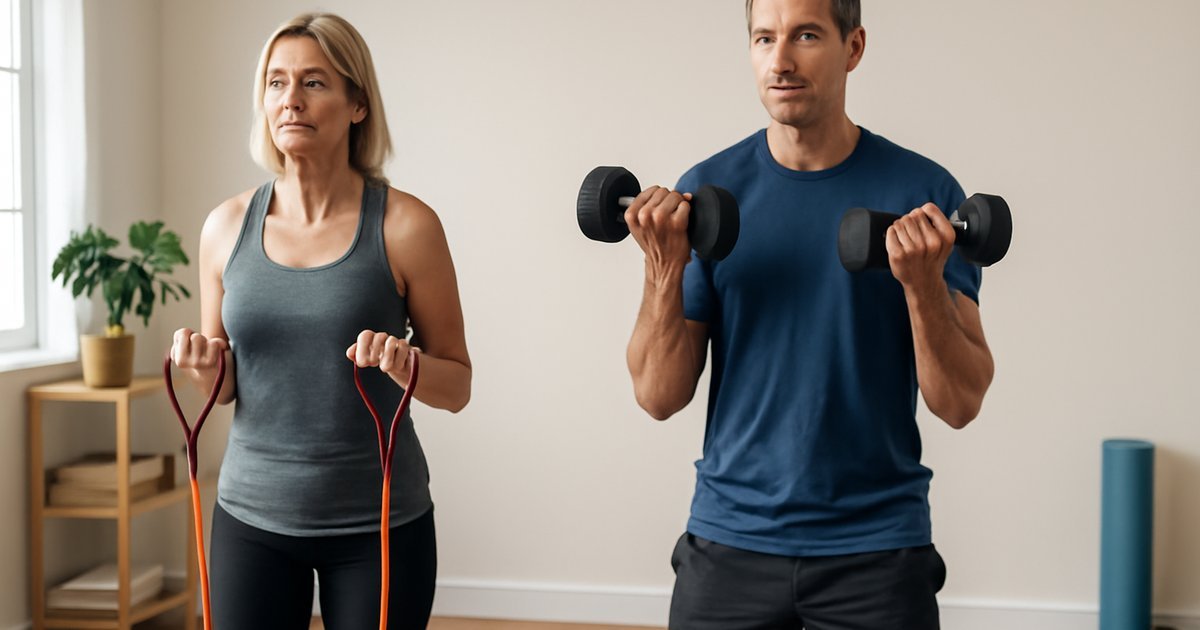
    Bands come in several forms: loop bands (circular, great for lower body), therapy bands (flat strips, often used in rehabilitation), and tube bands with handles (versatile for upper and full-body work). Resistance levels typically range from light to extra-heavy, and they can be combined to increase difficulty as you build strength.

    According to the American College of Sports Medicine (ACSM), resistance training — including elastic resistance — is recommended for all healthy adults, with particular emphasis for older populations who need to preserve lean muscle mass, joint stability, and bone health. Research published in the Journal of Human Kinetics found that elastic resistance training produces comparable gains in muscular strength and endurance to free weight training, especially for adults who are new to exercise or returning after a long break.

    This matters enormously for adults over 40, who may face barriers like joint pain, prior injuries, limited gym access, or simply the intimidation factor of heavy-weight environments.

    Signs Your Body Needs More Strength Training

    Many adults over 40 recognize the signs of declining muscle strength, even if they don’t connect them to sarcopenia or musculoskeletal decline. Knowing what to look for can motivate earlier action.

    Early signs that your strength is declining:

    • Difficulty carrying groceries or lifting objects that once felt easy
    • Increased fatigue during everyday tasks like climbing stairs
    • Noticeable changes in body composition — less muscle tone, more fat around the midsection
    • Mild stiffness or reduced range of motion in joints
    • Slower recovery from minor physical exertion

    More advanced signs requiring medical evaluation:

    • Significant unintentional weight loss combined with muscle weakness
    • Balance problems or multiple unexplained falls
    • Difficulty rising from a chair without using your arms
    • Chronic joint pain that limits basic mobility
    • Extreme fatigue not explained by sleep or lifestyle factors

    A 2021 study published in The Journals of Gerontology found that adults who engaged in at least two sessions of resistance exercise per week had significantly better grip strength, walking speed, and functional independence scores compared to sedentary peers. Grip strength, in particular, has emerged as a reliable clinical marker of overall health and longevity.

    If you recognize several of these early signs, resistance band training may be one of the most impactful steps you can take — and it’s one your doctor is likely to encourage.

    Why Resistance Bands Work Especially Well After 40

    There are compelling physiological and practical reasons why resistance bands are particularly well-suited for adults in midlife and beyond. This isn’t a compromise for those who can’t handle "real" weights — it’s a strategically sound training tool.

    Joint-friendly by design. Because bands don’t rely on gravity, the forces they create are distributed more evenly across the joint. There’s no sudden load at the end of a movement, which reduces the peak stress on cartilage in knees, hips, and shoulders — areas that often become vulnerable after 40.

    Variable resistance builds stabilizer muscles. As you stretch a band, resistance increases. This forces your stabilizer muscles — the smaller muscles that support joint integrity — to engage throughout the entire range of motion. Research from the Journal of Physical Therapy Science found that elastic resistance significantly activates stabilizer muscles compared to machine-based training, which can be particularly protective for adults with joint instability.

    Scalable and progressive. You can easily increase or decrease resistance by changing band thickness, adjusting your grip, or combining bands. This makes progressive overload — gradually increasing the challenge to stimulate muscle growth — entirely achievable without complex equipment.

    Accessible and affordable. A full set of resistance bands typically costs $15–$50, requires no gym membership, and can be used almost anywhere. For adults managing chronic conditions or with limited mobility, this accessibility removes a significant barrier to consistent training. If you’re already exercising at home, you may want to explore our guide on Home Gym Workouts After 40 for a complete setup plan.

    Supported by clinical rehabilitation. Resistance bands are standard equipment in physical therapy and cardiac rehabilitation programs across the US. Their safety profile and clinical validation make them a trusted tool for post-surgical recovery, chronic pain management, and osteoporosis prevention.

    Causes and Risk Factors: Why Muscle Loss Accelerates After 40

    Understanding why your body changes after 40 can help you approach resistance training with the right mindset — not as vanity, but as preventive medicine.

    Hormonal shifts. Both men and women experience declining levels of anabolic hormones — testosterone, growth hormone, and estrogen — starting in their 30s and accelerating through their 40s and 50s. These hormones play critical roles in muscle protein synthesis, meaning the body becomes less efficient at building and repairing muscle tissue. According to the NIH, testosterone levels in men decline approximately 1–2% per year after age 30.

    Reduced physical activity. Career demands, family responsibilities, and accumulated minor injuries often lead adults to become less physically active through their 40s. The less you use your muscles, the faster they atrophy — a process accelerated by hormonal changes.

    Chronic low-grade inflammation. Aging is associated with increased systemic inflammation, often called "inflammaging." This inflammatory environment impairs muscle repair and accelerates breakdown. Regular resistance training has been shown to reduce inflammatory markers including C-reactive protein (CRP), making it one of the few lifestyle interventions that directly addresses this underlying mechanism.

    Poor nutrition — especially inadequate protein. Many adults over 40 consume insufficient protein to support muscle maintenance, especially as caloric needs shift. The American Dietetic Association suggests that older adults may need 1.2–1.6 grams of protein per kilogram of body weight daily — significantly more than traditional recommendations. Pairing resistance band training with adequate protein intake dramatically improves outcomes.

    Risk factors for accelerated decline include: sedentary lifestyle, smoking, excessive alcohol use, vitamin D deficiency, poor sleep quality, obesity, and chronic conditions like type 2 diabetes or cardiovascular disease.

    How to Get Started: A Beginner-Friendly Resistance Band Routine

    Before beginning any new exercise program, it’s important to speak with your physician — especially if you have a chronic condition, recent injury, or have been sedentary for an extended period. Your doctor may recommend a baseline assessment or refer you to a physical therapist for proper form guidance.

    Once cleared, the following framework aligns with ACSM guidelines for resistance training in adults over 40:

    Frequency: 2–3 days per week, with at least 48 hours of rest between sessions targeting the same muscle groups. Rest days are not optional — they’re when muscle repair and growth actually occur. For more on recovery protocols, see our article on Core Strength After 40.

    Sets and Reps: For beginners, 2–3 sets of 10–15 repetitions per exercise is appropriate. Research suggests that for older adults, moderate resistance with higher repetitions (12–20) produces excellent strength and endurance gains with lower injury risk than heavy, low-rep approaches.

    Foundational exercises to include:

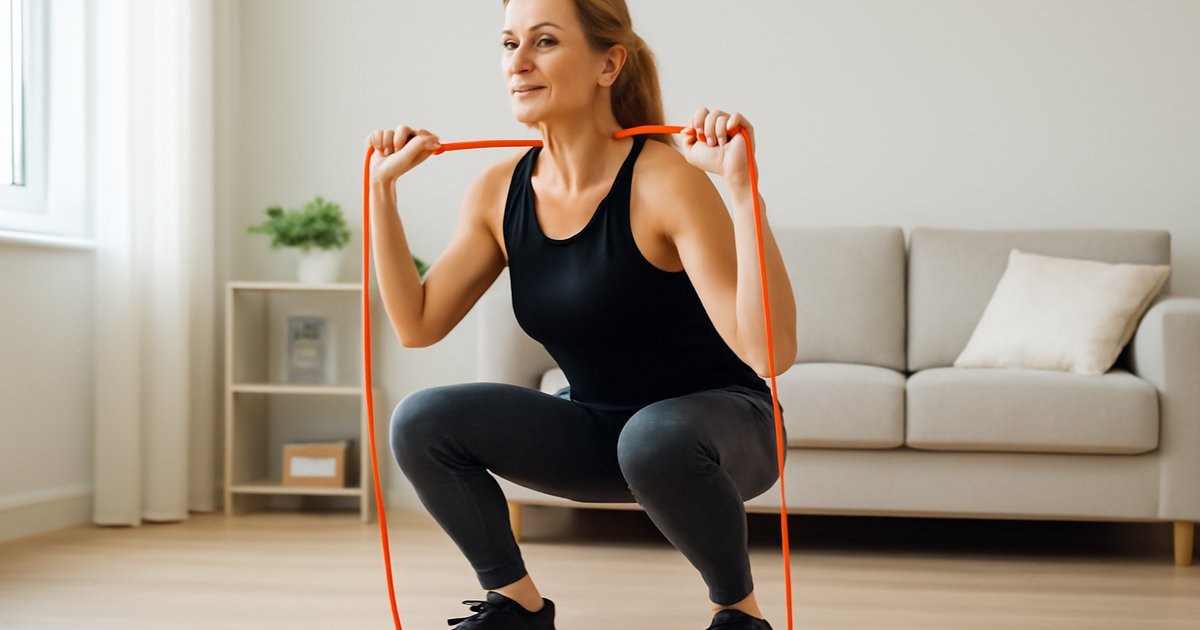
    • Banded Squat: Stand on band, hold handles at shoulder height, squat to 90 degrees. Builds quads, glutes, and core.
    • Seated Row: Sit with legs extended, loop band around feet, pull handles toward your torso. Targets back, biceps, and rear shoulders.
    • Banded Chest Press: Loop band behind your back, press handles forward from chest height. Works chest, shoulders, and triceps.
    • Lateral Band Walk: Step inside loop band at ankle height, walk sideways with slight bend in knees. Activates hip abductors and glutes — critical for knee health.
    • Standing Bicep Curl: Stand on band, curl handles toward shoulders. Targets biceps and forearms.
    • Overhead Press: Stand on band, press handles upward from shoulder height. Works shoulders and triceps.
    • Glute Bridge with Band: Lying on back, loop band across hip crease, bridge upward. Strengthens glutes and lower back.

    Warm-up and cool-down: Always begin with 5–10 minutes of light cardio (walking, cycling) and dynamic stretching. End with 5 minutes of static stretching targeting the muscles worked. This is especially important after 40, when joint lubrication and muscle elasticity require more deliberate preparation. Consider complementing resistance training with a regular walking routine for cardiovascular health.

    Living With Your Resistance Band Practice: Making It Sustainable

    The most effective exercise program is the one you actually do consistently. Research consistently shows that adherence — not the specific training modality — is the most powerful predictor of long-term health outcomes.

    Track your progress. Keep a simple log of exercises, band resistance used, sets, and reps. Progression over time — even small increases in resistance or repetitions — is a powerful motivator and ensures your muscles are being challenged appropriately.

    Schedule training like an appointment. Studies from the American Journal of Health Behavior consistently show that adults who schedule exercise in advance and treat it as a non-negotiable commitment are significantly more likely to maintain long-term habits.

    Address soreness appropriately. Mild muscle soreness (delayed onset muscle soreness, or DOMS) 24–48 hours after training is normal and expected, especially for beginners. Moderate stretching, light movement, and adequate hydration typically resolve it within 48–72 hours. Sharp or joint-specific pain during or after exercise, however, is a signal to stop and consult a healthcare provider.

    Pair with balanced nutrition. Protein timing matters. Clinical evidence suggests consuming 20–30 grams of high-quality protein within two hours of a resistance training session supports muscle protein synthesis, particularly in adults over 50 whose anabolic response is blunted compared to younger individuals.

    Consider adding a training partner or online class. Social accountability significantly improves exercise adherence across all age groups. Group-based resistance training programs also provide coached instruction, reducing injury risk for beginners.

    When to Call Your Doctor: Red Flags During Exercise

    While resistance band training is among the safest exercise modalities available, there are situations that require immediate medical attention or professional evaluation before continuing.

    Stop exercising and call 911 or seek emergency care immediately if you experience:

    • Chest pain, pressure, or tightness during or after exercise
    • Shortness of breath disproportionate to your exertion level
    • Dizziness, lightheadedness, or fainting
    • Heart palpitations (rapid, irregular, or pounding heartbeat)
    • Sudden severe pain in a joint or muscle
    • Numbness or tingling radiating down the arm or leg

    Schedule a non-emergency appointment if you notice:

    • Persistent joint swelling after workouts that doesn’t resolve within 48 hours
    • Pain that consistently worsens with exercise rather than improving over weeks
    • Unexplained fatigue or weakness that isn’t improving with adequate rest
    • Signs of overtraining: disrupted sleep, mood changes, declining performance

    At your next scheduled visit, tell your doctor: that you’ve started a resistance training program, what types of exercises you’re performing, and whether you’ve experienced any discomfort. Most physicians will want to know — and will likely encourage you to continue.

    Frequently Asked Questions

    Are resistance bands as effective as weights for building muscle after 40?
    Research suggests yes — for most functional strength and muscle maintenance goals, resistance bands produce comparable results to free weights. A 2019 meta-analysis published in SAGE Open Medicine found no statistically significant difference in strength gains between elastic and conventional resistance training. Bands may actually have advantages for older adults due to their joint-friendly variable resistance profile.

    How long before I see results from resistance band training?
    Most individuals report noticeable improvements in functional strength and energy levels within 4–6 weeks of consistent training. Visible changes in muscle tone typically appear at 8–12 weeks. Clinical evidence indicates that even modest improvements in strength within the first month are associated with meaningful reductions in fall risk and improved metabolic markers.

    Can I do resistance band training if I have arthritis or joint pain?
    In many cases, yes — but always with your physician’s or physical therapist’s guidance first. The Arthritis Foundation actually recommends resistance training as a first-line strategy for managing joint pain, noting that stronger muscles reduce the load on affected joints. Bands are often preferred over free weights in arthritis management because they allow controlled, pain-free ranges of motion. For more guidance, this may pair well with our existing content on exercising with arthritis.

    How do I choose the right resistance level?
    Start with a band that allows you to complete 12–15 repetitions with good form while feeling moderate — not easy — effort by the final reps. You should feel challenged but not be straining or losing form. When 15 repetitions feel easy, it’s time to progress to a heavier band. This varies from person to person based on baseline fitness, muscle group, and specific exercise.

    Is resistance band training safe for people with osteoporosis?
    Clinical evidence indicates that resistance training is one of the most effective interventions for slowing bone density loss in adults with osteoporosis or osteopenia. The NIH’s National Institute on Aging specifically recommends resistance exercises for bone health. However, individuals with diagnosed osteoporosis should work with their healthcare provider and potentially a physical therapist to identify exercises that are appropriate given their specific bone health status and fracture risk.

    The Bottom Line

    Resistance band training isn’t a shortcut or a compromise — it’s a clinically validated, highly effective tool for building strength, protecting joints, preserving bone density, and maintaining functional independence as you age. For adults in their 40s, 50s, 60s, and beyond, it may be one of the smartest investments you make in your long-term health.

    The CDC’s physical activity guidelines recommend that all adults engage in muscle-strengthening activities at least two days per week — and resistance bands offer one of the most accessible, affordable, and evidence-backed ways to meet that recommendation. Whether you’re just starting out or returning to exercise after a long break, bands provide a safe and scalable entry point.

    Start with two sessions per week, focus on consistency over intensity, and keep your physician informed about your progress. Small, sustainable steps taken now translate into meaningful health outcomes over the years ahead.

    This article is for informational and educational purposes only. It does not constitute medical advice, diagnosis, or treatment. Always consult your physician or a qualified healthcare provider before making changes to your health routine or treatment plan.

    Medically reviewed by our editorial health team. Content follows evidence-based standards aligned with CDC and NIH guidelines.

  • Home Gym Workouts After 40: Build Strength & Stay Fit

    Home Gym Workouts After 40: Build Strength & Stay Fit

    You don't need a gym membership or expensive equipment to get stronger, leaner, and healthier after 40 — you just need the right plan.

    Why Working Out at Home Makes Sense After 40

    Meet David, 52, a project manager from Ohio. After his gym closed during a particularly hectic work quarter, he started exercising in his living room with a pair of resistance bands and a yoga mat. Six months later, his blood pressure had dropped, he'd lost 18 pounds, and his back pain — a constant companion for nearly a decade — had significantly improved. He never went back to the gym.

    David's story isn't unusual. According to the American College of Sports Medicine, home-based exercise programs show comparable long-term adherence rates to gym-based training — and for adults over 40, consistency is everything. Between family obligations, demanding careers, and the physical realities of an aging body, the friction of commuting to a gym can silently sabotage even the best intentions.

    In this guide, you'll learn exactly how to design and follow a home gym workout plan tailored to adults in their 40s, 50s, 60s, and beyond — one that builds real strength, supports joint health, boosts cardiovascular fitness, and fits into a real life. No equipment? Minimal equipment? Both work. Let's get into it.

    What Changes About Fitness After 40?

    Understanding the biological changes that happen after 40 isn't about making excuses — it's about working smarter. After 40, several key physiological shifts affect how your body responds to exercise.

    Sarcopenia — the gradual loss of muscle mass — begins as early as your 30s and accelerates after 40. According to the National Institute on Aging (NIH), adults can lose 3–8% of muscle mass per decade without intervention. This loss doesn't just affect how you look — it slows your metabolism, weakens your bones, and increases your risk of falls and injury.

    Meanwhile, hormonal changes — declining estrogen in women and testosterone in men — affect fat distribution, recovery time, and energy levels. Joints may take longer to warm up, and inflammation tends to linger longer after intense sessions.

    The good news? Research published in the Journal of Strength and Conditioning Research confirms that consistent resistance training can significantly slow — and even partially reverse — age-related muscle loss at any age. Your home gym is a powerful tool against the biological clock.

    Benefits of Home Gym Workouts for Adults Over 40

    Clinical evidence strongly supports exercise as one of the most powerful preventive health tools available to adults over 40. A home workout routine specifically offers:

    • Convenience and consistency: No travel time, no waiting for equipment, no weather concerns. Research suggests that removing environmental barriers dramatically improves long-term exercise adherence.
    • Joint-friendly options: You control the surface, the equipment, and the intensity — making it easier to modify exercises when joints are stiff or sore.
    • Cardiovascular health: The American Heart Association recommends at least 150 minutes of moderate-intensity aerobic activity per week for adults — all of which can be achieved at home.
    • Mental health benefits: Regular physical activity is clinically associated with reduced symptoms of anxiety and depression, improved sleep quality, and sharper cognitive function — all areas that become increasingly important after 40.
    • Cost savings: A modest home setup costs a fraction of annual gym membership fees, with no long-term commitment.

    If you're also managing your weight alongside fitness, our guide on Exercise for Weight Management After 40 offers complementary strategies that pair well with a home-based program.

    Essential Equipment for a Home Gym After 40

    You don't need a squat rack or treadmill to build an effective home gym. Here's what actually delivers results for adults over 40, organized by investment level:

    Zero Equipment (Bodyweight Only)

    Bodyweight training is highly effective and requires no financial investment. Exercises like squats, push-ups, lunges, planks, glute bridges, and modified burpees can provide a full-body workout that challenges every major muscle group.

    Minimal Investment ($50–$150)

    • Resistance bands (set of 3–5): Versatile, joint-friendly, and ideal for strength training, stretching, and rehabilitation exercises.
    • A pair of adjustable dumbbells: One of the most efficient investments for home strength training. Clinical evidence indicates free weights activate stabilizer muscles more effectively than machines.
    • Yoga mat: Essential for floor work, stretching, and balance exercises — reduces joint stress on hard surfaces.
    • Foam roller: Myofascial release (self-massage) with a foam roller has been shown in studies to reduce post-exercise soreness and improve range of motion.

    Moderate Investment ($200–$500)

    • Kettlebell (15–35 lbs): Exceptional for compound movements that combine strength and cardio, such as swings and Turkish get-ups.
    • Pull-up bar (doorframe mounted): Supports upper body and core training with minimal space.
    • Stability ball: Adds instability to exercises, improving core engagement and balance — especially valuable for adults managing lower back issues.

    Most adults over 40 will find the minimal investment tier more than sufficient for a comprehensive, medically sound workout program.

    The Complete Home Gym Workout Plan for Adults Over 40

    The following plan is structured around recommendations from the CDC and American College of Sports Medicine: at least 2 days of strength training and 150 minutes of moderate cardio per week. This is a sample starting point — individual variation always applies, and this varies from person to person based on fitness level, health history, and goals.

    Always consult your physician before starting a new exercise program, especially if you have a chronic condition, cardiovascular disease, or recent injury.

    Sample Weekly Schedule

    • Monday: Strength Training — Upper Body (30–40 min)
    • Tuesday: Low-Impact Cardio (30 min walking in place, cycling, or step-ups)
    • Wednesday: Strength Training — Lower Body & Core (30–40 min)
    • Thursday: Active Recovery — Stretching & Mobility (20–30 min)
    • Friday: Full-Body Circuit Training (35–45 min)
    • Saturday: Moderate Cardio or Outdoor Activity (30–45 min)
    • Sunday: Complete Rest or Gentle Yoga

    Upper Body Workout (Monday)

    Perform 3 sets of 10–15 repetitions for each exercise. Rest 60–90 seconds between sets.

    • Push-ups (modify on knees if needed)
    • Dumbbell bent-over rows
    • Resistance band shoulder press
    • Dumbbell bicep curls
    • Tricep dips (using a sturdy chair)
    • Resistance band chest press

    Lower Body & Core Workout (Wednesday)

    • Bodyweight squats or goblet squats
    • Reverse lunges (easier on knees than forward lunges)
    • Glute bridges or single-leg glute bridges
    • Resistance band side steps (hip abductor strengthening)
    • Plank hold (30–60 seconds)
    • Bird-dog (core stability)
    • Dead bug (lower back protection)

    Full-Body Circuit (Friday)

    Perform each exercise for 40 seconds, rest 20 seconds, then move to the next. Complete 3 rounds.

    • Squat to overhead press (dumbbell or band)
    • Push-up with shoulder tap
    • Dumbbell Romanian deadlift
    • Resistance band pull-apart
    • Step-back lunge with knee drive
    • Mountain climbers (slow and controlled pace)
    • Plank with alternating arm reach

    For adults who find floor-based core work challenging due to back or hip discomfort, our Core Strength After 40 guide offers targeted modifications that protect the spine while still delivering meaningful results.

    Warming Up and Cooling Down: Non-Negotiable After 40

    After 40, skipping the warm-up is one of the most common — and costly — mistakes adults make. A proper warm-up increases blood flow to muscles and joints, raises core body temperature, and primes the nervous system. This reduces injury risk and improves performance.

    Clinical evidence from Mayo Clinic confirms that a 5–10 minute warm-up meaningfully reduces soft tissue injury risk during exercise.

    5-Minute Warm-Up Sequence

    • Arm circles (forward and back) — 30 seconds
    • Hip circles — 30 seconds
    • Leg swings (front-to-back and side-to-side) — 30 seconds each leg
    • March in place with high knees — 60 seconds
    • Torso rotations — 30 seconds
    • Bodyweight squats (slow) — 10 reps

    Cool-Down and Mobility (5–10 Minutes)

    • Standing quad stretch (hold 30 seconds each side)
    • Seated hamstring stretch
    • Child's pose
    • Hip flexor lunge stretch
    • Chest opener stretch
    • Slow deep breathing (diaphragmatic breathing) for 2 minutes

    Recovery is as important as the workout itself — especially after 40. Our dedicated guide on Walking for Fitness After 40 is also an excellent active recovery option between strength sessions, as brisk walking supports cardiovascular health without stressing the joints.

    Common Mistakes to Avoid in Your Home Workout

    Even well-intentioned fitness routines can go wrong. Here are the most clinically relevant mistakes adults over 40 make — and how to avoid them:

    • Skipping rest days: Muscle repair happens during recovery, not during training. Overtraining increases injury risk and promotes chronic inflammation — a real concern after 40.
    • Ignoring pain signals: Muscle fatigue is expected. Joint pain, sharp pain, or pain that persists after 48 hours is not normal — it signals the need for medical evaluation.
    • Progressing too fast: Research suggests increasing volume or intensity by no more than 10% per week to minimize overuse injury risk.
    • Neglecting protein intake: The American Dietetic Association recommends 1.2–1.6 grams of protein per kilogram of body weight for older adults engaged in resistance training to support muscle protein synthesis.
    • Holding your breath during lifts: This can spike blood pressure dangerously. Exhale on the effort phase, inhale on the return.
    • Using poor form to lift heavier: Form always takes priority over load. Poor form dramatically increases injury risk, particularly for the lower back and knees.

    When to Call Your Doctor: Red Flags During Exercise

    Exercise is safe for the vast majority of adults — but certain symptoms require immediate medical attention. Stop exercising and seek emergency care if you experience:

    • Chest pain, pressure, tightness, or pain radiating to the arm, jaw, or back
    • Sudden severe shortness of breath disproportionate to your effort level
    • Dizziness, lightheadedness, or fainting
    • Heart palpitations that feel rapid, irregular, or accompanied by other symptoms
    • Sudden severe headache during exercise
    • Numbness or weakness on one side of the body

    Schedule a non-emergency appointment if you experience:

    • Joint pain that persists longer than 48–72 hours after exercise
    • Consistent muscle soreness that doesn't improve with rest
    • Sudden changes in exercise tolerance or unusual fatigue
    • Any new symptom that concerns you during or after workouts

    Before starting any new home gym program, adults over 40 with hypertension, diabetes, heart disease, or osteoporosis should consult their physician for clearance and personalized modifications.

    Frequently Asked Questions

    How many days a week should I work out at home after 40?

    Most clinical guidelines — including those from the CDC and American College of Sports Medicine — recommend at least 2 days of strength training and 150 minutes of moderate cardio per week for adults. For most people over 40, a 4–5 day schedule with built-in rest and recovery works well. Start with 3 days if you're returning from a period of inactivity.

    Can I build real muscle with just bodyweight exercises at home?

    Yes — research suggests that bodyweight exercises performed with proper progression (more reps, slower tempo, harder variations) can produce meaningful muscle hypertrophy (growth), especially for beginners and intermediate exercisers. Over time, adding resistance bands or light dumbbells accelerates results significantly.

    Is it safe to do strength training at home without a trainer?

    For most healthy adults, yes — provided you start conservatively, prioritize form over load, and listen to your body. However, adults with chronic conditions, recent surgeries, or significant pain should work with a certified personal trainer or physical therapist initially to establish safe movement patterns.

    How long before I see results from a home workout program?

    This varies from person to person. Most adults report improved energy, mood, and sleep within 2–4 weeks of consistent training. Visible changes in muscle tone and body composition typically emerge after 6–12 weeks of consistent effort combined with adequate nutrition. Strength gains often appear sooner, within 3–4 weeks, due to neuromuscular adaptations.

    What's the most important exercise type for adults over 40?

    If forced to choose one, most sports medicine physicians and exercise physiologists point to resistance training as the highest-priority exercise modality for adults over 40 — because of its direct impact on muscle mass, bone density, metabolic rate, and functional independence. Pair it with regular cardio for the most complete health benefit.

    Conclusion: Your Home Gym Is Your Long-Term Health Investment

    Building a sustainable home gym workout habit after 40 is one of the most powerful health decisions you can make. The science is clear: consistent strength training and cardiovascular exercise reduce your risk of heart disease, diabetes, cognitive decline, osteoporosis, and injury — while improving your quality of life every single day.

    You don't need a perfect setup or unlimited time. You need a smart plan, realistic expectations, and the commitment to show up consistently. Start where you are, use what you have, and build from there.

    As always, work with your primary care physician to ensure your program is safe and appropriate for your individual health profile. Your body at 50 or 60 is not the same as it was at 30 — and that's not a limitation. It's simply a reason to train with more intention.


    Medical Disclaimer: This article is for informational and educational purposes only. It does not constitute medical advice, diagnosis, or treatment. Always consult your physician or a qualified healthcare provider before making changes to your health routine or treatment plan.

    Medically reviewed by our editorial health team. Content follows evidence-based standards aligned with CDC and NIH guidelines.

  • Walking for Fitness After 40: Benefits, Tips & Plans

    Walking for Fitness After 40: Benefits, Tips & Plans

    Walking for Fitness After 40: Benefits, Tips & Plans

    One of the most accessible forms of exercise may also be one of the most powerful — especially for adults navigating the health challenges that come with midlife.

    Why Walking Deserves More Credit

    Mark, 52, had tried gyms, group classes, and even a brief stint with early-morning runs — only to quit each one within weeks due to knee pain, schedule conflicts, or sheer exhaustion. A cardiologist’s warning about his rising blood pressure finally pushed him to try something different: walking. Thirty minutes a day, five days a week. Within six months, his blood pressure had improved, he had lost 14 pounds, and — perhaps most importantly — he was still doing it.

    His story isn’t unusual. According to the CDC, only about 24% of American adults meet the federal physical activity guidelines for both aerobic and muscle-strengthening activity. Yet walking — the simplest form of exercise — remains one of the most clinically supported activities for adults aged 40 and older.

    This guide covers what the science actually says about walking for fitness after 40, how to maximize its benefits, how to build a plan that sticks, and when walking alone may need to be supplemented with additional exercise. Whether you’re just getting started or looking to optimize your current routine, you’ll find practical, evidence-based guidance here.

    What Makes Walking a Legitimate Fitness Strategy After 40?

    Walking is classified as a moderate-intensity aerobic activity — meaning it raises your heart rate and breathing without putting excessive strain on your joints. For adults over 40, this distinction matters enormously. As the body ages, joints lose cartilage, muscles become less elastic, and recovery times lengthen. High-impact exercise, while beneficial for some, carries a higher injury risk for this population.

    The U.S. Department of Health and Human Services recommends that adults get at least 150 minutes of moderate-intensity aerobic activity per week — a goal that brisk walking easily fulfills. According to the NIH, regular moderate-intensity walking has been associated with a reduced risk of cardiovascular disease, type 2 diabetes, certain cancers, and all-cause mortality.

    Walking is also one of the few forms of exercise with near-universal accessibility. It requires no gym membership, no special equipment beyond a supportive pair of shoes, and can be adapted to almost any fitness level or physical limitation. For adults managing chronic conditions like hypertension, osteoarthritis, or metabolic syndrome, walking often represents the ideal entry point into consistent physical activity.

    Clinically, what separates walking from casual strolling is intensity. A "brisk walk" is typically defined as a pace where you can hold a conversation but would have difficulty singing — roughly 3 to 4 miles per hour for most adults. This is the threshold at which the cardiovascular and metabolic benefits become most pronounced.

    Health Benefits of Walking for Adults Over 40

    The research on walking is more robust than many people realize. A 2023 analysis published in the journal JAMA Internal Medicine found that adults who walked approximately 7,000 to 10,000 steps per day had significantly lower rates of cardiovascular events compared to those who walked fewer than 4,000 steps. Importantly, the benefits plateaued beyond 10,000 steps — suggesting you don’t need to walk marathon distances to see meaningful results.

    Here’s a breakdown of what regular walking has been clinically shown to support:

    • Cardiovascular health: Brisk walking strengthens the heart muscle, improves circulation, and helps lower LDL (bad) cholesterol while raising HDL (good) cholesterol. The American Heart Association identifies regular walking as a frontline strategy for heart disease prevention.
    • Blood pressure regulation: Research suggests that consistent aerobic walking can lower systolic blood pressure by 4 to 9 mmHg in adults with hypertension — comparable to some medications in mild cases, though never a replacement for prescribed treatment.
    • Blood sugar control: Walking after meals has been shown in multiple studies to blunt post-meal blood sugar spikes. For adults with prediabetes or type 2 diabetes, a 10- to 15-minute post-meal walk may meaningfully support glycemic management.
    • Weight management: Walking burns approximately 80 to 100 calories per mile for most adults. While diet plays a larger role in weight loss, consistent walking supports caloric deficit and preserves lean muscle mass better than caloric restriction alone.
    • Bone density: As a weight-bearing exercise, walking stimulates bone-forming cells and may help slow bone density loss after 40 — a critical concern as osteoporosis risk rises significantly in midlife, particularly for women.
    • Mental health and cognitive function: The NIH notes that regular aerobic exercise, including walking, is associated with reduced symptoms of depression and anxiety, and may support cognitive reserve as adults age.
    • Joint health: Contrary to the misconception that walking worsens arthritis, clinical evidence indicates that regular low-impact movement lubricates joints, reduces stiffness, and can decrease pain over time. If you’re managing joint conditions, you may also find our guide on exercising with arthritis helpful.

    This varies from person to person — individuals with severe orthopedic conditions or cardiovascular disease should consult their physician before beginning a new walking program.

    Signs Your Body Is Ready for More — and When to Be Cautious

    One of walking’s strengths is its scalability. But knowing when to push harder — and when to pull back — is important for adults in their 40s, 50s, and 60s.

    Signs you may be ready to increase intensity or duration:

    • You can complete 30 minutes at your current pace without feeling fatigued or breathless
    • Your resting heart rate has decreased over several weeks
    • You recover quickly after walks (within 10 minutes, heart rate returns toward baseline)
    • Your average pace has naturally increased without conscious effort

    Signs to slow down or consult your doctor:

    • Chest tightness, pressure, or pain during or after walking — seek emergency care immediately
    • Shortness of breath disproportionate to your effort level
    • Dizziness, lightheadedness, or near-fainting
    • Sharp joint pain (not to be confused with normal muscle soreness)
    • Swelling in the legs or ankles after walks
    • Heart palpitations or irregular heartbeat

    These red flags warrant immediate medical evaluation. Do not push through chest pain or severe shortness of breath. Call 911 or go to an emergency room.

    How to Build a Walking Plan That Actually Sticks

    The most effective walking program is one you can maintain consistently over months and years — not one that burns bright for two weeks and fizzles. Here’s how to build a sustainable, progressively challenging plan:

    Week 1–2: Establishing the Habit

    Start with 20 to 25 minutes of walking at a comfortable pace, five days per week. The goal here isn’t intensity — it’s consistency. Walk at a pace where you can speak in full sentences. Focus on showing up, not on performance metrics.

    Week 3–4: Adding Brisk Intervals

    Begin alternating 5 minutes of brisk walking (slightly breathless, harder to hold a conversation) with 5 minutes of comfortable pace. This interval approach — sometimes called walk-pace training — has been shown to improve cardiovascular fitness more efficiently than steady-state walking alone.

    Week 5–8: Building Duration and Consistency

    Aim for 30 to 45 minutes of primarily brisk walking, five days per week. You’re now meeting or exceeding federal physical activity guidelines. Consider incorporating mild incline walking (hills or treadmill incline) to increase caloric burn and leg muscle engagement without additional impact stress.

    Month 3 and Beyond: Sustaining and Challenging

    Once brisk walking feels routine, consider adding 2 days per week of complementary strength training to offset the muscle loss that naturally accelerates after 40. Our detailed guide on core strength training after 40 is an excellent complement to any walking program, helping protect your spine, improve posture, and boost walking efficiency.

    For those who enjoy the outdoors, walking in nature has shown additional benefits for stress reduction and mental health — making it a particularly appealing option. Explore our resource on outdoor fitness after 40 for ideas on expanding your routine beyond the sidewalk.

    Maximizing Your Walks: Technique, Gear, and Timing

    Small adjustments to your walking form and environment can significantly improve both safety and results.

    Posture and form: Keep your head up, gaze forward, shoulders relaxed and back. Engage your core lightly, swing your arms naturally, and strike the ground with your heel, rolling through to your toes. Avoid hunching over your phone — poor posture during walks contributes to neck and low back pain.

    Footwear matters: Supportive walking shoes with adequate cushioning and arch support are non-negotiable, especially for adults with flat feet, plantar fasciitis, or diabetic neuropathy. Replace walking shoes every 300 to 500 miles, or every six months if you walk daily. A sports medicine specialist or podiatrist can recommend footwear tailored to your gait and foot structure.

    Timing for metabolic benefit: Research suggests walking after meals — particularly after dinner — is especially effective for blood sugar management. A 10- to 15-minute walk within 30 to 60 minutes of eating has been shown in multiple clinical trials to reduce post-meal glucose spikes. This is particularly valuable for adults with prediabetes or insulin resistance.

    Using a fitness tracker or pedometer: Step-tracking devices provide accountability and have been shown in studies to increase daily step counts in users by an average of 2,000 steps per day. A reasonable daily step goal for adults over 40 is 7,000 to 8,000 steps — backed by clinical evidence as a meaningful target for longevity benefits.

    Staying safe: Wear reflective clothing if walking in low-light conditions. Stay hydrated — adults over 40 are more susceptible to dehydration and may have a blunted thirst response. If you walk with headphones, keep one ear open to traffic and your surroundings.

    Common Causes of Walking Program Dropout — and How to Avoid Them

    According to the CDC, more than half of Americans who begin a new exercise program quit within six months. For adults over 40, the most common barriers include time constraints, musculoskeletal pain, boredom, and lack of perceived progress. Addressing these directly makes the difference between a habit and a failed attempt.

    • Time: Three 10-minute walks produce nearly identical cardiovascular benefits to one 30-minute walk, according to research from the American College of Sports Medicine. Split your walking into smaller chunks when life gets busy.
    • Boredom: Vary your routes, walk with a friend, listen to podcasts or audiobooks, or join a walking group. Social walking has been shown to improve adherence significantly.
    • Pain: Foot, knee, or hip pain that worsens during or after walking should be evaluated by a physician or physical therapist before continuing. Ignoring pain leads to injury — not progress.
    • Lack of visible results: Clinical benefits like improved blood pressure and blood sugar often precede visible weight changes. Track non-scale victories: energy levels, sleep quality, mood, and resting heart rate.

    When to Call Your Doctor — and What to Say

    Before beginning a walking program after 40, a brief conversation with your primary care physician is worthwhile — particularly if you have cardiovascular disease, diabetes, severe arthritis, a history of falls, or have been sedentary for an extended period.

    Emergency red flags — call 911 or seek immediate care if you experience:

    • Chest pain, tightness, or pressure during or after walking
    • Severe shortness of breath not resolved by rest
    • Fainting or near-fainting
    • Sudden severe leg pain (possible vascular event)

    Schedule a non-urgent appointment if:

    • You have persistent joint pain after two weeks of walking
    • You notice swelling in the feet or ankles after exercise
    • You feel unusually fatigued or winded at a pace that previously felt manageable
    • You want guidance on integrating walking with your current medication regimen (particularly if you take blood pressure or diabetes medications, as exercise can alter how these drugs work)

    When speaking with your doctor, mention your current activity level, any symptoms you’ve noticed, and your goals. Most physicians will be enthusiastic supporters of a walking program — and may be able to adjust your care plan based on your improved fitness.

    Frequently Asked Questions About Walking for Fitness After 40

    Q: Is walking enough exercise on its own after 40?
    A: For cardiovascular and metabolic health, brisk walking can be a primary and sufficient form of aerobic exercise. However, most clinical guidelines — including those from the American College of Sports Medicine — recommend combining aerobic activity with muscle-strengthening exercises at least twice per week. After 40, preserving muscle mass becomes increasingly important, and walking alone does not fully address this. A combined approach tends to deliver the best overall health outcomes.

    Q: How many steps per day should I aim for?
    A: Clinical evidence suggests that 7,000 to 10,000 steps per day is associated with meaningful reductions in cardiovascular and all-cause mortality risk for most adults. If you’re starting from a low baseline (under 3,000 steps), aim to increase gradually — adding 500 to 1,000 steps per week — rather than jumping immediately to a high target.

    Q: Can walking help me lose weight after 40?
    A: Walking contributes to weight management primarily by supporting caloric expenditure and preserving lean muscle mass. Research suggests that walking alone, without dietary changes, produces modest weight loss (typically 1 to 2 pounds per month). Combined with a balanced diet, it can be an effective and sustainable part of a weight management strategy. Our guide on exercise for weight management after 40 covers this topic in depth.

    Q: Is walking safe if I have knee pain or arthritis?
    A: In most cases, yes — and it’s often recommended. Low-impact walking can actually reduce arthritis-related knee pain by strengthening surrounding muscles and improving joint lubrication. However, you should start slowly, wear supportive footwear, and consult your doctor or physical therapist if pain worsens. Walking on softer surfaces (grass, dirt trails, treadmill) can reduce impact on sensitive joints.

    Q: What’s the best time of day to walk for health benefits?
    A: The best time is the one you’ll actually do consistently. That said, morning walks have been associated with improved sleep quality and mood, while post-meal walks (particularly after dinner) show the strongest blood sugar benefits. If you have flexibility, a short post-meal walk adds clinically meaningful metabolic benefits without requiring extra time in your schedule.

    The Bottom Line: Walking Is More Powerful Than You Think

    Walking for fitness after 40 isn’t a consolation prize for people who can’t do "real" exercise — it’s one of the most well-supported, sustainable, and accessible health interventions available to adults in midlife and beyond. The science is clear: consistent brisk walking reduces cardiovascular risk, supports blood sugar and blood pressure control, protects bone density, and improves mental health and cognitive function.

    The key isn’t perfection — it’s consistency. A 30-minute walk five days per week, maintained over years, will have a far greater impact on your long-term health than an intense program you abandon after a month. Start where you are, progress gradually, and make adjustments based on how your body responds.

    Talk to your doctor about incorporating walking into your overall health plan, especially if you’re managing a chronic condition. Your physician can help you set appropriate goals and monitor your progress over time. The path to better health, quite literally, starts with your next step.


    Medical Disclaimer: This article is for informational and educational purposes only. It does not constitute medical advice, diagnosis, or treatment. Always consult your physician or a qualified healthcare provider before making changes to your health routine or treatment plan.

    Medically reviewed by our editorial health team. Content follows evidence-based standards aligned with CDC and NIH guidelines.

  • Swimming for Fitness After 40: Full-Body Benefits & Tips

    Swimming for Fitness After 40: Full-Body Benefits & Tips

    One of the most joint-friendly, heart-strengthening workouts available — and it may be exactly what your body needs after 40.

    Consider Michael, 54, who had spent years running five miles a day until his knees finally told him enough was enough. His orthopedist suggested he try swimming instead. Within three months, Michael had lost 18 pounds, his resting heart rate had dropped significantly, and — for the first time in years — he woke up without joint pain. His story is far from unusual.

    According to the CDC, fewer than 25% of American adults meet the recommended guidelines for both aerobic and muscle-strengthening activity. For adults over 40 dealing with joint pain, weight gain, cardiovascular concerns, or simply the wear-and-tear of a busy life, finding a sustainable, effective exercise can feel overwhelming. Swimming for fitness offers a compelling answer that many physicians and physical therapists actively recommend.

    In this guide, you will learn exactly why swimming is one of the most clinically supported full-body workouts for adults aged 30 to 70, how to get started safely, what health benefits the evidence actually supports, and how to build a swim routine that fits your life.

    What Is Fitness Swimming — and Why Does It Matter After 40?

    Fitness swimming refers to structured, intentional swimming sessions designed to improve cardiovascular health, muscular strength, flexibility, and overall wellness — as opposed to casual recreational swimming. It includes lap swimming, water aerobics, aqua jogging, and structured swim interval training.

    What makes swimming uniquely valuable after 40 is buoyancy. When you are submerged to your neck in water, your body bears only about 10% of its actual weight, according to research published by the American Physical Therapy Association. This dramatically reduces mechanical stress on the hips, knees, spine, and ankles — the joints that most commonly break down with age.

    The American Heart Association estimates that cardiovascular disease affects nearly half of all US adults, and that risk climbs steeply after age 40 in women and after age 45 in men. Swimming directly targets this risk by training the heart and lungs as a sustained aerobic activity.

    Beyond heart health, swimming engages more muscle groups simultaneously than most land-based exercises. A single lap of freestyle stroke activates the shoulders, chest, core, glutes, and legs — providing a genuinely full-body workout with a low injury profile. For adults entering their fifth, sixth, or seventh decade of life, that combination is remarkably rare in a single activity.

    Health Benefits Supported by Clinical Evidence

    The research behind swimming as a fitness tool for middle-aged and older adults is both broad and encouraging. Here is what clinical evidence actually indicates across key health domains.

    Cardiovascular Health: A large-scale study published in the International Journal of Aquatic Research and Education found that swimmers had significantly lower all-cause mortality rates compared to sedentary individuals — and even compared to runners and walkers over a long follow-up period. Swimming strengthens the heart muscle, improves circulation, and helps regulate blood pressure. The NIH notes that regular aerobic exercise, including swimming, can reduce systolic blood pressure by 4 to 9 mmHg in people with hypertension.

    Weight and Metabolism: Swimming burns between 400 and 700 calories per hour depending on stroke intensity and body size. More importantly, research from Indiana University’s Department of Kinesiology found that master swimmers — adults who swim regularly in their 40s, 50s, 60s, and beyond — maintained significantly leaner body compositions and better metabolic markers than age-matched non-swimmers. The metabolic slowdown that many adults experience after 40 can be meaningfully offset by consistent aerobic activity like swimming.

    Joint Health and Chronic Pain: For adults managing osteoarthritis — which the CDC reports affects more than 32 million Americans — swimming provides a way to stay active without aggravating inflamed joints. A 2016 randomized controlled trial published in the Journal of Rheumatology found that aquatic exercise produced comparable pain relief and functional improvement to land-based exercise in adults with hip and knee osteoarthritis, with better adherence over time.

    Mental Health and Cognitive Function: The mental health benefits of swimming are increasingly well-documented. A study from Griffith University found that regular swimmers reported significantly lower rates of depression and anxiety compared to non-exercisers. Exercise-induced neurochemical changes — including increases in serotonin, dopamine, and brain-derived neurotrophic factor (BDNF) — are associated with improved mood, better stress resilience, and even a reduced risk of cognitive decline. This is particularly meaningful for adults over 40, among whom both depression and early cognitive changes become more prevalent.

    Lung Function: Swimming requires controlled, rhythmic breathing that naturally strengthens the diaphragm and intercostal muscles. Research suggests that regular swimmers tend to have greater lung capacity and more efficient breathing mechanics than non-swimmers. This is especially relevant for adults with mild asthma, as the warm, humid air near the water surface is generally less irritating than cold outdoor air during running.

    Getting Started: What to Expect and How to Begin Safely

    If you have not swum regularly since childhood — or ever — the idea of jumping into a lane pool can feel intimidating. The good news is that swimming is highly scalable. You do not need to be fast, efficient, or capable of completing a long set to benefit from it.

    Before starting any new fitness program after 40, clinical guidelines recommend a conversation with your physician. This is especially important if you have cardiovascular disease, uncontrolled hypertension, chronic pulmonary conditions, recent orthopedic surgery, or open wounds. Your doctor can help determine the appropriate intensity level for your current health status.

    Start with technique: Poor swimming mechanics are both inefficient and potentially injurious — particularly to the shoulders and neck. Most physicians and fitness professionals recommend a few lessons with a certified swim instructor before building a regular practice. Many YMCAs and community pools offer adult beginner classes specifically for this purpose.

    Begin with shorter sessions: Research suggests that even 20 to 30 minutes of moderate-intensity swimming, three times per week, produces measurable cardiovascular and metabolic improvements. Starting conservatively allows your muscles, tendons, and cardiovascular system to adapt without overuse injury.

    Use equipment strategically: Kickboards, pull buoys, fins, and hand paddles are not just for beginners — competitive swimmers use them too. A kickboard isolates leg strength while reducing shoulder load. A pull buoy allows you to focus on upper-body mechanics while resting your legs. These tools make swimming more accessible and varied at any fitness level.

    Consider water aerobics: If lap swimming feels too demanding initially, water aerobics classes provide an excellent entry point. Performed in the shallow end, these instructor-led classes offer cardiovascular and resistance training in a social, low-pressure environment. If you are interested in group-based fitness options, you may also want to explore the benefits described in our guide to Group Fitness Classes After 40.

    Building Your Swim Fitness Routine: A Practical Framework

    Consistency is the most evidence-supported predictor of long-term fitness outcomes. The structure of your swim routine matters less than showing up regularly. That said, some structural principles can help you progress safely and avoid plateaus.

    Frequency: The American College of Sports Medicine recommends at least 150 minutes of moderate-intensity aerobic activity per week for adults. Three to five swim sessions of 30 to 50 minutes each satisfies this guideline. Most adults find three sessions per week to be the most sustainable starting point.

    Warm-up and cool-down: Begin each session with 5 to 10 minutes of easy, slow-paced swimming or water walking to elevate heart rate gradually and lubricate the joints. End with a similar cool-down. This is not optional — it is a physiologically important practice that reduces injury risk and supports cardiovascular recovery.

    Interval training: Once you have built a baseline of fitness over 4 to 6 weeks, introducing swim intervals can accelerate progress. An example beginner interval set: swim one lap at moderate effort, rest for 30 seconds, repeat 8 to 10 times. Clinical evidence indicates that interval training produces greater cardiovascular adaptations than steady-state exercise alone — and it makes sessions more engaging.

    Stroke variety: Alternating between freestyle, backstroke, and breaststroke distributes muscular demand across different muscle groups and reduces repetitive strain. Butterfly stroke is highly demanding and typically not recommended for beginners or adults with shoulder concerns.

    Track your progress: Many lap pools provide lane counters or pace clocks. Wearable swim trackers can monitor lap count, stroke rate, and heart rate. Tracking simple metrics like total laps or total time per session creates accountability and helps you observe meaningful improvements over weeks and months. Proper nutrition timing is also important — for guidance on fueling your workouts effectively, visit our article on Exercise Nutrition After 40.

    Swimming and Weight Management After 40

    One of the most common motivations adults have for returning to exercise after 40 is weight management — and for good reason. After 40, muscle mass naturally declines at a rate of roughly 1% per year (a process called sarcopenia), and metabolic rate slows accordingly. This makes maintaining a healthy weight progressively more challenging without intentional physical activity.

    Swimming addresses this from two angles. As an aerobic activity, it burns meaningful calories during the session. As a resistance-based workout — since water provides 12 to 14 times more resistance than air — it also preserves and builds lean muscle mass, which supports a higher resting metabolic rate over time.

    It is worth noting that some research has found that swimming can stimulate appetite more than land-based exercise, potentially due to the cooling effect of water. This variation from person to person is important to recognize. If you find yourself unusually hungry after swimming, pairing your swim program with mindful eating strategies and a protein-rich post-workout meal can help manage total caloric intake without undermining your efforts. For a more detailed look at exercise and weight management strategies, see our complete guide to Exercise for Weight Management After 40.

    When to Call Your Doctor or Seek Immediate Help

    Swimming is among the safest forms of exercise available, but no physical activity is entirely risk-free — particularly for adults with underlying health conditions. Knowing the warning signs that require prompt medical attention is essential.

    Stop swimming and seek emergency care immediately if you experience:

    • Chest pain, pressure, or tightness during or after swimming
    • Severe shortness of breath disproportionate to your effort level
    • Dizziness, fainting, or loss of coordination in the water
    • Sudden, severe headache
    • Heart palpitations that do not resolve quickly with rest
    • Sudden numbness or weakness in an arm or leg

    Schedule a non-urgent appointment with your doctor if you notice:

    • Persistent shoulder, neck, or knee pain that develops with your swim routine
    • Unusual fatigue that does not improve with adequate rest
    • Ear pain or recurring ear infections (swimmer’s ear is common and treatable)
    • Skin irritation or rashes from pool chemicals
    • Any new symptom that concerns you, even if mild

    Before starting a swim fitness program, mention it to your primary care provider — especially if you have not had a recent physical exam or if you are managing any chronic health condition. This is always the safest and most clinically appropriate first step.

    Frequently Asked Questions About Swimming for Fitness After 40

    Is swimming enough exercise on its own, or do I need to add other workouts?

    Research suggests that swimming alone can meet the recommended guidelines for both aerobic and muscle-strengthening activity, making it a complete exercise modality for many adults. However, swimming does not significantly load the bones, which means it does not build bone density the way weight-bearing exercises like walking or resistance training do. If osteoporosis prevention is a concern for you — which becomes increasingly relevant after 40 — most physicians recommend complementing swimming with some weight-bearing activity at least two days per week.

    How long before I see results from swimming?

    This varies from person to person, but clinical evidence generally indicates that measurable cardiovascular improvements — such as reduced resting heart rate and improved endurance — typically emerge within 4 to 6 weeks of consistent training. Changes in body composition and muscle tone generally take 8 to 12 weeks to become clearly visible. Patience and consistency are the most important variables.

    Can I swim if I have high blood pressure?

    For most adults with controlled hypertension, swimming is not only safe but actively beneficial. The NIH and the American Heart Association both recognize regular aerobic exercise as a first-line lifestyle intervention for hypertension management. However, if your blood pressure is not well controlled, or if you are on multiple blood pressure medications, consult your physician before starting. They may want to monitor your response to exercise and adjust your treatment plan accordingly.

    What if I am not a strong swimmer — is it still worth trying?

    Absolutely. You do not need to be able to swim laps efficiently to benefit from water-based fitness. Water walking, water aerobics, and even standing resistance exercises in the shallow end all deliver meaningful cardiovascular and muscular benefits. Many adults find that their confidence and skill improve rapidly once they commit to regular sessions.

    Is swimming safe if I have arthritis?

    Yes — in fact, aquatic exercise is among the most frequently recommended forms of physical activity for adults with arthritis, according to both the Arthritis Foundation and the CDC. The buoyancy of water reduces joint load significantly, allowing movement that might be painful or impossible on land. A 2016 randomized controlled trial confirmed that aquatic exercise produces comparable benefits to land-based exercise for adults with hip and knee osteoarthritis, often with greater adherence over time.

    Conclusion: Your Next Step Into the Water

    Swimming for fitness is not a workaround or a consolation prize for adults who can no longer handle high-impact exercise. It is a clinically validated, physiologically comprehensive workout that happens to be gentle on the joints — one that research associates with longer life expectancy, lower cardiovascular risk, better mental health, and improved body composition across decades of life.

    Whether you are managing a chronic condition, returning to exercise after a long break, or simply looking for a sustainable activity that will serve you well into your 60s and 70s, the pool is worth serious consideration. Start conservatively, prioritize technique, and give your body time to adapt.

    Most importantly, involve your physician in the conversation. They can help you begin safely, adjust your plan as you progress, and ensure that your fitness goals align with your broader health picture. The water is waiting — and so is a healthier version of you.


    Medical Disclaimer: This article is for informational and educational purposes only. It does not constitute medical advice, diagnosis, or treatment. Always consult your physician or a qualified healthcare provider before making changes to your health routine or treatment plan.

    Medically reviewed by our editorial health team. Content follows evidence-based standards aligned with CDC and NIH guidelines.

  • Outdoor Fitness After 40: Benefits, Tips & Best Activities

    Outdoor Fitness After 40: Benefits, Tips & Best Activities

    Stepping outside for your workout may be one of the most powerful — and underused — health strategies available to adults over 40.

    Introduction

    When David, 54, started walking his neighborhood trails three mornings a week, he expected to lose a few pounds. What he didn’t expect was that his blood pressure medication dosage would be reduced at his next checkup — or that his mood would shift so dramatically his wife asked what had changed.

    David’s experience is more common than most people realize. According to the CDC, fewer than 25% of American adults aged 18 and older meet the federal physical activity guidelines for both aerobic and muscle-strengthening activities — and that number drops even further for adults in their 50s and 60s.

    Outdoor fitness — exercising in natural environments like parks, trails, and open spaces — offers a compelling set of benefits that go beyond what a gym alone can provide. This guide covers the science behind outdoor exercise, the best activities for adults over 40, how to stay safe, and how to make it a sustainable part of your life.

    What Is Outdoor Fitness, and Why Does It Matter After 40?

    Outdoor fitness refers to any form of structured or semi-structured physical activity performed in an open-air or natural setting. That includes trail walking, cycling, swimming in open water, outdoor yoga, pickleball, gardening with intensity, and more.

    After 40, the body undergoes measurable changes — muscle mass declines at roughly 3–8% per decade after age 30 (a process called sarcopenia), bone density begins to decrease, and cardiovascular efficiency can decline if not actively maintained. These changes make regular physical activity not just beneficial, but medically essential.

    Research suggests that exercising outdoors — often called "green exercise" — adds a meaningful psychological and physiological layer on top of the physical benefits of movement alone. A review published in Environmental Science & Technology found that outdoor exercise was associated with greater feelings of revitalization, increased energy, and reduced tension, anger, and depression compared with indoor exercise.

    For US adults managing chronic conditions like hypertension, type 2 diabetes, or anxiety — conditions that become more prevalent after 40 — outdoor fitness may serve as a low-cost, highly accessible complement to conventional treatment plans.

    Signs You May Need More Movement (And That Outdoors Could Help)

    Many adults don’t recognize the symptoms of a sedentary lifestyle as health signals. Here are some common indicators that your body is asking for more movement:

    Early or mild signs:

    • Persistent low-level fatigue even after adequate sleep
    • Stiffness in the morning or after sitting for long periods
    • Mild low back discomfort
    • Difficulty concentrating or brain fog in the afternoon
    • Low mood, increased irritability, or mild anxiety
    • Gradual weight gain over months or years

    More significant signs warranting medical evaluation:

    • Shortness of breath during light activity (e.g., climbing one flight of stairs)
    • Chest tightness or palpitations during or after mild exertion
    • Joint pain that limits daily activity
    • Fasting blood sugar trending upward at annual labs
    • Blood pressure readings consistently above 130/80 mmHg

    A 2023 study referenced by the NIH’s National Institute on Aging confirmed that even moderate increases in physical activity — as little as 150 minutes per week of brisk walking — significantly reduce all-cause mortality risk in middle-aged and older adults.

    If you’re experiencing any of the more significant signs above, speak with your physician before starting a new fitness routine.

    Top Outdoor Activities for Adults Over 40 (and Their Health Benefits)

    The best outdoor workout is the one you’ll actually do consistently. Clinical evidence indicates that enjoyment is one of the strongest predictors of exercise adherence. Here are the most accessible and evidence-supported options:

    1. Trail Walking and Hiking

    Walking is the most widely recommended starting point for adults over 40 who are new to regular exercise or returning after a break. Trail walking on uneven terrain engages stabilizing muscles in the ankles, hips, and core that flat-surface walking doesn’t, offering additional functional strength benefits.

    The American Heart Association recommends at least 150 minutes of moderate-intensity aerobic activity per week — a goal that brisk walking outdoors can realistically meet. Research from Stanford University suggests that walking in nature (versus urban environments) also reduces activity in the brain’s subgenual prefrontal cortex, an area linked to rumination and depressive thinking.

    2. Cycling

    Outdoor cycling is a low-impact cardiovascular workout that protects the joints while building quad, glute, and hamstring strength. For adults managing knee osteoarthritis — which affects an estimated 14 million Americans, according to the CDC — cycling is frequently recommended as a joint-friendly alternative to running.

    E-bikes (electric-assist bicycles) have made cycling more accessible to older adults and those with cardiovascular limitations, and clinical evidence suggests they still provide meaningful aerobic benefit.

    3. Swimming and Open-Water Exercise

    Pool swimming is often recommended, but open-water swimming and aquatic exercise in lakes or oceans add sensory and navigational elements that may enhance cognitive engagement. Water-based exercise reduces joint loading by up to 90% at chest depth, making it ideal for adults with arthritis, back pain, or obesity-related joint stress.

    4. Outdoor Yoga and Tai Chi

    Mind-body practices performed outdoors combine the benefits of movement, breathwork, and nature exposure. A meta-analysis published in the Journal of Aging and Physical Activity found that Tai Chi significantly improved balance, reduced fall risk, and decreased anxiety in adults over 50 — a population for whom fall prevention is a critical health priority. For more on mind-body approaches, see our guide on Functional Fitness After 40: Move Better, Live Stronger.

    5. Pickleball and Recreational Sports

    Pickleball is the fastest-growing sport in the US, particularly among adults over 50. It combines aerobic activity, hand-eye coordination, social engagement, and agility training in a low-impact format. The social component is clinically meaningful: a 2022 Harvard Health report noted that social engagement during exercise significantly improves long-term adherence and mental health outcomes.

    6. Outdoor Strength Training

    Parks with pull-up bars, parallel bars, or resistance stations — common in many US municipalities — allow adults to perform bodyweight strength training outdoors. Maintaining muscle mass after 40 is critical for metabolic health, bone density, and functional independence. Strength training guidelines from the American College of Sports Medicine recommend two or more sessions per week for older adults. For foundational core work, see Core Strength After 40: Build Stability & Reduce Back Pain.

    Causes of Low Outdoor Exercise Participation in Adults Over 40

    Understanding why adults over 40 tend to exercise outdoors less frequently can help you proactively address barriers:

    • Safety concerns: Fear of falling on uneven terrain is common, particularly after age 50. Proper footwear and starting on flat, maintained trails reduces this risk significantly.
    • Weather hesitation: Many adults avoid outdoor activity in heat, cold, or humidity. Evidence-based layering, hydration strategies, and timing adjustments (morning in summer, midday in winter) make year-round outdoor fitness achievable.
    • Chronic pain: Adults managing arthritis, back pain, or neuropathy may believe outdoor terrain is too demanding. Low-impact options like paved cycling paths or flat park walking loops are usually very manageable.
    • Time constraints: Research suggests that even 20-30 minute outdoor sessions provide measurable cardiovascular and psychological benefits, making daily "micro-workouts" a viable strategy.
    • Lack of social motivation: Group outdoor fitness classes, walking clubs, and recreational leagues address this directly. Group formats also improve accountability and adherence.

    How to Get Started: A Practical Plan for Adults Over 40

    Starting an outdoor fitness routine doesn’t require expensive gear or extreme effort. Most physicians recommend starting conservatively and progressing gradually — especially for adults who have been sedentary or who manage chronic conditions.

    Week 1–2: Foundation phase

    • Aim for 15–20 minutes of outdoor walking on flat terrain, 3 days per week
    • Focus on comfortable, consistent pace — not speed
    • Wear supportive footwear appropriate for the surface

    Week 3–4: Progressive phase

    • Extend duration to 25–30 minutes
    • Introduce gentle inclines or varied terrain if comfortable
    • Add one additional session per week

    Month 2 and beyond: Expansion phase

    • Work toward 150 minutes of moderate activity per week
    • Introduce a second activity type (e.g., cycling on weekends)
    • Consider joining a group fitness class or walking club for social accountability

    This varies from person to person — adults with cardiovascular disease, diabetes, or musculoskeletal conditions should work with their physician or a certified exercise physiologist to develop a plan tailored to their specific needs. For guidance on managing activity while supporting proper fueling, visit our article on Exercise Nutrition After 40: Fuel Your Workouts Right.

    Safety, Sun, and Special Considerations

    Outdoor fitness comes with specific safety considerations that indoor workouts don’t require. Here’s what clinical guidance recommends:

    Sun protection: The American Cancer Society recommends SPF 30+ broad-spectrum sunscreen, protective clothing, and avoiding peak UV hours (10 a.m.–4 p.m.) for extended outdoor activity. Adults over 40 have accumulated UV exposure from decades of outdoor time, making consistent sun protection especially important.

    Hydration: Older adults are at higher risk of dehydration during exercise because the thirst mechanism becomes less reliable with age. Most physicians recommend drinking water before, during, and after outdoor exercise — even if you don’t feel thirsty.

    Heat safety: Heat illness — including heat exhaustion and heat stroke — is a serious risk for older adults during outdoor activity in warm weather. Symptoms of heat exhaustion include heavy sweating, nausea, dizziness, and cool, clammy skin. Heat stroke is a medical emergency: if someone stops sweating, has hot red skin, and becomes confused, call 911 immediately.

    Cold weather: Cold air can trigger bronchospasm (airway tightening) in people with asthma and may increase cardiovascular demand. Layered clothing and a proper warm-up period are essential in temperatures below 40°F.

    Footwear and falls: Trail-appropriate footwear with ankle support and grippy soles dramatically reduces the risk of slips and falls on uneven surfaces. The CDC reports that falls are the leading cause of injury-related death among adults 65 and older — a statistic that makes proper gear a genuine safety priority, not just a comfort upgrade.

    When to Call Your Doctor / Emergency Signs

    Most adults can begin a moderate outdoor walking program safely. However, certain situations require medical clearance or immediate attention:

    See your doctor before starting if you have:

    • A recent cardiac event or diagnosis of heart disease
    • Uncontrolled blood pressure (consistently above 160/100 mmHg)
    • Type 1 or Type 2 diabetes with poorly managed blood sugar
    • Severe joint disease limiting range of motion
    • Chronic dizziness, balance disorders, or vertigo

    Stop exercising immediately and call 911 if you experience:

    • Chest pain, chest pressure, or pain radiating to the jaw or left arm
    • Sudden shortness of breath that doesn’t resolve with rest
    • Fainting or near-fainting (syncope)
    • Sudden severe headache during activity
    • Signs of heat stroke (confusion, hot dry skin, no sweating)

    At your next routine visit, consider asking your doctor: "Given my current health status, what outdoor activities are appropriate for me, and are there any restrictions I should follow?"

    Frequently Asked Questions

    Q: Is outdoor exercise better than gym exercise for adults over 40?
    Neither is categorically superior — both provide critical health benefits. Clinical evidence suggests that outdoor exercise offers additional psychological advantages (mood improvement, stress reduction) and may improve long-term adherence because many adults find it more enjoyable. The best choice is the one you’ll stick with consistently.

    Q: How much outdoor exercise do I need per week to see health benefits?
    Federal physical activity guidelines — supported by the CDC and the American Heart Association — recommend at least 150 minutes per week of moderate-intensity aerobic activity (like brisk walking) for substantial health benefits. Even smaller amounts (60–90 minutes per week) provide measurable improvements compared to being fully sedentary.

    Q: Can I exercise outdoors if I have high blood pressure?
    Research suggests that regular moderate aerobic exercise — including outdoor walking and cycling — can help lower blood pressure over time. However, you should consult your physician before starting a new routine. Avoid exercising outdoors in extreme heat or cold, which can place additional stress on the cardiovascular system.

    Q: What’s the best outdoor activity for someone with bad knees?
    Low-impact options are clinically preferred for adults with knee osteoarthritis or chronic knee pain. Flat-surface walking, cycling on paved paths, swimming, and water aerobics are frequently recommended. Avoid activities with heavy impact or rapid directional changes until cleared by a physical therapist or orthopedic physician.

    Q: How do I stay motivated to exercise outdoors during winter months?
    Layer appropriately, shorten your sessions (even 15 minutes of brisk outdoor walking in winter provides cardiovascular benefit), vary your route to maintain novelty, or join a group that meets outdoors year-round. Some adults find tracking tools — like fitness watches or apps — helpful for maintaining momentum through seasonal changes.

    Conclusion

    Outdoor fitness after 40 is not about extreme performance or dramatic weight loss — it’s about building a sustainable physical routine that supports your cardiovascular health, bone density, mental well-being, and functional independence as you age.

    The evidence is clear: regular outdoor movement, even at moderate intensity, produces real and lasting health benefits. Whether you start with a 20-minute neighborhood walk or join a weekend cycling group, each session is an investment in your long-term health and quality of life.

    Take it one step at a time, literally and figuratively — and work with your healthcare provider to find the outdoor activities that fit your body, your schedule, and your goals. You don’t need to do this perfectly; you just need to start.


    Medical Disclaimer: This article is for informational and educational purposes only. It does not constitute medical advice, diagnosis, or treatment. Always consult your physician or a qualified healthcare provider before making changes to your health routine or treatment plan.

    Medically reviewed by our editorial health team. Content follows evidence-based standards aligned with CDC and NIH guidelines.
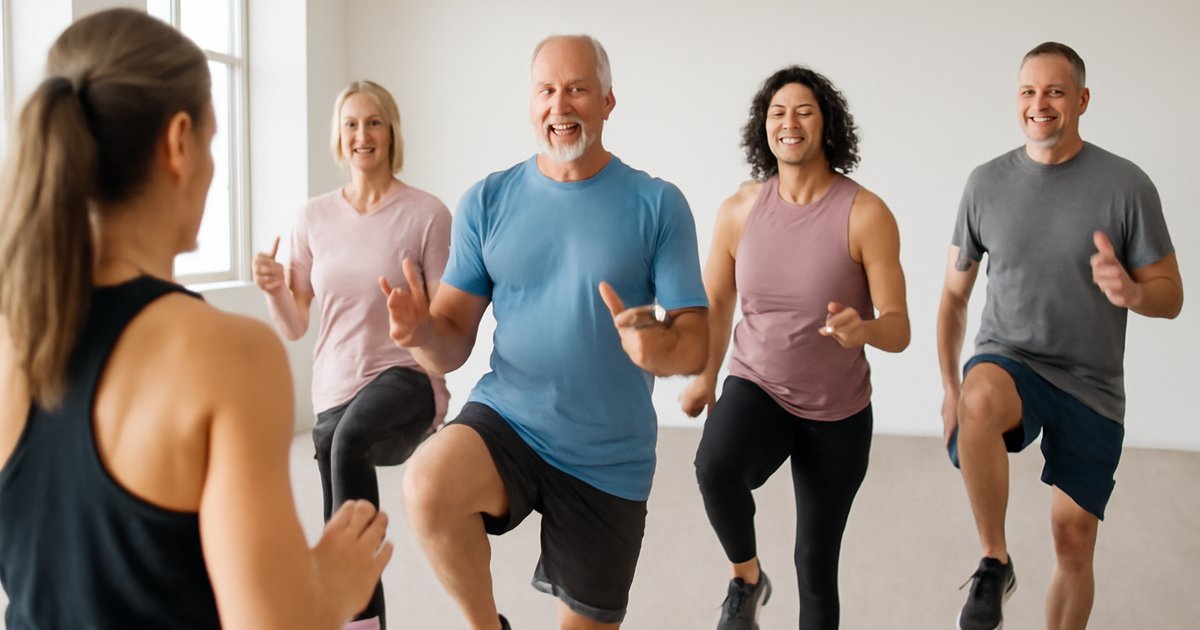
  • Core Strength After 40: Build Stability & Reduce Back Pain

    Core Strength After 40: Build Stability & Reduce Back Pain

    Your core is the foundation of every movement you make — and after 40, strengthening it becomes one of the most powerful things you can do for your long-term health.

    Introduction

    Mark, 52, had been living with nagging lower back pain for years. He assumed it was just part of getting older — until his physical therapist pointed out that his core muscles were barely doing their job. After eight weeks of targeted core training, his back pain had dropped significantly, and he was moving better than he had in his 40s.

    Mark’s story is far from unique. According to the National Institutes of Health, lower back pain affects approximately 80% of Americans at some point in their lives, and weakened core musculature is one of the most commonly identified contributors in adults over 40.

    In this guide, you’ll learn exactly what core strength means, why it matters more as you age, how to train it safely and effectively, and what the clinical evidence says about its role in pain prevention, posture, and overall functional health. Whether you’re a beginner or returning after a long break, this is your complete roadmap.

    What Is Core Strength — and Why Does It Change After 40?

    When most people hear “core,” they picture six-pack abs. But clinically, your core is a complex system of muscles that stabilize and control movement throughout your entire trunk — from your pelvis to your shoulders.

    This system includes the transverse abdominis (your deepest abdominal layer), the multifidus (a series of small muscles along your spine), the diaphragm, the pelvic floor, the obliques, the erector spinae, and the glutes. Together, these muscles act like a natural brace around your spine and organs during every activity — walking, lifting, sitting, even breathing.

    After the age of 40, several physiological changes begin to affect core function:

    • Sarcopenia: The natural age-related loss of muscle mass, which the American College of Sports Medicine notes begins around age 30 and accelerates after 50 if not addressed through exercise.
    • Reduced proprioception: Your body’s sense of joint position and balance becomes less precise with age, making stability training even more critical.
    • Hormonal shifts: Declining estrogen and testosterone levels affect muscle repair, density, and overall strength capacity.
    • Cumulative postural habits: Decades of desk work, driving, and sedentary patterns can lead to shortened hip flexors and underactive deep stabilizers.

    Research published through the NIH’s National Library of Medicine confirms that adults who engage in regular core strengthening exercises show measurably better spinal stability, reduced injury risk, and improved functional movement quality compared to sedentary peers of the same age.

    Signs Your Core May Need Attention

    Core weakness doesn’t always announce itself with dramatic pain. Often, the signs are subtle — until they aren’t.

    Early or mild signs:

    • Occasional lower back fatigue after prolonged standing or sitting
    • Difficulty maintaining posture for extended periods
    • Feeling unstable or wobbly during single-leg activities
    • Hip or knee discomfort during otherwise routine movement
    • Tiring easily during activities that require carrying or bending

    More significant signs that warrant medical evaluation:

    • Persistent lower back pain lasting more than a few weeks
    • Pain that radiates down one or both legs (possible nerve involvement)
    • Pelvic floor issues such as urinary leakage with exertion
    • Visible abdominal separation (diastasis recti), particularly in women post-pregnancy
    • Loss of balance leading to falls or near-falls

    According to the CDC, falls are the leading cause of injury among adults over 65 — and balance deficits rooted in poor core stability are a key contributing factor. Identifying core weakness early is genuinely preventive medicine.

    Causes and Risk Factors for Core Weakness After 40

    Core weakness rarely has a single cause. For most adults over 40, it’s the result of overlapping lifestyle and physiological factors.

    Sedentary lifestyle: The CDC reports that fewer than 25% of American adults meet federal physical activity guidelines. Prolonged sitting deactivates the glutes and shortens hip flexors, both of which directly impair core stability.

    Previous injuries: Old injuries to the back, hip, or pelvis often result in altered movement patterns that allow core muscles to gradually “switch off” — a phenomenon physical therapists call neural inhibition.

    Obesity: Excess abdominal weight increases mechanical stress on the lumbar spine and places the core in a chronically stretched, less-efficient position. The NIH notes that more than 40% of U.S. adults are classified as obese, making this a widespread contributor.

    Hormonal changes: Both perimenopause and andropause (the gradual decline of testosterone in men) can reduce the body’s ability to maintain muscle mass, including the deep stabilizing muscles of the core.

    Stress and poor sleep: Elevated cortisol from chronic stress can accelerate muscle breakdown and reduce recovery. If you’re dealing with chronic stress or sleep issues, these factors compound muscle loss over time — two issues we’ve addressed in depth in our guides on Chronic Stress in Adults Over 40 and Sleep After 40.

    How Core Weakness Is Diagnosed

    There’s no single lab test for core weakness, but qualified clinicians and physical therapists use several reliable assessment tools.

    What a physical therapist or physician may evaluate:

    • Plank hold time: Research suggests that healthy adults under 60 should typically be able to hold a forearm plank for 60-90 seconds; significant deficits below this range may indicate weakness worth addressing.
    • Single-leg stance test: The ability to balance on one leg (eyes open and closed) provides insight into both core stability and proprioception.
    • Functional movement screening (FMS): A standardized set of movements used by physical therapists and sports medicine specialists to identify compensations and asymmetries.
    • Imaging studies: If structural issues like disc herniation or spinal stenosis are suspected, an MRI or X-ray may be ordered to rule out conditions that require specific medical management before exercise begins.

    If you’ve had persistent back pain or a history of spinal issues, always get medical clearance before beginning a new core exercise program. Your provider can tailor recommendations based on your specific anatomy and history — this varies from person to person, and a one-size-fits-all approach can do more harm than good in some cases.

    Effective Core Strengthening Exercises for Adults Over 40

    The most effective core training for adults over 40 prioritizes stability over movement, control over load, and progression over intensity. The goal isn’t crunches — it’s functional strength that translates to real life.

    Clinical evidence from the journal Spine and reviewed by the NIH consistently supports motor control and stabilization-based exercise as more effective for reducing chronic low back pain than general strengthening alone.

    Foundational Exercises (Beginner to Intermediate)

    1. Dead Bug
    Lying on your back, arms extended toward the ceiling, knees bent at 90 degrees. Slowly lower one arm overhead while extending the opposite leg — then return and alternate. This trains the deep transverse abdominis without spinal flexion or compression. Research suggests this is one of the safest and most effective core exercises for individuals with lower back pain history.

    2. Forearm Plank with Modifications
    Begin on your knees if needed. Focus on neutral spine, active glutes, and steady breathing. Avoid holding your breath — intra-abdominal pressure should be managed through controlled breathing, not breath-holding. Build duration gradually: even 20-30 seconds with perfect form outperforms 2 minutes with poor alignment.

    3. Bird Dog
    From a tabletop position on hands and knees, extend one arm and the opposite leg simultaneously while keeping your spine perfectly still. This exercise trains the multifidus and erector spinae — the deep spinal stabilizers most prone to dysfunction in people with back pain. The Cleveland Clinic endorses bird dog as a top rehabilitation and prevention exercise.

    4. Glute Bridge
    Lying on your back with knees bent, press through your heels to lift your hips toward the ceiling. Squeeze your glutes at the top. This activates the posterior chain — glutes, hamstrings, and lower back — all essential components of functional core stability. Progress to single-leg bridges as strength improves.

    5. Pallof Press
    Using a resistance band anchored to the side, hold the band at chest height and press both arms straight out, resisting rotation. This is an anti-rotation exercise — one of the most clinically valuable core training patterns for adults, as most real-world instability involves rotational forces, not just forward bending.

    Progressing Your Core Training Safely

    Most adults over 40 benefit from starting with 2-3 core-focused sessions per week, with at least one full rest day between sessions. Research suggests 8-12 weeks of consistent training is typically needed before meaningful strength gains are measurable.

    For guidance on how nutrition supports your exercise recovery — including what to eat before and after training — see our detailed guide on Exercise Nutrition After 40.

    As you progress, consider integrating core training with broader functional movement patterns. Our guide on Functional Fitness After 40 explores how to build total-body strength that carries over into daily life.

    Living With Core Weakness — and Preventing Its Return

    Building a strong core isn’t a 6-week project. It’s a lifestyle habit. The good news is that the habits required are manageable and sustainable, even for busy adults.

    Daily posture awareness: Sit with your hips slightly above your knees, avoid prolonged forward head posture, and stand up from your desk at least once every 45-60 minutes. Passive posture improvements support the active training you do in your workouts.

    Breathwork: Diaphragmatic (belly) breathing directly activates the deep core. Practicing 5-10 minutes of slow, belly-led breathing daily — even as a standalone habit — can improve intra-abdominal pressure management over time.

    Hip flexor stretching: Tight hip flexors anterior pelvic tilt (a forward rotation of the pelvis), which shuts off the glutes and overloads the lumbar spine. A simple kneeling hip flexor stretch held for 30-60 seconds daily can make a measurable difference in core efficiency.

    Consistency over intensity: According to the American College of Sports Medicine, even two sessions of core training per week, maintained consistently over months and years, produces meaningful improvements in spinal health, posture, and functional capacity in middle-aged and older adults.

    When to Call Your Doctor — Red Flags and Emergency Signs

    While core training is generally safe and beneficial, certain symptoms require prompt medical attention before or during any exercise program.

    Contact your doctor if you experience:

    • Lower back pain that has persisted for more than 4-6 weeks without improvement
    • Pain that radiates into your buttocks, legs, or feet (could indicate nerve compression or disc herniation)
    • Numbness, tingling, or weakness in your legs
    • Incontinence or pelvic floor dysfunction that worsens with activity
    • Pain that is significantly worse in the morning and improves through the day (may suggest an inflammatory condition)

    Seek emergency care immediately if you experience:

    • Sudden severe back pain after a fall or injury
    • Loss of bowel or bladder control (possible cauda equina syndrome — a medical emergency)
    • Weakness in both legs simultaneously
    • Back pain accompanied by fever, unexplained weight loss, or night sweats

    These symptoms are not typical of muscle weakness and require urgent evaluation rather than exercise intervention.

    Frequently Asked Questions

    Q: How long does it take to build meaningful core strength after 40?
    A: Most research suggests that adults who train consistently 2-3 times per week can notice functional improvements in stability and reduced back discomfort within 6-8 weeks. Significant strength gains typically become measurable after 10-12 weeks. Individual variation applies — your timeline may differ based on baseline fitness, prior injuries, and consistency.

    Q: Are sit-ups and crunches bad for adults over 40?
    A: Clinical evidence, including work reviewed by spine specialist Dr. Stuart McGill and published through the NIH, suggests that traditional sit-ups and crunches create significant spinal flexion and disc compression — which may be problematic for adults with existing disc issues or lower back pain. Stabilization-based exercises like the dead bug, bird dog, and plank are generally considered safer and more effective for functional core strength in this age group.

    Q: Can core training actually reduce lower back pain?
    A: Research indicates yes, for many people. A 2021 meta-analysis published in the journal Physical Therapy and indexed by the NIH found that core stabilization exercise was significantly more effective than general exercise alone in reducing pain intensity and improving function in adults with chronic non-specific lower back pain. However, results vary depending on the underlying cause of pain.

    Q: Is it safe to do core exercises every day?
    A: Most sports medicine and physical therapy guidelines recommend allowing at least 24-48 hours of recovery between intense core training sessions. However, lower-intensity activities like breathing exercises, gentle stretching, and posture work can be done daily without issue. Listen to your body — persistent soreness may signal that you need more recovery time.

    Q: Do I need gym equipment to build core strength after 40?
    A: No. The most clinically validated core exercises — dead bug, bird dog, glute bridge, plank, and their variations — require only a mat and your body weight. Resistance bands add useful variety but are not required. Effective core training is accessible at home, making consistency much more achievable.

    Conclusion

    Building and maintaining core strength after 40 isn’t about aesthetics — it’s about moving through your life with confidence, reducing pain, and protecting the structures that support everything you do.

    The clinical evidence is clear: consistent, targeted core training reduces back pain, improves balance, supports posture, and enhances functional movement in adults across the 40-70 age range. And the barrier to entry is low — a few dedicated sessions per week with the right exercises can produce real, lasting results.

    Start where you are. Progress at your pace. And always consult your physician or a qualified physical therapist before beginning a new program — especially if you have a history of back pain, injury, or other health conditions. Your core is worth the investment.


    Medical Disclaimer: This article is for informational and educational purposes only. It does not constitute medical advice, diagnosis, or treatment. Always consult your physician or a qualified healthcare provider before making changes to your health routine or treatment plan.

    Medically reviewed by our editorial health team. Content follows evidence-based standards aligned with CDC and NIH guidelines.

  • Group Fitness Classes After 40: Benefits & How to Start

    Group Fitness Classes After 40: Benefits & How to Start

    The social workout that could be the most powerful medicine you’re not taking yet.

    Introduction

    When Michael, 54, walked into his first group cycling class, he almost walked right back out. He hadn’t exercised consistently in years, his knees ached on stairs, and everyone around him looked like they knew exactly what they were doing. Six months later, he’s lost 22 pounds, his blood pressure has dropped significantly, and — perhaps most surprisingly — he says the best part of his week is Tuesday and Thursday mornings with his class.

    Michael’s story isn’t unusual. According to the Physical Activity Guidelines for Americans, published by the U.S. Department of Health and Human Services, fewer than 25% of adults aged 50 and older meet the recommended weekly exercise targets. Yet research consistently shows that adults who exercise in group settings are significantly more likely to stick with their routines long-term.

    If you’re over 40 and looking for a sustainable, effective way to get moving, group fitness classes may offer something solo workouts simply can’t: community, structure, accountability, and fun. In this guide, you’ll learn the science-backed benefits, how to choose the right class for your body and goals, and how to get started safely.

    What Are Group Fitness Classes?

    Group fitness classes are instructor-led exercise sessions conducted with multiple participants, typically in a gym, community center, studio, or online platform. They span an enormous range of formats — from high-energy cycling and dance cardio to gentler options like water aerobics, yoga, and chair-based strength training.

    Unlike personal training or solo gym workouts, group classes offer a structured environment where a certified instructor guides every movement, cues proper form, and adjusts the pace. Most classes run between 45 and 60 minutes and are designed to accommodate a range of fitness levels through modifications.

    According to the American College of Sports Medicine (ACSM), group fitness is one of the fastest-growing segments of the fitness industry, with millions of Americans participating weekly across formats including Zumba, Pilates, spinning, barre, boot camp, and aqua fitness. For adults in the 40-to-70 age range, this diversity of options is especially valuable — because no single class fits every body or health profile.

    The key distinction that makes group fitness particularly powerful isn’t the exercise itself — it’s the psychological and social architecture around it. When you show up to a class, people notice. That accountability is clinically meaningful.

    Health Benefits Backed by Science

    The benefits of group fitness for adults over 40 extend well beyond burning calories. Research suggests that structured group exercise delivers advantages across physical, mental, and social dimensions of health — all of which become increasingly important as we age.

    Cardiovascular and metabolic health: A landmark study published in the Journal of the American Osteopathic Association found that participants in group fitness classes reported significantly lower levels of stress and higher quality of life compared to those who exercised alone — even when total workout volume was similar. Cardiovascular classes, in particular, support heart health in ways consistent with AHA guidelines recommending 150 minutes of moderate aerobic activity per week.

    • Improved cardiovascular endurance — regular aerobic group classes strengthen the heart muscle and improve circulation
    • Better blood sugar regulation — consistent moderate exercise improves insulin sensitivity, which is especially critical for the 96 million American adults with prediabetes, per CDC data
    • Increased muscle mass and bone density — strength-based classes help counteract the natural decline in muscle mass (sarcopenia) that accelerates after age 40
    • Weight management support — group classes provide caloric expenditure alongside behavioral reinforcement that helps sustain healthy habits

    Mental health benefits: The NIH has documented the well-established link between regular physical activity and reduced symptoms of depression and anxiety. Group exercise adds a social layer that amplifies these effects. Clinical evidence indicates that the sense of belonging and shared effort in group settings triggers oxytocin release and reduces cortisol — the primary stress hormone.

    For those managing chronic stress, this dual physical-social intervention can be particularly impactful.

    Adherence and consistency: Perhaps the most practically significant benefit is this — people simply show up more. A 2017 study in PLOS ONE found that individuals who exercised in group settings were more likely to maintain their routines over time compared to solo exercisers. For adults over 40 trying to build sustainable habits, this matters enormously.

    Choosing the Right Class for Your Body and Goals

    Not every group fitness class is appropriate for every person — and that’s entirely okay. The key is matching the class format to your current fitness level, health conditions, and personal preferences. Here’s a practical breakdown by category:

    Low-impact options (ideal for beginners, joint issues, or chronic conditions):

    • Water aerobics / aqua fitness — buoyancy reduces joint stress by up to 90%, making this ideal for arthritis, obesity, or post-surgical recovery. If you’re exercising with arthritis, this is often a first recommendation from physical therapists.
    • Chair yoga — gentle seated stretches improve flexibility, balance, and breathing with minimal injury risk
    • Walking clubs — social, accessible, and clinically beneficial for cardiovascular and bone health
    • Tai chi — research published by the NIH shows tai chi significantly reduces fall risk in older adults by improving balance and proprioception

    Moderate-intensity options (for those with a baseline of activity):

    • Barre classes — combines ballet-inspired movements with strength and flexibility work; low-impact but highly effective for core and lower-body toning
    • Pilates — emphasizes core strength, posture, and controlled movement; widely used in rehabilitation settings
    • Group cycling (indoor spinning) — non-weight-bearing cardio that’s easy on joints while delivering strong cardiovascular benefits
    • Dance fitness (Zumba, line dancing) — combines cardio with coordination training; research suggests dance-based exercise also supports cognitive function in older adults

    Higher-intensity options (for those already active and cleared by a physician):

    • Boot camp / circuit training — combines strength and cardio in intervals; highly effective but requires proper form guidance
    • Group strength training — barbell or dumbbell-based classes build muscle mass critical for metabolic health and bone density after 40

    This varies from person to person, and your health history should always inform your choice. Speaking with your physician before starting a new exercise program — especially if you have a cardiovascular condition, diabetes, or musculoskeletal issues — is always the right first step.

    How to Get Started: A Practical Step-by-Step Guide

    Starting group fitness after a long break — or for the first time — can feel intimidating. But most experienced instructors and regular class members will tell you the same thing: everyone was a beginner once, and the community almost always welcomes newcomers warmly.

    Here’s how to set yourself up for success:

    Step 1: Get medical clearance. Before beginning any new exercise program, especially if you’re over 40 with a chronic condition or haven’t exercised regularly, schedule a visit with your physician. The PAR-Q (Physical Activity Readiness Questionnaire) is a standard tool doctors use to assess exercise safety — ask about it if your provider doesn’t bring it up.

    Step 2: Identify your goals and constraints. Are you primarily focused on weight management, stress reduction, social connection, or managing a specific condition? Do you have joint pain, balance issues, or cardiovascular concerns? Answering these honestly will help narrow your class options significantly.

    Step 3: Try before you commit. Most gyms, YMCAs, and studios offer a free trial class or first-week discount. Take advantage of this. Don’t judge a format by one class — instructors, class energy, and participant community vary widely.

    Step 4: Arrive early and introduce yourself. Tell the instructor you’re new and mention any health considerations. A good certified instructor will offer modifications and keep an eye on your form. This one step dramatically reduces injury risk and increases comfort.

    Step 5: Start with two classes per week. Clinical evidence suggests that two structured exercise sessions per week is sufficient to produce measurable health improvements in deconditioned adults. Resist the urge to do too much too soon — overuse injuries are the most common reason people quit.

    Step 6: Track your progress beyond the scale. Note improvements in energy levels, sleep quality, mood, and how you feel during daily activities. These non-scale victories are powerful motivators and often occur before weight changes become visible. For insights on how nutrition supports your efforts, see our guide on exercise nutrition after 40.

    Living With Your Group Fitness Routine: Staying Consistent

    Getting started is one thing. Staying consistent over months and years is where the real health transformation happens. Here are evidence-supported strategies for long-term adherence:

    Schedule it like a medical appointment. Research on behavior change consistently shows that exercise adherence improves when workouts are pre-scheduled rather than planned spontaneously. Put your classes in your calendar with the same non-negotiable status as a doctor’s visit.

    Find your people. The social connection in group fitness is clinically meaningful — it’s not just a nice bonus. According to Harvard Health research, strong social ties are associated with lower rates of depression, cognitive decline, and even cardiovascular disease. If you find a class where you genuinely enjoy the people, you’ve found something that will carry you through the low-motivation days.

    Allow for rest and recovery. Your body — especially after 40 — needs adequate recovery time between sessions. Most exercise physiologists recommend at least one full rest day between intense workouts for this age group. Soreness is normal; sharp or persistent pain is not. Listen to your body.

    Mix modalities. Rotating between different class types — a cardio session one day, strength-based class another, and gentle yoga or stretching a third day — supports balanced fitness and reduces overuse injury risk.

    Consider online options. Since 2020, the availability of high-quality live and on-demand group fitness classes via apps and streaming platforms has exploded. These provide flexibility when travel, weather, or scheduling makes in-person attendance difficult — while still offering much of the community element through live-stream formats.

    When to Call Your Doctor or Seek Emergency Care

    Group fitness is safe for the vast majority of adults over 40 when approached thoughtfully. However, it’s critical to recognize warning signs that require immediate attention.

    Stop exercising immediately and call 911 if you experience:

    • Chest pain, pressure, or tightness during or after exercise
    • Sudden shortness of breath that is disproportionate to exertion
    • Dizziness, fainting, or near-fainting
    • Severe, sudden headache during exercise
    • Heart palpitations with chest discomfort or lightheadedness
    • Sudden weakness or numbness in face, arm, or leg — potential stroke signs

    Schedule a non-emergency doctor’s appointment if you notice:

    • Joint pain that persists more than 48 hours after a class
    • Swelling in joints after exercise
    • Consistent fatigue that doesn’t resolve with rest
    • Any new or worsening symptoms related to an existing condition
    • Significant changes in your resting heart rate or blood pressure readings

    At your next routine visit, tell your doctor which classes you’re attending and at what intensity. This allows your physician to monitor your health markers in context and make recommendations specific to your program.

    Frequently Asked Questions

    Q: Is group fitness safe if I have high blood pressure or heart disease?
    Many adults with well-managed cardiovascular conditions participate safely in group fitness, but physician clearance is essential first. Low-to-moderate intensity classes like water aerobics, walking groups, or gentle yoga are often recommended starting points. Your doctor may also request a stress test before you begin more vigorous classes.

    Q: What if I’m significantly overweight — can I still take group classes?
    Absolutely. Many classes are specifically designed for higher-weight participants, and low-impact formats like water aerobics, chair fitness, and walking clubs are excellent entry points. Instructors at reputable facilities are trained to offer modifications. Research suggests that even modest increases in physical activity produce significant health benefits regardless of weight loss.

    Q: How do I know if an instructor is qualified?
    Look for instructors certified by nationally recognized organizations such as ACE (American Council on Exercise), NASM (National Academy of Sports Medicine), ACSM, or the Aerobics and Fitness Association of America (AFAA). Many gyms post instructor credentials on their websites or class schedules.

    Q: How quickly will I see results from group fitness classes?
    This varies from person to person, but clinical evidence suggests most adults notice improvements in energy, sleep quality, and mood within two to four weeks of consistent exercise. Measurable changes in cardiovascular fitness typically appear within six to eight weeks. Visible body composition changes usually require three or more months of consistent effort combined with nutrition adjustments.

    Q: Are virtual group fitness classes as effective as in-person ones?
    Research suggests that virtual group classes can be highly effective, particularly when they are live rather than pre-recorded — because the real-time social element preserves much of the accountability benefit. For those with mobility limitations, health conditions, or transportation barriers, virtual classes are a clinically sound alternative to in-person sessions.

    Conclusion

    Group fitness classes represent one of the most well-rounded, sustainable exercise strategies available to adults over 40. They deliver cardiovascular and strength benefits, support mental health, reduce fall risk, and — crucially — dramatically improve the likelihood that you’ll actually keep exercising long-term.

    You don’t need to be athletic, young, or in perfect shape to walk into a class. You just need to take that first step. Start with a format that feels manageable, get clearance from your physician, and give yourself permission to be a beginner.

    The research is clear: movement is medicine, and doing it with others makes it more powerful. Your body — and your social life — will thank you.


    Medical Disclaimer: This article is for informational and educational purposes only. It does not constitute medical advice, diagnosis, or treatment. Always consult your physician or a qualified healthcare provider before making changes to your health routine or treatment plan.

    Medically reviewed by our editorial health team. Content follows evidence-based standards aligned with CDC and NIH guidelines.

  • Exercise for Weight Management After 40: Complete Guide

    Exercise for Weight Management After 40: Complete Guide

    Exercise for Weight Management After 40: Complete Guide

    Why the rules of weight management change after 40 — and how the right exercise strategy can help you stay lean, strong, and metabolically healthy for decades.

    Mark was 44 years old, working out four days a week, eating roughly the same as he always had — and still watching the number on the scale creep steadily upward. “I’m doing everything I used to do,” he told his doctor. “Why isn’t it working anymore?”

    If that story sounds familiar, you’re not alone. According to the National Institutes of Health (NIH), most adults gain an average of one to two pounds per year between ages 35 and 55 — even without significant changes in diet or activity levels. By the time many people reach their late 40s or early 50s, they’ve accumulated 15 to 30 extra pounds almost invisibly.

    The reason isn’t willpower. It’s biology — specifically the way metabolism, muscle mass, hormones, and fat distribution shift as you age. The good news is that exercise remains one of the most powerful tools for managing your weight after 40. But the approach needs to evolve. This guide breaks down exactly what changes, what the clinical evidence says about exercise for weight management after 40, and how to build a sustainable fitness strategy that actually works at this stage of life.

    Why Weight Management Gets Harder After 40

    Before diving into solutions, it helps to understand the physiology behind the problem. Several well-documented biological shifts converge around your 40s to make maintaining a healthy weight more challenging than it was at 25.

    Muscle loss (sarcopenia) is perhaps the biggest culprit. Research published by the American College of Sports Medicine indicates that adults begin losing roughly 3 to 8 percent of their muscle mass per decade after age 30, with the rate accelerating after 60. Since muscle tissue is metabolically active — meaning it burns calories even at rest — this loss progressively slows your resting metabolic rate (RMR), which is the number of calories your body needs just to function.

    Hormonal shifts compound the issue. In women, declining estrogen levels during perimenopause and menopause are directly associated with increased abdominal fat accumulation, according to research from the Mayo Clinic. In men, gradual testosterone decline — sometimes called andropause — is linked to decreased muscle mass and increased visceral fat (the deep belly fat that wraps around internal organs).

    Insulin sensitivity also tends to decrease with age, making it easier for the body to store calories as fat and harder to mobilize stored fat for energy. The CDC notes that adults over 45 face significantly higher risk for prediabetes and type 2 diabetes — two conditions closely tied to metabolic changes that affect weight.

    The bottom line: your body is playing by different rules now. Your exercise strategy needs to match.

    Signs That Your Current Routine Isn’t Working

    Recognizing the signs that your fitness approach needs updating is the first step toward course-correcting. These are the most common indicators that your current routine may not be optimized for weight management after 40:

    • Plateau despite consistent effort: You’re exercising regularly but weight has stalled or is creeping up despite no change in eating habits.
    • Changing body composition: The scale may not move dramatically, but clothes fit differently — more weight around the midsection, less muscle definition in the arms and legs.
    • Fatigue without recovery: You feel chronically tired, even after rest days. This can signal overtraining or inadequate muscle-building stimulus.
    • Doing mostly cardio: If your routine is primarily aerobic exercise with little or no resistance training, you may be missing the most metabolically important component for this age group.
    • Joint pain discouraging movement: Discomfort can subtly reduce the intensity and duration of workouts, decreasing caloric burn over time.
    • Poor sleep affecting recovery: Sleep disruption — common after 40 — impairs the hormones that regulate hunger (ghrelin and leptin) and slows muscle repair.

    A 2022 analysis published in the journal Obesity Reviews found that adults who relied exclusively on aerobic exercise for weight management — without resistance training — were significantly more likely to experience muscle loss alongside fat loss, making long-term weight maintenance harder. This is a critical clinical finding worth discussing with your healthcare provider.

    The Most Effective Types of Exercise for Weight Management After 40

    Clinical evidence strongly supports a multi-modal exercise approach — meaning combining different types of movement — for weight management in adults over 40. Here’s what the research shows works best:

    1. Resistance Training (The Cornerstone)

    If you only add one thing to your routine after 40, make it resistance training. Lifting weights, using resistance bands, or performing bodyweight exercises builds and preserves lean muscle mass — which directly counteracts the metabolic slowdown that comes with age.

    A landmark study from Harvard School of Public Health followed 10,500 men over 12 years and found that those who added 20 minutes of daily weight training to their routine gained less abdominal fat than those who spent the same amount of time on aerobic exercise. The American College of Sports Medicine recommends resistance training at least two to three days per week for adults aiming to manage weight and preserve metabolic health.

    You don’t need heavy weights or a gym membership to start. Bodyweight squats, lunges, push-ups, rows with resistance bands, and hip bridges are all highly effective and joint-friendly options — especially if you’re new to strength work or managing discomfort. For a deeper look at building functional strength, see our guide on Functional Fitness After 40: Move Better, Live Stronger.

    2. Moderate-Intensity Aerobic Exercise

    Cardiovascular exercise remains important — but the key after 40 is sustainability over intensity. The CDC recommends at least 150 minutes per week of moderate-intensity aerobic activity for adults, which translates to about 30 minutes on five days per week. This could mean brisk walking, cycling, swimming, elliptical training, or dancing.

    Moderate-intensity cardio improves insulin sensitivity, supports cardiovascular health, burns calories, and helps manage stress hormones like cortisol — all of which influence weight. Research from the NIH’s National Institute on Aging also confirms that regular aerobic activity helps preserve mitochondrial function in muscle cells, which plays a role in metabolic efficiency as you age.

    3. Interval Training (Used Strategically)

    High-intensity interval training (HIIT) — alternating between bursts of higher effort and recovery periods — has solid evidence behind it for fat loss and metabolic improvement. A 2019 meta-analysis in the British Journal of Sports Medicine found that HIIT produced significantly greater reductions in total body fat, abdominal fat, and waist circumference compared to moderate-intensity continuous exercise.

    However, for adults over 40, the frequency and intensity of interval work should be monitored carefully. Most exercise physiologists recommend no more than two HIIT-style sessions per week for this age group, with adequate recovery between sessions. Joint health, recovery capacity, and cardiovascular baseline all factor into what’s appropriate for you individually — always check with your doctor before starting high-intensity training.

    4. Non-Exercise Physical Activity (NEAT)

    Non-exercise activity thermogenesis — the calories burned through everyday movement outside of formal workouts — is often underestimated as a weight management tool. Research suggests that NEAT can account for 15 to 50 percent of total daily caloric expenditure depending on lifestyle.

    After 40, when recovery from intense exercise may take longer, maximizing NEAT becomes especially valuable. Simple strategies include taking the stairs, walking during phone calls, standing more throughout the workday, and adding a 10-minute walk after meals (which research also links to improved post-meal blood sugar control).

    Building a Weekly Exercise Plan for Weight Management

    The most effective exercise plans for weight management after 40 combine resistance training, aerobic work, and intentional recovery. Here’s a research-informed framework to consider discussing with your healthcare provider or a certified fitness professional:

    • Monday: Full-body resistance training (45-60 min) — squats, deadlifts or hip hinges, pushing and pulling movements, core work
    • Tuesday: Moderate cardio (30-40 min) — brisk walking, cycling, swimming
    • Wednesday: Active recovery — light stretching, yoga, gentle walking (30 min)
    • Thursday: Resistance training, upper body emphasis (45-60 min)
    • Friday: Interval training or moderate cardio (25-35 min)
    • Saturday: Resistance training, lower body emphasis or full body (45 min)
    • Sunday: Full rest or gentle movement (walking, stretching)

    This structure provides two to three resistance sessions per week, adequate cardiovascular stimulus, and built-in recovery — all of which are aligned with current guidelines from the American College of Sports Medicine and the U.S. Department of Health and Human Services.

    Remember: the best plan is the one you’ll actually do consistently. Starting with two days of resistance training and two days of moderate cardio per week is perfectly valid if that’s what fits your schedule and current fitness level. Consistency over months matters far more than perfection in a single week.

    The Role of Nutrition in Exercise-Based Weight Management

    Exercise and nutrition are inseparable when it comes to weight management — especially after 40. The physiological changes of aging affect not just how you should move, but how you should fuel your body before and after exercise.

    Protein is the most critical nutrient for this age group. As muscle protein synthesis (the body’s ability to build muscle in response to exercise) naturally declines with age, research suggests that adults over 40 need more dietary protein — not less — to maintain and build lean mass. A 2020 position statement from the Academy of Nutrition and Dietetics recommends 1.2 to 1.6 grams of protein per kilogram of body weight per day for older active adults, compared to the standard RDA of 0.8 g/kg for sedentary adults.

    This means a 170-pound (77 kg) active adult over 40 may benefit from roughly 92 to 123 grams of protein daily. High-quality sources include chicken, fish, eggs, Greek yogurt, legumes, tofu, and cottage cheese. For a comprehensive look at fueling exercise properly, our article on Exercise Nutrition After 40: Fuel Your Workouts Right provides detailed practical guidance.

    Caloric restriction paired with exercise tends to produce better long-term outcomes than either approach alone — but extreme calorie restriction is counterproductive, especially for muscle preservation. Research from the NIH suggests that adults over 40 doing resistance training should avoid cutting calories below 1,400-1,600 per day (for women) or 1,600-1,800 per day (for men) to protect muscle mass. These ranges vary significantly by individual — work with a registered dietitian for personalized guidance.

    Chronic inflammation also affects metabolic health and weight regulation. An anti-inflammatory eating pattern — emphasizing whole foods, colorful vegetables, healthy fats, and limiting ultra-processed foods — complements an active lifestyle well. Learn more in our Anti-Inflammatory Diet After 40: Complete Nutrition Guide.

    Sleep, Stress, and Weight: The Overlooked Factors

    No weight management strategy after 40 is complete without addressing sleep and stress — two factors that profoundly affect body weight through hormonal pathways.

    Research from the CDC and multiple academic institutions shows that sleeping fewer than seven hours per night is independently associated with increased body weight, higher BMI, and greater abdominal fat accumulation in adults. Poor sleep elevates ghrelin (the hunger hormone) and suppresses leptin (the satiety hormone), driving increased appetite — particularly for high-calorie foods.

    Chronic stress elevates cortisol levels, which research links to increased visceral fat storage, impaired glucose regulation, and reduced motivation to exercise. Cleveland Clinic data suggests that elevated cortisol may also increase cravings for calorie-dense comfort foods, creating a challenging cycle.

    Practical strategies for both: aim for 7 to 9 hours of quality sleep per night, maintain consistent sleep and wake times, limit screen exposure before bed, and incorporate stress-reduction practices like deep breathing, mindfulness, or light yoga into your weekly routine. Exercise itself is one of the most evidence-based stress reducers available — one more reason it’s central to a weight management strategy.

    When to Talk to Your Doctor About Weight and Exercise

    Most healthy adults over 40 can begin a moderate exercise program safely — but there are situations where medical clearance is important before significantly increasing exercise intensity or volume.

    Schedule a conversation with your doctor if you:

    • Have been sedentary for six months or more and plan to start vigorous activity
    • Have a diagnosed heart condition, high blood pressure, or diabetes
    • Experience chest pain, shortness of breath, or dizziness during physical activity
    • Have significant joint pain that limits your ability to exercise
    • Are experiencing unexplained weight gain despite regular exercise and a consistent diet
    • Have a family history of sudden cardiac events

    Seek emergency care immediately if during exercise you experience:

    • Chest pain, pressure, or tightness
    • Sudden severe shortness of breath not explained by exertion
    • Pain radiating to your jaw, left arm, or back
    • Fainting or near-fainting
    • Heart palpitations that feel irregular or prolonged

    At your next routine appointment, consider asking your doctor about your current metabolic health markers — including fasting glucose, HbA1c, lipid panel, and body composition if available. These can help you and your provider identify whether biological factors like insulin resistance or hormonal changes are affecting your weight management efforts.

    Frequently Asked Questions

    How many times a week should I exercise to lose weight after 40?

    Most evidence supports four to five days of intentional exercise per week for weight management — combining two to three resistance training sessions with two to three aerobic sessions. That said, even three days per week of consistent, well-structured exercise produces meaningful metabolic benefits. Quality and consistency matter more than hitting a specific number. Individual variation is significant, so working with a fitness professional can help you find the right frequency for your body and schedule.

    Is cardio or strength training better for weight loss after 40?

    Clinical evidence increasingly supports strength training as the more critical element for long-term weight management after 40 — primarily because it preserves and builds lean muscle mass, which sustains metabolic rate as you age. However, cardio provides important cardiovascular, hormonal, and calorie-burning benefits. The research-backed answer: both, combined. Most exercise physiologists recommend prioritizing resistance training if you can only do one, while building in aerobic activity as recovery and cardiovascular health permits.

    Why am I gaining weight even though I exercise regularly?

    Several factors could explain this. Muscle gain from resistance training can initially offset fat loss on the scale — a positive change in body composition even if weight holds steady. Hormonal shifts (particularly around menopause or andropause), sleep disruption, elevated cortisol, or changes in insulin sensitivity may also contribute. Tracking body composition (waist circumference, how clothes fit, muscle definition) rather than scale weight alone often gives a more accurate picture. If unexplained weight gain persists, discuss it with your doctor to rule out thyroid dysfunction, medication side effects, or other medical contributors.

    What exercises are safe for weight management if I have joint pain?

    Low-impact options like swimming, water aerobics, cycling, elliptical training, and resistance training with controlled movements are generally well-tolerated by adults managing joint discomfort. Resistance training — even light weights with higher repetitions — can actually improve joint stability over time by strengthening the muscles that support the joint. Always get joint pain evaluated by a healthcare provider before beginning a new exercise routine. Our resource on Low-Impact Exercise After 40: The Complete Guide offers detailed options.

    How long does it take to see results from exercise after 40?

    This varies from person to person, but research suggests that most adults begin noticing measurable improvements in body composition, energy levels, and metabolic markers within eight to twelve weeks of consistent training. Visible changes in body composition may take three to six months with a combined exercise and nutrition approach. The rate of change tends to be more gradual after 40 than in younger years — which is entirely normal. Setting realistic, process-focused goals (showing up consistently, sleeping well, eating enough protein) tends to produce better long-term outcomes than fixating on speed.

    The Bottom Line

    Weight management after 40 is genuinely more complex than it was in your 20s — but it’s far from impossible. The biology has shifted, and the strategy needs to shift with it. That means prioritizing resistance training to preserve muscle and metabolic rate, combining it with sustainable cardiovascular activity, fueling your body with adequate protein, protecting your sleep, and managing chronic stress as part of your health plan.

    Small, consistent steps compound dramatically over months and years. You don’t need to overhaul everything at once. Starting with two resistance training sessions and two walks per week is a legitimate, evidence-based beginning. What matters most is that you start — and that you do it in partnership with healthcare providers who can help tailor the approach to your unique health history, medications, and goals.

    Your body is capable of remarkable adaptation at every age. The right exercise strategy, applied consistently, remains one of the most powerful investments you can make in your long-term health and quality of life.


    Medical Disclaimer: This article is for informational and educational purposes only. It does not constitute medical advice, diagnosis, or treatment. Always consult your physician or a qualified healthcare provider before making changes to your health routine or treatment plan.

    Medically reviewed by our editorial health team. Content follows evidence-based standards aligned with CDC and NIH guidelines.

  • Chronic Stress in Adults Over 40: Signs & Solutions

    Chronic Stress in Adults Over 40: Signs & Solutions

    Chronic Stress in Adults Over 40: Signs & Solutions

    Chronic stress doesn’t just affect your mood — it silently reshapes your body, your brain, and your long-term health.

    Marcus, 52, thought he was just “a little burned out.” He’d been managing a demanding job, caring for an aging parent, and keeping up with two teenagers for years. He slept poorly, snapped at small things, and always felt like he was running just to stay in place. His annual physical came back with elevated blood pressure, elevated cortisol markers, and early signs of insulin resistance. His doctor’s conclusion was clear: chronic stress was quietly driving the damage.

    Marcus’s story isn’t unusual. According to the American Psychological Association’s most recent Stress in America survey, more than 75% of American adults report experiencing moderate to high levels of stress regularly — with adults in their 40s and 50s consistently ranking among the most affected age groups.

    If you’re over 40, chronic stress isn’t just a mental health concern. It’s a whole-body medical issue that can accelerate aging, worsen existing conditions, and increase your risk of heart disease, diabetes, and cognitive decline. In this guide, you’ll learn what chronic stress actually does to your body, how to recognize it, and — most importantly — what the evidence says actually works to manage it.

    What Is Chronic Stress — And Why Does It Hit Harder After 40?

    Stress is your body’s natural response to perceived threats or demands. In the short term, it’s useful. Your adrenal glands release cortisol and adrenaline, your heart rate rises, your muscles tense, and your senses sharpen. This is the well-known “fight-or-flight” response, and it was designed for emergencies.

    Chronic stress is what happens when that emergency alarm never fully turns off. Instead of spiking and settling, cortisol levels stay persistently elevated — sometimes for months or years. The NIH defines chronic stress as ongoing stress that lasts for an extended period without adequate recovery, gradually eroding physical and mental health systems.

    After age 40, the body’s resilience to prolonged stress diminishes. Research published in the journal Psychoneuroendocrinology indicates that the hypothalamic-pituitary-adrenal (HPA) axis — the brain-body system that regulates the stress response — becomes less efficient with age, meaning it takes longer to “turn off” after a stressor. Hormonal changes in perimenopause and andropause also reduce the natural buffers against cortisol spikes.

    According to the CDC, chronic stress is linked to six of the leading causes of death in the United States, including heart disease, cancer, and stroke. For adults over 40 who may already be managing one or more health conditions, the stakes are especially high.

    Signs and Symptoms of Chronic Stress

    One reason chronic stress is so damaging is that it’s easy to normalize. Many adults dismiss its symptoms as “just aging” or “just being busy.” Recognizing the warning signs is the first step toward meaningful change.

    Early signs (often dismissed):

    • Persistent fatigue even after adequate sleep
    • Difficulty concentrating or “brain fog”
    • Irritability or emotional reactivity over minor issues
    • Muscle tension, especially in the neck, shoulders, and jaw
    • Frequent headaches or migraines
    • Disrupted sleep — trouble falling or staying asleep
    • Increased cravings for sugar, salt, or high-fat foods
    • Social withdrawal or reduced motivation

    More advanced signs (requiring medical attention):

    • Elevated blood pressure readings that persist between doctor visits
    • Digestive issues including IBS flares, nausea, or chronic indigestion
    • Frequent illness due to suppressed immune function
    • Significant unintentional weight gain, especially around the abdomen
    • Anxiety or depression that interferes with daily functioning
    • Heart palpitations or chest tightness (always evaluated medically)
    • Memory problems or difficulty making decisions

    A 2023 meta-analysis in JAMA Internal Medicine found that adults with chronically elevated cortisol were 2.5 times more likely to develop cardiovascular disease compared to those with well-regulated stress responses. The physical toll of unmanaged stress is not abstract — it shows up in lab work, imaging, and clinical outcomes.

    If you’re noticing disrupted sleep alongside these symptoms, our guide on Sleep Disorders After 40: Signs, Causes & Treatment offers additional context on how stress and poor sleep reinforce each other in a damaging cycle.

    Causes and Risk Factors for Chronic Stress Over 40

    Chronic stress rarely has a single cause. For most adults over 40, it’s a layered accumulation of life demands, biological shifts, and unresolved emotional burdens.

    Common life-stage stressors:

    • Career pressure, job insecurity, or professional transitions
    • Caring for aging parents while raising children (“sandwich generation” burden)
    • Financial pressures, including retirement planning anxiety
    • Relationship challenges, divorce, or grief
    • Health concerns — your own or a loved one’s
    • Menopause or perimenopause-related hormonal volatility

    Biological risk factors:

    • Family history of anxiety or mood disorders
    • History of trauma or adverse childhood experiences (ACEs)
    • Existing conditions like hypothyroidism, which can amplify stress sensitivity
    • Low magnesium or vitamin D levels, which research suggests may worsen cortisol dysregulation

    Lifestyle contributors:

    • Sedentary behavior (clinical evidence strongly links physical inactivity to elevated stress hormones)
    • Poor dietary patterns, particularly high-sugar and ultra-processed food intake
    • Chronic sleep deprivation
    • Excessive alcohol use as a coping mechanism
    • Social isolation

    The American Psychological Association notes that adults aged 35–54 report the highest average stress levels of any adult age group in the US, and that financial and work-related stressors are the most commonly cited triggers. However, this varies significantly from person to person — what feels manageable for one individual can be overwhelming for another, depending on support systems, coping history, and baseline health.

    Diagnosis: How Doctors Evaluate Chronic Stress

    There is no single blood test that says “you have chronic stress,” but that doesn’t mean it can’t be clinically assessed. Most physicians evaluate chronic stress through a combination of clinical interview, physical examination, and targeted lab work.

    What your doctor may assess:

    • Blood pressure and heart rate variability: Consistently elevated readings can indicate autonomic nervous system dysregulation
    • Cortisol levels: Measured via saliva, urine, or blood — particularly a 4-point diurnal (throughout the day) salivary cortisol test to assess rhythm and peak levels
    • Fasting glucose and insulin: Chronic cortisol elevation impairs blood sugar regulation
    • Lipid panel: Stress can elevate LDL cholesterol and triglycerides
    • Thyroid panel: Chronic stress suppresses thyroid function; symptoms overlap significantly
    • Validated questionnaires: Tools like the Perceived Stress Scale (PSS) or PHQ-9 for depression screening are commonly used

    Most physicians recommend seeking evaluation when stress symptoms have persisted for four weeks or more, are interfering with work, relationships, or sleep, or are accompanied by physical symptoms like chest tightness, significant weight changes, or frequent illness.

    It’s also worth discussing your stress levels during annual wellness visits, even if you aren’t in acute distress. According to Mayo Clinic, early identification significantly improves outcomes and reduces the likelihood of developing chronic-stress-related conditions like hypertension and type 2 diabetes.

    Evidence-Based Treatment Options for Chronic Stress

    The good news: chronic stress is highly treatable, and a range of evidence-backed approaches exist — from behavioral interventions to medical support. Most physicians recommend a multimodal approach tailored to the individual.

    Cognitive Behavioral Therapy (CBT) and Talk Therapy

    CBT is considered the gold standard for stress-related conditions by the American Psychological Association. It works by helping you identify and reframe distorted thinking patterns that amplify the stress response. A 2022 meta-analysis in Psychological Medicine found that CBT reduced chronic stress and anxiety symptoms significantly more effectively than no treatment or placebo across 47 randomized controlled trials.

    Therapy doesn’t require years of commitment. Many adults benefit from focused, short-term CBT programs of 8–12 sessions.

    Mindfulness-Based Stress Reduction (MBSR)

    MBSR, developed at the University of Massachusetts Medical School, is an 8-week structured program combining meditation, body scanning, and mindful movement. Clinical evidence from Johns Hopkins Medicine indicates that MBSR reduces psychological stress by an average of 30–40% in participants, with effects persisting at 6-month follow-up.

    You don’t need to attend a formal program to benefit. Research suggests that even 10–20 minutes of daily mindfulness practice produces measurable reductions in salivary cortisol levels.

    Physical Activity

    Exercise is one of the most powerful and well-documented stress management interventions available. Physical activity reduces cortisol, increases endorphins and brain-derived neurotrophic factor (BDNF), and improves sleep quality — all of which directly counteract chronic stress. The CDC recommends at least 150 minutes of moderate-intensity aerobic activity per week for adults, with additional benefits from strength training twice weekly.

    For adults managing joint concerns alongside stress, our guide on Low-Impact Exercise After 40: The Complete Guide offers practical, joint-friendly workout options that still deliver meaningful stress-relief benefits.

    Anti-Inflammatory Nutrition

    Chronic stress triggers systemic inflammation, which is worsened by ultra-processed diets high in refined sugar and seed oils. Clinical evidence indicates that a Mediterranean-style, anti-inflammatory diet — rich in leafy greens, omega-3 fatty acids, fiber, and polyphenols — can reduce inflammatory markers like CRP and IL-6 that are elevated under chronic stress. Our Anti-Inflammatory Diet After 40: Complete Nutrition Guide provides a detailed, evidence-based roadmap for dietary changes that support stress resilience.

    Sleep Optimization

    Stress and poor sleep create a bidirectional cycle: stress disrupts sleep, and sleep deprivation elevates cortisol further. Treating both simultaneously is critical. Sleep hygiene improvements — consistent sleep/wake schedules, reduced blue light exposure, and a cool, dark sleep environment — are recommended as first-line interventions by the NIH National Heart, Lung, and Blood Institute.

    Medical Interventions

    In some cases, your physician may recommend medication to address the downstream effects of chronic stress — such as antidepressants or anti-anxiety medications for co-occurring mood disorders, beta-blockers for cardiac symptoms, or short-term sleep aids. These are always individualized decisions made in partnership with your healthcare provider, not standalone fixes.

    Living With and Preventing Chronic Stress After 40

    Managing chronic stress long-term is less about elimination and more about building a resilient daily foundation. Research suggests several practical strategies that meaningfully reduce stress load over time.

    Daily habits that build stress resilience:

    • Structured relaxation time: Scheduling even 15 minutes of intentional downtime (not scrolling) daily activates the parasympathetic nervous system — your body’s natural “rest and digest” mode
    • Social connection: A Harvard study spanning over 80 years found that the quality of relationships is the single strongest predictor of well-being and stress resilience in aging adults
    • Journaling: Expressive writing for 15–20 minutes three times per week has been shown in NIH-funded research to reduce perceived stress and improve immune markers
    • Digital boundaries: Limiting news and social media consumption has been associated with measurable reductions in cortisol and anxiety levels in multiple recent studies
    • Breathing techniques: Slow, diaphragmatic breathing (inhaling for 4 counts, holding for 4, exhaling for 6–8) activates the vagus nerve and demonstrably lowers heart rate and cortisol within minutes
    • Nature exposure: Research published in Environmental Health and Preventive Medicine found that 20 minutes spent in a natural environment reduced cortisol levels significantly compared to urban settings

    Preventive strategies for high-risk periods:

    • Proactively schedule therapy “check-ins” during known high-stress seasons (tax season, caregiving transitions, major life changes)
    • Build a stress management plan with your doctor before stress peaks, not during crisis
    • Consider mind-body practices like yoga or tai chi, which have demonstrated dual benefits for both physical and psychological stress. Our guide on Mind-Body Exercise After 40: Yoga, Tai Chi & More offers a full overview of these practices and the science behind them

    When to Call Your Doctor — and Emergency Red Flags

    Not all stress symptoms can be managed with lifestyle changes alone. Knowing when to escalate care is essential.

    Schedule a non-emergency appointment if:

    • Stress symptoms have persisted for more than 4 weeks despite self-care efforts
    • You’re experiencing significant sleep disruption (less than 5 hours most nights)
    • Stress is affecting your relationships, job performance, or daily functioning
    • You’re using alcohol, substances, or food as your primary coping tools
    • You’ve noticed blood pressure readings consistently above 130/80 mmHg at home
    • You’re experiencing symptoms of depression or anxiety that don’t lift

    Seek emergency care immediately if you experience:

    • Chest pain, pressure, or tightness (never assume this is “just stress”)
    • Shortness of breath at rest
    • Sudden severe headache unlike any you’ve had before
    • Heart palpitations lasting more than a few minutes
    • Thoughts of self-harm or suicide — call 988 (Suicide & Crisis Lifeline) immediately
    • Fainting or near-fainting episodes

    When speaking with your doctor, be specific: describe how long symptoms have been present, how they affect daily life, what coping strategies you’ve already tried, and any physical symptoms you’ve noticed. The more detail you provide, the more targeted their support can be.

    Frequently Asked Questions

    Q: Can chronic stress cause permanent damage to the body?
    Research suggests that prolonged, untreated chronic stress can lead to lasting changes in the brain’s structure — particularly in the hippocampus (memory) and prefrontal cortex (decision-making) — as well as measurable cardiovascular and metabolic damage. However, the brain retains significant neuroplasticity, and many of these effects are reversible with appropriate treatment and lifestyle changes, especially when addressed early.

    Q: How is chronic stress different from an anxiety disorder?
    Chronic stress is typically linked to identifiable external stressors, and symptoms often improve when those stressors change. Anxiety disorders, by contrast, involve a more persistent, internal pattern of fear and worry that may not be tied to a specific cause and often requires more structured clinical treatment. However, chronic stress significantly increases the risk of developing a clinical anxiety disorder over time. A mental health professional can help distinguish between the two.

    Q: Does menopause make chronic stress worse?
    Clinical evidence indicates yes. The hormonal fluctuations of perimenopause and menopause — particularly declining estrogen — reduce the brain’s resilience to cortisol and amplify the stress response. Many women in this life stage experience heightened anxiety, mood instability, and sleep disruption as a result. Hormone-related factors should be discussed with your gynecologist or primary care provider as part of a comprehensive stress management plan.

    Q: Are stress supplements like ashwagandha actually effective?
    Some adaptogens, including ashwagandha (Withania somnifera), have emerging evidence supporting modest reductions in cortisol and perceived stress in randomized trials. However, most physicians recommend these as adjuncts to — not replacements for — proven interventions like therapy, exercise, and sleep. Always discuss supplements with your doctor before starting, as they can interact with medications.

    Q: How long does it take to recover from chronic stress?
    This varies from person to person. Some individuals notice meaningful improvement in mood, energy, and sleep within 4–8 weeks of consistent lifestyle and behavioral changes. Full physiological recovery — including normalization of cortisol rhythms and blood pressure — can take three to twelve months depending on how long chronic stress was present and what interventions are in place. Patience and consistency are critical.

    Conclusion

    Chronic stress after 40 is not a character flaw or a sign that you can’t handle life. It’s a legitimate medical condition with measurable physiological consequences — and one that responds remarkably well to the right combination of clinical support, behavioral change, and daily self-care.

    The evidence is clear: therapy, exercise, sleep, nutrition, and mindfulness aren’t soft suggestions — they’re clinical tools with documented outcomes. You don’t have to implement everything at once. Start with one change, build from there, and give your body time to recalibrate.

    Most importantly, don’t navigate this alone. Your doctor, a therapist, and a strong support network are your greatest assets. Asking for help isn’t weakness — it’s the most evidence-based thing you can do.


    Medical Disclaimer: This article is for informational and educational purposes only. It does not constitute medical advice, diagnosis, or treatment. Always consult your physician or a qualified healthcare provider before making changes to your health routine or treatment plan.

    Medically reviewed by our editorial health team. Content follows evidence-based standards aligned with CDC and NIH guidelines.