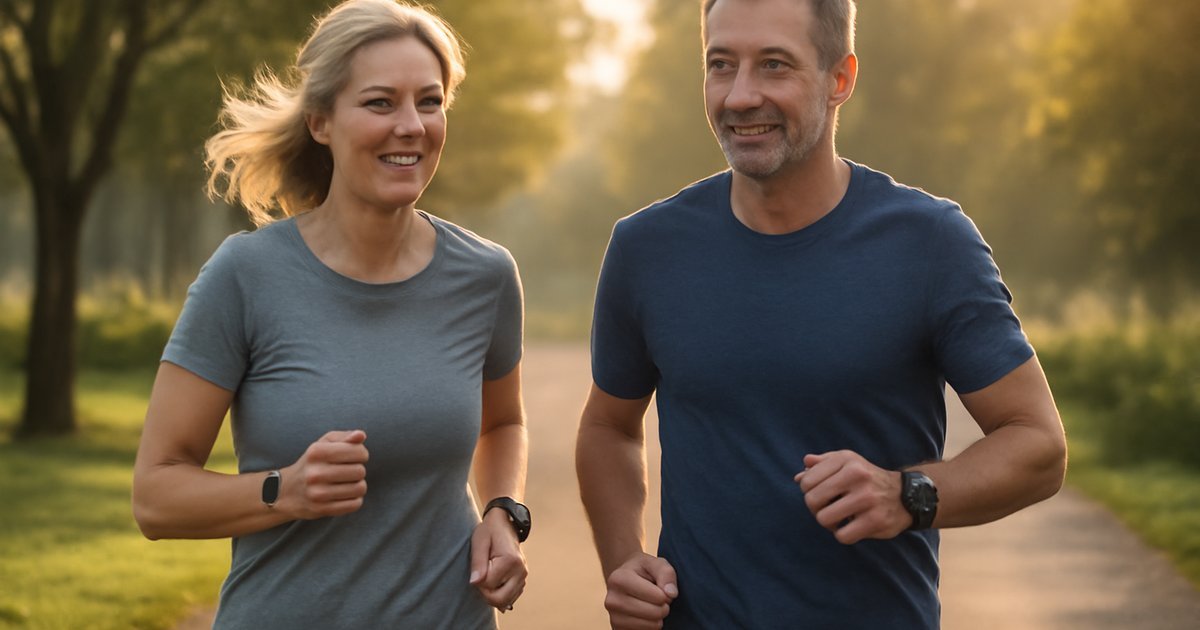
Tag: fitness after 40

  • Interval Training After 40: Zone-Based Cardio That Works

    Interval Training After 40: Zone-Based Cardio That Works

    Not all cardio is created equal — and after 40, how you train matters just as much as how often you train.

    Marcus, 52, had been jogging three times a week for two years. His weight hadn’t budged, his resting heart rate was the same, and he was starting to feel like exercise just wasn’t working for him anymore. Then his cardiologist suggested something different: structured interval training with heart rate zones. Within four months, his cardiovascular fitness had measurably improved, his blood pressure had dropped, and he’d lost 14 pounds — without adding a single extra workout day.

    His experience isn’t unusual. According to the American Heart Association, most adults who exercise regularly still don’t reach the intensity levels needed to meaningfully improve cardiovascular function. For adults over 40, this gap between effort and outcome is especially common — and zone-based interval training may be the most evidence-backed solution available.

    In this guide, you’ll learn what interval training actually is, how heart rate zones work, why this approach is particularly effective after 40, and how to start safely — including when to check with your doctor first.

    What Is Interval Training — and What Are Heart Rate Zones?

    Interval training is a structured approach to cardio exercise that alternates between periods of higher-intensity effort and lower-intensity recovery. Unlike steady-state cardio — where you maintain the same pace for the entire workout — interval training deliberately varies your exertion level throughout the session.

    Heart rate zones are the scientific framework that makes this training measurable and repeatable. Most exercise physiologists recognize five zones based on percentage of your maximum heart rate (MHR):

    • Zone 1 (50–60% MHR): Very light effort — warm-up and active recovery
    • Zone 2 (60–70% MHR): Moderate aerobic effort — conversational pace, fat-burning base
    • Zone 3 (70–80% MHR): Aerobic threshold — slightly challenging, you can speak in short sentences
    • Zone 4 (80–90% MHR): Lactate threshold — hard effort, limited conversation
    • Zone 5 (90–100% MHR): Maximum effort — sprinting, unsustainable for more than seconds to minutes

    A rough formula for estimating your maximum heart rate is 220 minus your age, though clinical research published in the journal Medicine & Science in Sports & Exercise suggests more accurate formulas exist for older adults — something your physician or a certified exercise physiologist can calculate for you.

    According to the NIH’s National Institute on Aging, structured aerobic exercise that includes varied intensity levels is associated with improvements in heart function, metabolic health, and cognitive performance in adults over 40.

    Why Interval Training Becomes More Important After 40

    After age 40, several physiological changes make steady-state cardio progressively less effective as a standalone strategy. Understanding these shifts helps explain why varying your intensity produces better results.

    Declining VO2 max: VO2 max — your body’s maximum capacity to use oxygen during exercise — declines at roughly 1% per year after age 25, according to research from the American College of Sports Medicine. Interval training is one of the most reliable ways to slow or partially reverse this decline.

    Metabolic slowdown: Resting metabolic rate decreases with age, partially due to changes in muscle mass and hormonal shifts. Higher-intensity intervals have been shown to produce a greater post-exercise oxygen consumption effect — often called the "afterburn" — which may support calorie burning for hours after your workout ends.

    Insulin sensitivity: The CDC reports that adults over 45 face a significantly elevated risk of developing type 2 diabetes. Clinical evidence from the journal Diabetologia suggests that interval-based exercise improves insulin sensitivity more effectively than steady-state cardio in middle-aged and older adults.

    Cardiovascular efficiency: Research from the Mayo Clinic indicates that high-intensity interval training (HIIT) can improve cardiac output and arterial flexibility — both of which tend to decline with age and are linked to cardiovascular disease risk.

    This doesn’t mean you need to be sprinting at maximum effort. The key is training across multiple zones intentionally, which is far more achievable — and safer — than most people assume.

    Signs Your Current Cardio Routine Isn’t Working Hard Enough

    Most adults believe that if they’re sweating and breathing harder, they’re exercising at the right intensity. But the body adapts to repeated stimuli — meaning the same jog that challenged you six months ago may now barely raise your heart rate above Zone 2.

    Watch for these signs that your cardio may have plateaued:

    • You can easily hold a full conversation throughout your entire workout
    • Your weight has been stable despite consistent exercise and a controlled diet
    • You feel the same level of exertion now as when you started months ago
    • Your resting heart rate hasn’t decreased over time
    • You feel fully recovered within minutes of finishing a session

    These aren’t signs of failure — they’re signs of adaptation. Your body has become more efficient at the specific activity you’re doing, which is actually a fitness achievement. The solution is to introduce new stimuli through interval training.

    A 2023 meta-analysis published in the British Journal of Sports Medicine confirmed that adults who incorporated structured interval training into their weekly routine showed significantly greater improvements in cardiovascular fitness markers than those who maintained steady-state exercise alone — across all age groups studied, including adults over 50.

    How to Structure Zone-Based Interval Training After 40

    The good news: effective interval training after 40 doesn’t require running track repeats or gym classes designed for 25-year-olds. Zone-based intervals can be applied to walking, cycling, swimming, rowing, or any cardio activity you already do. For guidance on individual activity options, you may find it helpful to review Cycling for Fitness After 40 or Walking for Fitness After 40 for specific application tips.

    Beginner approach — 2-zone intervals (Zone 2 + Zone 3):

    • 5-minute warm-up in Zone 1
    • Alternate 3 minutes in Zone 2 with 2 minutes in Zone 3
    • Repeat 4–5 cycles
    • 5-minute cool-down in Zone 1
    • Total time: 35–45 minutes

    Intermediate approach — 3-zone intervals (Zone 2 + Zone 3 + Zone 4):

    • 5-minute warm-up in Zone 1
    • 3 minutes Zone 2, 2 minutes Zone 3, 1 minute Zone 4
    • 2 minutes Zone 1 recovery
    • Repeat 4–6 cycles
    • 5-minute cool-down
    • Total time: 40–55 minutes

    Frequency recommendations: Most exercise physiologists recommend 2–3 interval sessions per week for adults over 40, with at least one full rest or Zone 1 recovery day between harder sessions. Overtraining is a real risk — research suggests it’s associated with elevated cortisol levels and increased injury risk, particularly in middle-aged adults.

    Pairing interval training with strength work also yields compounding benefits. If you’re building a broader program, Core Strength After 40 is a practical complement to the cardiovascular work outlined here.

    Measuring Your Heart Rate: Tools and Accuracy

    Effective zone-based training depends on knowing your actual heart rate during exercise. Several options are available, each with different levels of accuracy:

    • Chest strap heart rate monitors: Considered the gold standard for accuracy — these measure electrical heart activity directly and are recommended by most exercise physiologists for serious zone training
    • Wrist-based wearables (smartwatches, fitness bands): Convenient and reasonably accurate during steady-state exercise, though optical sensors can lag during rapid intensity changes
    • Manual pulse check: Count beats at your wrist or neck for 15 seconds and multiply by 4 — less practical during high-intensity intervals but useful for verification
    • Perceived exertion scale (RPE 1–10): A subjective but validated backup — most physicians consider Zone 4 to be around 7–8 out of 10 on the Borg Scale of perceived exertion

    If you’re on beta-blockers or other heart rate-affecting medications, note that your maximum heart rate and zone thresholds may be significantly different. Always discuss your target training zones with your physician if you take cardiac medications.

    Safety Guidelines and Medical Considerations After 40

    Interval training is safe for most adults — but "most" is an important qualifier. According to the American Heart Association, previously sedentary adults or those with known cardiovascular risk factors should receive medical clearance before beginning any high-intensity exercise program.

    You should speak with your doctor before starting interval training if you:

    • Have been diagnosed with or are at high risk for heart disease
    • Have uncontrolled hypertension (blood pressure above 160/100 mmHg)
    • Have type 2 diabetes with complications or unstable blood glucose
    • Have a history of arrhythmia (irregular heartbeat)
    • Have joint conditions, osteoporosis, or recent orthopedic surgery
    • Have been sedentary for more than six months
    • Are currently pregnant or have recently given birth

    For most adults over 40 with no significant contraindications, starting with Zone 2 and Zone 3 intervals and gradually progressing is considered a low-risk, high-reward strategy. The key word is gradually — clinical evidence suggests that progressive overload (slowly increasing intensity or duration over weeks) significantly reduces injury risk compared to abrupt changes in training load.

    When to Call Your Doctor — Emergency Warning Signs

    While exercise-related cardiac events are rare — the AHA estimates the risk at roughly 1 in 15,000 to 1 in 18,000 exercisers — it’s critical to recognize symptoms that require immediate medical attention during or after exercise.

    Call 911 or go to the emergency room immediately if you experience:

    • Chest pain, tightness, pressure, or squeezing during or after exercise
    • Jaw, neck, shoulder, or arm pain associated with exertion
    • Sudden severe shortness of breath disproportionate to your effort level
    • Fainting, near-fainting, or sudden dizziness that doesn’t resolve quickly
    • Heart palpitations that feel irregular, rapid, or accompanied by lightheadedness
    • Sudden severe headache during exercise

    Schedule a doctor’s visit soon if you notice:

    • Persistent joint or muscle pain that doesn’t resolve within a week
    • Unusual fatigue that doesn’t improve with rest days
    • Elevated resting heart rate for several days in a row
    • Sleep disruption or mood changes that coincide with increased training intensity

    Frequently Asked Questions

    Is interval training safe if I have high blood pressure?
    Research suggests that moderate interval training can actually help lower blood pressure over time. However, if your blood pressure is uncontrolled, very high-intensity intervals (Zone 5) are generally not recommended until your condition is better managed. Always consult your physician before starting — they may recommend starting with Zone 2 only and progressing gradually based on your response.

    How is zone-based interval training different from HIIT?
    HIIT (high-intensity interval training) typically focuses on Zone 4–5 intervals with short recovery periods. Zone-based training is a broader framework that includes lower-intensity intervals and is generally more sustainable and appropriate for adults over 40, particularly those newer to structured exercise. HIIT is one application of interval training — not the only one.

    How long before I see results from interval training?
    This varies from person to person. Clinical evidence generally suggests measurable cardiovascular improvements within 4–8 weeks of consistent training. Metabolic changes such as improved insulin sensitivity may appear even sooner — within 2–4 weeks, according to research published by the NIH. Patience and consistency are more predictive of success than any specific program.

    Do I need special equipment to do interval training?
    No. Interval training can be done with any cardio modality — including walking, where you simply alternate faster and slower paces. A heart rate monitor adds precision, but even perceived exertion is a validated way to gauge intensity. The most important equipment is a consistent schedule and a willingness to vary your effort level.

    Can I do interval training every day?
    Most sports medicine experts recommend against it for adults over 40. Higher-intensity exercise requires adequate recovery — and insufficient recovery is associated with overtraining syndrome, which includes fatigue, declining performance, and increased injury risk. Two to three interval sessions per week, separated by rest or Zone 1 activity days, is the standard recommendation from organizations like the American College of Sports Medicine.

    Conclusion

    Interval training — especially when guided by heart rate zones — offers adults over 40 one of the most evidence-backed paths to meaningful cardiovascular improvement, metabolic health, and sustainable fitness. It’s not about working harder for the sake of it. It’s about working smarter: giving your body the varied stimulus it needs to keep adapting, improving, and staying resilient as you age.

    You don’t need to start at Zone 5. You don’t need a gym membership or a personal trainer. You need a plan, a way to monitor your heart rate, a gradual progression — and a conversation with your doctor if you have any underlying conditions.

    The science is clear. The approach is accessible. The only step left is yours.


    Medical Disclaimer: This article is for informational and educational purposes only. It does not constitute medical advice, diagnosis, or treatment. Always consult your physician or a qualified healthcare provider before making changes to your health routine or treatment plan.

    Medically reviewed by our editorial health team. Content follows evidence-based standards aligned with CDC and NIH guidelines.
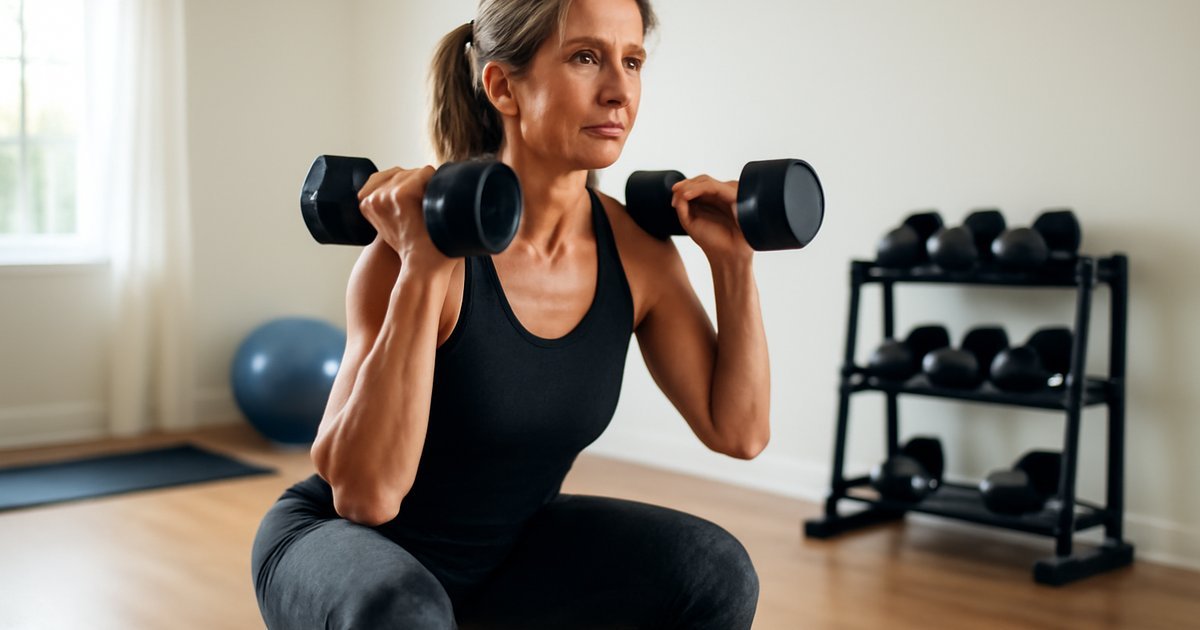

  • Exercise for Bone Health After 40: Build Density & Strength

    Exercise for Bone Health After 40: Build Density & Strength

    Exercise for Bone Health After 40: Build Density & Strength

    The right fitness routine can slow bone loss, reduce fracture risk, and keep you strong and independent well into your later decades.

    Why Your Bones Need Attention After 40

    Margaret, 54, had always considered herself active. She walked regularly, watched what she ate, and never thought twice about her bones — until a routine DEXA scan (a bone density test) revealed she had osteopenia, the precursor to osteoporosis. Her doctor told her that the right exercise program, started now, could make a meaningful difference. She was both surprised and motivated.

    Margaret’s story is far from unusual. According to the National Institutes of Health (NIH), approximately 54 million Americans have low bone density or osteoporosis, and the risk increases sharply after age 40. Most people don’t realize bone loss is happening until a fracture occurs — often from a fall that wouldn’t have mattered at 30.

    The good news? Exercise is one of the most powerful tools available to protect your bones. In this guide, you’ll learn which types of exercise build bone density, how to exercise safely if you already have bone loss, and what clinical evidence says about the best fitness strategies for skeletal health after 40.

    What Is Bone Health — and Why Does It Change After 40?

    Bone is living tissue. Throughout your life, specialized cells called osteoblasts build new bone while osteoclasts break down old bone. This continuous remodeling process keeps your skeleton strong — but it requires the right inputs: mechanical stress, adequate nutrition, and hormonal support.

    Peak bone mass is typically reached in your late 20s to early 30s. After that, bone remodeling gradually shifts toward net bone loss. For women, this process accelerates dramatically at menopause due to the sharp decline in estrogen, a hormone that protects bone. Men experience a slower but steady decline in testosterone that also affects skeletal integrity over time.

    The CDC reports that osteoporosis-related fractures affect about 2 million Americans each year, contributing to significant disability, loss of independence, and in some cases, life-threatening complications. Hip fractures alone have a one-year mortality rate of up to 20-30% in older adults, according to data published by the American Academy of Orthopaedic Surgeons.

    The critical insight: bone responds to mechanical loading. When muscles contract and pull on bone, or when your body bears weight, it sends signals that stimulate bone-forming cells. No loading, no stimulus. That’s why exercise — the right kind — is irreplaceable for bone health.

    Signs That Your Bone Health May Be at Risk

    Bone loss is often called a "silent disease" because it progresses without obvious symptoms. Still, certain signs and risk factors should prompt you to speak with your doctor.

    Early warning signs and risk factors include:

    • Loss of height (more than 1 inch over time)
    • Posture changes, such as a forward-rounding of the upper back (called kyphosis)
    • Bone fracture from a minor injury or fall
    • Chronic back pain without a clear cause
    • Family history of osteoporosis or hip fracture
    • Low body weight or a history of eating disorders
    • Long-term use of corticosteroids (like prednisone)
    • History of smoking or heavy alcohol use
    • Premature menopause or low testosterone levels
    • Calcium or vitamin D deficiency

    Red flags requiring prompt medical attention:

    • A fracture after a low-impact fall or minor trauma
    • Sudden, severe back pain (can signal a vertebral compression fracture)
    • Significant loss of height over a short period

    A study published in the Journal of Bone and Mineral Research found that women with a first fragility fracture (a break from a minor fall) had a two-to-four times higher risk of a subsequent fracture — making early intervention critical.

    The Best Types of Exercise for Bone Density

    Not all exercise builds bone equally. The two most effective categories are weight-bearing exercise and resistance training. Research consistently supports combining both for the strongest skeletal outcomes.

    Weight-Bearing Aerobic Exercise
    Weight-bearing exercise means any activity where you support your own body weight against gravity. This mechanical loading directly stimulates bone formation. Examples include:

    • Brisk walking or hiking
    • Dancing (highly effective due to varied directional forces)
    • Tennis and racquet sports
    • Stair climbing
    • Low-impact aerobics classes
    • Jogging (if your joints tolerate it)

    A landmark meta-analysis published in Osteoporosis International found that weight-bearing exercise programs produced statistically significant improvements in lumbar spine and hip bone mineral density in postmenopausal women. Even walking — one of the most accessible forms — was associated with slower bone loss at the hip compared to sedentary controls. For more detail on structured walking programs, see our guide on Walking for Fitness After 40: Benefits, Tips & Plans.

    Resistance Training
    Strength training — using free weights, machines, resistance bands, or body weight — is arguably the most powerful tool for bone health. When muscles contract forcefully against resistance, they create pulling forces on bones that stimulate osteoblast activity. Research suggests that progressive resistance training can increase bone mineral density at the spine and hip by 1-3% over six to twelve months.

    Key exercises for bone health through resistance training include:

    • Squats and lunges (load-bearing for hips and spine)
    • Deadlifts (at appropriate weight with good form)
    • Hip hinge movements
    • Overhead pressing (for spinal loading)
    • Rows and pulling movements (for thoracic spine health)

    If you’re newer to resistance training or prefer equipment-free options, Resistance Band Training After 40 is an excellent place to start — bands provide meaningful resistance with lower injury risk for beginners.

    Impact and Jumping Activities
    Higher-impact activities generate greater ground reaction forces, which are particularly strong signals for bone remodeling. A study from the American Journal of Health Promotion found that women who performed brief bouts of jumping (10 jumps twice daily) showed measurable improvements in hip bone density over four months. If your joints are healthy, incorporating:

    • Jump rope
    • Box step-ups with a downward step
    • Skipping or hopping drills
    • Low-level jumping jacks

    …can add meaningful bone stimulus to your routine. This varies from person to person, so always consult your doctor before adding impact if you have a history of joint problems or existing bone loss.

    Balance and Posture Training
    While not a direct bone-builder, balance training dramatically reduces the risk of falls — which is the primary cause of osteoporotic fractures. Clinical evidence from the NIH indicates that balance and strength training can reduce fall risk by up to 23% in older adults. Tai chi, single-leg standing exercises, and stability work all belong in a bone-protective routine. Our article on Core Strength After 40: Build Stability & Reduce Back Pain covers complementary exercises that also support spinal health.

    How to Structure Your Bone-Building Workout Program

    Most physicians and physical therapists recommend a minimum of 30 minutes of weight-bearing exercise on most days, combined with resistance training two to three times per week. Here’s a practical weekly framework:

    Sample Weekly Structure:

    • Monday: Resistance training (lower body focus — squats, lunges, hip hinges)
    • Tuesday: 30-40 minutes brisk walking or dancing
    • Wednesday: Resistance training (upper body and spine — rows, presses, deadlifts)
    • Thursday: Balance training and core work (20-30 minutes)
    • Friday: Weight-bearing cardio (stair climbing, hiking, aerobics class)
    • Saturday: Active recovery — gentle walking, yoga, or stretching
    • Sunday: Rest or light activity

    The American College of Sports Medicine (ACSM) recommends that resistance training for bone health use moderate-to-high loads — typically 70-85% of your one-repetition maximum — for 8-12 repetitions. That said, individuals with osteoporosis or significant joint issues should work with a physical therapist or certified trainer experienced in bone health to determine appropriate loads.

    Progression matters. Bone responds to novel mechanical stress. If you perform the same exercises at the same intensity indefinitely, adaptation slows. Gradually increasing weight, adding new movement patterns, or incorporating varied directional loading keeps the stimulus fresh.

    Exercising Safely When You Already Have Bone Loss

    If you’ve been diagnosed with osteopenia or osteoporosis, exercise remains strongly recommended — but with important modifications to minimize fracture risk.

    Movements to approach cautiously or avoid:

    • High-impact activities like running on hard surfaces (for severe osteoporosis)
    • Forward spinal flexion under load (e.g., crunches, bent-over rowing with poor form)
    • Twisting movements with heavy resistance
    • Activities with a high fall risk (downhill skiing, rollerblading) without protective gear

    Safer alternatives that still build bone:

    • Walking on flat, well-lit surfaces
    • Water aerobics (less bone-building but safe for very high-risk individuals)
    • Chair-based resistance exercises
    • Wall push-ups, seated leg presses, and supported squats
    • Tai chi for balance

    The National Osteoporosis Foundation (now the Bone Health & Osteoporosis Foundation) recommends that people with osteoporosis work with a physical therapist to design an individualized program. A clinical professional can identify which exercises are appropriate for your specific bone density scores and medical history.

    Nutrition and Lifestyle Factors That Support Exercise’s Benefits

    Exercise’s bone-building effects are amplified — or undermined — by what you eat and other lifestyle choices. Clinical evidence indicates that adequate calcium and vitamin D are essential for bone remodeling triggered by exercise.

    The NIH recommends:

    • Calcium: 1,000 mg/day for adults 19-50; 1,200 mg/day for women over 50 and men over 70
    • Vitamin D: 600-800 IU/day, with many physicians recommending higher levels based on individual blood tests

    Food sources of calcium include dairy products, fortified plant milks, leafy greens (kale, bok choy), almonds, and canned fish with bones. Vitamin D comes primarily from sun exposure and fortified foods, with supplementation often needed in northern latitudes or for those who spend little time outdoors.

    Other bone-supportive habits:

    • Adequate protein intake (supports bone matrix and muscle repair)
    • Limiting alcohol to no more than one drink daily for women, two for men
    • Avoiding smoking (significantly impairs bone remodeling)
    • Managing medications: discuss with your doctor if you’re on long-term corticosteroids, PPIs, or certain anticonvulsants, all of which can affect bone density

    When to Call Your Doctor — and Emergency Signs

    Exercise for bone health is safe for the vast majority of adults, but certain situations require medical guidance before or during a fitness program.

    Schedule a doctor’s appointment if:

    • You’ve never had a bone density test and are a woman over 65 (or postmenopausal under 65 with risk factors) or a man over 70
    • You’ve experienced a fracture from a minor fall or impact
    • You’re taking medications known to affect bone density
    • You have chronic pain that limits your movement
    • You want to start a high-intensity or impact exercise program and have concerns about bone health

    Seek emergency care immediately if:

    • You experience sudden severe back pain, especially after a fall or lifting — this can indicate a vertebral fracture
    • A limb appears deformed or you cannot bear weight after a fall
    • You have numbness, tingling, or weakness in the arms or legs following a fall

    Frequently Asked Questions

    Can exercise actually reverse osteoporosis?
    Research suggests that exercise can slow bone loss and modestly increase bone mineral density in some individuals — but it is not a cure for established osteoporosis. The goal of exercise is to build and maintain bone density, reduce fall risk, and improve muscle strength, all of which reduce fracture risk. For significant bone loss, your doctor may recommend medications in addition to exercise and nutrition.

    How long before I see results in my bone density?
    Bone remodeling is slow. Clinical trials typically show measurable improvements in bone mineral density after 6 to 12 months of consistent exercise. Bone density is usually re-measured by DEXA scan every 1-2 years, so patience and consistency are essential.

    Is swimming or cycling good for bone health?
    Swimming and cycling are excellent for cardiovascular fitness and muscle strength, but because they are non-weight-bearing, they provide minimal direct bone stimulus. If you enjoy these activities, clinical evidence indicates you should supplement them with weight-bearing exercise for bone protection. Check out our guides on Swimming for Fitness After 40 and Cycling for Fitness After 40 for balanced program ideas.

    What if I have joint pain — can I still do bone-building exercise?
    Yes, in most cases. Many bone-building exercises can be modified for people with joint pain. Water-based resistance training, chair-based strengthening, and low-impact weight-bearing movements (like walking) can all support bone health without excessive joint stress. A physical therapist can tailor a program to your specific limitations.

    At what age is it too late to benefit from exercise for bones?
    Clinical evidence strongly suggests it is never too late to benefit. Studies have shown improvements in bone density and fall prevention in adults well into their 70s and 80s from targeted exercise programs. Starting earlier is better, but starting now is always worthwhile.

    Take Action for Your Bones Today

    Bone health may feel abstract until a fracture makes it very real. But the research is clear and reassuring: consistent, targeted exercise — especially weight-bearing activities and resistance training — can meaningfully protect your skeletal health after 40. You don’t need to do everything at once. Even beginning with a 30-minute walk several times a week and two strength sessions is a significant step in the right direction.

    Talk to your primary care physician about getting a baseline bone density scan, reviewing your calcium and vitamin D levels, and discussing whether your current fitness routine is bone-protective. With the right approach and professional support, building stronger bones after 40 is not only possible — it’s one of the most valuable investments you can make in your long-term health and independence.


    Medical Disclaimer: This article is for informational and educational purposes only. It does not constitute medical advice, diagnosis, or treatment. Always consult your physician or a qualified healthcare provider before making changes to your health routine or treatment plan.

    Medically reviewed by our editorial health team. Content follows evidence-based standards aligned with CDC and NIH guidelines.
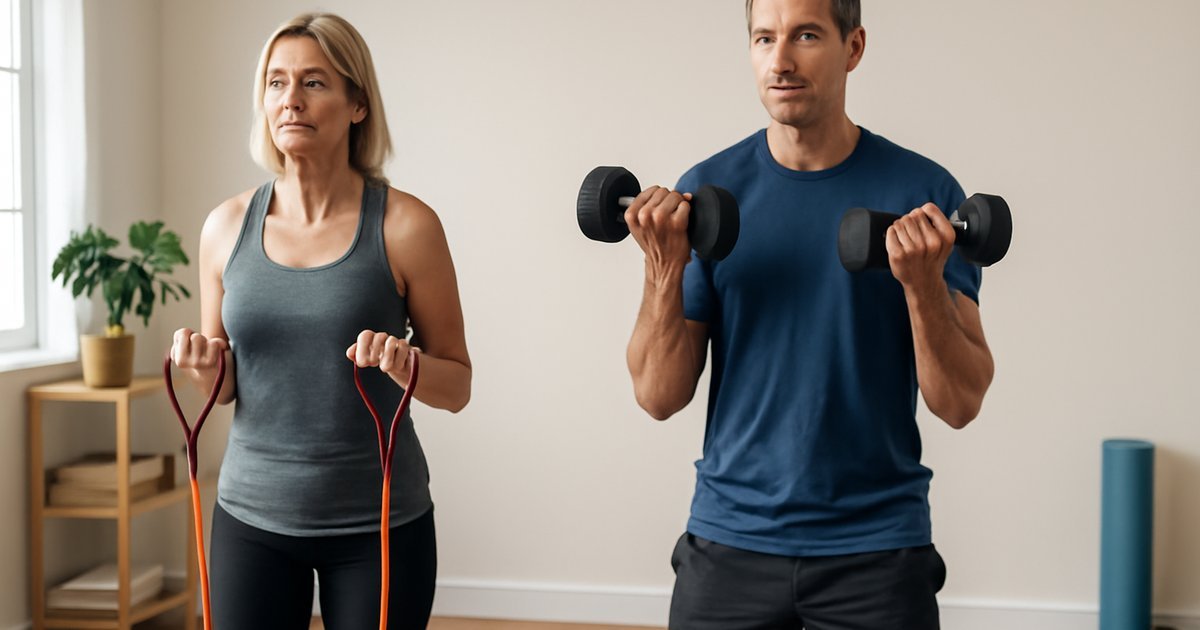
  • Sport-Specific Fitness After 40: Train Smarter, Perform Better

    Sport-Specific Fitness After 40: Train Smarter, Perform Better

    Your body can still perform at a high level after 40 — but the way you train for your sport needs to evolve with it.

    Introduction

    Mark, 52, had been playing recreational tennis for two decades. But after turning 40, he noticed something unsettling: he was losing a step on the court, his shoulder ached after every match, and his recovery time had doubled. He wasn’t injured — he was simply training the same way he always had, without adjusting for the changes his body had undergone.

    His experience is far from unique. According to the Centers for Disease Control and Prevention (CDC), only about 28% of American adults aged 50 and older meet recommended physical activity guidelines — and many of those who do stay active fail to train in ways that actually support the sports and activities they love.

    Sport-specific fitness training — exercise designed to build the exact strength, endurance, power, and mobility your chosen sport demands — is one of the most effective ways adults over 40 can continue doing what they love without burning out or breaking down. In this guide, you’ll learn what sport-specific training means, how aging changes your performance needs, and how to build a safe, effective program tailored to your sport.

    What Is Sport-Specific Fitness Training?

    Sport-specific fitness training refers to a structured exercise approach that targets the physical qualities most critical to performing well in a particular sport or physical activity. Rather than training for general fitness alone, you train the movement patterns, energy systems, and muscle groups your sport demands most.

    A recreational golfer, for example, needs rotational power, hip mobility, and core stability — not the same qualities a competitive swimmer or weekend cyclist prioritizes. Sport-specific training acknowledges those differences and builds a program around them.

    According to the National Institutes of Health (NIH), targeted exercise programs that combine strength, flexibility, and sport-relevant movements produce better functional outcomes than generalized fitness routines — particularly in adults over 40, where physiological changes make efficiency more important than volume.

    This approach matters for everyday athletes too. Whether you play pickleball on weekends, train for local 5K races, swim laps, or play recreational basketball, sport-specific conditioning helps you move better, stay injury-free, and sustain performance as you age.

    How Aging Changes Athletic Performance After 40

    Before designing a sport-specific program, it’s important to understand what changes in your body after 40 — and why those changes affect how you should train.

    Muscle mass and power output decline gradually. Research published through the NIH confirms that adults lose approximately 3–8% of skeletal muscle mass per decade after age 30, with the rate accelerating after 60. This process, called sarcopenia, reduces explosive power, speed, and strength — qualities that most sports demand.

    Joint cartilage and connective tissue change. Tendons and ligaments become less elastic with age, increasing injury risk during high-impact or rapid-change-of-direction movements. Recovery from minor strains also takes longer.

    Aerobic capacity (VO2 max) decreases. The American Heart Association notes that maximal oxygen uptake declines roughly 10% per decade after age 25 in sedentary individuals — though regular aerobic training can significantly slow this decline.

    Reaction time and neuromuscular coordination slow. This affects sports that require quick reflexes, balance, and precise timing — from racket sports to skiing to basketball.

    The good news: research consistently shows that regular, targeted training dramatically reduces these age-related declines. You may not perform exactly as you did at 25, but with smart, sport-specific programming, your 50s and 60s can still be years of strong, enjoyable performance.

    Signs Your Training Isn’t Sport-Specific Enough

    Many adults over 40 who stay physically active still train in ways that don’t actually prepare them for their chosen sport. Here are signs your program may need adjustment:

    • Early signs your training lacks specificity:
    • You feel fit at the gym but fatigued or sluggish during your sport
    • You experience recurring minor injuries in sport-specific areas (shoulder in tennis, knee in running, hip in golf)
    • Your performance on the court, trail, or course has plateaued despite consistent gym time
    • You have excellent general endurance but poor sport-specific power or agility
    • You stretch inconsistently and only after workouts, not before or on rest days
    • More advanced signs worth discussing with a professional:
    • Chronic joint pain that worsens during or after sport activity
    • Repeated muscle strains in the same location across multiple seasons
    • Significant asymmetry in strength or flexibility between dominant and non-dominant sides
    • Fatigue during sport that seems disproportionate to your fitness level

    This varies from person to person — some adults adapt well to general fitness programs, while others need highly targeted sport-specific work to feel and perform their best.

    The Four Pillars of Sport-Specific Fitness After 40

    Regardless of which sport you play, clinical evidence suggests that sport-specific programs for adults over 40 should address four core physical qualities:

    1. Functional Strength

    This means building strength in the specific movement patterns your sport requires — not just isolated muscle exercises. A runner benefits from single-leg deadlifts and hip-hinge patterns. A tennis player needs rotational pulling and pushing strength. A swimmer needs shoulder stability and thoracic mobility alongside upper-body pulling power.

    Research suggests that compound, multi-joint strength exercises improve sport performance more effectively than isolated machine-based exercises, particularly for adults in the 40–70 age range. If you’re looking for a solid foundation, resistance band training after 40 is an excellent starting point for building functional strength with lower joint stress.

    2. Cardiovascular Conditioning Matched to Sport Demands

    Different sports use different energy systems. Golf is largely anaerobic with brief bursts of effort. Distance running is predominantly aerobic. Tennis mixes short explosive efforts with partial recovery — what exercise scientists call alactic and lactic anaerobic systems.

    Training your cardiovascular system in sport-relevant intervals — not just steady-state cardio — prepares your body for what it actually faces during competition or play. Most physicians recommend a combination of moderate-intensity steady cardio and sport-interval training for adults over 40.

    3. Mobility and Flexibility

    After 40, maintaining joint range of motion becomes increasingly critical for both performance and injury prevention. Clinical evidence from Mayo Clinic indicates that adults who perform regular targeted mobility work maintain better functional movement patterns into their 60s and 70s.

    Mobility training should focus on the joints your sport uses most — hips and thoracic spine for golf and tennis, ankles and hips for running and cycling, shoulders and thoracic spine for swimming.

    4. Neuromuscular Coordination and Balance

    As reaction time and balance naturally decline with age, training proprioception — your body’s ability to sense and react to position — becomes essential. Single-leg exercises, agility drills, and coordination-focused movements directly support sport performance and dramatically reduce fall and injury risk.

    Our guide to core strength training after 40 covers stability and balance fundamentals that apply across virtually every sport.

    Sport-Specific Training Examples for Common Activities

    Here’s how sport-specific training looks in practice for popular activities among adults over 40:

    Running and 5K/10K Training

    • Key fitness needs: aerobic base, hip strength, ankle mobility, calf and Achilles resilience
    • Recommended additions: single-leg squats, hip abductor strengthening, calf raises, tempo runs with walk intervals
    • Injury prevention focus: hip flexor and IT band mobility, glute activation before runs

    Tennis and Racket Sports

    • Key fitness needs: rotational power, shoulder stability, lateral agility, reaction time
    • Recommended additions: cable or band rotational rows, lateral shuffles, shoulder external rotation exercises, split-stance medicine ball throws
    • Injury prevention focus: rotator cuff strengthening, elbow tendon loading exercises (for tennis elbow prevention)

    Golf

    • Key fitness needs: hip and thoracic rotation, core stability, glute strength, balance
    • Recommended additions: hip 90/90 mobility, thoracic rotation drills, pallof press, single-leg hip hinge
    • Injury prevention focus: lower back mobility, hip internal rotation

    Cycling

    • Key fitness needs: aerobic endurance, quad and glute power, hip flexor flexibility, upper body posture
    • Recommended additions: Bulgarian split squats, hip flexor stretching, thoracic extension over a foam roller, interval cycling sessions
    • Injury prevention focus: knee alignment, saddle fit, IT band mobility

    For those who enjoy cycling as their primary sport, our detailed guide on cycling for fitness after 40 provides a full breakdown of training plans and injury prevention strategies.

    How to Build Your Sport-Specific Program

    Most physicians and sports medicine professionals recommend a simple phased approach for adults over 40 building a sport-specific program:

    Phase 1 — Foundation (Weeks 1–4): Focus on general strength, mobility, and injury prevention. Identify your sport’s primary movement patterns and any existing weaknesses or asymmetries.

    Phase 2 — Development (Weeks 5–10): Introduce sport-specific strength and conditioning work. Match cardiovascular training to your sport’s energy demands. Add coordination and balance exercises.

    Phase 3 — Performance (Weeks 11–16): Increase specificity and intensity. Include drills that mimic sport movements. Prioritize recovery between sessions — a non-negotiable for adults over 40.

    Recovery weeks: Every 3–4 weeks, reduce training volume by 30–40% to allow adaptation. Research indicates that adults over 45 require more frequent deload periods than younger athletes for optimal adaptation and injury prevention.

    When to See Your Doctor or a Sports Medicine Professional

    Starting or significantly modifying a sport-specific training program is generally safe for healthy adults — but there are situations where medical clearance is essential before you begin.

    Schedule a visit with your physician or sports medicine provider if:

    • You have been sedentary for more than 12 months and plan to start intense training
    • You have cardiovascular disease, hypertension, or diabetes
    • You experience chest pain, shortness of breath, or dizziness during exercise
    • You have a history of joint replacement, fracture, or major surgery
    • You experience joint pain that persists more than 48 hours after activity
    • You have significant pain or swelling in any joint during or after sport activity

    Seek emergency care immediately if during exercise you experience:

    • Chest pain or pressure that doesn’t resolve with rest
    • Sudden severe shortness of breath
    • Fainting or near-fainting
    • Sudden sharp joint pain with swelling or deformity
    • Irregular or racing heartbeat accompanied by dizziness

    At your next routine appointment, tell your doctor which sport you’re training for, what your program includes, and ask for any sport-specific screenings or assessments that may be appropriate for your age and health history.

    Frequently Asked Questions

    Is sport-specific training safe for adults over 50 or 60?

    Research suggests that adults in their 50s and 60s benefit significantly from structured sport-specific training, provided it’s appropriately progressed and includes adequate recovery. The American College of Sports Medicine supports sport-specific resistance and conditioning training across all age groups with proper supervision and medical clearance when indicated.

    How often should I train sport-specifically versus doing general fitness work?

    Clinical evidence indicates a ratio of roughly 60–70% sport-specific training to 30–40% general fitness work is effective for recreational athletes over 40. This prevents overuse injury from excessive specificity while still building the foundational fitness your sport demands.

    What if my sport is seasonal? Should I train differently in the off-season?

    Most sports medicine professionals recommend using the off-season to build general strength, address mobility limitations, and correct muscular imbalances identified during the playing season. Transitioning to more sport-specific conditioning 6–8 weeks before your season begins is a widely supported approach.

    Can sport-specific training help with injury prevention, not just performance?

    Yes — and for adults over 40, injury prevention may be the most important benefit. According to Johns Hopkins Medicine, targeted training that addresses sport-specific movement patterns and muscle imbalances significantly reduces overuse injury rates in recreational adult athletes.

    Do I need a personal trainer or sports coach to train sport-specifically?

    Working with a certified personal trainer (CSCS or similar credential) or a physical therapist familiar with your sport is highly recommended, especially when starting out. However, once you understand your sport’s demands and your individual limitations, many adults successfully manage their own programs with periodic professional check-ins.

    Conclusion

    Your sport doesn’t care how old you are — but your training program should. After 40, the most effective path to sustained athletic performance isn’t training harder or longer; it’s training smarter and more specifically.

    By understanding what your sport demands physically, addressing the changes aging brings to your body, and building a program around the four pillars of functional strength, cardiovascular fitness, mobility, and neuromuscular coordination, you can continue performing, competing, and enjoying the activities you love well into your 50s, 60s, and beyond.

    Sport-specific training isn’t reserved for elite athletes. It’s one of the most practical, evidence-based approaches available to any adult who wants to stay active and capable for the long haul. Start where you are, adjust as your body adapts, and always keep your physician in the loop.


    Medical Disclaimer: This article is for informational and educational purposes only. It does not constitute medical advice, diagnosis, or treatment. Always consult your physician or a qualified healthcare provider before making changes to your health routine or treatment plan.

    Medically reviewed by our editorial health team. Content follows evidence-based standards aligned with CDC and NIH guidelines.

  • Home Gym Workouts After 40: Build Strength & Stay Fit

    Home Gym Workouts After 40: Build Strength & Stay Fit

    You don't need a gym membership or expensive equipment to get stronger, leaner, and healthier after 40 — you just need the right plan.

    Why Working Out at Home Makes Sense After 40

    Meet David, 52, a project manager from Ohio. After his gym closed during a particularly hectic work quarter, he started exercising in his living room with a pair of resistance bands and a yoga mat. Six months later, his blood pressure had dropped, he'd lost 18 pounds, and his back pain — a constant companion for nearly a decade — had significantly improved. He never went back to the gym.

    David's story isn't unusual. According to the American College of Sports Medicine, home-based exercise programs show comparable long-term adherence rates to gym-based training — and for adults over 40, consistency is everything. Between family obligations, demanding careers, and the physical realities of an aging body, the friction of commuting to a gym can silently sabotage even the best intentions.

    In this guide, you'll learn exactly how to design and follow a home gym workout plan tailored to adults in their 40s, 50s, 60s, and beyond — one that builds real strength, supports joint health, boosts cardiovascular fitness, and fits into a real life. No equipment? Minimal equipment? Both work. Let's get into it.

    What Changes About Fitness After 40?

    Understanding the biological changes that happen after 40 isn't about making excuses — it's about working smarter. After 40, several key physiological shifts affect how your body responds to exercise.

    Sarcopenia — the gradual loss of muscle mass — begins as early as your 30s and accelerates after 40. According to the National Institute on Aging (NIH), adults can lose 3–8% of muscle mass per decade without intervention. This loss doesn't just affect how you look — it slows your metabolism, weakens your bones, and increases your risk of falls and injury.

    Meanwhile, hormonal changes — declining estrogen in women and testosterone in men — affect fat distribution, recovery time, and energy levels. Joints may take longer to warm up, and inflammation tends to linger longer after intense sessions.

    The good news? Research published in the Journal of Strength and Conditioning Research confirms that consistent resistance training can significantly slow — and even partially reverse — age-related muscle loss at any age. Your home gym is a powerful tool against the biological clock.

    Benefits of Home Gym Workouts for Adults Over 40

    Clinical evidence strongly supports exercise as one of the most powerful preventive health tools available to adults over 40. A home workout routine specifically offers:

    • Convenience and consistency: No travel time, no waiting for equipment, no weather concerns. Research suggests that removing environmental barriers dramatically improves long-term exercise adherence.
    • Joint-friendly options: You control the surface, the equipment, and the intensity — making it easier to modify exercises when joints are stiff or sore.
    • Cardiovascular health: The American Heart Association recommends at least 150 minutes of moderate-intensity aerobic activity per week for adults — all of which can be achieved at home.
    • Mental health benefits: Regular physical activity is clinically associated with reduced symptoms of anxiety and depression, improved sleep quality, and sharper cognitive function — all areas that become increasingly important after 40.
    • Cost savings: A modest home setup costs a fraction of annual gym membership fees, with no long-term commitment.

    If you're also managing your weight alongside fitness, our guide on Exercise for Weight Management After 40 offers complementary strategies that pair well with a home-based program.

    Essential Equipment for a Home Gym After 40

    You don't need a squat rack or treadmill to build an effective home gym. Here's what actually delivers results for adults over 40, organized by investment level:

    Zero Equipment (Bodyweight Only)

    Bodyweight training is highly effective and requires no financial investment. Exercises like squats, push-ups, lunges, planks, glute bridges, and modified burpees can provide a full-body workout that challenges every major muscle group.

    Minimal Investment ($50–$150)

    • Resistance bands (set of 3–5): Versatile, joint-friendly, and ideal for strength training, stretching, and rehabilitation exercises.
    • A pair of adjustable dumbbells: One of the most efficient investments for home strength training. Clinical evidence indicates free weights activate stabilizer muscles more effectively than machines.
    • Yoga mat: Essential for floor work, stretching, and balance exercises — reduces joint stress on hard surfaces.
    • Foam roller: Myofascial release (self-massage) with a foam roller has been shown in studies to reduce post-exercise soreness and improve range of motion.

    Moderate Investment ($200–$500)

    • Kettlebell (15–35 lbs): Exceptional for compound movements that combine strength and cardio, such as swings and Turkish get-ups.
    • Pull-up bar (doorframe mounted): Supports upper body and core training with minimal space.
    • Stability ball: Adds instability to exercises, improving core engagement and balance — especially valuable for adults managing lower back issues.

    Most adults over 40 will find the minimal investment tier more than sufficient for a comprehensive, medically sound workout program.

    The Complete Home Gym Workout Plan for Adults Over 40

    The following plan is structured around recommendations from the CDC and American College of Sports Medicine: at least 2 days of strength training and 150 minutes of moderate cardio per week. This is a sample starting point — individual variation always applies, and this varies from person to person based on fitness level, health history, and goals.

    Always consult your physician before starting a new exercise program, especially if you have a chronic condition, cardiovascular disease, or recent injury.

    Sample Weekly Schedule

    • Monday: Strength Training — Upper Body (30–40 min)
    • Tuesday: Low-Impact Cardio (30 min walking in place, cycling, or step-ups)
    • Wednesday: Strength Training — Lower Body & Core (30–40 min)
    • Thursday: Active Recovery — Stretching & Mobility (20–30 min)
    • Friday: Full-Body Circuit Training (35–45 min)
    • Saturday: Moderate Cardio or Outdoor Activity (30–45 min)
    • Sunday: Complete Rest or Gentle Yoga

    Upper Body Workout (Monday)

    Perform 3 sets of 10–15 repetitions for each exercise. Rest 60–90 seconds between sets.

    • Push-ups (modify on knees if needed)
    • Dumbbell bent-over rows
    • Resistance band shoulder press
    • Dumbbell bicep curls
    • Tricep dips (using a sturdy chair)
    • Resistance band chest press

    Lower Body & Core Workout (Wednesday)

    • Bodyweight squats or goblet squats
    • Reverse lunges (easier on knees than forward lunges)
    • Glute bridges or single-leg glute bridges
    • Resistance band side steps (hip abductor strengthening)
    • Plank hold (30–60 seconds)
    • Bird-dog (core stability)
    • Dead bug (lower back protection)

    Full-Body Circuit (Friday)

    Perform each exercise for 40 seconds, rest 20 seconds, then move to the next. Complete 3 rounds.

    • Squat to overhead press (dumbbell or band)
    • Push-up with shoulder tap
    • Dumbbell Romanian deadlift
    • Resistance band pull-apart
    • Step-back lunge with knee drive
    • Mountain climbers (slow and controlled pace)
    • Plank with alternating arm reach

    For adults who find floor-based core work challenging due to back or hip discomfort, our Core Strength After 40 guide offers targeted modifications that protect the spine while still delivering meaningful results.

    Warming Up and Cooling Down: Non-Negotiable After 40

    After 40, skipping the warm-up is one of the most common — and costly — mistakes adults make. A proper warm-up increases blood flow to muscles and joints, raises core body temperature, and primes the nervous system. This reduces injury risk and improves performance.

    Clinical evidence from Mayo Clinic confirms that a 5–10 minute warm-up meaningfully reduces soft tissue injury risk during exercise.

    5-Minute Warm-Up Sequence

    • Arm circles (forward and back) — 30 seconds
    • Hip circles — 30 seconds
    • Leg swings (front-to-back and side-to-side) — 30 seconds each leg
    • March in place with high knees — 60 seconds
    • Torso rotations — 30 seconds
    • Bodyweight squats (slow) — 10 reps

    Cool-Down and Mobility (5–10 Minutes)

    • Standing quad stretch (hold 30 seconds each side)
    • Seated hamstring stretch
    • Child's pose
    • Hip flexor lunge stretch
    • Chest opener stretch
    • Slow deep breathing (diaphragmatic breathing) for 2 minutes

    Recovery is as important as the workout itself — especially after 40. Our dedicated guide on Walking for Fitness After 40 is also an excellent active recovery option between strength sessions, as brisk walking supports cardiovascular health without stressing the joints.

    Common Mistakes to Avoid in Your Home Workout

    Even well-intentioned fitness routines can go wrong. Here are the most clinically relevant mistakes adults over 40 make — and how to avoid them:

    • Skipping rest days: Muscle repair happens during recovery, not during training. Overtraining increases injury risk and promotes chronic inflammation — a real concern after 40.
    • Ignoring pain signals: Muscle fatigue is expected. Joint pain, sharp pain, or pain that persists after 48 hours is not normal — it signals the need for medical evaluation.
    • Progressing too fast: Research suggests increasing volume or intensity by no more than 10% per week to minimize overuse injury risk.
    • Neglecting protein intake: The American Dietetic Association recommends 1.2–1.6 grams of protein per kilogram of body weight for older adults engaged in resistance training to support muscle protein synthesis.
    • Holding your breath during lifts: This can spike blood pressure dangerously. Exhale on the effort phase, inhale on the return.
    • Using poor form to lift heavier: Form always takes priority over load. Poor form dramatically increases injury risk, particularly for the lower back and knees.

    When to Call Your Doctor: Red Flags During Exercise

    Exercise is safe for the vast majority of adults — but certain symptoms require immediate medical attention. Stop exercising and seek emergency care if you experience:

    • Chest pain, pressure, tightness, or pain radiating to the arm, jaw, or back
    • Sudden severe shortness of breath disproportionate to your effort level
    • Dizziness, lightheadedness, or fainting
    • Heart palpitations that feel rapid, irregular, or accompanied by other symptoms
    • Sudden severe headache during exercise
    • Numbness or weakness on one side of the body

    Schedule a non-emergency appointment if you experience:

    • Joint pain that persists longer than 48–72 hours after exercise
    • Consistent muscle soreness that doesn't improve with rest
    • Sudden changes in exercise tolerance or unusual fatigue
    • Any new symptom that concerns you during or after workouts

    Before starting any new home gym program, adults over 40 with hypertension, diabetes, heart disease, or osteoporosis should consult their physician for clearance and personalized modifications.

    Frequently Asked Questions

    How many days a week should I work out at home after 40?

    Most clinical guidelines — including those from the CDC and American College of Sports Medicine — recommend at least 2 days of strength training and 150 minutes of moderate cardio per week for adults. For most people over 40, a 4–5 day schedule with built-in rest and recovery works well. Start with 3 days if you're returning from a period of inactivity.

    Can I build real muscle with just bodyweight exercises at home?

    Yes — research suggests that bodyweight exercises performed with proper progression (more reps, slower tempo, harder variations) can produce meaningful muscle hypertrophy (growth), especially for beginners and intermediate exercisers. Over time, adding resistance bands or light dumbbells accelerates results significantly.

    Is it safe to do strength training at home without a trainer?

    For most healthy adults, yes — provided you start conservatively, prioritize form over load, and listen to your body. However, adults with chronic conditions, recent surgeries, or significant pain should work with a certified personal trainer or physical therapist initially to establish safe movement patterns.

    How long before I see results from a home workout program?

    This varies from person to person. Most adults report improved energy, mood, and sleep within 2–4 weeks of consistent training. Visible changes in muscle tone and body composition typically emerge after 6–12 weeks of consistent effort combined with adequate nutrition. Strength gains often appear sooner, within 3–4 weeks, due to neuromuscular adaptations.

    What's the most important exercise type for adults over 40?

    If forced to choose one, most sports medicine physicians and exercise physiologists point to resistance training as the highest-priority exercise modality for adults over 40 — because of its direct impact on muscle mass, bone density, metabolic rate, and functional independence. Pair it with regular cardio for the most complete health benefit.

    Conclusion: Your Home Gym Is Your Long-Term Health Investment

    Building a sustainable home gym workout habit after 40 is one of the most powerful health decisions you can make. The science is clear: consistent strength training and cardiovascular exercise reduce your risk of heart disease, diabetes, cognitive decline, osteoporosis, and injury — while improving your quality of life every single day.

    You don't need a perfect setup or unlimited time. You need a smart plan, realistic expectations, and the commitment to show up consistently. Start where you are, use what you have, and build from there.

    As always, work with your primary care physician to ensure your program is safe and appropriate for your individual health profile. Your body at 50 or 60 is not the same as it was at 30 — and that's not a limitation. It's simply a reason to train with more intention.


    Medical Disclaimer: This article is for informational and educational purposes only. It does not constitute medical advice, diagnosis, or treatment. Always consult your physician or a qualified healthcare provider before making changes to your health routine or treatment plan.

    Medically reviewed by our editorial health team. Content follows evidence-based standards aligned with CDC and NIH guidelines.