
Tag: fitness over 40

  • Exercise Nutrition After 40: Fuel Your Workouts Right

    Exercise Nutrition After 40: Fuel Your Workouts Right

    What you eat before and after exercise matters more than ever once you hit your 40s — and most active adults are leaving performance and recovery on the table.

    Meet David, 52, a project manager from Ohio who had been hitting the gym consistently for two years. He was doing everything right — lifting weights three times a week, adding cardio on alternate days — yet he felt perpetually drained, struggled to build muscle, and always seemed sore longer than his younger gym partners. His workouts were solid. His nutrition around those workouts? Nearly nonexistent planning.

    David’s story is more common than you might think. According to the Academy of Nutrition and Dietetics, most physically active adults over 40 significantly underestimate their protein and carbohydrate needs, especially in the hours surrounding exercise. As a result, they train hard but recover slowly, build muscle poorly, and fatigue faster than necessary.

    This guide will walk you through everything you need to know about exercise nutrition after 40 — what to eat before workouts, how to refuel after, which nutrients matter most, and how your changing physiology demands a smarter fueling strategy. Whether you’re lifting, walking, cycling, or doing yoga, the right nutrition can transform your results.

    Why Exercise Nutrition Changes After 40

    Exercise nutrition isn’t a one-size-fits-all topic, and it definitely isn’t static across your lifespan. Once you move past 40, your body undergoes several shifts that directly affect how it processes and uses fuel during and after physical activity.

    First, there’s anabolic resistance — a term describing the reduced ability of older muscle tissue to respond to protein intake and exercise stimulation. Research published in the Journal of Physiology found that adults over 40 require a higher dose of dietary protein per meal to trigger the same muscle protein synthesis response that younger adults get from a smaller amount. In plain terms: your muscles become harder to build and easier to lose, and nutrition plays a critical role in countering that trend.

    Second, your metabolic rate naturally slows. The NIH estimates that resting metabolic rate declines by approximately 1–2% per decade after age 20, meaning you burn slightly fewer calories at rest. However, this does not mean you need to eat dramatically less — active adults over 40 still require adequate fuel, and under-eating around workouts is one of the most common mistakes in this age group.

    Third, hormonal changes — declining testosterone in men and shifting estrogen in women during perimenopause and menopause — affect muscle recovery, fat metabolism, and energy levels. These hormonal shifts make strategic pre- and post-workout nutrition even more impactful than it might have been in your 30s.

    Clinical evidence indicates that adults over 40 who optimize their exercise nutrition experience better muscle retention, faster recovery times, and improved overall energy — all without dramatic changes to their overall calorie intake.

    Pre-Workout Nutrition: Setting Yourself Up for Success

    What you eat in the hours before exercise is often underestimated. Think of it as loading your tank before a long drive — the right fuel determines how far you go and how well you perform.

    Timing Matters

    Most physicians and registered dietitians recommend eating a balanced meal containing carbohydrates and protein roughly 2–3 hours before a moderate-to-vigorous workout. If you’re exercising earlier and can’t fit in a full meal, a smaller snack 45–60 minutes before training can still provide meaningful benefits without causing digestive discomfort.

    What to Prioritize Before Exercise

    • Complex carbohydrates: Oatmeal, whole grain toast, brown rice, sweet potato — these provide sustained energy by releasing glucose gradually into the bloodstream, preventing the crash associated with simple sugars.
    • Moderate protein: Eggs, Greek yogurt, chicken, cottage cheese — a moderate protein portion before training has been shown to support muscle preservation during the workout itself.
    • Low fat and fiber immediately before exercise: High-fat or high-fiber foods slow digestion and can cause GI discomfort mid-workout. Save those for earlier in the day.
    • Hydration: The American College of Sports Medicine recommends drinking 17–20 oz of water about two hours before exercise to ensure adequate hydration status.

    A 2022 meta-analysis in the journal Nutrients confirmed that pre-exercise carbohydrate intake significantly improves endurance performance and reduces perceived exertion in adults across age groups — including those 40 and older.

    Simple pre-workout meal ideas:

    • Oatmeal topped with banana and a boiled egg
    • Whole grain toast with almond butter and sliced apple
    • Greek yogurt with berries and a small handful of granola
    • Brown rice with grilled chicken and steamed vegetables (for a 2-3 hour pre-workout meal)

    Post-Workout Nutrition: Where Recovery Happens

    If pre-workout nutrition is about performance, post-workout nutrition is about results. The window after exercise — typically within 30 to 60 minutes for adults over 40 — is when your muscles are primed to absorb nutrients for repair and growth.

    This is where anabolic resistance becomes critically important. Research from the American Journal of Clinical Nutrition suggests that adults over 40 benefit from consuming a higher protein dose post-workout — approximately 30–40 grams of high-quality protein — compared to the 20–25 grams that may suffice for younger exercisers. This higher threshold helps overcome the muscle’s blunted sensitivity to protein signals.

    The Post-Workout Plate

    • High-quality protein: Whey protein (fast-absorbing), grilled salmon, chicken breast, cottage cheese, eggs, or plant-based options like tofu or edamame. Leucine — an amino acid abundant in dairy and animal proteins — is particularly effective at stimulating muscle protein synthesis.
    • Carbohydrates to replenish glycogen: Your muscles store carbohydrates as glycogen for fuel. After exercise, those stores need replenishing. Fruits, whole grain products, and starchy vegetables are excellent choices.
    • Fluids and electrolytes: Rehydrate with water, and if you exercised intensely or sweated heavily, consider foods rich in potassium (banana, sweet potato) and sodium to replace electrolytes lost in sweat.

    Practical post-workout meal ideas:

    • Protein shake with whey or pea protein, banana, and low-fat milk
    • Scrambled eggs on whole grain toast with sliced avocado
    • Grilled salmon with quinoa and roasted vegetables
    • Cottage cheese with pineapple and a handful of nuts
    • Turkey wrap with whole wheat tortilla, spinach, and hummus

    Key Nutrients That Deserve Special Attention After 40

    Beyond the basics of carbohydrates and protein, several specific nutrients become particularly important for active adults over 40. Clinical evidence suggests that gaps in these areas directly impair exercise performance and recovery.

    Protein — The Non-Negotiable

    The Recommended Dietary Allowance (RDA) for protein is 0.8 grams per kilogram of body weight — but most sports nutrition researchers and the American College of Sports Medicine argue this is far too low for active older adults. Most physicians and dietitians recommend 1.2–1.6 grams per kilogram of body weight daily for adults over 40 who exercise regularly, distributed across meals rather than consumed all at once.

    Vitamin D and Calcium

    The NIH reports that more than 40% of American adults are deficient in vitamin D — a hormone-like nutrient essential for muscle function, bone strength, and immune health. For active adults over 40, especially those training indoors, vitamin D deficiency can manifest as chronic fatigue, muscle weakness, and slower recovery. Calcium works alongside vitamin D to support bone density, which becomes increasingly important as age-related bone loss accelerates.

    Omega-3 Fatty Acids

    Research published by the NIH and supported by several clinical trials suggests that omega-3 fatty acids — found in fatty fish like salmon and sardines, as well as fish oil supplements — help reduce exercise-induced inflammation and may support muscle protein synthesis in older adults. This is particularly relevant for adults over 40 who often experience prolonged post-exercise soreness.

    Magnesium

    Magnesium is involved in over 300 enzymatic reactions, including energy production and muscle contraction. Many active adults are mildly deficient without realizing it. Cleveland Clinic researchers note that low magnesium levels are associated with increased muscle cramps, poor sleep quality, and reduced exercise endurance — all complaints commonly reported by active adults in their 40s, 50s, and beyond.

    Creatine

    Once considered purely a supplement for young bodybuilders, creatine monohydrate has accumulated a robust body of research supporting its safety and effectiveness in adults over 40. A 2023 systematic review in the Journal of the International Society of Sports Nutrition found that creatine supplementation combined with resistance training significantly improved muscle mass and functional strength in adults aged 45–65. Talk to your doctor before starting any new supplement, as individual health conditions may affect appropriateness.

    For more on how to structure your overall exercise approach, see our guide on Strength Training After 40: The Complete Guide to Building Muscle Safely.

    Hydration: The Underrated Performance Factor

    Hydration is frequently overlooked in nutrition conversations, yet research consistently shows that even mild dehydration — as little as 2% of body weight — measurably impairs exercise performance, cognitive function, and recovery.

    Adults over 40 face an additional challenge: the sensation of thirst becomes less reliable with age. Your kidneys also become slightly less efficient at conserving water, meaning you may need to drink proactively rather than waiting until you feel thirsty.

    The general recommendation from the American College of Sports Medicine:

    • Drink 17–20 oz of water 2 hours before exercise
    • Drink 7–10 oz every 10–20 minutes during exercise
    • Drink 16–24 oz for every pound of body weight lost during exercise (weigh yourself before and after intense sessions to gauge sweat loss)

    For workouts lasting less than an hour at moderate intensity, plain water is generally sufficient. Longer or higher-intensity sessions may benefit from electrolyte-containing beverages or foods.

    Common Nutrition Mistakes Active Adults Over 40 Make

    Understanding what to do is helpful — but recognizing common pitfalls may be even more valuable for long-term success.

    • Skipping post-workout nutrition: Many adults over 40 aren’t hungry after exercise and skip refueling entirely, missing the critical recovery window.
    • Under-eating overall: In an effort to lose weight, many active adults create excessive caloric deficits that undermine muscle repair and energy levels.
    • Over-relying on protein shakes while neglecting whole foods: Supplements can be convenient, but whole food sources provide cofactors, minerals, and fiber that isolated supplements cannot replicate.
    • Ignoring carbohydrates out of fear of weight gain: Carbohydrates are the primary fuel for moderate-to-high intensity exercise. Chronically low carbohydrate intake can impair performance, increase cortisol, and lead to muscle breakdown.
    • Forgetting that recovery nutrition extends beyond one meal: Research suggests that muscle protein synthesis remains elevated for up to 24–48 hours after resistance exercise — meaning overall daily protein distribution matters, not just the immediate post-workout meal.

    If you’re curious about how recovery integrates with your overall training plan, our article on Recovery Days After 40: Why Rest Makes You Fitter covers the science of rest and regeneration in detail.

    When to Call Your Doctor or a Registered Dietitian

    While the nutrition strategies outlined here are grounded in solid clinical evidence, individual variation is significant. What works well for one person may need modification for another, particularly if you’re managing a chronic condition.

    Seek professional guidance if you experience:

    • Persistent fatigue or weakness despite adequate sleep and training
    • Unexplained weight loss or gain despite consistent exercise
    • Frequent muscle cramps, prolonged soreness lasting more than 72 hours, or slow wound healing
    • Dizziness, lightheadedness, or heart palpitations during or after workouts
    • Symptoms of hypoglycemia (low blood sugar) such as shakiness, confusion, or sweating during exercise

    Red flags requiring prompt medical attention:

    • Chest pain or pressure during or after exercise — call 911 immediately
    • Severe shortness of breath disproportionate to your effort level
    • Fainting or near-fainting episodes
    • Sudden, severe muscle pain or dark-colored urine after intense exercise (possible rhabdomyolysis — a serious condition requiring emergency evaluation)

    A registered dietitian with sports nutrition credentials (RD, CSSD) can create a personalized nutrition plan that accounts for your fitness goals, medical history, medications, and lifestyle. Many primary care physicians can provide referrals, and many services are now covered under health insurance plans.

    For a broader view of low-impact exercise options that pair well with smart nutrition, check out our Low-Impact Exercise After 40: The Complete Guide.

    Frequently Asked Questions

    Do I need protein supplements to build muscle after 40?
    Not necessarily. Whole food protein sources like eggs, chicken, fish, dairy, and legumes can meet most active adults’ needs. Protein supplements like whey or plant-based protein powders are convenient tools, especially post-workout, but they are not essential if your diet provides adequate protein from whole foods. This varies from person to person, so consulting a registered dietitian can help you assess your individual needs.

    Should I eat before a morning workout if I’m not hungry?
    This depends on the intensity and duration of your workout. For light sessions under 45 minutes, exercising fasted is generally well-tolerated. For moderate-to-vigorous sessions, clinical evidence suggests that even a small snack — such as half a banana or a few crackers with peanut butter — can improve performance and reduce muscle breakdown. Listen to your body and experiment, preferably with guidance from a healthcare provider.

    Is it okay to have carbohydrates after a workout if I’m trying to lose weight?
    Yes. Research strongly supports consuming carbohydrates post-workout even during weight loss phases. Carbohydrates replenish glycogen stores and help shuttle amino acids into muscle tissue for repair. Severely restricting carbohydrates post-exercise can impair recovery and increase muscle loss — the opposite of what most people over 40 want when trying to improve body composition.

    How much water should I drink on non-exercise days?
    The National Academies of Sciences, Engineering, and Medicine recommends approximately 3.7 liters (about 125 oz) of total water daily for men and 2.7 liters (about 91 oz) for women from all beverages and food combined. On rest days, your needs may be slightly lower than on training days, but staying consistently hydrated supports joint health, digestion, and cognitive function.

    Can certain medications affect exercise nutrition needs?
    Absolutely. Several common medications taken by adults over 40 can affect nutrient absorption, hydration needs, or exercise tolerance. Diuretics, metformin, statins, and certain blood pressure medications all have documented interactions with nutritional status and physical performance. Always discuss your exercise and nutrition plans with your prescribing physician if you take regular medications.

    Conclusion

    Exercise nutrition after 40 isn’t about following a rigid diet or counting every calorie. It’s about making smarter, evidence-informed choices around your workouts so that the effort you invest in your health actually pays off.

    Your body is remarkably adaptive at any age — but it does require more thoughtful fueling as the decades pass. Prioritizing protein, timing your carbohydrates strategically, staying well-hydrated, and addressing key nutrient gaps can meaningfully improve how you feel, how you recover, and how much progress you make from every workout.

    Start small. Pick one change from this guide — perhaps adding a post-workout protein-rich snack — and build from there. And always partner with your physician and, ideally, a registered dietitian to personalize these strategies to your specific health history and goals.

    This article is for informational and educational purposes only. It does not constitute medical advice, diagnosis, or treatment. Always consult your physician or a qualified healthcare provider before making changes to your health routine or treatment plan.

    Medically reviewed by our editorial health team. Content follows evidence-based standards aligned with CDC and NIH guidelines.
  • Functional Fitness After 40: Move Better, Live Stronger

    Functional Fitness After 40: Move Better, Live Stronger

    The exercises your body actually needs for real-life strength, mobility, and independence as you age.

    When Marcus turned 52, he noticed something unsettling: getting up from the floor after playing with his grandkids had become a genuine struggle. He wasn’t in pain. He hadn’t stopped exercising. But somewhere along the way, his workouts had stopped preparing him for the movements that actually mattered in daily life.

    Marcus’s experience is far from unusual. According to the CDC, adults over 50 experience a measurable decline in functional capacity — the physical ability to perform everyday tasks independently — when exercise programs don’t address real-world movement patterns. And yet, most gym routines are built around isolated muscle groups, not the integrated, multi-joint movements your body uses to carry groceries, climb stairs, or get off the ground.

    That’s where functional fitness comes in. This approach to exercise focuses on training your body to handle the movements of everyday life more safely and efficiently. In this guide, you’ll learn what functional fitness is, why it becomes especially important after 40, and how to build a practical, evidence-based program that keeps you strong, mobile, and independent for decades to come.

    What Is Functional Fitness?

    Functional fitness refers to exercise that trains your body for real-life movement patterns — pushing, pulling, squatting, hinging, rotating, and carrying — rather than isolating individual muscles in artificial positions.

    Unlike traditional machine-based gym workouts that move your body through a fixed plane, functional training challenges multiple muscle groups simultaneously, mirrors the biomechanics of daily activities, and builds the kind of strength and coordination you actually use when you reach overhead, bend down, or brace yourself against a fall.

    The concept gained traction in physical therapy and sports medicine before moving into mainstream fitness. Today, the American College of Sports Medicine (ACSM) recognizes functional fitness as a core component of healthy aging and fall prevention programs.

    According to the National Institutes of Health, functional fitness training has been shown to improve physical performance scores, reduce fall risk, and increase independence in adults over 50. Research published in journals reviewed by NIH indicates that just 8 to 12 weeks of functional training can produce meaningful improvements in balance, strength, and mobility in older adults.

    Why does this matter after 40 specifically? Because that’s when age-related muscle loss — called sarcopenia — begins to accelerate. The Mayo Clinic notes that adults can lose 3 to 5 percent of muscle mass per decade after 30, with the rate increasing after 50. Without targeted training, this loss affects not just how you look, but how you move through your life.

    Signs You Need More Functional Training

    Functional decline often shows up gradually, which makes it easy to dismiss. Here are some early and more advanced signs that your body may benefit from a functional fitness focus:

    Early signs:

    • Difficulty getting up from a low chair or the floor without using your hands
    • Feeling unsteady when carrying objects or navigating uneven terrain
    • Stiffness after sitting for extended periods
    • Reduced grip strength (struggling to open jars, carry bags)
    • Fatigue from tasks that used to feel effortless

    More advanced signs:

    • Needing to hold onto rails for routine stair climbing
    • Avoiding physical activities due to fear of falling
    • Persistent lower back discomfort with basic movements
    • Noticeably slower walking speed
    • Difficulty reaching overhead or twisting to back up your car

    A 2023 clinical review cited by the NIH found that slower gait speed and reduced sit-to-stand performance are among the most reliable early predictors of functional decline in adults aged 40 to 65. These are measurable, trainable qualities — which means they respond well to the right exercise approach.

    If you’re experiencing any of the advanced signs above, especially falls or severe balance issues, it’s worth discussing them with your physician before beginning a new program. For most of the early signs, a structured functional fitness routine is exactly the kind of intervention clinical evidence supports.

    The Core Movement Patterns of Functional Fitness

    Functional fitness is built around six foundational movement patterns. Every exercise you’ll ever need fits into at least one of these categories:

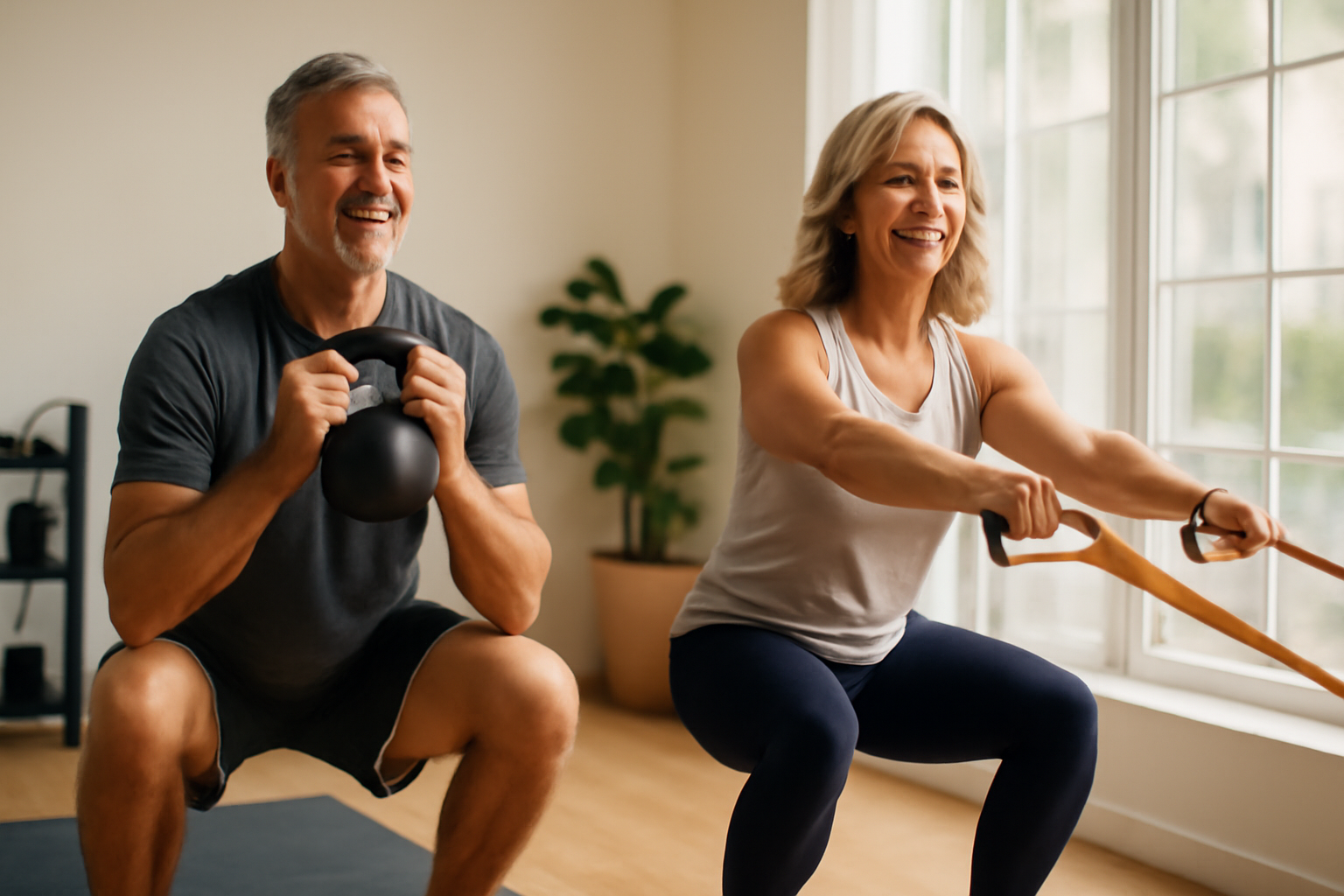
    1. Squat — sitting down and standing up, getting in and out of a car, picking something off a low shelf. Exercises: bodyweight squat, goblet squat, box squat.

    2. Hinge — bending at the hips to pick something up from the floor. This is the movement most people perform incorrectly, leading to back injury. Exercises: Romanian deadlift, kettlebell deadlift, hip hinge drill.

    3. Push — pushing a door open, rising from the floor, overhead reaches. Exercises: wall push-up, incline push-up, dumbbell press.

    4. Pull — opening heavy doors, pulling yourself up, carrying bags. Exercises: resistance band row, dumbbell row, assisted pull-up.

    5. Carry — transporting groceries, luggage, or any load while walking. Exercises: farmer’s carry, suitcase carry, waiter’s carry.

    6. Rotate and brace — turning to look behind you, twisting to reach, stabilizing your spine under load. Exercises: Pallof press, woodchop, dead bug.

    Research from Johns Hopkins Medicine emphasizes that training these patterns with light-to-moderate resistance, proper form, and progressive overload is more beneficial for adults over 40 than either high-intensity isolated exercises or no resistance training at all. This is not about becoming an athlete — it’s about becoming a capable, confident version of yourself.

    How to Build Your Functional Fitness Program

    Building an effective functional fitness routine after 40 doesn’t require a gym membership or expensive equipment. What it does require is consistency, smart progression, and attention to form.

    Frequency: The ACSM recommends that adults perform muscle-strengthening activities at least 2 days per week. For functional fitness specifically, 2 to 3 sessions per week allows adequate stimulus and recovery — especially important as recovery time increases with age. You can read more about why rest is a critical part of the equation in our guide to Recovery Days After 40: Why Rest Makes You Fitter.

    Session structure:

    • Warm-up (5-10 minutes): Dynamic mobility — leg swings, hip circles, thoracic rotations, arm circles. Avoid static stretching before training.
    • Main work (25-35 minutes): 3-4 exercises covering 2-3 movement patterns. Perform 2-3 sets of 8-12 reps each.
    • Cool-down (5-10 minutes): Gentle stretching and breathing. This is the time for static holds.

    Sample beginner session:

    • Goblet squat — 3 sets of 10 reps
    • Resistance band row — 3 sets of 12 reps
    • Hip hinge with dowel rod — 3 sets of 10 reps
    • Farmer’s carry — 3 lengths of 20 feet
    • Dead bug — 3 sets of 8 reps per side

    Progression: Research suggests adding difficulty every 2 to 4 weeks by increasing resistance, adding reps, reducing rest time, or introducing single-limb variations (such as a single-leg Romanian deadlift). This principle — called progressive overload — is what drives continued adaptation.

    If balance is a concern for you, pairing your functional training with dedicated balance work is highly recommended. Our guide to Balance Training After 40: Prevent Falls and Build Stability covers complementary drills that work well alongside functional fitness sessions.

    For those who prefer lower-impact options — particularly if you’re managing joint pain or are newer to exercise — many functional patterns can be modified significantly. See our Low-Impact Exercise After 40: The Complete Guide for exercise variations that reduce joint stress while preserving the functional benefit.

    Nutrition and Recovery: Supporting Your Functional Gains

    Exercise alone is only part of the equation. Clinical evidence consistently shows that nutritional support and adequate recovery are what allow the adaptations from training to actually take hold — especially after 40.

    Protein intake: The American College of Sports Medicine and the Academy of Nutrition and Dietetics jointly recommend that active adults over 40 aim for 1.2 to 1.6 grams of protein per kilogram of body weight daily to support muscle maintenance and repair. For a 160-pound adult, that’s roughly 87 to 116 grams per day. Distributing protein across meals — rather than concentrating it in one — appears to optimize muscle protein synthesis, according to NIH-reviewed research.

    Sleep: Growth hormone — which drives muscle repair and metabolic recovery — is primarily released during deep sleep. The CDC recommends that adults get 7 to 9 hours of sleep per night. Chronic sleep restriction below 6 hours has been associated with accelerated muscle loss and impaired physical performance in middle-aged adults.

    Hydration: Connective tissue, including tendons and cartilage, requires adequate hydration to function optimally. Dehydration as mild as 2 percent of body weight can impair strength output and increase injury risk, according to research reviewed by the Mayo Clinic.

    Anti-inflammatory eating: While no single food cures inflammation, diets rich in vegetables, fatty fish, nuts, and whole grains have been associated in multiple large cohort studies with reduced markers of systemic inflammation — which may support both joint health and muscle recovery in older adults.

    Living With Functional Fitness: Long-Term Strategies

    The most important thing about functional fitness is that it’s not a phase — it’s a lifelong practice. Here’s how to make it sustainable:

    Train for your life, not a program. Think about the physical demands of your daily routine and prioritize movements that directly address them. If your job involves sitting for hours, hip mobility and posterior chain strength should be central. If you’re a gardener, rotational strength and ground-to-stand work matter most.

    Track what matters. Instead of tracking only weight lifted, consider logging functional markers: how easily you can get up from the floor, your walking speed over a fixed distance, or your grip strength. These are clinically meaningful outcomes.

    Work with a qualified professional. A physical therapist or certified personal trainer with experience in older adult fitness can assess your movement patterns and identify compensations or weaknesses that generic programs miss. This is particularly valuable if you’re managing a chronic condition or recovering from injury.

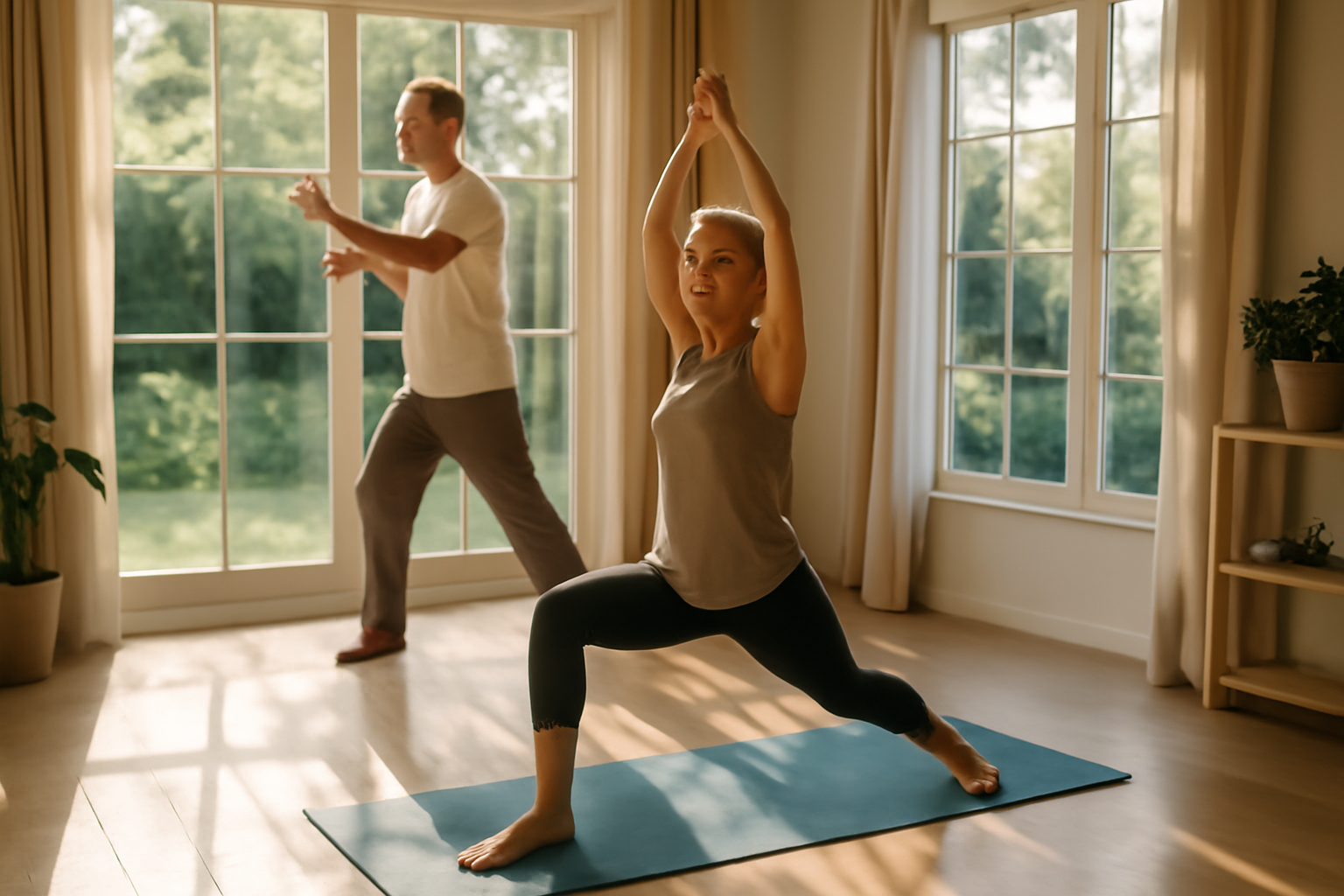
    Embrace variety without losing the fundamentals. Yoga, tai chi, Pilates, and swimming all contain elements of functional fitness. Rotating formats can keep motivation high while reinforcing the core movement patterns that matter most. The core principle of functional movement can even be explored further through our guide to Mind-Body Exercise After 40: Yoga, Tai Chi and More.

    When to Call Your Doctor: Red Flags to Know

    Functional fitness is safe for the vast majority of adults over 40, but certain symptoms during or after exercise warrant prompt medical attention:

    Contact your doctor before starting if you have:

    • Uncontrolled high blood pressure or a recent cardiac event
    • Severe osteoporosis or a recent fracture
    • A recent surgery or joint replacement
    • Dizziness or unexplained chest discomfort at rest

    Seek emergency care immediately for:

    • Chest pain, pressure, or tightness during exercise
    • Sudden severe shortness of breath unrelated to exertion level
    • Severe dizziness, fainting, or loss of consciousness
    • Sudden sharp pain in a joint or muscle that doesn’t subside
    • One-sided weakness or facial drooping (potential stroke symptoms)

    Mention at your next appointment:

    • Persistent joint pain that worsens with activity
    • Unusual fatigue that doesn’t improve with rest
    • New or worsening balance problems
    • Any fall, even without injury

    The American Heart Association recommends that adults over 40 with no known conditions can generally begin moderate-intensity functional exercise without a prior medical evaluation — but those with existing chronic conditions should always check in with their healthcare provider first.

    Frequently Asked Questions

    Is functional fitness the same as physical therapy?
    Not exactly, though there is significant overlap. Physical therapy is a licensed medical intervention designed to treat injury or dysfunction under professional supervision. Functional fitness is a training philosophy that borrows many principles from physical therapy to build strength and movement quality in generally healthy individuals. Some people benefit from both.

    Can I do functional fitness if I have arthritis?
    Research suggests yes — in most cases. The Arthritis Foundation and the CDC both endorse low-to-moderate resistance training as beneficial for arthritis management, noting that it can reduce pain and improve joint function over time. The key is using appropriate loads, avoiding high-impact variations during flares, and working with a provider to identify safe modifications.

    How is functional fitness different from strength training?
    Strength training focuses on building muscular strength and hypertrophy (muscle size), often using isolation exercises. Functional fitness uses strength as a tool to improve movement quality and real-world performance. Many functional fitness exercises are strength exercises — but the goal and exercise selection differ. They work best together.

    How long before I notice results?
    This varies from person to person, but most people report feeling more capable in daily tasks within 4 to 6 weeks of consistent functional training. Objective improvements in balance, strength, and mobility are typically measurable within 8 to 12 weeks, according to NIH-reviewed studies on functional training in midlife adults.

    Do I need equipment for functional fitness?
    No. Many of the most effective functional exercises — bodyweight squats, hip hinges, push-ups, planks — require no equipment. Adding resistance bands, dumbbells, or a kettlebell can accelerate progress, but the movement patterns themselves can be trained at any fitness level with no gear at all.

    Conclusion

    Functional fitness is one of the most practical investments you can make in your long-term health after 40. It’s not about lifting the heaviest weights or training the hardest — it’s about moving well, moving safely, and staying capable for the life you want to live.

    The clinical evidence is clear: training the movement patterns your body actually uses every day reduces fall risk, supports muscle mass, improves balance, and enhances your quality of life in ways that isolated gym machines simply can’t replicate.

    Start where you are. Use the progressions that fit your current level. And remember that even modest, consistent functional training — two sessions per week over the long term — can make a profound difference in how you feel, move, and live as you age.

    Your body is built to move. Functional fitness is how you keep it that way.


    This article is for informational and educational purposes only. It does not constitute medical advice, diagnosis, or treatment. Always consult your physician or a qualified healthcare provider before making changes to your health routine or treatment plan.

    Medically reviewed by our editorial health team. Content follows evidence-based standards aligned with CDC and NIH guidelines.

  • Mind-Body Exercise After 40: Yoga, Tai Chi & More

    Mind-Body Exercise After 40: Yoga, Tai Chi & More

    The exercises that calm your mind may also be the ones that protect your body longest.

    Introduction

    When David, 54, was told by his cardiologist that chronic stress was raising his blood pressure as much as his diet was, he expected to leave with another prescription. Instead, his doctor recommended something surprising: a structured mind-body exercise program. Within four months, David’s resting blood pressure had dropped meaningfully, his sleep had improved, and he told his doctor he felt "ten years younger."

    David’s experience isn’t unusual. According to the National Institutes of Health, mind-body practices such as yoga, tai chi, and qigong are now among the most widely used complementary health approaches in the United States, with more than 21 million Americans practicing yoga alone. For adults over 40, these disciplines offer something traditional gym workouts often don’t: a simultaneous training of the nervous system, the musculoskeletal system, and — increasingly backed by research — the cardiovascular and immune systems.

    In this guide, you’ll learn what mind-body exercise actually is, how it benefits your physical and mental health after 40, which practices are best suited to your goals, and how to get started safely — with your doctor’s support.

    What Is Mind-Body Exercise?

    Mind-body exercise refers to any structured physical practice that intentionally links movement with focused breathing, mental attention, or meditative awareness. Unlike conventional workouts that primarily target muscles or cardiovascular output, mind-body disciplines train the connection between your brain, nervous system, and body.

    The most clinically studied forms include:

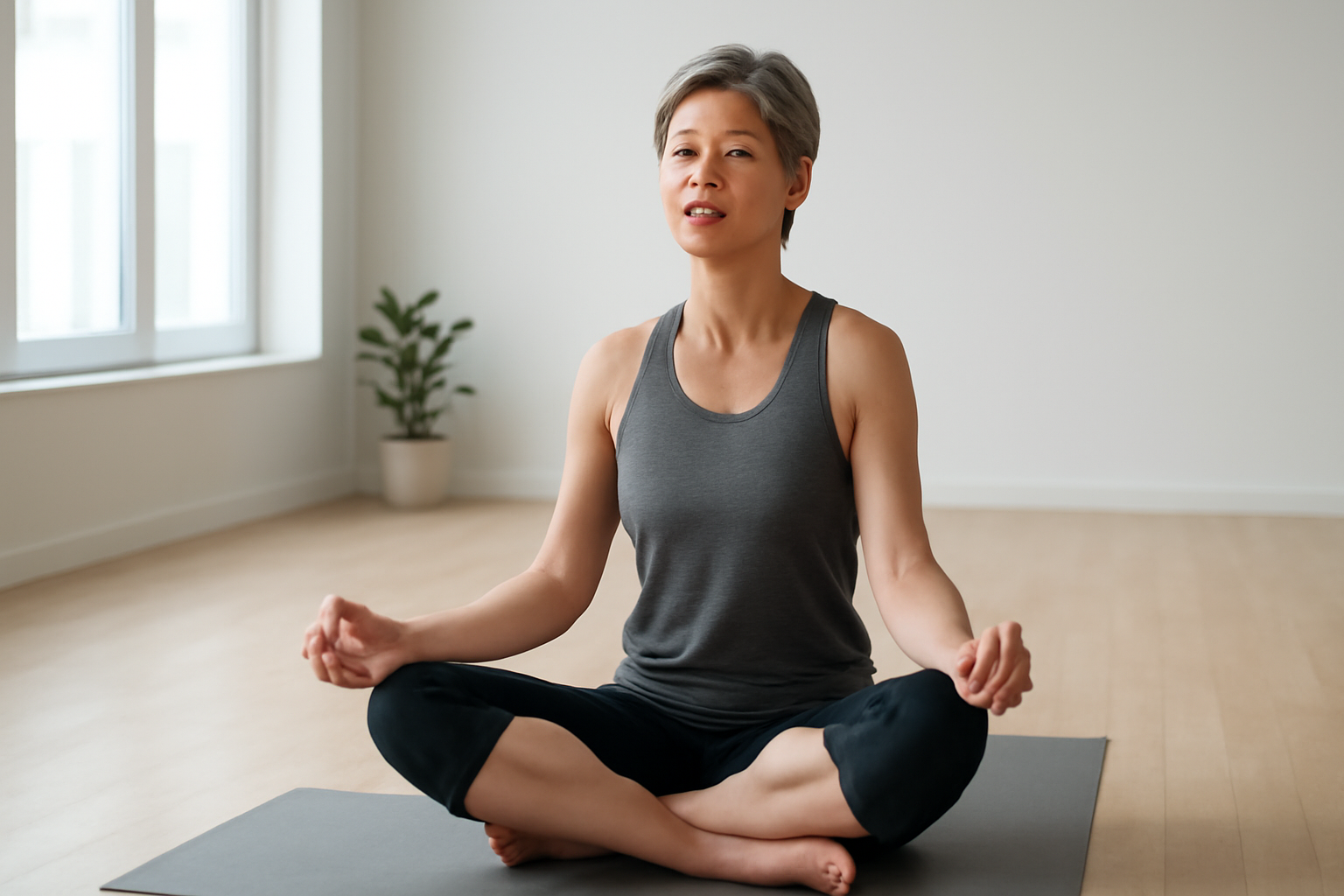
    • Yoga — A practice originating in ancient India, now offered in dozens of modern styles. It combines physical postures (asanas), controlled breathing (pranayama), and meditative focus.
    • Tai chi — A gentle Chinese martial art practiced as a slow, flowing sequence of movements coordinated with breath. Often described as "meditation in motion."
    • Qigong — A system of coordinated body posture, movement, breathing, and meditation used for health and self-cultivation.
    • Pilates — A method developed in the early 20th century emphasizing core strength, postural alignment, and breath-controlled movement.

    According to the NIH National Center for Complementary and Integrative Health (NCCIH), research on these practices has expanded significantly, with hundreds of peer-reviewed clinical trials now examining their effects on conditions ranging from chronic pain to anxiety to heart disease.

    For adults over 40, these practices matter for a specific reason: as the body ages, the nervous system becomes less efficient at regulating stress responses, inflammation, and motor control. Mind-body exercise appears to directly address all three.

    Signs You May Benefit Most From Mind-Body Exercise

    Not every adult needs the same fitness approach. Mind-body exercise is particularly well-suited for people experiencing the following:

    Physical signs:

    • Chronic muscle tension, especially in the neck, shoulders, and lower back
    • Poor posture after years of desk work or sedentary habits
    • Joint stiffness or reduced range of motion that limits other forms of exercise
    • Recurring falls or balance issues — a concern that increases sharply after age 65, according to the CDC
    • Chronic pain conditions such as osteoarthritis or fibromyalgia
    • High resting heart rate or elevated blood pressure related to stress

    Mental and emotional signs:

    • Persistent low-level anxiety or difficulty "turning off" at night
    • Disrupted sleep or difficulty falling asleep
    • Low motivation to exercise due to burnout from high-intensity routines
    • A sense of disconnect between physical activity and mental well-being

    A 2021 meta-analysis published through the NIH found that adults who practiced yoga or tai chi at least twice per week reported significantly lower perceived stress levels compared to sedentary controls — with effects comparable to low-dose pharmacological interventions for mild anxiety.

    This varies from person to person, and a conversation with your physician is the right starting point for determining which practice fits your health history.

    Causes of the Mind-Body Disconnect After 40

    Understanding why mind-body exercise becomes especially relevant after 40 requires a brief look at what changes inside the body during midlife.

    Chronic stress and cortisol dysregulation: The American Psychological Association has consistently found that adults aged 35-55 report among the highest stress levels of any age group. Elevated cortisol over time contributes to visceral fat accumulation, immune suppression, cardiovascular risk, and disrupted sleep architecture.

    Autonomic nervous system aging: The autonomic nervous system — which controls involuntary functions like heart rate, digestion, and stress response — becomes less adaptable with age. Heart rate variability (HRV), a key marker of nervous system health, typically declines after 40. Research suggests that regular mind-body practice can measurably improve HRV, supporting better recovery, mood regulation, and stress resilience.

    Sarcopenia and postural decline: After age 40, adults lose approximately 3-8% of muscle mass per decade without intervention, according to data from the NIH. This affects posture, balance, and functional movement — all areas where Pilates and yoga provide targeted benefit.

    Inflammation: Low-grade chronic inflammation — sometimes called "inflammaging" — becomes more prevalent after midlife and is linked to conditions including heart disease, type 2 diabetes, and depression. Clinical evidence from multiple NIH-supported studies indicates that regular mind-body practice reduces inflammatory biomarkers such as C-reactive protein (CRP) and interleukin-6.

    What the Research Actually Shows: Benefits by Practice

    Let’s look specifically at what clinical evidence supports for each major mind-body discipline, particularly in adults over 40.

    Yoga

    Yoga’s benefits are among the most researched in integrative medicine. According to the Johns Hopkins Arthritis Center, yoga has been shown to reduce pain and improve function in adults with osteoarthritis of the knee. The American Heart Association has acknowledged yoga as a complementary strategy for improving cardiovascular risk factors including blood pressure, resting heart rate, and lipid profiles.

    A 2023 analysis supported by the NIH found that adults over 50 who practiced yoga 2-3 times per week demonstrated significant improvements in spinal flexibility, static balance, and self-reported quality of life compared to controls. For adults already dealing with mobility and flexibility challenges, yoga offers a structured, measurable path forward.

    Tai Chi

    Tai chi’s evidence base for fall prevention is especially strong. According to the CDC’s STEADI (Stopping Elderly Accidents, Deaths & Injuries) initiative, tai chi is one of the few interventions with consistent clinical evidence for reducing fall risk in older adults. A landmark trial published in the New England Journal of Medicine found that older adults practicing tai chi reduced fall risk by up to 47%.

    Beyond fall prevention, research suggests tai chi improves executive function, cognitive processing speed, and working memory in adults over 50 — benefits that most traditional exercise programs don’t claim. If balance and fall prevention are priorities for you, tai chi may be the single most evidence-backed choice available.

    Qigong

    Qigong is less widely studied than yoga or tai chi in Western clinical settings, but available evidence is promising. A 2022 systematic review found that qigong practice was associated with reductions in fatigue, anxiety, and sleep disturbance in adults with chronic conditions. The Mayo Clinic recognizes qigong as a low-risk complementary practice appropriate for adults at varying fitness levels.

    Pilates

    Pilates, while it originated outside Eastern traditions, meets the clinical definition of mind-body exercise through its emphasis on breath, neuromuscular control, and postural awareness. Clinical evidence from the Cleveland Clinic and published in multiple peer-reviewed journals supports Pilates for reducing chronic low back pain — one of the most common complaints in adults aged 40-70 — and for improving core stability and functional movement.

    How to Get Started: A Practical Framework

    Starting a mind-body practice doesn’t require flexibility you don’t have or experience you haven’t built. Most disciplines are designed to be accessible at any starting point.

    Step 1: Identify your primary goal. Are you focused on stress reduction? Fall prevention? Chronic pain management? Flexibility? Your answer will guide which practice fits best.

    Step 2: Get medical clearance. If you have cardiovascular disease, osteoporosis, recent surgery, or any musculoskeletal injury, speak with your physician before beginning. Most mind-body practices are low-impact and broadly safe, but your doctor may recommend modifications.

    Step 3: Start with guided instruction. Self-teaching through video alone can work for general wellness, but working with a certified instructor — at least initially — reduces injury risk and ensures proper form. Look for instructors certified through recognized bodies such as the Yoga Alliance, the American Tai Chi and Qigong Association, or the Pilates Method Alliance.

    Step 4: Aim for consistency over intensity. Research consistently shows that frequency matters more than session length for mind-body benefits. Two to three sessions per week of 30-45 minutes each is a well-supported starting target, according to multiple NIH-reviewed protocols.

    Step 5: Complement your existing routine. Mind-body exercise works best as part of a balanced fitness plan. If you’re already doing cardiovascular training, adding yoga or tai chi on alternate days gives your body active recovery while building neuromuscular and mental health benefits simultaneously.

    Living With a Mind-Body Practice: What Sustains It

    One of the most common challenges adults face with mind-body exercise isn’t beginning — it’s continuing past the first few weeks. Here’s what research and clinical experience suggest helps people sustain the habit:

    • Community matters. Group classes — whether in-person or live-streamed — significantly improve adherence compared to solo practice. The social accountability element is real and measurable.
    • Track non-scale outcomes. Monitor sleep quality, resting heart rate, stress levels, or pain scores — not just weight or appearance. Mind-body practices often show their benefits in these "invisible" markers first.
    • Give it eight weeks. Most clinical trials show statistically meaningful improvements in stress, sleep, or pain after 6-8 weeks of consistent practice. Many people quit at week two or three, before benefits fully emerge.
    • Accept beginner status. Inflexibility, difficulty balancing, or an active mind during meditation are not signs you’re doing it wrong — they’re signs you need the practice.

    When to Call Your Doctor: Red Flags and Important Conversations

    Mind-body practices are generally among the safest forms of exercise available for adults over 40. However, there are situations that require medical evaluation before or during a practice:

    Seek immediate care if you experience:

    • Chest pain, pressure, or tightness during or after exercise
    • Sudden shortness of breath disproportionate to exertion level
    • Dizziness, fainting, or loss of balance that is new or severe
    • Sharp joint pain (distinct from general muscle soreness)
    • Numbness or tingling in the arms, legs, or face during practice

    Discuss with your doctor at your next visit:

    • Whether specific yoga poses should be modified if you have osteoporosis, glaucoma, or a history of stroke
    • Any medications you’re on that may affect balance or heart rate during exercise
    • Whether mind-body practice could complement your current mental health treatment plan
    • How to integrate these practices with any existing physical therapy or rehabilitation

    Frequently Asked Questions

    Q: Is yoga safe if I have osteoporosis?
    A: Many yoga poses are safe and beneficial for bone health — weight-bearing postures in particular. However, certain deep forward folds and spinal twists may increase fracture risk in people with low bone density. Most physicians and physical therapists recommend a chair yoga or modified yoga program supervised by an instructor trained in working with osteoporosis. Always disclose your diagnosis to your instructor.

    Q: How is tai chi different from meditation?
    A: Tai chi involves continuous, flowing physical movement performed with meditative awareness — it’s an active, standing practice. Traditional seated meditation involves no physical movement. Both train the nervous system’s stress-response system, but tai chi simultaneously builds balance, strength, and coordination in ways seated meditation does not.

    Q: Can Pilates replace strength training after 40?
    A: Pilates builds functional core strength and neuromuscular control effectively, but it does not typically provide sufficient progressive resistance to fully prevent age-related muscle loss (sarcopenia) on its own. Clinical guidelines from the American College of Sports Medicine recommend that adults over 40 engage in resistance training using progressive overload. Pilates works excellently as a complement, not a complete replacement.

    Q: How quickly will I see results from mind-body exercise?
    A: This varies from person to person. Many people report improved sleep quality and reduced stress within 2-4 weeks of consistent practice. Measurable improvements in flexibility, balance, and blood pressure markers typically appear in clinical studies after 6-12 weeks. Physical changes in strength and body composition may take longer and depend on frequency and the specific practice.

    Q: Do I need special equipment or a gym membership to start?
    A: No. A non-slip yoga mat ($20-50) is the main investment for yoga, qigong, and many Pilates routines. Tai chi requires only comfortable clothing and a space large enough to take a few steps in any direction. Many high-quality, instructor-led classes are now available through streaming platforms, hospital wellness programs, and community centers — including free options through some Medicare Advantage plans.

    Conclusion

    Mind-body exercise isn’t a trend or a substitute for medical care — it’s a clinically supported, low-risk category of physical activity with a growing body of evidence behind it. For adults over 40 navigating the realities of stress, aging joints, hormonal shifts, and the desire to stay active without injury, practices like yoga, tai chi, qigong, and Pilates offer something genuinely valuable: a way to train your body and your nervous system at the same time.

    The most important step is the first one. Talk to your doctor about your goals, get started with proper instruction, and give your practice the consistency it needs to show you what it can do. Your body at 40, 50, or 60 is more capable of positive change than you may realize — and the research agrees.


    Medical Disclaimer: This article is for informational and educational purposes only. It does not constitute medical advice, diagnosis, or treatment. Always consult your physician or a qualified healthcare provider before making changes to your health routine or treatment plan.

    Medically reviewed by our editorial health team. Content follows evidence-based standards aligned with CDC and NIH guidelines.
  • Low-Impact Exercise After 40: The Complete Guide

    Low-Impact Exercise After 40: The Complete Guide

    Your joints deserve a smarter workout — and so does your long-term health.

    Mark, 52, had spent years believing that exercise meant punishment — burning lungs, aching knees, and the kind of soreness that kept him on the couch for three days after every gym session. When his doctor suggested low-impact exercise after a knee injury, he was skeptical. Six months later, he’d lost 18 pounds, his blood pressure had dropped, and he was moving better than he had in his 30s.

    Mark’s story isn’t unusual. According to the CDC, nearly 54 million American adults live with some form of arthritis, and millions more manage joint pain, chronic back issues, or post-surgical recovery — conditions that make high-impact workouts feel impossible or even dangerous. Yet physical inactivity remains one of the leading preventable causes of chronic disease in the United States.

    The good news: low-impact exercise delivers powerful, evidence-backed health benefits — including improved cardiovascular fitness, stronger muscles, better bone density, and sharper mental health — without hammering your joints. This guide breaks down everything you need to know about low-impact exercise after 40, from the science behind it to practical routines you can start this week.

    What Is Low-Impact Exercise?

    Low-impact exercise refers to any physical activity in which at least one foot — or another body part — maintains contact with the ground or a supportive surface at all times, significantly reducing the forces transmitted through your joints during movement. Unlike high-impact activities such as running or jumping, low-impact workouts minimize ground reaction force, which is the pressure your body absorbs with each step or landing.

    This distinction matters enormously as we age. Research published by the NIH confirms that musculoskeletal injuries — particularly to knees, hips, and ankles — become increasingly common after age 40, partly because cartilage naturally thins and tendons lose some elasticity over time. Low-impact movement works with your body’s changing physiology rather than against it.

    Common low-impact exercises include:

    • Walking (brisk or moderate pace)
    • Swimming and water aerobics
    • Cycling (stationary or outdoor)
    • Elliptical machine training
    • Yoga and tai chi
    • Pilates
    • Rowing (machine or on water)
    • Dance fitness (low-impact formats)

    Crucially, "low-impact" does not mean "low-intensity." Research suggests you can achieve the same cardiovascular and muscular benefits as high-impact training while dramatically reducing injury risk — making this approach ideal for adults over 40, especially those managing joint conditions, excess weight, or recovering from injury.

    Why Low-Impact Exercise Matters More After 40

    By the time most adults reach their 40s, several physiological changes are already underway that make joint-friendly exercise not just beneficial but strategically important.

    According to the American College of Sports Medicine (ACSM), adults begin losing approximately 3 to 5 percent of muscle mass per decade after age 30 — a process called sarcopenia. Without consistent resistance-based movement, this accelerates significantly after 40. Simultaneously, bone density begins declining, increasing fracture risk, particularly in women approaching menopause.

    The CDC reports that adults aged 45 to 64 experience the highest rates of activity-related musculoskeletal injuries among working-age adults. High-impact training can exacerbate these risks, particularly for those who are deconditioned or returning to exercise after a long break.

    Low-impact exercise addresses all of these challenges simultaneously:

    • Cardiovascular health: Sustained, moderate-intensity low-impact cardio strengthens the heart and improves VO2 max — your body’s capacity to use oxygen efficiently — with comparable results to running, per research from the Mayo Clinic.
    • Muscle preservation: Water-based resistance training and Pilates have been shown in clinical studies to effectively maintain and even build lean muscle mass in adults over 40.
    • Joint protection: Aquatic exercise, in particular, reduces compressive load on weight-bearing joints by up to 90 percent, according to findings published in the Arthritis Foundation’s clinical guidelines.
    • Mental health benefits: A 2024 meta-analysis from the NIH confirmed that low-impact aerobic exercise significantly reduces symptoms of anxiety and depression in adults aged 40 to 70, with effects comparable to pharmaceutical interventions in mild-to-moderate cases.

    This varies from person to person, of course — individual fitness levels, existing conditions, and goals all influence which type of low-impact training is most appropriate for you.

    Signs You Should Prioritize Low-Impact Exercise

    Not everyone over 40 needs to avoid high-impact workouts entirely. However, clinical evidence indicates that low-impact training should be your primary — or sole — mode of exercise if you experience any of the following:

    • Early signs (consider transitioning to low-impact):
      • Persistent joint pain lasting more than 48 hours after exercise
      • Knee or hip stiffness in the morning lasting longer than 30 minutes
      • Recurring shin splints or stress reactions in the feet or legs
      • Recent weight gain that increases load on lower-body joints
      • General deconditioning after a period of inactivity (6 months or more)
    • Stronger indicators (low-impact strongly recommended):
      • Diagnosed osteoarthritis, rheumatoid arthritis, or osteoporosis
      • History of joint replacement (hip, knee, shoulder)
      • Chronic lower back pain or herniated discs
      • Cardiovascular conditions requiring supervised exercise programs
      • Post-surgical recovery (with physician clearance)

    A study from Johns Hopkins Medicine found that adults with knee osteoarthritis who switched from running to aquatic or cycling-based cardio reported a 62 percent reduction in exercise-related pain while maintaining equivalent fitness improvements over 12 weeks.

    The Best Low-Impact Exercises After 40: What the Evidence Says

    Not all low-impact options are created equal. Here’s a clinically informed breakdown of the most effective choices for adults over 40, organized by health benefit.

    For Heart Health: Walking and Cycling

    Brisk walking remains one of the most evidence-supported exercises for cardiovascular health at any age. The American Heart Association recommends at least 150 minutes of moderate-intensity aerobic activity per week — and brisk walking qualifies fully. A landmark study published in the New England Journal of Medicine found that walking reduced the risk of cardiovascular events by 30 percent in adults over 50, even when compared to more vigorous exercise formats.

    Stationary cycling offers a similarly powerful cardiovascular stimulus with near-zero joint impact. Research from the Cleveland Clinic suggests cycling is particularly effective for adults with knee osteoarthritis, delivering cardiorespiratory benefits while simultaneously strengthening the quadriceps muscles that support and protect the knee joint.

    For Full-Body Strength and Flexibility: Swimming and Water Aerobics

    Aquatic exercise is arguably the most joint-friendly modality available. Water provides natural resistance in all directions, meaning every stroke or movement challenges your muscles — while buoyancy eliminates up to 90 percent of the gravitational load on your joints.

    Clinical evidence from the Arthritis Foundation indicates that adults with arthritis who participated in aquatic exercise programs three times per week showed significant improvements in pain levels, joint function, and mood within eight weeks. Swimming, in particular, works virtually every major muscle group simultaneously, making it one of the most efficient full-body workouts available for older adults.

    For Core Strength and Posture: Pilates and Yoga

    Pilates, developed originally for rehabilitation, focuses on controlled, precise movements that strengthen the deep stabilizing muscles of the core, spine, and hips — areas that are critically important for posture, balance, and injury prevention after 40. Research published by the NIH confirms that 12 weeks of Pilates training significantly reduced chronic lower back pain and improved functional mobility in adults aged 45 to 65.

    Yoga — particularly gentle, restorative, or Hatha formats — complements low-impact fitness by improving flexibility, balance, and the mind-body connection. Studies from Harvard Health suggest that consistent yoga practice is associated with reduced cortisol levels, better sleep quality, and improved blood pressure control in middle-aged adults.

    If you’re already incorporating flexibility work into your routine, you may find our guide on Flexibility & Mobility Training: The Complete Guide for Adults Over 40 a valuable complement to the low-impact approach outlined here.

    For Calorie Burn and Endurance: Elliptical Training and Rowing

    The elliptical machine mimics the movement pattern of running without the repetitive impact — making it an excellent option for adults who love the feel of cardio but need to protect their knees and hips. Studies from the American Council on Exercise (ACE) have shown that elliptical training elevates heart rate to levels comparable to jogging while reducing joint stress by approximately 75 percent.

    Rowing — whether on a machine or on water — provides an exceptional combination of cardiovascular training and full-body resistance work. Because roughly 60 percent of the rowing stroke is driven by the legs and 40 percent by the upper body and core, it builds balanced muscular strength while keeping impact minimal.

    How to Build Your Low-Impact Routine: A Practical Framework

    Clinical guidelines from the American College of Sports Medicine suggest that adults over 40 aim for the following each week:

    • 150–300 minutes of moderate-intensity aerobic activity (brisk walking, cycling, swimming)
    • 2–3 days of muscle-strengthening activity targeting all major muscle groups
    • 2–3 days of flexibility and mobility work (yoga, stretching, Pilates)
    • Balance training incorporated 2–3 days per week — especially important for fall prevention after 50

    A well-rounded sample weekly schedule might look like this:

    • Monday: 40-minute brisk walk + 15-minute Pilates core session
    • Tuesday: 45-minute aquatic exercise class or swimming
    • Wednesday: Active recovery — gentle yoga or stretching (see our guide on recovery days after 40 for why this step matters)
    • Thursday: 40-minute stationary bike + bodyweight strength circuit
    • Friday: 30-minute elliptical session + balance exercises
    • Saturday: Outdoor walk, recreational cycling, or a gentle yoga class
    • Sunday: Full rest or light stretching

    Most physicians recommend starting conservatively — especially if you’ve been inactive for more than a few months — and gradually increasing duration and intensity over four to six weeks. This approach reduces injury risk and allows your cardiovascular and musculoskeletal systems to adapt safely.

    Maximizing Results: Tips Backed by Clinical Evidence

    Getting the most from low-impact exercise after 40 involves more than just showing up. These evidence-based strategies can significantly amplify your results:

    • Prioritize consistency over intensity: Research from the NIH consistently shows that frequency and regularity of exercise produce greater long-term health outcomes than occasional high-intensity efforts. Aim for movement most days of the week, even if individual sessions are shorter.
    • Add resistance progressively: Low-impact doesn’t mean easy. Water resistance, resistance bands, and bodyweight progressions can all challenge your muscles effectively. Increasing resistance gradually — every two to three weeks — triggers continued muscle adaptation.
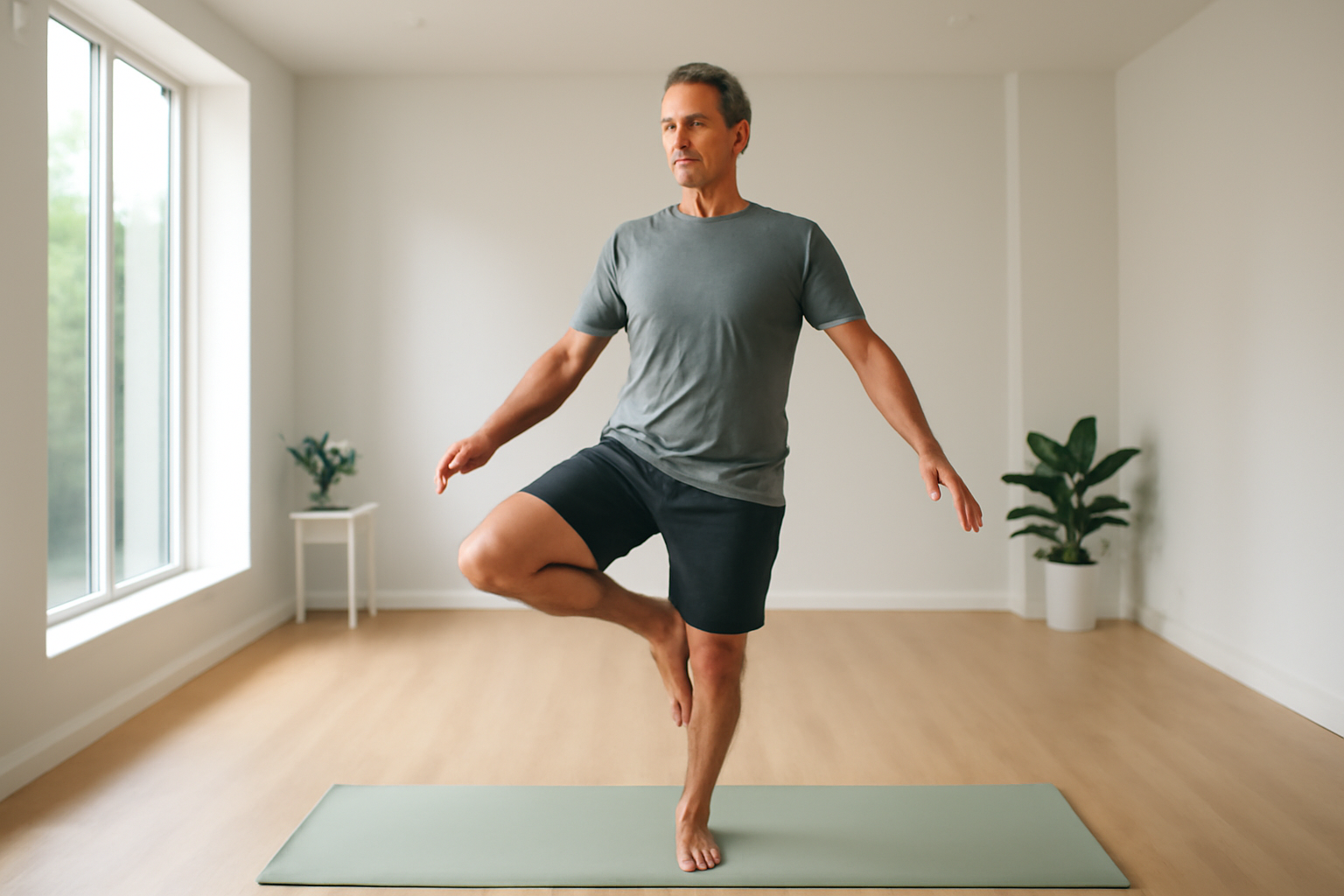
    • Don’t neglect balance work: Falls are the leading cause of injury-related death among adults over 65, according to the CDC. Incorporating balance challenges — such as single-leg stands, heel-to-toe walking, or tai chi — into your low-impact routine is critically important. Our article on Balance Training After 40 covers this in depth.
    • Warm up and cool down: Clinical evidence from the American Council on Exercise indicates that a five- to ten-minute dynamic warm-up (gentle movements that gradually increase range of motion) reduces soft-tissue injury risk and improves exercise performance. A similar cool-down period supports recovery and flexibility.
    • Track your perceived exertion: Most physicians recommend exercising at a moderate intensity — roughly a 5 or 6 on a 1-to-10 effort scale — where you can speak in short sentences but couldn’t sing comfortably. This is sometimes called the "talk test."

    When to Call Your Doctor — and What Needs Immediate Attention

    Low-impact exercise is generally safe for most adults, but certain symptoms should prompt a call to your healthcare provider before continuing any fitness program.

    Schedule a visit with your doctor if you experience:

    • Joint pain that worsens progressively despite reducing exercise intensity
    • Swelling in one or both joints that persists for more than 24 hours
    • Unexplained fatigue or weakness that doesn’t resolve with rest
    • Shortness of breath during activities that previously felt manageable
    • Dizziness, lightheadedness, or heart palpitations during or after exercise

    Seek emergency care immediately (call 911) if you experience:

    • Chest pain, tightness, or pressure during or after exercise
    • Sudden severe shortness of breath
    • Loss of consciousness or near-fainting
    • Sudden severe joint or muscle pain following a movement (may indicate acute injury or tear)
    • Sudden severe headache during exercise

    Before starting any new exercise program — particularly if you have a chronic health condition, take prescription medications, or have been inactive for an extended period — the American Heart Association recommends consulting with your physician first. A pre-exercise health evaluation can identify any conditions that require monitoring or modification.

    Frequently Asked Questions

    Q: Can low-impact exercise help me lose weight after 40?
    A: Absolutely. Clinical evidence indicates that consistent moderate-intensity low-impact exercise — particularly when combined with attention to diet — is effective for weight management in adults over 40. Research from the NIH suggests that aerobic exercise like brisk walking or cycling, performed five or more days per week, produces meaningful reductions in visceral fat (the dangerous abdominal fat linked to metabolic disease) even without dramatic dietary changes. The key is consistency over time rather than intensity.

    Q: Is low-impact exercise enough to build muscle, or do I need to lift heavy weights?
    A: Research suggests that low-impact resistance training — including water-based exercise, resistance bands, and bodyweight progressions — can effectively preserve and build lean muscle mass in adults over 40, particularly when performed with sufficient volume and progressive resistance. However, if building significant muscle is a primary goal, your physician or a certified fitness professional may recommend incorporating some form of progressive resistance training alongside your low-impact cardio.

    Q: How long before I see results from low-impact exercise?
    A: Most people begin noticing improvements in energy, mood, and sleep quality within two to four weeks of consistent exercise. Measurable cardiovascular improvements typically appear within six to eight weeks, according to the American College of Sports Medicine. Visible changes in body composition generally take eight to twelve weeks or longer, depending on diet and individual factors. This varies from person to person.

    Q: Is yoga or Pilates enough, or do I also need cardio?
    A: Yoga and Pilates are outstanding for flexibility, core strength, balance, and mental well-being — but most clinical guidelines, including those from the CDC and ACSM, also recommend dedicated cardiovascular exercise for heart health and metabolic benefits. Most physicians recommend combining practices: use yoga or Pilates two to three days per week alongside aerobic activities like walking, swimming, or cycling on other days.

    Q: Can I do low-impact exercise if I have a knee replacement?
    A: Many adults successfully return to regular low-impact exercise following knee replacement surgery, but timing and specific activities must be guided by your orthopedic surgeon and physical therapist. Swimming, cycling, and walking are commonly recommended post-replacement activities — often introduced in a graduated program beginning weeks after surgery. Never start an exercise program post-surgery without explicit physician clearance.

    Conclusion

    Low-impact exercise isn’t a compromise — it’s a strategy. For adults over 40, it represents one of the most scientifically sound, sustainable, and joint-friendly ways to maintain cardiovascular health, preserve muscle mass, support mental well-being, and protect your body for the decades ahead.

    Whether you’re stepping into the pool for the first time, rediscovering the rhythm of a morning walk, or finding your breath on a yoga mat — these movements matter. They add up, day by day, into a healthier, more capable version of you.

    Talk to your doctor before making significant changes to your exercise routine, especially if you have existing health conditions. With the right guidance and a consistent plan, low-impact exercise can be one of the most powerful health investments you make after 40.


    Medical Disclaimer: This article is for informational and educational purposes only. It does not constitute medical advice, diagnosis, or treatment. Always consult your physician or a qualified healthcare provider before making changes to your health routine or treatment plan.

    Medically reviewed by our editorial health team. Content follows evidence-based standards aligned with CDC and NIH guidelines.
  • Recovery Days After 40: Why Rest Makes You Fitter

    Recovery Days After 40: Why Rest Makes You Fitter

    Recovery Days After 40: Why Rest Makes You Fitter

    The workout you skip on purpose may be the one that transforms your fitness — especially after 40.

    Introduction

    Mark, 54, had been exercising six days a week for nearly a year. He was lifting heavier, logging more miles, and eating clean. But instead of feeling stronger, he was exhausted, sleeping poorly, and nursing a nagging knee pain that just wouldn’t quit. His doctor’s assessment surprised him: the problem wasn’t that he wasn’t working hard enough. The problem was that he never stopped.

    According to the American College of Sports Medicine, inadequate recovery is one of the leading causes of overtraining syndrome, a condition affecting an estimated 60% of elite athletes — and increasingly, everyday adults who push too hard without enough rest.

    After 40, your body’s ability to bounce back from exercise changes in measurable ways. Muscle repair takes longer. Inflammation lingers. Hormonal recovery slows. And yet, rest days remain one of the most undervalued tools in any fitness plan.

    In this guide, you’ll learn exactly what happens in your body during recovery, how many rest days you actually need, what to do on those days, and how smart recovery can make every workout more effective — not less.

    What Is Exercise Recovery — and Why Does It Change After 40?

    Exercise recovery refers to the physiological processes your body uses to repair muscle tissue, replenish energy stores, reduce inflammation, and restore nervous system function after physical activity. It’s not passive — your body is actively rebuilding during every hour you rest.

    Here’s the key distinction: exercise creates the stimulus for fitness gains, but recovery is when those gains actually happen. Muscle fibers micro-tear during resistance training. During sleep and rest, satellite cells repair and reinforce those fibers — making them thicker and stronger. Skip recovery, and you interrupt that cycle.

    After 40, this process becomes more time-sensitive for several reasons. Research published in the Journal of Strength and Conditioning Research confirms that muscle protein synthesis — the body’s repair mechanism — declines with age, and older adults require a longer recovery window than younger counterparts to achieve the same rebuilding effect.

    Additionally, the NIH notes that testosterone and growth hormone, two key hormones involved in muscle repair, naturally decline after 40 in both men and women. This means the biological engine driving your recovery is running at a lower gear — not broken, but requiring more deliberate support.

    Signs You’re Not Recovering Enough

    Many adults over 40 confuse the symptoms of under-recovery with simple aging or low motivation. Knowing the difference is critical for protecting your long-term health and fitness.

    Early warning signs of inadequate recovery:

    • Persistent muscle soreness lasting more than 72 hours
    • Declining performance despite consistent training
    • Increased resting heart rate (more than 5-7 bpm above your baseline)
    • Poor sleep quality or difficulty falling asleep
    • Mood changes: irritability, low motivation, or apathy toward exercise
    • Frequent minor injuries or joint stiffness
    • Feeling "flat" during workouts — effort feels harder than usual for the same output

    Advanced signs that may require medical evaluation:

    • Immune suppression — getting sick more frequently than usual
    • Hormonal disruption symptoms (fatigue, mood instability, libido changes)
    • Unexplained weight changes despite consistent eating and exercise
    • Stress fractures or recurring tendon injuries
    • Symptoms of clinical overtraining syndrome, which can mimic depression

    A 2023 review in Sports Medicine found that adults over 45 who trained without structured recovery days had a 34% higher rate of overuse injuries compared to those following periodized programs that included intentional rest.

    How Many Rest Days Do Adults Over 40 Actually Need?

    There is no single answer that works for everyone — individual variation matters enormously here. However, clinical guidelines offer a solid framework.

    The American Heart Association recommends that adults get at least 150 minutes of moderate-intensity or 75 minutes of vigorous-intensity aerobic activity per week, but does not prescribe training every single day. Most certified strength and conditioning specialists recommend a minimum of 1-2 full rest days per week for adults over 40 engaged in moderate-to-high intensity training.

    For those doing strength training specifically, the general clinical consensus is to allow 48-72 hours before training the same muscle group again. This isn’t optional after 40 — it’s physiologically necessary. Working the same muscles before they’ve repaired doesn’t make them stronger; it compounds the damage.

    A practical weekly framework that many trainers and physicians recommend:

    • 3-4 days of structured exercise (strength, cardio, or a combination)
    • 1-2 days of active recovery (light walking, gentle yoga, stretching)
    • 1-2 days of full rest (prioritizing sleep, hydration, and low-stress activity)

    If you’re new to exercise after a period of inactivity, more rest is typically appropriate early on. As your body adapts over months, you may gradually tolerate more training volume — but recovery days should never disappear from the plan entirely.

    For complementary perspectives on how different types of exercise interact with recovery needs, our guide on Strength Training After 40: The Complete Guide to Building Muscle Safely covers progressive overload principles that directly inform how much recovery time different training intensities require.

    What to Do on a Recovery Day

    A rest day doesn’t mean lying on the couch all day (though occasionally, it might). Research suggests that low-intensity movement on recovery days — often called "active recovery" — can actually accelerate the repair process by increasing blood flow to fatigued muscles and reducing the buildup of metabolic waste products like lactate.

    Evidence-supported active recovery strategies:

    1. Walking — A 20-30 minute walk at a relaxed pace increases circulation without imposing new training stress. Studies from the Mayo Clinic confirm that light walking reduces delayed-onset muscle soreness (DOMS) more effectively than complete inactivity.

    2. Gentle stretching and mobility work — Static stretching held for 30-60 seconds, or gentle joint mobility exercises, maintain range of motion and reduce stiffness. This is especially relevant for adults over 40, for whom flexibility tends to decline at roughly 1% per year after age 30 if not actively maintained. Our guide on Flexibility & Mobility Training: The Complete Guide for Adults Over 40 offers a complete framework for this approach.

    3. Foam rolling and self-myofascial release — Clinical evidence from the Journal of Athletic Training indicates that foam rolling on rest days reduces muscle soreness and improves range of motion in the 24-72 hour post-exercise window. Spend 60-90 seconds per muscle group at low pressure.

    4. Swimming or pool walking — The buoyancy of water reduces joint load while allowing gentle full-body movement. Many sports medicine physicians recommend aquatic activity for adults over 40 managing joint pain or osteoarthritis.

    5. Yoga or tai chi — Both practices combine breathing, controlled movement, and balance work. A 2022 meta-analysis in Complementary Therapies in Clinical Practice found that yoga significantly reduced inflammatory markers in adults over 50 when practiced 2-3 times per week as recovery activity.

    What to avoid on recovery days:

    • High-intensity intervals or heavy lifting
    • Long endurance sessions at moderate-high intensity
    • Activities that load the same muscle groups you worked the day before
    • Excessive alcohol, which impairs muscle protein synthesis even at moderate quantities (research published in PLOS ONE confirms that alcohol consumption post-exercise meaningfully reduces recovery quality)

    Sleep, Nutrition, and Hydration: The Hidden Recovery Toolkit

    Your behavior outside the gym may matter more to recovery than anything you do on a rest day itself. Three factors consistently emerge in the research as foundational: sleep, protein intake, and hydration.

    Sleep: The NIH identifies sleep as the single most important recovery variable. During deep (slow-wave) sleep, growth hormone secretion peaks — and this is when the majority of muscle tissue repair occurs. Adults over 40 should aim for 7-9 hours per night. Research from the University of Chicago found that restricting sleep to 5.5 hours reduced muscle mass gains by 60% compared to those sleeping 8.5 hours, even when caloric intake and exercise volume were identical.

    Protein: Muscle repair requires amino acids, and the clinical consensus — supported by guidelines from the Academy of Nutrition and Dietetics — is that adults over 40 engaged in regular exercise benefit from approximately 1.2-1.6 grams of protein per kilogram of body weight per day. Spreading that intake across 3-4 meals (rather than consuming it all at once) appears to optimize muscle protein synthesis, according to research published in the American Journal of Clinical Nutrition.

    Hydration: Even mild dehydration — defined by research as a 1-2% loss of body weight in fluids — impairs muscle function, increases perceived effort, and slows recovery. The National Academies of Sciences recommends approximately 3.7 liters (125 oz) of total water intake per day for men and 2.7 liters (91 oz) for women, including water from food sources.

    Anti-inflammatory nutrition also supports recovery. Clinical evidence suggests that foods rich in omega-3 fatty acids (fatty fish, walnuts, flaxseed), polyphenols (berries, leafy greens, olive oil), and magnesium (pumpkin seeds, dark chocolate, legumes) can help modulate post-exercise inflammation. These aren’t substitutes for conventional medical care — but they are well-supported dietary strategies.

    Living With an Active Lifestyle After 40: Building Recovery Into Your Plan

    One of the most practical shifts adults over 40 can make is reframing rest days as a performance strategy rather than a sign of weakness. The most effective training programs — including those used by competitive masters athletes — are built around the concept of periodization, which means systematically cycling between higher-effort and lower-effort phases.

    At the weekly level, this looks like alternating hard training days with lighter or rest days. At the monthly level, many exercise physiologists recommend a "deload week" every 4-6 weeks, during which training volume is reduced by 30-50% to allow cumulative fatigue to clear before the next training block.

    Stress management is also part of this equation. Psychological stress and physical training stress both draw from the same recovery pool — a concept physicians sometimes call "total allostatic load." A week of intense work deadlines, poor sleep, and family stress is not the week to add a sixth training day.

    For adults managing cardiovascular risk or recovering from cardiac events, our guide on Cardio After 40: The Complete Guide to Heart-Healthy Exercise outlines how to structure aerobic training safely within medically appropriate parameters.

    Tracking recovery can also be useful. Wearable devices that monitor resting heart rate variability (HRV) — a measure of the nervous system’s readiness to handle stress — are increasingly used by both athletes and recreational exercisers. While not a substitute for clinical assessment, consistent drops in HRV can signal the body needs more rest before the next hard session.

    When to Call Your Doctor: Red Flags in Exercise Recovery

    Most post-exercise soreness is normal and resolves within 72 hours. However, some symptoms warrant prompt medical attention.

    Call your doctor promptly if you experience:

    • Muscle pain or weakness that persists beyond 5-7 days without improvement
    • Unexplained dark brown or red urine after exercise (possible rhabdomyolysis — a serious muscle breakdown condition)
    • Joint swelling, warmth, or significant loss of range of motion
    • Persistent fatigue unresolved by rest and sleep over several weeks
    • Mood symptoms — prolonged depression, irritability, or anxiety — that emerged or worsened with overtraining

    Seek emergency care immediately for:

    • Chest pain, pressure, or tightness during or after exercise
    • Shortness of breath disproportionate to the effort
    • Heart palpitations or irregular heartbeat
    • Sudden dizziness, fainting, or loss of consciousness
    • Severe, sudden joint or bone pain suggesting possible fracture

    These are not symptoms to monitor at home. They require immediate professional evaluation. Always share your full exercise history with your doctor — including training frequency, intensity, and any recent changes — at your next visit.

    Frequently Asked Questions

    Q: Is it okay to feel sore on a rest day?

    Yes — mild to moderate muscle soreness (delayed-onset muscle soreness, or DOMS) typically peaks 24-48 hours after exercise and is a normal part of the adaptation process. Light movement and hydration on rest days can ease it. If the soreness is severe enough to limit normal daily movement, that may be a sign you exceeded your current capacity and need to scale back intensity in your next session.

    Q: Can I exercise every day if I alternate muscle groups?

    While alternating muscle groups does reduce localized fatigue, daily high-intensity training still places ongoing stress on your cardiovascular system, joints, connective tissue, and nervous system — all of which need rest regardless of which muscles you’re targeting. Most exercise physiologists recommend at least one full rest day per week even with optimal programming, especially for adults over 40.

    Q: How is active recovery different from just doing less?

    Active recovery refers specifically to low-intensity purposeful movement (walking, gentle yoga, easy swimming) that promotes blood flow and reduces stiffness without adding meaningful training stress. "Just doing less" during a regular workout still involves higher intensity than active recovery. The distinction matters because the goal of active recovery is to support repair, not to maintain training stimulus.

    Q: Do I need supplements to recover faster after 40?

    Research suggests that most adults can meet their recovery needs through whole-food nutrition, adequate sleep, and hydration without supplementation. That said, some individuals benefit from targeted support — such as vitamin D (many US adults are deficient, per the NIH), magnesium, or creatine monohydrate, which has emerging evidence for supporting muscle recovery in older adults. Always discuss supplementation with your physician before starting, as individual needs and interactions vary.

    Q: What if I feel guilty for taking a rest day?

    This is more common than most fitness content acknowledges. Clinical psychologists who work with exercise behaviors note that "rest day guilt" is particularly prevalent in adults who use exercise as a primary stress-coping mechanism. Reframing rest as a performance-enhancing tool rather than missed effort is psychologically useful — but if rest day guilt is persistent or driving compulsive exercise, speaking with a mental health professional is a worthwhile step.

    Conclusion

    After 40, recovery isn’t a luxury built into your fitness plan — it’s the foundation the entire plan rests on. The research is consistent: adults who train hard but recover strategically build more strength, sustain fewer injuries, sleep better, and maintain their fitness routines longer than those who push through without rest.

    You don’t have to earn rest. It’s not a reward for a hard week — it’s a scheduled, non-negotiable component of any fitness program that actually works over time.

    Talk to your doctor or a certified exercise physiologist about building a personalized plan that balances training and recovery for your specific health history, fitness level, and goals. The goal isn’t just to be active for a season. It’s to stay strong, capable, and healthy for decades.

    Medical Disclaimer: This article is for informational and educational purposes only. It does not constitute medical advice, diagnosis, or treatment. Always consult your physician or a qualified healthcare provider before making changes to your health routine or treatment plan.

    Medically reviewed by our editorial health team. Content follows evidence-based standards aligned with CDC and NIH guidelines.
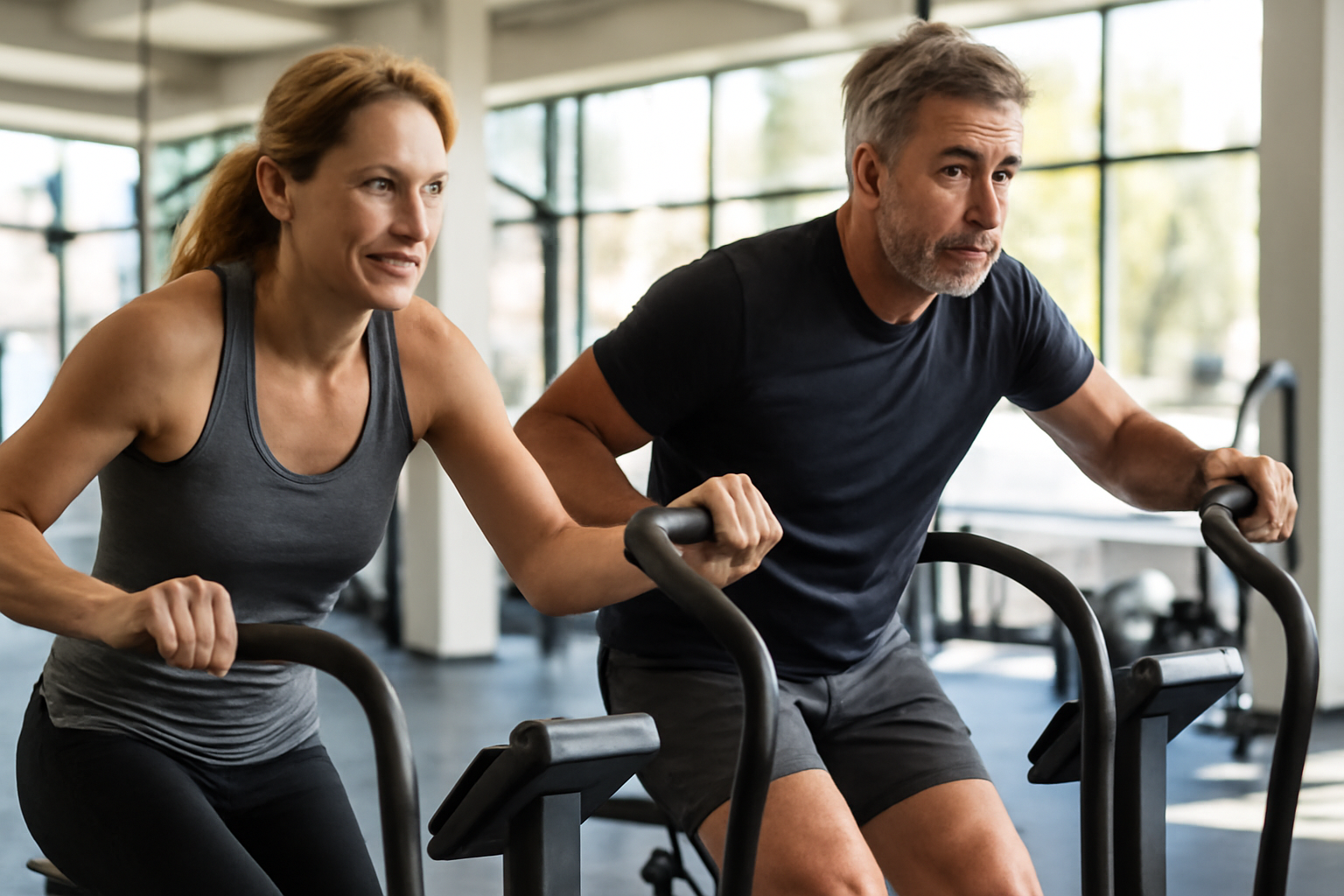
  • Balance Training After 40: Prevent Falls & Build Stability

    Balance Training After 40: Prevent Falls & Build Stability

    The fitness skill most adults over 40 overlook — and the one that could save your life.

    Introduction

    Michael, 62, considered himself active. He walked three miles every morning, lifted weights twice a week, and watched what he ate. Then one ordinary Tuesday, he stepped off a curb wrong and ended up in the emergency room with a fractured ankle. “I had no idea my balance had gotten that bad,” he said. “I thought that was something that happened to old people.”

    Here’s the hard truth: balance begins to decline as early as your late 30s, and the consequences can be severe. According to the CDC, falls are the leading cause of injury-related death among adults aged 65 and older, and every year, about 36 million falls occur among older adults in the United States. But the encouraging news is that balance is trainable at any age.

    In this guide, you’ll learn exactly what balance and stability training involves, why it becomes critical after 40, and how to build a practical routine that protects you for decades to come.

    What Is Balance and Stability Training?

    Balance training refers to exercises specifically designed to improve your body’s ability to maintain controlled positions, whether you’re standing still, moving, or reacting to unexpected forces. Stability training, while closely related, focuses on strengthening the deep postural muscles — especially those in your core, hips, and ankles — that keep your joints aligned and your body upright.

    Your balance system relies on three interconnected inputs:

    • The vestibular system — located in your inner ear, it detects head movements and changes in position
    • Proprioception — the body’s internal sense of where your limbs are in space, fed by sensors in your muscles, joints, and tendons
    • Vision — your eyes provide critical orientation cues, especially in low-light environments

    When any one of these systems weakens — through aging, inactivity, medication side effects, or neurological changes — your overall balance is compromised.

    The National Institute on Aging notes that reduced muscle strength, slower nerve conduction, and decreased joint flexibility all contribute to the gradual deterioration of balance. These changes are normal, but they are not inevitable in their severity. Research consistently shows that targeted balance training can significantly offset these age-related declines.

    Signs Your Balance May Be Declining

    Many people don’t notice balance problems until a near-fall or actual fall brings them to attention. Recognizing earlier, subtler warning signs gives you the opportunity to act before injury occurs.

    Early warning signs:

    • Reaching for walls or furniture when walking through a room
    • Difficulty standing on one foot for more than 5 to 10 seconds
    • Feeling unsteady on uneven surfaces like grass or gravel
    • Stumbling when you turn around quickly
    • Needing to look down at your feet while walking stairs
    • Feeling dizzy or lightheaded when you stand up quickly

    More advanced signs that warrant medical evaluation:

    • Frequent stumbling or near-falls
    • Loss of balance during ordinary daily activities
    • Significant wobbling when walking in the dark
    • Feeling “off” or unsteady without a clear reason

    A 2020 study published in the British Journal of Sports Medicine found that adults who could not stand on one leg for 10 seconds had a significantly higher risk of mortality from all causes over a follow-up period. While this doesn’t mean every person with poor balance is in immediate danger, it does underscore how closely physical stability correlates with overall health status.

    This varies from person to person, and many factors — including recent illness, certain medications, and inner ear conditions — can temporarily affect balance. Always mention new or worsening balance changes to your physician.

    Causes and Risk Factors

    Understanding why balance declines after 40 helps you target the right solutions.

    Age-related physiological changes:

    • Muscle loss (sarcopenia): Adults can lose 3 to 8 percent of muscle mass per decade after age 30, according to research published in the Journal of Cachexia, Sarcopenia and Muscle. Less muscle means less joint support and slower reaction time.
    • Reduced nerve conduction speed: Proprioceptive signals travel more slowly as you age, meaning your body responds to balance threats less quickly.
    • Inner ear changes: The hair cells that detect movement in the vestibular system gradually diminish, particularly after age 50.
    • Vision decline: Even mild vision loss, including reduced contrast sensitivity and depth perception, impairs balance significantly.

    Lifestyle and medical risk factors:

    • Sedentary lifestyle — the single most modifiable risk factor
    • Medications including certain blood pressure drugs, sleep aids, antihistamines, and antidepressants
    • Chronic conditions such as diabetes (which causes peripheral neuropathy), Parkinson’s disease, and inner ear disorders
    • History of stroke or traumatic brain injury
    • Vitamin D deficiency — linked to increased fall risk in multiple NIH-supported studies
    • Poorly fitted footwear

    The CDC reports that four out of five fall-related deaths occur in adults aged 75 and older, but the balance decline that creates that vulnerability typically begins 20 to 30 years earlier. That window is your opportunity.

    Diagnosis: What to Expect from a Medical Assessment

    If you’re concerned about your balance, your primary care physician or a physical therapist can conduct a formal assessment. Knowing what to expect removes the anxiety from the process.

    Common clinical balance tests include:

    • Timed Up and Go (TUG) test: You rise from a chair, walk 10 feet, return, and sit down. A time greater than 12 seconds is associated with increased fall risk.
    • Single-leg stance test: Standing on one leg with eyes open and then closed measures the contribution of each balance system.
    • Berg Balance Scale: A 14-item functional test commonly used in clinical rehabilitation settings.
    • Romberg test: Standing with feet together, arms at sides, first with eyes open, then closed — used to distinguish between proprioceptive and vestibular causes of instability.

    Your doctor may also review your medication list, check your vitamin D and B12 levels, evaluate your vision, and assess your footwear. In some cases, referral to a vestibular specialist, neurologist, or physical therapist specializing in fall prevention may be recommended.

    Most physicians recommend a balance assessment for any adult who has experienced a fall, near-fall, or reports feeling increasingly unsteady — regardless of age.

    Balance and Stability Exercises: Building Your Routine

    Clinical evidence strongly supports structured balance training as an effective intervention for adults of all fitness levels. A 2019 Cochrane Review analyzing over 77 trials found that exercise programs that include balance and functional training reduce fall rates by approximately 23 percent in older adults.

    The key is starting at your current level and progressing gradually. Always perform balance exercises near a wall or sturdy chair for safety, especially when you’re just beginning.

    Beginner Level: Building the Foundation

    • Single-leg stand: Stand on one foot for 10 to 30 seconds, holding a wall if needed. Switch sides. Perform 3 repetitions per leg, twice daily.
    • Heel-to-toe walking (tandem walk): Walk in a straight line placing the heel of one foot directly in front of the toes of the other. Aim for 20 steps.
    • Sit-to-stand: Rise from a chair without using your hands. This builds critical hip and quad strength. Perform 10 repetitions.
    • Weight shifts: Stand with feet hip-width apart and slowly shift your weight from foot to foot, holding each position for 3 to 5 seconds.

    Intermediate Level: Adding Challenge

    • Single-leg stand with eyes closed: Closes the visual loop and forces your vestibular and proprioceptive systems to work harder.
    • Side steps with resistance band: A mini-band around your ankles during lateral steps targets the hip abductors — critical stabilizers for the knee and ankle.
    • Standing on an unstable surface: A folded exercise mat or balance disc adds proprioceptive challenge without high risk.
    • Tai chi movements: Clinical evidence from Johns Hopkins Medicine supports tai chi as one of the most effective balance training methods for adults over 50, showing fall risk reductions of up to 47 percent in some studies.

    Advanced Level: Dynamic Stability

    • Single-leg deadlift: Holding a light weight, hinge forward at the hip with one leg extended behind. This builds hip stability and trains balance under load.
    • Lateral lunges: Step wide to one side, bending the stepping knee while the other stays straight. Builds hip strength in the frontal plane.
    • Bosu ball exercises: Squats or single-leg stands on an unstable dome surface significantly increase neuromuscular demand.

    If you’re also working on strength and cardio fitness, many of these exercises complement the work covered in our Strength Training After 40: The Complete Guide to Building Muscle Safely and our Cardio After 40: The Complete Guide to Heart-Healthy Exercise. Balance training is most effective when paired with a well-rounded fitness routine.

    Living With Balance Challenges: Day-to-Day Management and Prevention

    Exercise is only one piece of the puzzle. Managing your environment and daily habits can dramatically reduce fall risk, particularly during the years before your training adaptations fully take hold.

    Home safety modifications:

    • Install grab bars in the shower and near the toilet
    • Remove loose rugs or secure them with non-slip backing
    • Ensure all stairways have secure handrails on both sides
    • Keep pathways well-lit, particularly at night — use motion-sensor nightlights
    • Move frequently used items to shelves between waist and shoulder height

    Footwear and orthotics:

    Research suggests that footwear with thin, firm soles and low heels provides better proprioceptive feedback than thick, cushioned shoes for balance purposes. Avoid walking in socks on smooth floors. A podiatrist can assess whether custom orthotics might help address gait or ankle instability issues.

    Nutrition and supplementation:

    Vitamin D deficiency is associated with muscle weakness and increased fall risk. The NIH recommends adults aged 51 to 70 consume 600 IU of vitamin D daily, with the threshold rising to 800 IU after age 70. However, dosing should always be guided by your physician based on lab values. Adequate protein intake also supports the muscle mass maintenance critical to stability.

    If you’re interested in complementing your balance work with mobility training, our guide on Flexibility & Mobility Training: The Complete Guide for Adults Over 40 offers practical strategies that directly support stability and injury prevention.

    When to Call Your Doctor: Emergency Signs and Red Flags

    Not all balance problems are exercise-related, and some require prompt medical attention. Know the difference between a fitness challenge and a medical warning sign.

    Seek emergency care immediately if you experience:

    • Sudden, severe dizziness or vertigo with no prior history
    • Loss of balance accompanied by slurred speech, facial drooping, arm weakness, or vision changes (these may indicate stroke — call 911 immediately)
    • Sudden hearing loss combined with dizziness
    • Loss of consciousness or fainting
    • Severe headache alongside balance loss

    Schedule a non-emergency appointment if you notice:

    • Gradual but noticeable worsening of balance over weeks or months
    • Recurring dizziness upon standing up
    • A recent fall, even if no injury occurred
    • Numbness or tingling in your feet that affects how you walk
    • New medications that seem to be affecting your steadiness

    When you see your doctor, be specific: describe when it happens, how long it lasts, whether it’s associated with head movements, and any medications you’ve recently started or changed.

    Frequently Asked Questions

    How long does it take to see results from balance training?

    Most people begin noticing improvements in stability and confidence within 4 to 6 weeks of consistent practice. Clinical evidence from the Mayo Clinic suggests that meaningful reductions in fall risk can be achieved with as little as two to three sessions per week over 12 weeks. That said, this varies from person to person depending on starting fitness level and consistency.

    Is yoga effective for balance training?

    Yes — research suggests yoga is a clinically recognized approach to improving balance, proprioception, and core strength. Poses like tree pose, warrior III, and chair pose specifically challenge the same systems involved in everyday stability. Many physicians recommend yoga as a complementary approach, particularly for adults who prefer low-impact activity.

    Can medications be causing my balance problems?

    Absolutely. Several commonly prescribed medications are associated with dizziness and impaired balance, including certain antihypertensives (blood pressure drugs), benzodiazepines, anticonvulsants, opioids, and some antihistamines. Clinical evidence indicates that polypharmacy — taking multiple medications simultaneously — significantly increases fall risk. Talk to your doctor or pharmacist if you suspect your medications are affecting your steadiness. Never stop or adjust medications on your own.

    What’s the difference between balance training and core training?

    Core training focuses specifically on strengthening the muscles of the abdomen, back, pelvis, and hips. Balance training uses these muscles — along with ankle stabilizers and the neurological systems of proprioception and vestibular function — in integrated, functional movements. In practice, the two overlap significantly. Most physical therapists recommend training both together, as a strong core is foundational to better balance.

    Should I see a physical therapist or can I train on my own?

    For most healthy adults with mild balance concerns, a home-based program using the beginner exercises above is a reasonable starting point. However, if you have a history of falls, a neurological condition, significant arthritis, or unresolved dizziness, working with a licensed physical therapist — ideally one certified in vestibular rehabilitation or fall prevention — is strongly recommended by most physicians before starting independently.

    Conclusion

    Balance is a skill — and like any skill, it responds to practice, challenge, and consistency. The fact that it declines with age doesn’t mean you have to accept poor stability as inevitable. Research clearly indicates that targeted balance and stability training reduces fall risk, improves functional independence, and even correlates with better long-term health outcomes.

    Start where you are. Begin with simple single-leg stands next to the kitchen counter. Add a few minutes of mindful, heel-to-toe walking. Progress at a pace that feels safe and sustainable. Combine your balance work with strength and cardiovascular training for a complete picture of fitness after 40.

    Most importantly, talk to your doctor about your balance concerns. A conversation today could prevent an injury tomorrow — and that conversation is always worth having.


    Medical Disclaimer: This article is for informational and educational purposes only. It does not constitute medical advice, diagnosis, or treatment. Always consult your physician or a qualified healthcare provider before making changes to your health routine or treatment plan.

    Medically reviewed by our editorial health team. Content follows evidence-based standards aligned with CDC and NIH guidelines.
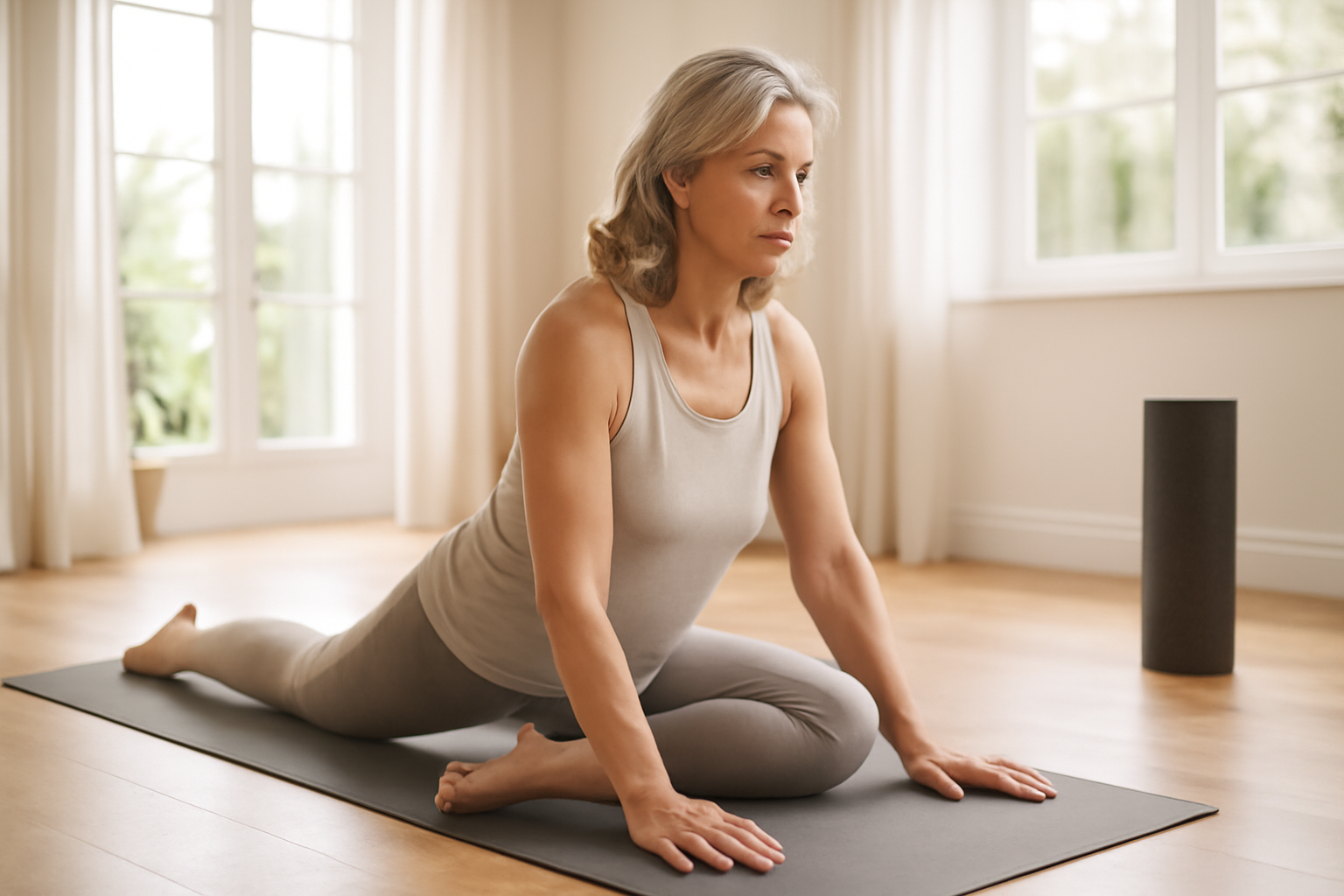
  • HIIT After 40: Safe, Effective High-Intensity Training

    HIIT After 40: Safe, Effective High-Intensity Training

    High-intensity interval training can be one of the most powerful tools for cardiovascular health, fat loss, and metabolic function — but only when done safely and strategically for your age.

    When Marcus, 47, told his cardiologist he wanted to lose 25 pounds and improve his energy levels, his doctor suggested he look into high-intensity interval training. Marcus had always assumed HIIT was for college athletes and competitive CrossFitters — not a middle-aged accountant with a stiff lower back. But within three months of following a modified HIIT program, his resting heart rate dropped, he lost 18 pounds, and his blood pressure improved enough that his physician began discussing a possible medication reduction.

    Stories like Marcus’s are increasingly common — and increasingly supported by science. According to the American College of Sports Medicine, HIIT is now one of the most researched exercise modalities in the world, with evidence supporting its benefits for adults across a wide age range. Yet many people over 40 avoid it entirely, either because they think it’s too intense for their bodies or because they’ve seen scary videos of extreme workouts that bear little resemblance to what most clinicians actually recommend.

    In this guide, you’ll learn exactly what HIIT is, why it works especially well for adults in midlife and beyond, how to start safely, and what warning signs mean you should slow down or consult your doctor first.

    What Is HIIT, and Why Does It Matter After 40?

    High-intensity interval training — commonly called HIIT — is a form of cardiovascular exercise that alternates between short bursts of intense effort and recovery periods of lower-intensity movement or rest. A typical HIIT session might look like 30 seconds of fast cycling followed by 90 seconds of slow pedaling, repeated 8 to 10 times.

    The core mechanism is simple: pushing your heart rate into a higher zone, then allowing partial recovery, then pushing again. This cyclical stress-and-recover pattern triggers a cascade of physiological adaptations that steady-state cardio simply cannot replicate in the same amount of time.

    Why does this matter specifically after 40? Because that’s when several key biological shifts begin accelerating. Starting in your late 30s and early 40s, the body begins losing muscle mass at roughly 3 to 8 percent per decade, according to research published in the Journal of Cachexia, Sarcopenia and Muscle. Metabolic rate slows. Insulin sensitivity decreases. Cardiovascular efficiency declines. HIIT directly targets all of these changes.

    A landmark meta-analysis published in the British Journal of Sports Medicine found that HIIT produced significantly greater improvements in cardiorespiratory fitness — measured as VO2 max — compared to moderate-intensity continuous training, even when total exercise time was shorter. For time-pressed adults managing careers, families, and health appointments, that efficiency matters enormously.

    HIIT is not a single, fixed routine. It includes everything from treadmill sprint intervals to cycling, swimming, bodyweight circuits, rowing, and low-impact modifications designed specifically for people with joint concerns. The key principle is intensity relative to your own capacity — not someone else’s.

    The Real Benefits of HIIT for Adults Over 40

    The research on HIIT’s benefits for midlife adults is extensive and growing. Clinical evidence supports meaningful improvements across multiple health domains that are especially relevant to this age group.

    Cardiovascular health: The American Heart Association has recognized HIIT as an effective strategy for improving cardiovascular function in adults with and without heart disease. Research suggests it improves arterial flexibility, reduces resting blood pressure, and enhances cardiac output.

    Metabolic function and blood sugar regulation: According to the American Diabetes Association, physical activity that elevates heart rate significantly — as HIIT does — improves insulin sensitivity and glucose uptake in muscle cells. A 2023 clinical trial in Diabetes Care found that adults with prediabetes who completed 12 weeks of HIIT showed greater reductions in fasting blood glucose compared to the moderate-exercise control group.

    Fat loss and body composition: HIIT stimulates excess post-exercise oxygen consumption (EPOC) — sometimes called the "afterburn effect" — where your body continues burning calories at an elevated rate for hours after the workout ends. Studies reviewed by the NIH indicate HIIT is particularly effective at reducing visceral fat, the metabolically dangerous fat stored around internal organs that tends to accumulate in adults over 40.

    Hormonal benefits: HIIT has been shown to stimulate the release of human growth hormone (HGH) and testosterone, both of which decline naturally with age. These hormonal responses support muscle preservation, recovery, and energy levels.

    Cognitive health: Research from Johns Hopkins Medicine suggests that high-intensity aerobic exercise promotes the production of brain-derived neurotrophic factor (BDNF), a protein that supports memory, focus, and long-term cognitive health — a significant consideration given that cognitive decline risk increases with age.

    Time efficiency: Most effective HIIT sessions last 20 to 30 minutes, including warm-up and cool-down. For adults who struggle to find 60-minute workout windows, this is a practical advantage that translates directly into higher adherence rates.

    Understanding Your Body: What Changes After 40

    Before diving into a HIIT program, it’s important to understand the physiological realities of exercising in midlife. These are not reasons to avoid HIIT — they are reasons to approach it intelligently.

    Longer recovery time: Muscle recovery takes more time after 40 due to reduced levels of anabolic hormones and slower protein synthesis. What a 25-year-old might recover from in 24 hours may take you 48 to 72 hours. This is completely normal, and your program should reflect it.

    Joint considerations: Cartilage thins with age, and the risk of overuse injuries increases. High-impact HIIT modalities — like jump squats or box jumps — may need to be swapped for low-impact alternatives such as cycling, elliptical intervals, or swimming sprints. This doesn’t reduce the cardiovascular benefit; it protects your joints from cumulative damage.

    Heart rate response: Maximum heart rate naturally declines with age. The commonly used formula estimates maximum heart rate as 220 minus your age — so a 50-year-old’s estimated maximum is around 170 beats per minute. HIIT "high-intensity" zones for most adults over 40 typically target 80 to 90 percent of that estimated maximum, not 100 percent. Training at appropriate zones reduces cardiac risk while still delivering the training stimulus.

    Connective tissue vulnerability: Tendons and ligaments become less elastic after 40, making a thorough warm-up non-negotiable. Research from the Mayo Clinic suggests at least 5 to 10 minutes of progressive warm-up significantly reduces injury risk during high-intensity exercise in older adults.

    This variation from person to person is real — someone who has been exercising consistently for 20 years will have a very different baseline than someone returning to exercise after a decade away. Always calibrate your effort to your own current fitness level, not an idealized benchmark.

    How to Start HIIT Safely: A Step-by-Step Approach

    Most physicians recommend getting medical clearance before starting a new high-intensity exercise program, especially if you are over 40, have a chronic condition, or have been sedentary for an extended period. The Physical Activity Readiness Questionnaire (PAR-Q), widely used by clinicians and certified trainers, can help identify any red flags that need evaluation first.

    Once cleared, here’s how to begin safely:

    Start with a 2:1 recovery ratio. For every 30 seconds of high-intensity effort, allow 60 seconds of easy movement or rest. As your fitness improves over 4 to 6 weeks, you can gradually shift toward a 1:1 or even 1:2 work-to-rest ratio.

    Choose joint-friendly modalities first. Cycling, rowing, swimming, or using an elliptical machine places significantly less impact on hips, knees, and ankles than running or plyometric exercises. These are excellent starting points and can remain your primary HIIT tools indefinitely.

    Limit HIIT to 2 to 3 sessions per week. The NIH and most sports medicine specialists recommend that adults over 40 allow at least 48 hours between HIIT sessions for adequate recovery. More is not better — overtraining is a real risk that can lead to injury, immune suppression, and elevated cortisol levels.

    Track your perceived exertion. On a scale of 1 to 10, your high-intensity intervals should feel like a 7 to 8 — hard, but not a sprint where you can’t speak. Your recovery periods should drop back to a 3 to 4.

    Prioritize the warm-up and cool-down. A 5-to-10-minute dynamic warm-up (leg swings, hip circles, arm rotations, light marching) prepares your cardiovascular system and connective tissue. A 5-minute cool-down with light walking and static stretching supports recovery and reduces next-day soreness.

    For additional guidance on building a complete movement practice, our guide on Flexibility & Mobility Training for Adults Over 40 covers essential warm-up and recovery strategies that pair perfectly with a HIIT program.

    Sample HIIT Workouts Designed for Adults Over 40

    These sample formats are designed to be adapted to your fitness level. They are not prescriptions — always work with a certified trainer or your physician to personalize a plan.

    Beginner — Low-Impact Bike Intervals (20 minutes total):

    • 5-minute easy warm-up at comfortable pace
    • 8 rounds: 30 seconds moderate-hard effort, 90 seconds easy pedaling
    • 5-minute cool-down at gentle pace

    Intermediate — Elliptical Intervals (25 minutes total):

    • 5-minute progressive warm-up
    • 10 rounds: 40 seconds high resistance/fast pace, 60 seconds low resistance recovery
    • 5-minute cool-down with slow walking

    Advanced — Bodyweight Circuit (30 minutes total):

    • 8-minute warm-up including dynamic mobility work
    • 4 rounds of: 40 seconds each of squat to press, modified burpees (no jump), alternating reverse lunges, mountain climbers at controlled pace — with 90 seconds rest between rounds
    • 7-minute cool-down with stretching

    Pair these sessions with the strength and cardio foundations described in our articles on Strength Training After 40 and Cardio After 40 for a comprehensive, well-rounded weekly fitness routine.

    Living With a HIIT Routine: Recovery, Nutrition, and Consistency

    The long-term success of any HIIT program depends less on the workouts themselves and more on what happens between sessions. Recovery is where adaptation actually occurs.

    Sleep: The NIH identifies sleep as the single most important recovery tool. During deep sleep, your body releases growth hormone, repairs muscle tissue, and consolidates neurological patterns. Adults over 40 should aim for 7 to 9 hours of quality sleep, particularly on days following HIIT sessions.

    Protein intake: Research published in the American Journal of Clinical Nutrition suggests that adults over 40 require more dietary protein than younger adults to achieve the same muscle protein synthesis response. Most sports dietitians recommend 1.2 to 1.6 grams of protein per kilogram of body weight for active older adults, though your specific needs should be discussed with a registered dietitian or your physician.

    Hydration: Dehydration impairs performance, increases injury risk, and slows recovery. Clinical guidelines from the American College of Sports Medicine recommend consuming fluids before, during, and after exercise, with amounts varying based on sweat rate, temperature, and session intensity.

    Active recovery days: On non-HIIT days, light movement — walking, gentle yoga, or foam rolling — promotes circulation and reduces delayed onset muscle soreness (DOMS) without adding training stress. This is distinct from complete rest and generally produces better recovery outcomes.

    Progressive overload: To continue improving, your HIIT program must become progressively more challenging over time — whether through longer intervals, shorter rest periods, more rounds, or greater resistance. This principle of progressive overload is what drives continued adaptation and prevents plateaus.

    When to Call Your Doctor or Seek Emergency Care

    HIIT is safe for most adults over 40 when approached appropriately — but certain signs should prompt you to stop immediately and seek medical evaluation.

    Stop and call 911 immediately if you experience:

    • Chest pain, pressure, or tightness during or after exercise
    • Shortness of breath that is disproportionate to your effort level
    • Dizziness, lightheadedness, or sudden loss of balance
    • Heart palpitations that feel irregular or sustained
    • Sudden severe headache during exercise
    • Fainting or near-fainting episodes

    Schedule a physician visit if you notice:

    • Persistent joint pain in the knees, hips, or ankles that lasts more than 72 hours after a session
    • Unusual fatigue that doesn’t resolve with rest after 3 to 5 days
    • Resting heart rate that is consistently elevated above your normal baseline
    • Sleep disturbances or mood changes that worsen after starting HIIT
    • Any new symptoms that concern you, even if they seem unrelated to exercise

    The American Heart Association recommends that adults with known heart disease, uncontrolled hypertension, or recent cardiac events undergo a medically supervised stress test before beginning high-intensity training. This is a critical step — not an optional one.

    Frequently Asked Questions About HIIT After 40

    Is HIIT safe if I have high blood pressure?
    Clinical evidence suggests that HIIT can actually help lower blood pressure over time, but it must be approached carefully. Extremely intense intervals can cause acute spikes in blood pressure during exertion. Most cardiologists recommend starting with moderate-intensity intervals and getting clearance from your physician before beginning. Never start HIIT for hypertension management without medical supervision.

    How is HIIT different from regular cardio for someone my age?
    Traditional steady-state cardio — like walking or jogging at a consistent pace — primarily trains your aerobic energy system. HIIT additionally recruits anaerobic pathways, preserves and builds muscle mass more effectively, and produces greater improvements in VO2 max per unit of time. Both have their place, and most fitness experts recommend combining them rather than choosing one exclusively.

    How long before I see results from HIIT?
    Research suggests that measurable cardiovascular improvements can begin appearing within 2 to 4 weeks of consistent HIIT training. Visible changes in body composition typically emerge over 8 to 12 weeks with consistent effort and appropriate nutrition. This varies from person to person depending on starting fitness, sleep quality, diet, and genetics.

    Can I do HIIT if I have knee pain or arthritis?
    Many people with mild to moderate knee concerns can participate in low-impact HIIT using cycling, swimming, or seated rowing. High-impact modalities involving jumping or running are generally not recommended without physician and physical therapist clearance. Always consult your orthopedist or sports medicine physician before starting HIIT if you have an active joint condition.

    Do I need a gym or special equipment to do HIIT?
    No. Effective HIIT can be performed entirely with bodyweight at home. Exercises like modified burpees, step-touches, marching in place at high intensity, stair climbing intervals, or resistance band circuits require no gym membership or equipment. The essential ingredient is effort — not equipment.

    Conclusion

    HIIT after 40 isn’t about chasing the workouts you saw on social media or competing with a younger version of yourself. It’s about using one of the most well-researched, time-efficient exercise strategies available to protect your heart, preserve your muscle, regulate your metabolism, and feel genuinely better in your body.

    The science is clear: with appropriate modifications, proper warm-up, adequate recovery, and physician clearance when needed, high-intensity interval training can be both safe and profoundly effective for adults in midlife and beyond.

    Start where you are. Progress steadily. Listen to your body. And always keep your healthcare provider in the loop as your program evolves. Your best years of fitness may very well be ahead of you.


    Medical Disclaimer: This article is for informational and educational purposes only. It does not constitute medical advice, diagnosis, or treatment. Always consult your physician or a qualified healthcare provider before making changes to your health routine or treatment plan.

    Medically reviewed by our editorial health team. Content follows evidence-based standards aligned with CDC and NIH guidelines.

  • Flexibility & Mobility Training: The Complete Guide for Adults Over 40

    Flexibility & Mobility Training: The Complete Guide for Adults Over 40

    Flexibility & Mobility Training: The Complete Guide for Adults Over 40

    Why stretching and joint mobility work may be the most overlooked — and most important — fitness habit you can build after 40.

    Margaret, 54, had been faithfully logging her 10,000 steps a day and hitting the gym three times a week. But every morning, she woke up stiff, her hips aching before she even got out of bed. "I thought pain was just part of getting older," she told her physical therapist. It isn't — and the solution turned out to be something she had been skipping entirely: dedicated flexibility and mobility training.

    According to the American College of Sports Medicine (ACSM), most American adults fall dramatically short of flexibility exercise recommendations, with the problem worsening significantly after age 40. Yet clinical evidence consistently shows that targeted mobility work reduces injury risk, improves balance, enhances athletic performance, and may meaningfully reduce chronic pain — without a single prescription.

    In this guide, you'll learn exactly what flexibility and mobility training are, why they become critical after 40, what the research says about their benefits, and how to build a practical, safe routine that works alongside the cardio and strength work you're already doing.

    What Are Flexibility and Mobility — And Why They're Different?

    These two terms are often used interchangeably, but clinically they describe distinct physical qualities — and training both is important.

    Flexibility refers to the ability of a muscle or muscle group to lengthen passively through a range of motion. When you hold a hamstring stretch, you're working flexibility. It's largely a property of the muscle tissue itself.

    Mobility refers to the ability of a joint to move actively through its full, intended range of motion with control. Hip mobility, for example, determines how well your hip joint can move during a squat, a walking stride, or simply getting up from a chair. Mobility involves muscles, tendons, ligaments, joint capsules, and the nervous system working together.

    Research published by the National Institutes of Health confirms that both flexibility and mobility decline progressively with age, beginning as early as the mid-30s. By age 50, most adults have lost a measurable percentage of their youthful range of motion — contributing to the stiffness, postural changes, and injury vulnerability that many people mistakenly accept as inevitable.

    The good news: this decline is largely reversible with consistent, targeted training. The body responds to mobility and flexibility work at virtually any age.

    Signs Your Flexibility and Mobility Need Attention

    Many adults don't realize their mobility is declining until a problem — a fall, a pulled muscle, or chronic joint pain — forces the issue. Watch for these signs:

    Early Warning Signs

    • Morning stiffness lasting more than 20–30 minutes
    • Difficulty reaching overhead without shoulder discomfort
    • Tightness in the hips, hamstrings, or lower back during daily activities
    • Decreased stride length when walking
    • Needing to use your hands to push up from a low chair or floor
    • Noticing your posture rounding forward over time

    More Advanced Indicators

    • Joint pain during or after activities that were previously comfortable
    • Frequent muscle strains or "tweaks" with ordinary movements
    • Difficulty with balance tasks, such as standing on one leg
    • Reduced walking speed or changes in gait
    • Neck stiffness that limits shoulder-checking while driving

    A 2022 study published in the Journal of Aging and Physical Activity found that adults over 45 with measurably reduced hip and ankle mobility were significantly more likely to experience fall-related injuries — underscoring why mobility screening is increasingly recommended at annual checkups.

    Causes and Risk Factors for Declining Flexibility After 40

    Understanding why flexibility and mobility decline helps you target your training more effectively.

    Biological Changes

    With age, collagen fibers — the structural protein in tendons, ligaments, and connective tissue — become less elastic and more cross-linked, making tissue stiffer. Synovial fluid, which lubricates joints, decreases in volume and quality. Muscle mass itself begins declining (a process called sarcopenia) starting around age 35–40, which affects the strength needed to support joint mobility.

    Lifestyle Factors

    Prolonged sitting is one of the most significant contributors to mobility loss in American adults. The CDC reports that American adults spend an average of 6–8 hours per day seated. This compresses the hip flexors, shortens the hamstrings, and contributes to thoracic spine (upper back) stiffness over time.

    Other major risk factors include:

    • Physical inactivity: Tissues adapt to the ranges of motion you regularly use — or lose the ranges you don't.
    • Previous injuries: Scar tissue and compensatory movement patterns reduce mobility in affected joints.
    • Chronic dehydration: Connective tissue requires adequate hydration to maintain elasticity.
    • Inflammatory conditions: Osteoarthritis, rheumatoid arthritis, and related conditions directly affect joint range of motion.
    • Stress and poor sleep: Both increase muscle tension and impair tissue recovery, research from the NIH suggests.

    Individual Variation

    It's important to note: flexibility varies considerably from person to person, even among people of the same age. Genetics, joint anatomy, training history, and body composition all play a role. This variation is completely normal, and your goal should always be to improve your own baseline — not to compare yourself to others.

    Assessment: How Your Doctor or Physical Therapist Evaluates Mobility

    If you're experiencing joint pain, significant stiffness, or changes in your walking pattern, a professional assessment is the right first step before beginning a new mobility program.

    What a Functional Mobility Assessment Includes

    • Goniometry: A simple tool used to measure the degrees of range of motion in specific joints
    • Functional Movement Screen (FMS): A standardized series of seven movement tests widely used by physical therapists and certified trainers to identify mobility restrictions and asymmetries
    • Thomas Test: Evaluates hip flexor tightness
    • Overhead squat assessment: Reveals restrictions in the ankles, hips, thoracic spine, and shoulders simultaneously
    • Balance tests: Such as the single-leg stance test, which is predictive of fall risk in older adults

    When to Seek a Professional Assessment

    Most physicians recommend evaluation if you notice joint swelling, sharp pain with movement, significant asymmetry between sides (for example, one hip that moves dramatically less than the other), or any neurological symptoms such as tingling or numbness associated with stiffness. If you're over 60 or managing a condition like osteoporosis or osteoarthritis, a physical therapist evaluation before beginning a new routine is particularly advisable.

    Evidence-Based Flexibility and Mobility Training Options

    The good news for adults over 40 is that there are multiple effective, well-researched approaches to improving flexibility and mobility. Most physicians and physical therapists recommend combining more than one method.

    Static Stretching

    The most familiar form of flexibility training, static stretching involves holding a stretch position for 20–60 seconds without movement. Research suggests that static stretching performed consistently — at least 4–5 days per week — produces measurable improvements in muscle length and joint range of motion within 4–8 weeks.

    Clinical evidence from the ACSM recommends holding each major muscle group stretch for 10–30 seconds (up to 60 seconds for older adults) and repeating 2–4 times. The key: static stretching is most effective when the muscle is already warm — meaning after exercise or after a warm shower, rather than first thing in the morning on cold tissues.

    Dynamic Mobility Work

    Dynamic mobility exercises involve controlled, active movement through a joint's range of motion — think leg swings, hip circles, thoracic rotations, or arm circles. This approach is particularly valuable before exercise as a warmup because it increases circulation, activates the muscles you're about to use, and lubraces joints without reducing the muscle activation needed for strength activities.

    Unlike static stretching performed before exercise (which research suggests may temporarily reduce muscle power output), dynamic mobility work prepares the body for activity without that tradeoff.

    Yoga and Pilates

    Both yoga and Pilates have accumulated strong clinical evidence for improving flexibility, balance, and functional mobility in adults over 40. A 2023 systematic review published in the Journal of Physical Therapy Science found that regular yoga practice significantly improved spinal flexibility and balance in adults aged 45–70, with benefits appearing within 8–12 weeks of consistent practice.

    Pilates, which emphasizes core stability alongside mobility, is frequently recommended by physical therapists for adults with lower back pain or recovering from joint injuries.

    Foam Rolling and Self-Myofascial Release

    Foam rolling applies targeted pressure to the myofascia — the connective tissue surrounding muscles — helping to release knots and restrictions. Clinical evidence indicates foam rolling can meaningfully improve range of motion when used consistently before stretching or exercise. It also appears to reduce delayed onset muscle soreness (DOMS) after strength training — a benefit that many adults over 40 find particularly valuable given longer recovery times.

    Tai Chi

    Tai chi, a gentle movement practice involving slow, deliberate sequences, has some of the strongest evidence for fall prevention and balance improvement in older adults. The CDC specifically lists tai chi as a recommended evidence-based fall prevention intervention — a significant endorsement for adults over 60.

    For guidance on complementary training approaches, you may find it helpful to review our Strength Training After 40: The Complete Guide to Building Muscle Safely, as strength and mobility training work synergistically to protect joint health.

    Building Your Flexibility and Mobility Routine: A Practical Framework

    Based on ACSM guidelines and physical therapy best practices, here is a realistic framework for adults over 40 who want to build consistent mobility work into their weekly schedule.

    Frequency

    Most physicians and physical therapists recommend flexibility and mobility training at least 3–5 days per week. Daily practice produces the most significant improvements for adults who are starting from a notably restricted baseline.

    A Simple Daily Mobility Sequence (15–20 Minutes)

    • Thoracic spine rotations — 10 reps per side (addresses upper back stiffness from sitting)
    • Hip 90/90 stretch — 60 seconds per side (targets hip internal and external rotation)
    • Cat-cow stretch — 10 slow reps (spinal mobility and lower back relief)
    • World's greatest stretch — 5 reps per side (comprehensive hip, hamstring, and thoracic opener)
    • Ankle circles and calf stretches — 30 seconds each side (critical for balance and fall prevention)
    • Doorway chest stretch — 30–60 seconds (counteracts rounded posture from screen use)

    Integration With Cardio and Strength Training

    Use dynamic mobility work (5–10 minutes) before your cardio or strength sessions, and static stretching after. This sequencing aligns with current clinical recommendations and helps you get the full benefit of both your mobility work and your primary workout.

    For adults new to structured cardio, our Cardio After 40: The Complete Guide to Heart-Healthy Exercise provides complementary guidance on building heart-healthy habits safely.

    Progression

    Begin with gentle ranges and increase depth gradually over weeks — never force a stretch to the point of sharp pain. Mild tension is expected; pain is a signal to back off. Most adults over 40 notice meaningful improvement in 4–8 weeks of consistent practice.

    When to Call Your Doctor — Red Flags and Emergency Signs

    While flexibility and mobility training is generally very safe, certain symptoms should prompt you to speak with your physician before continuing or starting a program.

    Contact Your Doctor If You Experience:

    • Joint swelling, warmth, or redness accompanying stiffness (may indicate inflammatory arthritis or infection)
    • Sharp, shooting, or electric pain during stretching — particularly down an arm or leg (possible nerve involvement)
    • Stiffness that is significantly worse in the morning and takes more than an hour to improve (a potential sign of inflammatory conditions such as rheumatoid arthritis or polymyalgia rheumatica)
    • A new "locking" or "catching" sensation in a joint
    • Any joint that has recently been injured, swollen, or surgically repaired
    • Significant asymmetry between the two sides of your body that you haven't previously noticed

    Seek Emergency Care Immediately If You Have:

    • Sudden, severe joint or back pain following a fall or impact
    • Numbness, weakness, or loss of bladder or bowel control associated with back or neck pain (seek emergency evaluation immediately)
    • Chest pain, shortness of breath, or dizziness during any exercise

    What to Tell Your Doctor at Your Next Visit

    Mention any areas of persistent stiffness, pain with specific movements, or changes in your walking pattern or balance. A brief physical therapy referral can make a significant difference — and most insurance plans cover physical therapy for mobility-related concerns when ordered by a physician.

    Frequently Asked Questions

    Is it too late to improve flexibility after 50 or 60?

    Absolutely not. Research consistently shows that adults in their 50s, 60s, and beyond respond well to flexibility and mobility training. A landmark NIH-supported study found significant range-of-motion improvements in adults aged 65–85 after a structured 10-week stretching program. The body retains the capacity to adapt at virtually any age — it simply may require slightly more time and consistency than it did at 25.

    Should I stretch before or after exercise?

    Current clinical evidence recommends dynamic mobility work (active movements like leg swings or hip circles) before exercise to warm up the joints and activate muscles. Static stretching — the hold-and-breathe type — is best reserved for after exercise, when tissues are warm and most receptive to lengthening. Stretching cold muscles before exercise may reduce power output without meaningfully reducing injury risk.

    How long does it take to see results from a mobility routine?

    Most people notice initial improvements in how they feel within 2–3 weeks of consistent daily practice. Measurable range-of-motion improvements typically become apparent within 4–8 weeks. Significant long-term gains — the kind that change how you move through daily life — generally require 3–6 months of consistent practice. This varies from person to person.

    Can mobility training help with chronic back pain?

    Research suggests yes, for many people. A 2023 Cochrane review found that stretching and mobility exercises were among the most effective non-pharmacological interventions for chronic non-specific lower back pain. However, it's critical to get a proper diagnosis before self-treating, as some causes of back pain (such as disc herniation or spinal stenosis) require modified approaches that your physical therapist or physician can guide you through.

    What is the difference between mobility training and physical therapy?

    Physical therapy is a medically supervised, individualized treatment designed to address specific diagnoses, injuries, or post-surgical recovery. Mobility training, as described in this guide, is a general wellness practice appropriate for most healthy adults. If you have a specific condition, injury, or significant pain, physical therapy is the appropriate starting point — and a physical therapist can then guide you toward an independent maintenance routine.

    Conclusion: Move Better, Live Better

    Flexibility and mobility training may not carry the same cultural cachet as running a 5K or lifting heavy weights — but the evidence increasingly shows it belongs at the foundation of any complete fitness plan, especially for adults over 40.

    The stiffness and limited range of motion that so many people accept as an inevitable part of aging is, for most, a trainable condition. With consistent, structured mobility work — even just 15–20 minutes a day — clinical research suggests you can move with less pain, reduce your injury and fall risk, improve your posture, and feel significantly better in daily life.

    Start where you are, progress gradually, and make it a consistent habit. And as always, work with your physician or physical therapist to tailor any new program to your specific health history and goals. Your future self will thank you.


    Medical Disclaimer: This article is for informational and educational purposes only. It does not constitute medical advice, diagnosis, or treatment. Always consult your physician or a qualified healthcare provider before making changes to your health routine or treatment plan.

    Medically reviewed by our editorial health team. Content follows evidence-based standards aligned with CDC and NIH guidelines.