Tag: fitness over 40

  • Dumbbell Workouts After 40: Build Strength Safely

    Dumbbell Workouts After 40: Build Strength Safely

    Dumbbell Workouts After 40: Build Strength Safely

    Free weights remain one of the most clinically supported tools for preserving muscle mass, joint health, and metabolic function as you age.

    Introduction

    When David turned 44, he noticed something unsettling: carrying groceries left him winded, and climbing stairs had become a chore. His doctor told him what research has been saying for years — he was losing muscle. The condition is called sarcopenia, and according to the National Institutes of Health, adults can lose up to 5% of their muscle mass every decade after age 30, with losses accelerating significantly after 60.

    The good news? A pair of dumbbells and the right plan can change that trajectory dramatically.

    Dumbbell training after 40 is one of the most accessible, evidence-backed fitness strategies available to aging adults. Whether you are managing mild joint stiffness, working around a busy schedule, or returning to exercise after a long break, free-weight training with dumbbells offers a flexible, low-barrier entry point into strength training that delivers real, measurable benefits.

    In this guide, you will learn what makes dumbbell workouts uniquely effective for adults over 40, how to structure safe and progressive routines, which exercises offer the highest return on investment, and how to avoid the most common mistakes that lead to injury or burnout.

    What Is Dumbbell Training — and Why Does It Matter After 40?

    Dumbbell training is a form of resistance exercise that uses hand-held free weights to create muscular load. Unlike machines, which guide movement along a fixed path, dumbbells require your stabilizing muscles to work simultaneously — engaging more muscle fibers and training real-world functional strength.

    After 40, your body undergoes several physiological shifts that make strength training not just beneficial but increasingly essential. Hormonal changes — particularly declining testosterone in men and estrogen in women — reduce the body’s natural muscle-building signals. Metabolic rate slows. Bone density begins to decrease. Joint cartilage becomes less resilient.

    According to the CDC’s physical activity guidelines, adults should engage in muscle-strengthening activities at least two days per week. Yet surveys consistently show that fewer than 30% of American adults meet this standard — leaving millions vulnerable to the downstream effects of muscle loss, including falls, metabolic disease, and reduced independence.

    Dumbbell training addresses this gap with a tool that is inexpensive, space-efficient, and scalable to virtually any fitness level.

    Signs You May Need More Strength Training

    Many adults over 40 don’t realize how much muscle function they’ve lost until daily activities start to feel harder than they should. Clinical research suggests the following are common early indicators that your musculoskeletal system needs more resistance training:

    • Difficulty rising from a chair without using your arms — a key functional strength marker
    • Grip weakness — research from the American Journal of Medicine links low grip strength to increased cardiovascular and all-cause mortality risk
    • Chronic lower back ache — often related to weak core and posterior chain muscles
    • Frequent fatigue during light physical tasks — such as carrying laundry or light yard work
    • Poor balance or unsteady gait — particularly when navigating uneven terrain
    • Unexplained weight gain — especially fat accumulation around the midsection, which may reflect declining lean muscle mass and metabolic rate

    A 2021 meta-analysis published in the British Journal of Sports Medicine found that resistance training performed at least twice weekly was associated with a 25% lower risk of cardiovascular disease and a 17% lower risk of all-cause mortality. These are not small numbers — they represent a profound case for picking up those weights.

    Causes of Muscle Loss After 40 — and How Dumbbells Help

    Understanding why muscle loss happens helps you train more intelligently. The primary drivers include:

    Hormonal decline: Testosterone levels in men drop approximately 1-2% per year after age 30, per the American Urological Association. In women, perimenopause and menopause bring dramatic estrogen reductions that also impact muscle protein synthesis.

    Reduced physical activity: Career demands, family responsibilities, and longer recovery times often lead adults to move less — creating a negative feedback loop where inactivity accelerates muscle loss.

    Inadequate protein intake: Research from the American Journal of Clinical Nutrition indicates that many adults over 50 consume insufficient dietary protein to support muscle maintenance, let alone growth.

    Neurological changes: The nervous system’s ability to recruit fast-twitch muscle fibers — those responsible for power and speed — declines with age. Resistance training helps preserve these neural pathways.

    Dumbbell workouts directly counteract all of these mechanisms. They provide the mechanical stimulus necessary for muscle protein synthesis, engage the nervous system’s motor recruitment patterns, and can be performed in ways that complement dietary protein intake for maximum anabolic effect.

    For adults managing joint conditions, dumbbell training allows for natural movement arcs that accommodate individual anatomy — something fixed machines cannot offer. If you are also exploring lower-impact options, consider reading our guide on Resistance Band Training After 40: Build Strength Safely, which pairs well with dumbbell work for a complete home-based program.

    How to Structure a Safe Dumbbell Routine After 40

    The most effective dumbbell programs for adults over 40 prioritize progression, recovery, and movement quality over sheer volume or intensity. Clinical evidence suggests that 2 to 3 strength training sessions per week is optimal for most aging adults — enough to drive adaptation without overwhelming recovery capacity.

    Key structural principles:

    1. Start with compound movements. Exercises that work multiple joints simultaneously — such as the dumbbell squat, Romanian deadlift, chest press, and bent-over row — deliver the most training stimulus per minute. Prioritize these before adding isolation work.

    2. Use moderate loads with controlled tempo. Research suggests that training with weights you can lift for 8-15 repetitions with good form produces the most favorable combination of muscle growth and joint safety for adults over 40. Avoid grinding through maximum loads — especially early in your training.

    3. Progress gradually. The principle of progressive overload — incrementally increasing weight, reps, or sets over time — is the engine of all strength adaptation. Aim to increase load or volume by roughly 5-10% every 2-3 weeks when movements feel consistently manageable.

    4. Prioritize warm-up and cool-down. Spend 5-10 minutes warming up with dynamic movements (leg swings, arm circles, light bodyweight squats) before lifting, and close each session with gentle stretching. For a science-backed flexibility protocol, see our article on Stretching After 40: Routines for Flexibility & Pain Relief.

    5. Allow adequate recovery. After 40, muscle repair takes longer. Avoid training the same muscle group on consecutive days. Two full rest days per week is a reasonable baseline.

    The Best Dumbbell Exercises for Adults Over 40

    The following exercises represent a clinically rational selection for adults in the 40-70 age range. They balance effectiveness, safety, and functional carryover into daily life.

    Lower body:

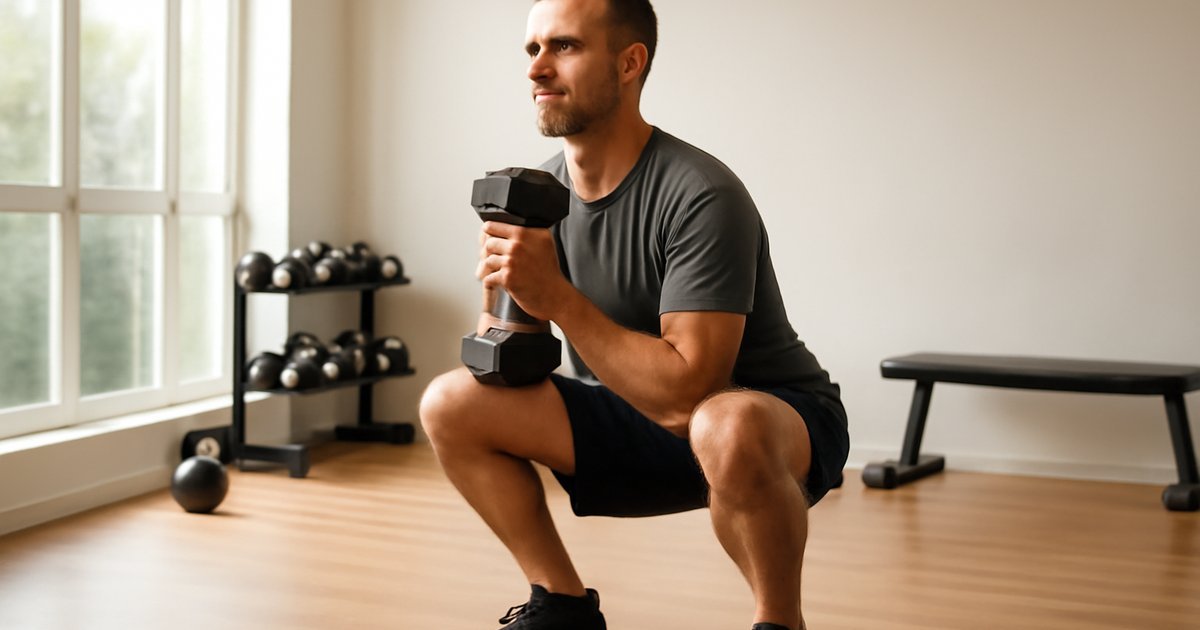
    • Dumbbell goblet squat — Holding one dumbbell at chest height encourages upright posture and is easier on the lower back than barbell variations. Excellent for quad, glute, and core engagement.
    • Romanian deadlift (RDL) — A hinge movement that targets the hamstrings and glutes with minimal spinal loading when performed correctly. Critical for maintaining posterior chain strength.
    • Reverse lunge — Safer than forward lunges for knee health, this movement builds single-leg strength and balance simultaneously.
    • Step-ups — Functional, low-impact, and highly effective for hip extensors and stabilizers.

    Upper body:

    • Dumbbell chest press (floor or bench) — Builds pressing strength without the shoulder stress of barbell variations.
    • Single-arm dumbbell row — One of the best exercises for upper back and posture improvement — critical for adults spending hours seated.
    • Overhead press (seated or standing) — Strengthens the shoulders and upper back. Seated variation reduces spinal compression risk for those with lumbar sensitivity.
    • Bicep curl and tricep kickback — Useful isolation exercises to maintain arm strength for functional tasks like lifting and reaching.

    Core and stability:

    • Dumbbell farmer’s carry — Walking with dumbbells in each hand builds grip strength, core stability, and improves posture. Simple, underrated, and deeply functional.
    • Dumbbell deadbug (light weight) — Trains deep core stability with minimal spinal stress.

    Living With a Dumbbell Routine: Practical Tips for Long-Term Consistency

    Starting a dumbbell program is one thing — maintaining it over months and years is another. Clinical research consistently identifies consistency as the single most important variable in long-term fitness outcomes.

    Schedule your sessions like appointments. Adults who block exercise time on their calendars are significantly more likely to follow through than those who plan to "fit it in" when time allows.

    Train at home when needed. A set of adjustable dumbbells requires minimal space and eliminates the barrier of gym commutes. Many highly effective routines can be completed in 30-40 minutes in a living room or garage.

    Pair strength training with complementary modalities. Dumbbell training works best when combined with cardiovascular exercise, flexibility work, and mind-body practices. Our guide on Yoga for Fitness After 40: Strength, Flexibility & Calm explores a powerful complement to free-weight training.

    Track your progress. Keeping a simple training log — noting weights used, reps completed, and how you felt — provides motivational feedback and helps you detect when it’s time to increase load.

    Fuel your sessions appropriately. Research indicates that consuming 20-40 grams of high-quality protein within 2 hours post-training significantly enhances muscle protein synthesis in adults over 40. Discuss specific nutritional strategies with your physician or registered dietitian.

    When to Call Your Doctor — and Red Flag Warning Signs

    Dumbbell training is generally safe for healthy adults, but your individual health history matters enormously. Always consult your physician before beginning a new exercise program, particularly if you have been sedentary or are managing a chronic condition.

    Seek immediate medical attention if you experience:

    • Chest pain, pressure, or tightness during or after exercise
    • Sudden shortness of breath disproportionate to exertion
    • Dizziness, fainting, or loss of consciousness
    • Sudden severe joint pain — especially in the knee, shoulder, or lower back — suggesting possible structural injury
    • Heart palpitations (irregular or racing heartbeat) during exercise
    • Numbness or tingling that radiates down an arm or leg

    Discuss with your doctor at your next visit if you notice:

    • Joint pain that persists more than 48 hours after training
    • Persistent muscle soreness that doesn’t improve with rest
    • Significant asymmetry in strength between left and right sides
    • Any new or worsening symptoms related to existing conditions such as hypertension, diabetes, or osteoporosis

    Your physician can help you identify appropriate load ranges, movement modifications, and whether cardiac stress testing is warranted before beginning higher-intensity training.

    Frequently Asked Questions

    How heavy should my dumbbells be when starting out after 40?

    Most adults beginning or returning to strength training after 40 should start with weights they can lift for 12-15 repetitions with good form while still feeling challenged by the last 2-3 reps. This varies widely by individual — from 5 lb to 30 lb depending on the exercise and fitness baseline. There is no universal starting weight. The goal is progressive challenge, not ego-driven heavy lifting.

    Can dumbbell training help with weight loss after 40?

    Research suggests resistance training contributes to weight management by increasing resting metabolic rate — the calories your body burns at rest — through the maintenance and growth of lean muscle tissue. Clinical evidence indicates that combining strength training with aerobic exercise and a nutrient-dense diet produces the most sustainable body composition outcomes. However, diet remains the primary driver of weight loss in most adults.

    Is it safe to do dumbbell training if I have osteoporosis?

    For many adults with osteoporosis, appropriately prescribed resistance training is not only safe but recommended by organizations including the National Osteoporosis Foundation. Load-bearing exercise creates mechanical stress on bone that stimulates bone-forming cells. However, exercise selection and load must be carefully tailored. Always consult your physician and consider working with a physical therapist before starting.

    How long before I see results from dumbbell training?

    Most adults notice functional improvements — such as easier daily tasks, better posture, and increased energy — within 4-8 weeks of consistent training. Visible muscle changes typically become apparent after 8-16 weeks. Research indicates that neural adaptations (your nervous system learning to recruit muscle more efficiently) begin almost immediately, which is why early strength gains often precede visible changes.

    Do I need a gym membership to do effective dumbbell training after 40?

    No. A pair of adjustable dumbbells or two or three fixed-weight sets covering a light, moderate, and heavier load can support a comprehensive training program at home. Many clinical studies demonstrating the benefits of resistance training have used home-based protocols, making gym access a preference rather than a requirement.

    Conclusion

    Dumbbell training after 40 is one of the most evidence-supported investments you can make in your long-term health, independence, and quality of life. It is accessible, adaptable, and proven to counteract the physiological changes that make aging harder than it needs to be.

    You do not need a perfect program or a fully equipped gym to begin. You need consistency, patience, and a willingness to progress gradually. Start where you are. Use what you have. And remember that every rep is a message to your body that strength — not decline — is the direction you’ve chosen.

    As always, the most important first step is a conversation with your physician. Together, you can design an approach that honors your current health status while building toward a stronger, more capable future.


    Medical Disclaimer: This article is for informational and educational purposes only. It does not constitute medical advice, diagnosis, or treatment. Always consult your physician or a qualified healthcare provider before making changes to your health routine or treatment plan.

    Medically reviewed by our editorial health team. Content follows evidence-based standards aligned with CDC and NIH guidelines.
  • Tai Chi After 40: Balance, Strength & Mindful Movement

    Tai Chi After 40: Balance, Strength & Mindful Movement

    A low-impact practice backed by clinical research — and one of the smartest fitness choices you can make after 40.

    Introduction

    Margaret, 63, had been living with mild osteoarthritis and a lingering fear of falling after her neighbor broke a hip last winter. Her doctor had recommended staying active, but high-impact exercise felt risky and intimidating. A friend suggested she try tai chi at the local community center — and within eight weeks, Margaret noticed something remarkable: she felt steadier on her feet, her knees ached less, and she was sleeping better than she had in years.

    Margaret’s experience isn’t unusual. According to the CDC, falls are the leading cause of injury-related death among adults 65 and older, with nearly 36 million falls reported annually in the United States. But the problem begins long before 65 — balance decline, joint stiffness, and muscle loss start as early as your 40s.

    Tai chi — a centuries-old Chinese martial art practiced as a slow, flowing sequence of movements — has emerged as one of the most evidence-supported exercises for adults in midlife and beyond. In this guide, you’ll learn what tai chi actually is, what the science says about its benefits, how to get started safely, and what to discuss with your doctor before beginning.

    What Is Tai Chi?

    Tai chi (pronounced tie-chee) is a mind-body practice rooted in traditional Chinese martial arts. It consists of a series of slow, deliberate movements performed in a continuous, flowing sequence, coordinated with controlled breathing and mental focus. Unlike most martial arts, tai chi is practiced gently — without forceful kicks or punches — making it accessible to people of virtually all fitness levels.

    There are several styles of tai chi, including Yang, Wu, and Chen. The Yang style is the most widely practiced in the United States and is often recommended for beginners and older adults because of its gentle, expansive movements.

    In the US, tai chi has grown significantly in popularity as a therapeutic exercise. The National Center for Complementary and Integrative Health (NCCIH), a division of the NIH, recognizes tai chi as a practice with meaningful clinical evidence supporting its use for balance, pain management, and cardiovascular health. Research suggests that an estimated 3.6 million Americans practice tai chi, with numbers continuing to rise as its evidence base grows.

    What makes tai chi particularly valuable for adults over 40 is what it trains simultaneously: muscular strength, postural alignment, proprioception (your body’s ability to sense its position in space), breathing control, and focused attention. Very few exercises work all of these systems at once.

    Signs Your Body May Benefit From Tai Chi

    Not every fitness gap announces itself loudly. Many adults in their 40s, 50s, and 60s experience subtle changes that tai chi is particularly well-suited to address. Clinical evidence suggests you may benefit from starting a tai chi practice if you notice any of the following:

    Early signs that tai chi may help:

    • Occasional stumbling or feeling unsteady on uneven surfaces
    • Stiffness in joints, especially in the morning or after sitting
    • Mild anxiety or difficulty managing daily stress
    • Trouble concentrating or feeling mentally scattered
    • Low energy despite adequate sleep
    • General muscle weakness or poor posture

    More significant signals worth discussing with your doctor:

    • A recent fall or near-fall experience
    • A diagnosis of osteoarthritis, osteoporosis, hypertension, or Parkinson’s disease
    • Chronic low back pain or knee pain
    • Elevated cardiovascular risk factors
    • Post-surgical recovery where low-impact movement is recommended

    A 2021 meta-analysis published in JAMA Internal Medicine found that tai chi significantly reduced the rate of falls among older adults — by as much as 20 to 45 percent — compared to control groups. This figure alone makes it one of the most clinically compelling options in fall prevention.

    Health Benefits: What the Research Shows

    Tai chi isn’t just a wellness trend. It has been studied in hundreds of clinical trials, and its benefits are well-documented for adults in the 40-to-70 age range. Here’s what the evidence actually shows:

    Balance and Fall Prevention
    This is tai chi’s most robustly documented benefit. The CDC’s STEADI (Stopping Elderly Accidents, Deaths & Injuries) program includes tai chi as a recommended community-based fall prevention intervention. Research suggests that consistent practice — typically 3 or more sessions per week — produces measurable improvements in dynamic balance within 8 to 12 weeks.

    Joint Health and Arthritis Relief
    A landmark randomized controlled trial from Tufts Medical Center, published in the New England Journal of Medicine, found that patients with knee osteoarthritis who practiced tai chi twice weekly reported significantly less pain and better physical function compared to those in a stretching control group. Clinical evidence indicates that the slow, weight-shifting movements strengthen the muscles around joints without compressing cartilage.

    Cardiovascular Health
    Research suggests tai chi can modestly lower both systolic and diastolic blood pressure, particularly in adults with pre-hypertension or stage 1 hypertension. A systematic review published in the Journal of Human Hypertension found an average reduction of approximately 7 mmHg in systolic blood pressure among participants who practiced regularly.

    Mental Health and Cognitive Function
    The NIH’s National Institute on Aging notes that mind-body practices like tai chi may support cognitive health as we age. Clinical studies have found improvements in memory, processing speed, and executive function in adults who practice tai chi compared to sedentary controls — likely due to the dual demand of coordinating movement with focused attention.

    Sleep Quality
    Several clinical trials have found that tai chi practice improves sleep quality in adults with insomnia, including a study from UCLA that showed significant reductions in sleep disturbance scores among older adults after 25 weeks of tai chi practice.

    Muscle Strength and Bone Health
    While tai chi is low-impact, it is not low-effort. The slow, controlled movements engage core muscles, hip stabilizers, and leg musculature in ways that translate to functional strength. If you’re interested in bone density, you may want to explore how weight-bearing exercise supports bone health after 40, which can complement a tai chi routine.

    Getting Started: What to Expect

    One of tai chi’s greatest advantages is its accessibility. You don’t need special equipment, an athletic background, or a high fitness baseline to begin. Here’s what most physicians and exercise physiologists recommend for adults starting out:

    Talk to your doctor first. This is especially important if you have cardiovascular conditions, severe joint problems, or a history of falls. Most adults can practice tai chi safely, but your provider can offer personalized guidance. This varies from person to person based on individual health history.

    Start with a class, not a video. Beginners benefit significantly from in-person instruction. A certified tai chi instructor can observe your posture, correct alignment, and ensure you’re moving safely. Look for classes offered at community centers, YMCAs, hospitals, or senior wellness programs. The Arthritis Foundation and the American College of Sports Medicine both certify tai chi instructors for clinical populations.

    Expect a learning curve. Most beginners find the first 4 to 6 sessions mildly frustrating — tai chi requires memorizing sequences while focusing on breath and balance simultaneously. This challenge is actually part of the benefit. Stick with it. Most people report noticeable improvement in coordination and confidence by weeks 3 to 4.

    Frequency and duration: Research suggests that practicing 2 to 5 times per week for 30 to 60 minutes per session produces the most consistent health outcomes. Even two sessions per week have shown measurable balance improvements in clinical trials.

    What to wear: Loose, comfortable clothing and flat-soled shoes or bare feet. Avoid cushioned running shoes, which can interfere with the ground feedback that supports balance training.

    If you’re already practicing other forms of movement, tai chi pairs well with complementary disciplines. Adults who practice yoga may find familiar elements in tai chi’s emphasis on breath and body awareness — you can explore how yoga supports fitness after 40 as a companion practice.

    Living With Tai Chi: Daily Practice Tips

    Sustainability is everything. The most effective exercise program is the one you actually do consistently. Here’s how to build tai chi into your life for the long term:

    Create a consistent time and space. Most experienced practitioners suggest morning sessions — before the day’s distractions accumulate — though any consistent time works. All you need is a small, flat surface roughly 6 by 6 feet.

    Use the “5-minute rule.” On days when motivation is low, commit to just five minutes of practice. Most people find that once they start moving, they continue naturally. Clinical evidence on habit formation supports this low-threshold approach.

    Practice outside when possible. Many tai chi traditions emphasize outdoor practice, and research on green exercise suggests that outdoor movement adds psychological benefits beyond the physical. A park, backyard, or even a balcony works well.

    Combine tai chi with other complementary fitness approaches. Tai chi builds balance and flexibility, but it may not fully address all components of fitness. Many physicians recommend pairing it with resistance training for muscle maintenance. Resistance band training after 40 is a low-impact complement that rounds out a well-balanced fitness plan.

    Track your progress. Simple markers like how long you can stand on one foot (a clinical balance test) or how easily you rise from a chair can help you notice improvement over time. Many practitioners also keep a brief journal noting their energy, mood, and sleep quality.

    When to Call Your Doctor: Red Flags and Important Signals

    Tai chi is among the safest forms of exercise available, but like any physical activity, it’s important to recognize when something may need medical attention.

    Contact your doctor promptly if you experience:

    • New or worsening joint pain during or after practice
    • Dizziness or lightheadedness during movement
    • Unusual shortness of breath during low-intensity sessions
    • Heart palpitations or chest discomfort of any kind
    • A fall during practice, even a minor one

    Seek emergency care immediately if you experience:

    • Chest pain, pressure, or tightness during or after exercise
    • Sudden severe dizziness or loss of consciousness
    • Severe, sudden headache unlike any you’ve had before
    • Sudden numbness or weakness on one side of the body
    • Difficulty speaking or understanding speech

    These symptoms may indicate a cardiac or neurological event that requires immediate evaluation — do not wait to see if they resolve on their own.

    What to bring to your next doctor’s visit: Tell your provider you’re practicing tai chi, how often, and for how long. Mention any balance challenges, joint concerns, or medications that affect blood pressure or dizziness, as these may be relevant to how your body responds to the practice.

    Frequently Asked Questions

    Is tai chi enough exercise on its own for adults over 40?
    Tai chi provides meaningful benefits for balance, flexibility, and mental wellness, and it can count toward your weekly physical activity goals. However, most physicians and exercise physiologists recommend supplementing it with some form of resistance training to maintain muscle mass and bone density — both of which decline with age. Think of tai chi as an excellent foundation, not a complete fitness solution on its own.

    How long before I see results from tai chi?
    Clinical evidence suggests most people notice improvements in balance, mood, and sleep quality within 6 to 8 weeks of consistent practice (2 to 3 times per week). Joint pain reduction and cardiovascular benefits typically require 12 or more weeks of regular practice. Individual results vary significantly based on starting health status and consistency.

    Can I practice tai chi if I have knee or hip problems?
    Many people with mild to moderate knee and hip arthritis practice tai chi safely and report symptom relief. However, some tai chi postures involve deep knee bends or wide stances that may need to be modified. Always inform your instructor about your joint concerns — a qualified teacher can adjust movements to accommodate your specific needs. Check with your orthopedist or physiatrist if you have advanced arthritis or a recent joint replacement.

    Is tai chi good for anxiety and depression?
    Research suggests yes. A systematic review published in JAMA Psychiatry found mind-body exercises including tai chi produced moderate improvements in anxiety and depression symptoms in adults. The combination of slow movement, controlled breathing, and present-moment attention activates the parasympathetic nervous system, which counteracts the stress response. That said, tai chi is a complement to — not a replacement for — professional mental health treatment when clinically indicated.

    Do I need to have any martial arts background to learn tai chi?
    Absolutely not. Most beginners have no martial arts experience whatsoever. Tai chi as practiced for health in the US has been adapted specifically for fitness and wellness purposes and does not require athletic ability, flexibility, or prior training. The vast majority of people who practice tai chi for health purposes learn it from scratch as adults.

    Conclusion

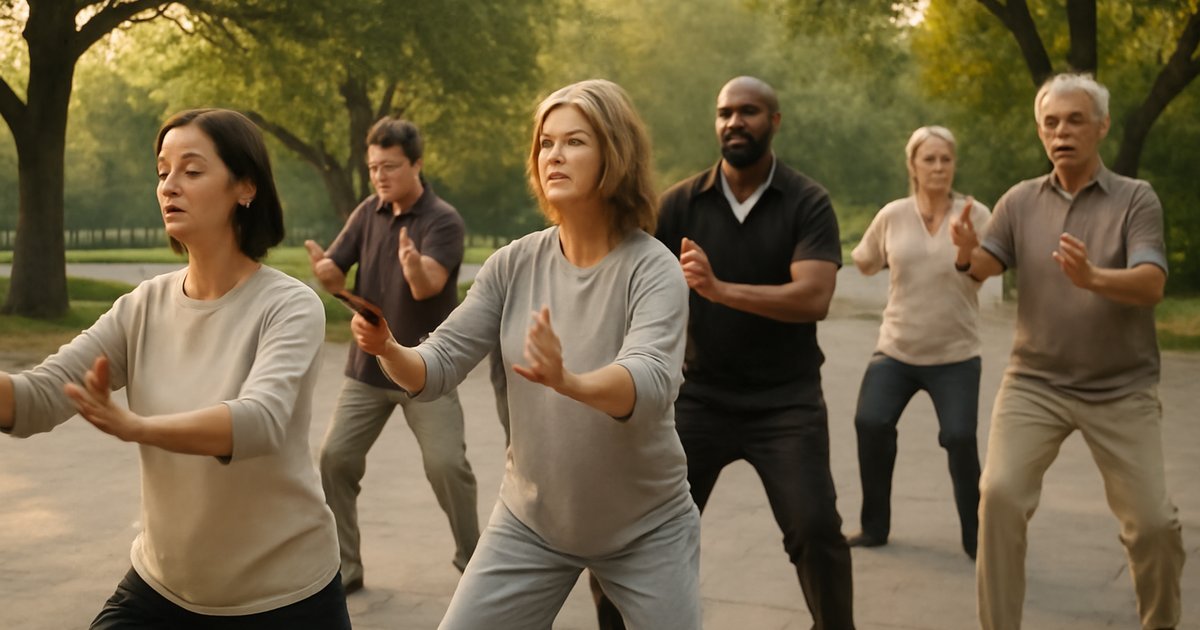
    Tai chi may look simple from the outside — a group of people moving slowly in a park. But the science behind those gentle movements is remarkably robust. For adults between 40 and 70, tai chi offers something rare: a single practice that simultaneously addresses balance, joint health, cardiovascular function, stress, sleep, and cognitive sharpness.

    You don’t need to be athletic, flexible, or pain-free to start. You just need to begin. Talk to your doctor about whether tai chi is appropriate for your specific health situation, find a qualified instructor near you, and commit to a few weeks of consistent practice.

    The research is clear. The risk is minimal. And for many adults, like Margaret, the results can be genuinely life-changing — one slow, deliberate step at a time.


    Medical Disclaimer: This article is for informational and educational purposes only. It does not constitute medical advice, diagnosis, or treatment. Always consult your physician or a qualified healthcare provider before making changes to your health routine or treatment plan.

    Medically reviewed by our editorial health team. Content follows evidence-based standards aligned with CDC and NIH guidelines.
  • Pilates After 40: Core Strength, Posture & Pain Relief

    Pilates After 40: Core Strength, Posture & Pain Relief

    How a century-old movement method is helping millions of Americans in their 40s, 50s, and 60s rebuild strength, fix posture, and finally get relief from chronic back pain.

    Why Pilates Deserves Your Attention After 40

    Mark, 54, had spent nearly a decade managing lower back pain with heating pads, ibuprofen, and wishful thinking. His orthopedist had cleared him for exercise but warned against anything high-impact. A physical therapist recommended Pilates. Within eight weeks, Mark was sleeping through the night for the first time in years.

    His story isn’t unusual. According to the National Institutes of Health, an estimated 80% of Americans will experience back pain at some point in their lives — and adults over 40 are disproportionately affected. Meanwhile, age-related muscle loss (known clinically as sarcopenia) begins as early as your mid-30s, accelerating joint instability and postural decline with every passing decade.

    Pilates — a structured, low-impact exercise system built around controlled movement, breathing, and core engagement — has emerged as one of the most evidence-supported fitness approaches for adults navigating these challenges. In this guide, you’ll learn exactly what Pilates is, what the research says about its benefits, how to get started safely after 40, and what to watch for if you have existing health conditions.

    What Is Pilates? A Clinical Overview

    Pilates is a system of exercises developed in the early 20th century by Joseph Pilates, originally designed to rehabilitate injured soldiers and dancers. Today it is practiced in two primary formats: mat Pilates, performed on the floor using only body weight, and reformer Pilates, which uses a spring-resistance apparatus to add load and variety.

    Unlike traditional strength training that often isolates individual muscle groups, Pilates emphasizes integrated movement — training the body to move as a coordinated system. Every exercise involves deliberate activation of the core musculature, which includes not just the abdominal muscles but the deep spinal stabilizers, pelvic floor muscles, and the muscles surrounding the hips and lower back.

    The six foundational Pilates principles are concentration, control, centering, flow, precision, and breath. These principles make Pilates as much a neuromuscular training method as a physical one — meaning your nervous system and muscles are both being trained simultaneously.

    According to the American College of Sports Medicine, Pilates qualifies as a muscular endurance and flexibility training modality and is appropriate for a wide range of fitness levels, including beginners and those with chronic musculoskeletal conditions.

    The Science-Backed Benefits of Pilates After 40

    Research into Pilates has expanded significantly over the past two decades, and the findings are particularly compelling for adults in midlife and beyond.

    Core Strength and Spinal Stability

    A 2015 meta-analysis published in the journal Medicine & Science in Sports & Exercise found that Pilates training significantly improved core muscle activation and lumbar stability compared to control groups. For adults over 40 — when intervertebral disc hydration decreases and spinal ligaments lose elasticity — this kind of deep stabilization work is clinically meaningful.

    Stronger core muscles take pressure off the vertebral joints, reducing the mechanical strain that contributes to chronic low back pain, disc herniation risk, and spinal compression.

    Posture Correction and Alignment

    Prolonged desk work, smartphone use, and the gradual weakening of postural muscles contribute to what clinicians call forward head posture and thoracic kyphosis — the hunched upper back increasingly common in middle-aged adults. The NIH reports that poor posture is associated with increased risk of neck pain, shoulder impingement, and even breathing restriction.

    Pilates systematically targets the muscles responsible for upright posture — particularly the deep cervical flexors, rhomboids, lower trapezius, and erector spinae. Clinical evidence suggests that 8 to 12 weeks of consistent Pilates practice can measurably improve spinal alignment and reduce postural pain.

    Balance and Fall Prevention

    The CDC reports that falls are the leading cause of injury-related death among adults aged 65 and older, and balance begins declining measurably in the late 40s. Pilates trains proprioception — your body’s awareness of its position in space — which is a key component of fall prevention.

    A study published in the Journal of Aging and Physical Activity found that older adults who completed a 12-week Pilates program showed significant improvements in static and dynamic balance compared to a control group. This makes Pilates a complementary strategy to explore alongside balance-specific training. If you’re already working on stability, you may also find our guide on Yoga for Fitness After 40 a useful companion resource.

    Chronic Pain Management

    Research published in the Journal of Orthopaedic & Sports Physical Therapy found that Pilates-based exercise was more effective than minimal intervention (such as general advice and walking) for reducing chronic low back pain and improving functional disability scores in adults. Most physicians now consider Pilates a first-line non-pharmacological option for back pain management when performed correctly.

    Flexibility and Joint Mobility

    Clinical evidence indicates that regular Pilates practice improves hamstring flexibility, hip joint range of motion, and thoracic spine mobility — all of which tend to decrease with age and contribute to stiffness and pain in daily movement.

    Signs You May Be Ready for Pilates (and When to Check First)

    You don’t need to be in peak physical condition to start Pilates. In fact, many people come to it because they’re deconditioned, in pain, or recovering from injury. That said, certain signs suggest Pilates may be especially beneficial for you right now:

    • Persistent low back or neck pain that isn’t explained by a serious structural cause
    • Noticeable loss of flexibility or stiffness when rising from a chair or bed
    • Poor posture that has worsened over recent years
    • A feeling of weakness or instability in your trunk or hips
    • Recent completion of physical therapy that you’d like to maintain
    • A desire for low-impact exercise that won’t stress arthritic joints

    Before you begin, consult your physician if you have: osteoporosis, a recent spinal surgery or fracture, severe herniated discs, advanced arthritis, or cardiovascular conditions that limit exertion. Your doctor may still clear you for Pilates with modifications — but this is a conversation worth having. Our overview of Exercise for Bone Health After 40 also covers important considerations for those with low bone density.

    Getting Started: Practical Guidance for Adults Over 40

    Starting Pilates after 40 looks different than starting at 25. Here’s how to do it intelligently.

    Choose the Right Format

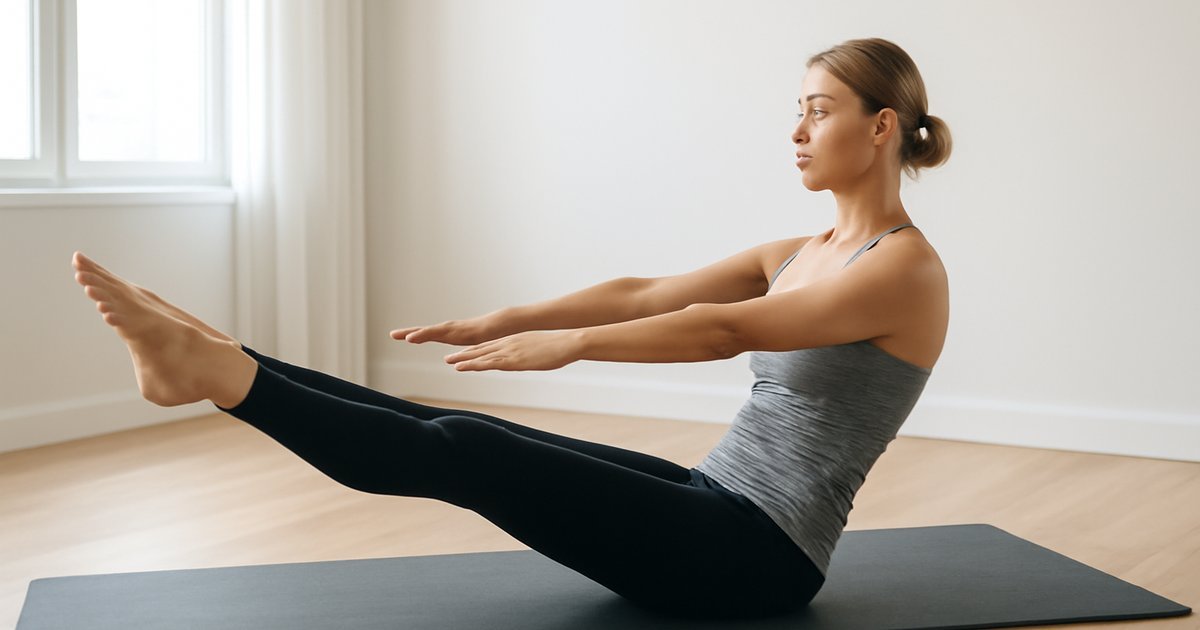
    Mat Pilates is the most accessible entry point — you can begin at home with a quality mat, a few instructional videos, or a community class. It requires no equipment and builds foundational body awareness.

    Reformer Pilates is typically offered at dedicated studios. The spring resistance system allows for highly controlled movement with varying levels of difficulty — making it excellent for rehabilitation contexts and for those who want more structured progression.

    If you have a specific injury or chronic condition, consider starting with a certified Pilates instructor who holds additional rehabilitation credentials, such as a physical therapist who integrates Pilates, or a PMA-certified instructor (Pilates Method Alliance) experienced in working with older adults.

    Sample Beginner Pilates Exercises for Adults Over 40

    These are commonly included in beginner programs and are generally well-tolerated by adults with mild back pain or stiffness. Always perform these on a non-slip mat in a quiet space, and stop immediately if you feel sharp or radiating pain.

    • The Hundred (modified): Lying on your back, knees bent and feet flat. Lift your head and shoulders off the mat while pumping your arms rhythmically as you inhale for five counts and exhale for five counts. This builds core endurance and deepens your breathing pattern. Beginners keep the knees bent rather than extending the legs.
    • Pelvic Curl: Lying on your back, feet flat on the mat. Slowly peel your spine off the mat one vertebra at a time until your hips are lifted. Pause, then roll down with equal control. This mobilizes the lumbar spine and activates the glutes and hamstrings.
    • Spine Stretch Forward: Seated upright with legs extended (or slightly bent). Exhale and reach forward, rounding the spine gently, then return to tall sitting. This stretches the posterior chain and reinforces upright posture.
    • Single Leg Stretch: Lying on your back, bring one knee to your chest while the other leg extends long. Switch legs in a controlled rhythm. This challenges core stability and hip flexor strength simultaneously.
    • Cat-Cow (Pilates variation): On hands and knees, alternate between arching and rounding the spine with deliberate breath coordination. This is one of the most therapeutic exercises available for lumbar stiffness and spinal mobility.

    How Often Should You Practice?

    Most clinical evidence and experienced instructors recommend two to three sessions per week for adults new to Pilates, with at least one rest day between sessions. Research suggests that noticeable improvements in core strength, posture, and pain levels typically emerge within six to twelve weeks of consistent practice.

    This varies from person to person based on starting fitness level, the presence of chronic conditions, and the quality of instruction received.

    Pilates and Common Conditions in Adults Over 40

    Arthritis

    The Arthritis Foundation recognizes low-impact exercise, including Pilates, as beneficial for managing joint pain and maintaining mobility in people with osteoarthritis and rheumatoid arthritis. The key is avoiding positions that compress painful joints — a qualified instructor can modify exercises accordingly.

    Osteoporosis

    Pilates can be performed safely with osteoporosis, but certain movements — specifically those involving spinal flexion (forward rounding) — should be avoided or modified to reduce vertebral fracture risk. Clinical guidelines from the National Osteoporosis Foundation recommend focusing on extension-based and standing exercises instead. Always discuss this with your physician before beginning.

    Chronic Low Back Pain

    This is arguably where Pilates has the strongest evidence base. The NIH’s National Center for Complementary and Integrative Health acknowledges Pilates-based exercise as a promising non-pharmacological intervention for chronic low back pain, particularly when combined with conventional medical care rather than used as a replacement for it.

    Postural Pain from Desk Work

    Adults who spend six or more hours per day seated — which describes a large proportion of working Americans over 40 — commonly develop tension in the hip flexors, weakness in the gluteal muscles, and forward head posture. Pilates directly addresses all three through targeted strengthening and mobility work.

    When to Call Your Doctor or Seek Emergency Care

    While Pilates is a low-risk activity for most adults, you should stop exercising immediately and seek medical attention if you experience:

    • Sharp, radiating pain down one or both legs during or after exercise
    • Sudden numbness, tingling, or weakness in the arms or legs
    • Chest pain, tightness, or shortness of breath during light exertion
    • Dizziness, loss of balance, or fainting during exercise
    • A sudden worsening of back pain following a new exercise
    • Loss of bladder or bowel control (this can indicate serious spinal nerve involvement)

    At your next routine appointment, consider telling your doctor: “I’ve started Pilates for core strength and back pain — are there specific movements I should avoid given my history?” This opens a productive conversation and ensures your exercise plan aligns with your overall care.

    Frequently Asked Questions About Pilates After 40

    Is Pilates enough exercise on its own, or do I need to add cardio?
    Pilates is excellent for strength, flexibility, and pain management, but it does not typically provide the cardiovascular challenge that guidelines from the American Heart Association recommend — at least 150 minutes of moderate-intensity aerobic activity per week. Think of Pilates as a powerful complement to cardio, not a complete replacement. Low-impact options like walking for fitness after 40 pair especially well with a regular Pilates practice.

    Can Pilates help with weight loss after 40?
    Pilates can support body composition changes by building lean muscle mass and improving metabolic efficiency, but research suggests it is less effective for caloric burn than aerobic exercise. Combined with a balanced diet and cardio training, it can meaningfully contribute to a healthy weight management plan.

    Is mat Pilates or reformer Pilates better for beginners?
    Both are appropriate for beginners. Mat Pilates is more accessible and affordable. Reformer Pilates provides more feedback through spring resistance and is often preferred in clinical rehabilitation settings. If cost or access is a factor, mat Pilates with quality instruction is a fully valid starting point.

    How long before I see results from Pilates?
    Most adults report noticeable improvements in posture and back pain within 6 to 12 weeks of consistent practice (two to three sessions per week). Strength and flexibility gains are typically measurable by the 8-week mark, though this varies from person to person.

    Can I do Pilates if I’ve had back surgery?
    This depends entirely on the type of surgery, how recently it was performed, and your surgeon’s clearance. Many post-surgical patients are referred to Pilates as part of their rehabilitation — but always get explicit approval from your surgeon or physical therapist before beginning, and work with an instructor who has experience in post-surgical recovery.

    Moving Forward: The Takeaway on Pilates After 40

    Pilates isn’t a trend. It’s a rigorously structured, evidence-supported movement practice that speaks directly to the physical challenges adults face in their 40s, 50s, and 60s — declining core strength, postural deterioration, chronic pain, and reduced balance.

    The research is clear: consistent, properly instructed Pilates can meaningfully reduce back pain, improve spinal alignment, enhance balance, and build the foundational strength that makes every other physical activity safer and easier. It works best as part of a complete fitness strategy that includes cardiovascular exercise, adequate rest, and appropriate nutrition.

    You don’t need to be flexible or fit to start. You just need a qualified instructor, medical clearance if you have existing conditions, and the willingness to be patient with a process that builds real, lasting results. Start slow, listen to your body, and let your doctor know you’ve begun.


    Medical Disclaimer: This article is for informational and educational purposes only. It does not constitute medical advice, diagnosis, or treatment. Always consult your physician or a qualified healthcare provider before making changes to your health routine or treatment plan.

    Medically reviewed by our editorial health team. Content follows evidence-based standards aligned with CDC and NIH guidelines.
  • Water Aerobics After 40: Benefits, Routines & Tips

    Water Aerobics After 40: Benefits, Routines & Tips

    Water Aerobics After 40: Benefits, Routines & Tips

    Low-impact, high-reward — aquatic exercise may be one of the most effective fitness tools available to adults over 40.

    Why Water Aerobics Deserves a Spot in Your Fitness Routine

    Margaret, 62, had been avoiding exercise for two years after a knee replacement. Her orthopedic surgeon cleared her for light activity, but every land-based workout left her joints aching. Then she tried water aerobics at her local YMCA — and within six weeks, she noticed something remarkable: stronger legs, less stiffness in the morning, and a mood she hadn’t felt in years.

    Margaret’s story isn’t unusual. According to the CDC, nearly 54 million Americans have been diagnosed with arthritis, and many more live with chronic joint pain, obesity-related strain, or post-injury limitations that make traditional exercise feel impossible. Water aerobics — also called aquatic exercise or aqua fitness — offers a compelling alternative.

    In this guide, you’ll learn exactly what water aerobics is, the science-backed benefits it offers adults over 40, how to get started safely, and what to watch for if you’re managing a health condition. Whether you’re a beginner or returning to fitness after a break, the pool may be the most doctor-friendly gym in town.

    What Is Water Aerobics?

    Water aerobics is a form of aerobic exercise performed in a swimming pool, typically in chest- or waist-deep water. Unlike lap swimming, most water aerobics routines don’t require you to put your face underwater or know how to swim at an advanced level.

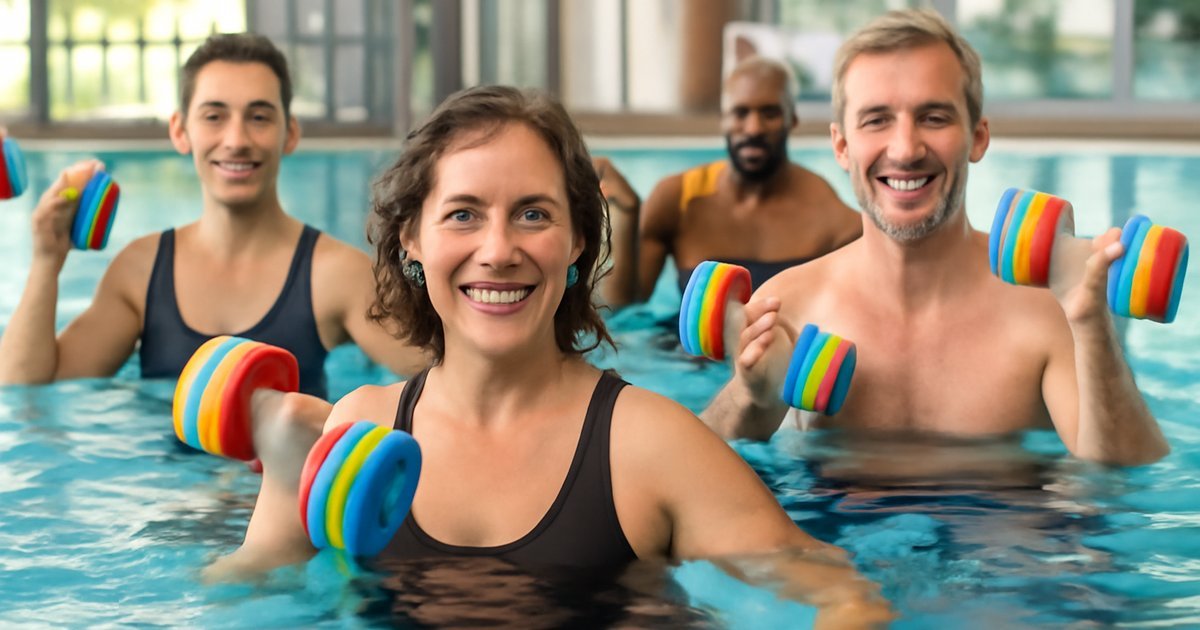
    Classes and home routines typically involve rhythmic movements — walking, jogging, jumping jacks, leg lifts, arm curls — performed against water resistance. Some routines use foam dumbbells, resistance gloves, or kickboards to add intensity.

    Water provides natural resistance in all directions, which means your muscles work harder without the impact forces your joints absorb during land-based exercise. According to research published by the American College of Sports Medicine, the buoyancy of water reduces effective body weight by up to 90% when submerged to the neck — dramatically decreasing joint stress while preserving muscular challenge.

    This combination makes water aerobics particularly well-suited for adults over 40 who are managing joint conditions, recovering from injury, carrying extra weight, or simply looking for a sustainable long-term fitness option.

    Signs That Water Aerobics Might Be Right for You

    Not everyone needs a special reason to try aquatic fitness — but certain situations make it an especially strong match. Consider water aerobics if you experience or identify with any of the following:

    Early signs that land-based exercise isn’t working well for you:

    • Knee, hip, or ankle pain during walking, jogging, or gym workouts
    • Morning stiffness that worsens after high-impact activity
    • Swelling in joints after exercise
    • Fear of falling or balance concerns on land
    • Recovering from orthopedic surgery or injury
    • Difficulty sustaining cardio workouts due to joint discomfort

    Health conditions commonly linked to aquatic exercise benefits:

    • Osteoarthritis and rheumatoid arthritis
    • Obesity or metabolic syndrome
    • Fibromyalgia
    • Type 2 diabetes
    • Hypertension (high blood pressure)
    • Chronic low back pain
    • Post-cardiac rehabilitation (with physician approval)

    A study published in the Journal of Aging and Physical Activity found that older adults who participated in aquatic exercise programs reported significantly greater adherence rates compared to land-based programs — suggesting that people actually stick with it, which is the most important fitness variable of all.

    Causes and Risk Factors That Make Land Exercise Difficult After 40

    Understanding why exercise becomes harder after 40 helps explain why water aerobics is such a strong fit for this life stage. Several physiological shifts occur that change how your body tolerates and recovers from physical stress.

    Joint degeneration: Cartilage — the cushioning tissue inside joints — naturally thins with age. The CDC estimates that osteoarthritis affects more than 32 million US adults, making it the most common form of arthritis. High-impact exercise can accelerate discomfort in already-compromised joints.

    Muscle mass decline: After age 40, adults lose roughly 3–8% of muscle mass per decade in a process called sarcopenia. This loss is accelerated if physical activity decreases, creating a cycle that makes land-based workouts feel more taxing.

    Bone density changes: Estrogen decline in women (particularly around menopause) and gradual testosterone shifts in men contribute to reduced bone density, increasing injury risk during high-impact activity.

    Balance and coordination shifts: Proprioception — your body’s ability to sense its own position — diminishes with age, raising fall risk during weight-bearing exercise. Water provides a naturally stabilizing environment that reduces this risk.

    Cardiovascular deconditioning: A sedentary period (from injury, illness, or life demands) can reduce cardiovascular fitness significantly. Water aerobics allows gradual reconditioning without the intensity spikes that could strain an undertrained heart or lungs.

    These factors combine to make land exercise harder and more injury-prone — not because you’re less capable, but because your body’s recovery and structural needs have changed. Water aerobics meets those needs directly.

    Getting a Diagnosis or Clearance Before Starting

    Most healthy adults can begin a gentle water aerobics program without a physician visit — but if you have an existing health condition, it’s worth a quick conversation with your doctor first. Here’s what to expect and what to ask:

    Who should check with a doctor before starting:

    • Anyone with cardiovascular disease, recent heart attack, or uncontrolled hypertension
    • People recovering from surgery in the past 6 months
    • Those with open wounds or skin infections (pool chemicals can worsen these)
    • Individuals with severe asthma triggered by chlorine or humidity
    • Adults with inner ear disorders that affect balance in water

    What your doctor may assess: Resting heart rate, blood pressure, joint range of motion, and overall cardiovascular clearance. For those post-surgery, your orthopedic or physical therapist may provide specific water exercise guidelines.

    According to Mayo Clinic, aquatic exercise is widely recommended as part of rehabilitation programs for orthopedic and cardiovascular conditions — but individual clearance ensures you’re starting at the right intensity for your current health status.

    At your appointment, ask: “Is there any reason I shouldn’t begin a low-intensity water aerobics class? Are there movements I should avoid given my current condition?”

    Treatment Options: How Water Aerobics Fits Into Your Overall Health Plan

    Water aerobics isn’t a replacement for medical treatment — but clinical evidence suggests it complements many conventional therapies meaningfully. Here’s how it integrates across common health conditions:

    For arthritis management: A Cochrane systematic review found that aquatic exercise produced small but clinically meaningful improvements in pain and physical function in people with hip and knee osteoarthritis. It’s widely used as a complement to anti-inflammatory medications and physical therapy.

    For cardiovascular health: Research published in the Journal of Human Hypertension found that regular aquatic exercise significantly reduced both systolic and diastolic blood pressure in hypertensive adults. The American Heart Association recognizes moderate-intensity aerobic exercise — including water aerobics — as part of standard heart health recommendations.

    For blood sugar management: The American Diabetes Association supports aerobic exercise as a cornerstone of Type 2 diabetes management. Aquatic workouts have been shown to improve insulin sensitivity and glycemic control in adults with diabetes, comparable to land-based aerobic programs of similar intensity.

    For fibromyalgia: Clinical evidence, including a meta-analysis in the Archives of Physical Medicine and Rehabilitation, indicates that warm-water aquatic exercise is one of the most effective non-pharmacological interventions for fibromyalgia — reducing pain, fatigue, and depression scores.

    For mental health: Exercise in general reduces cortisol (the stress hormone) and increases endorphins. The social nature of group water aerobics classes adds an additional layer — research from Johns Hopkins suggests that socially connected exercise environments improve long-term adherence and reduce depressive symptoms in older adults.

    If you’re taking medications for any of these conditions, discuss with your physician how adding exercise may affect your needs — some individuals find that consistent exercise allows for medication adjustments over time, always under medical supervision.

    Living Well With Water Aerobics: Routines, Tips & What to Expect

    Starting water aerobics doesn’t require fancy gear or advanced swimming ability. Here’s a practical framework for getting started and staying consistent.

    Finding a class or starting solo: Most YMCAs, community recreation centers, and fitness clubs offer water aerobics classes. Look for beginner or “silver” classes specifically designed for older adults. If you prefer solo workouts, many facilities have open lap swim times during which you can follow a guided routine.

    A beginner-friendly 30-minute routine:

    • Warm-up (5 minutes): Walk back and forth across the pool, swing arms gently, circle shoulders
    • Cardio block (15 minutes): Alternating water jogging in place, jumping jacks (modified — feet touch bottom), cross-country ski motion, and side shuffles
    • Strength block (7 minutes): Arm curls with foam dumbbells, leg kicks forward and back, water push-and-pull with cupped hands
    • Cool-down (3 minutes): Slow walking, gentle neck and shoulder stretches at the pool edge

    Frequency recommendation: Most clinical guidelines recommend 150 minutes of moderate-intensity aerobic activity per week for adults. For water aerobics, this translates to approximately 3–5 sessions of 30–50 minutes each. Start with 2–3 sessions weekly and progress gradually.

    Gear that helps:

    • Water shoes for grip and foot protection
    • Foam dumbbells for resistance variation
    • A waterproof heart rate monitor to track intensity
    • A kickboard for lower body isolation exercises

    Tracking intensity without a heart rate monitor: Use the "talk test." At moderate intensity, you should be able to speak in short sentences but not sing. If you can hold a full conversation without effort, increase your pace or add resistance equipment. If you can’t speak at all, slow down.

    For a complementary land-based strength option, consider pairing water aerobics with resistance band training after 40, which offers similarly joint-friendly strength work. And if you’re interested in expanding your cardio options, cycling for fitness after 40 is another low-impact option worth exploring.

    What to expect in the first 4–8 weeks: Most adults report reduced joint stiffness, improved energy levels, and better sleep within the first month. Visible muscular changes and cardiovascular improvements typically emerge between weeks 6–12 with consistent effort. This varies from person to person based on starting fitness level, frequency, and individual health status.

    When to Call Your Doctor or Seek Emergency Care

    Water aerobics is among the safest exercise modalities available — but it’s still physical exertion, and certain symptoms warrant attention.

    Stop exercising and call 911 if you experience:

    • Chest pain, pressure, or tightness during or after exercise
    • Sudden shortness of breath not explained by exertion level
    • Dizziness, fainting, or near-fainting in the water
    • Sudden severe joint pain (not routine muscle soreness)
    • Heart palpitations that feel rapid, irregular, or alarming

    Contact your doctor (non-emergency) if you notice:

    • Joint swelling that persists more than 24 hours after exercise
    • Skin rash or irritation that may indicate pool chemical sensitivity
    • Ear pain or infection after repeated pool use (swimmer’s ear)
    • Unusual fatigue or weakness that doesn’t improve with rest
    • Blood sugar readings that are consistently unusual after workouts (for those managing diabetes)

    At your next routine appointment, consider telling your doctor: "I’ve started a water aerobics program 3 times a week. I’d like to discuss whether my current medications or monitoring routines need any adjustment."

    Frequently Asked Questions About Water Aerobics After 40

    Is water aerobics enough exercise on its own, or do I need to add other workouts?

    Water aerobics can absolutely serve as your primary form of exercise, especially if you’re managing joint conditions or returning to fitness after a break. However, if your goal includes significant muscle building or bone density improvement, clinical evidence suggests complementing aquatic workouts with some weight-bearing or resistance-based activity on land. Your specific needs should guide this — your physician or a certified personal trainer can help you design a balanced program.

    Do I need to know how to swim to do water aerobics?

    No. Most water aerobics exercises are performed in chest- or waist-deep water, with your feet on the pool floor. You don’t need to submerge your head or perform swimming strokes. Many participants who are not confident swimmers participate safely in group classes.

    Can water aerobics help with weight loss?

    Research suggests yes — as a calorie-burning aerobic activity. A 155-pound person burns approximately 400–500 calories per hour of vigorous water aerobics, according to estimates from the Harvard Medical School. However, like all exercise, it works best for weight management when paired with appropriate nutritional habits. No exercise alone guarantees weight loss; individual results vary based on intensity, frequency, diet, and metabolic factors.

    Is warm water better than cool water for arthritis or fibromyalgia?

    Clinical evidence suggests warm water (between 83–90°F) tends to provide greater pain relief and muscle relaxation for people with arthritis and fibromyalgia compared to cooler temperatures. Many therapeutic pools and aquatic therapy facilities maintain water at these temperatures. Community lap pools may be cooler, which is typically fine for healthy adults but less ideal for those with these specific conditions.

    How is water aerobics different from aquatic physical therapy?

    Aquatic physical therapy (also called hydrotherapy) is a medically supervised intervention provided by a licensed physical therapist, usually following injury or surgery. It involves individualized exercises targeting specific rehabilitation goals. Water aerobics is a fitness activity — generally less individualized and not medically supervised. If you’re post-surgery or managing a serious orthopedic condition, ask your physician whether aquatic physical therapy is appropriate before transitioning to general water aerobics classes.

    Conclusion: The Pool as Your Most Sustainable Fitness Partner After 40

    Water aerobics isn’t just for seniors recovering from surgery — it’s a legitimate, evidence-backed fitness tool that challenges your cardiovascular system, strengthens your muscles, and protects your joints simultaneously. For adults over 40 navigating the real physical demands of aging bodies, that combination is rare and valuable.

    The research consistently shows that people stick with water aerobics longer than many land-based alternatives — and consistency is what actually produces results over months and years. Whether you join a group class, follow a solo pool routine, or combine aquatic exercise with walking for fitness after 40, the key is finding an approach that feels sustainable for your body and your life.

    Start with two sessions a week, listen to your body, and involve your healthcare provider as a partner in the process. The pool is waiting — and your joints will thank you.


    Medical Disclaimer: This article is for informational and educational purposes only. It does not constitute medical advice, diagnosis, or treatment. Always consult your physician or a qualified healthcare provider before making changes to your health routine or treatment plan.

    Medically reviewed by our editorial health team. Content follows evidence-based standards aligned with CDC and NIH guidelines.

  • Yoga for Fitness After 40: Strength, Flexibility & Calm

    Yoga for Fitness After 40: Strength, Flexibility & Calm

    Yoga isn’t just stretching — for adults over 40, it’s one of the most complete fitness tools available, backed by growing clinical evidence.

    Why Adults Over 40 Are Turning to Yoga — and the Science Behind It

    Consider Michael, a 54-year-old accountant who spent years behind a desk, managing lower back pain and climbing stress levels. His doctor suggested he try yoga as part of a broader wellness plan. Within three months, Michael reported less pain, better sleep, and — surprisingly to him — noticeably more muscle tone.

    His experience isn’t unusual. According to the CDC’s National Health Interview Survey, yoga is now one of the top five most commonly used complementary health approaches among US adults, with participation increasing sharply among people aged 45 to 64 over the past decade.

    For adults in the 30-to-70 age range, yoga offers something that few other fitness disciplines can: a simultaneous focus on strength, flexibility, balance, breathing, and mental health — all in a single session. And unlike high-impact exercise, yoga is remarkably kind to aging joints.

    In this guide, you’ll learn what yoga actually does to your body after 40, which styles are most effective for your goals, how to start safely, and what the research says about its real health benefits. Whether you’ve never set foot on a mat or you’re returning after years away, this is your evidence-based starting point.

    What Is Yoga, Exactly? A Clinical Perspective

    Yoga is a mind-body practice that originated in ancient India and has evolved into dozens of modern styles practiced worldwide. In clinical terms, yoga combines physical postures (asanas), controlled breathing (pranayama), and focused awareness or meditation into structured sessions.

    From a physiological standpoint, yoga engages your musculoskeletal, cardiovascular, nervous, and endocrine systems simultaneously. This makes it genuinely different from isolated fitness activities like weightlifting or jogging, which tend to target fewer systems at once.

    In the United States, the most commonly practiced styles include:

    • Hatha yoga — gentle, foundational postures; ideal for beginners
    • Vinyasa yoga — flowing sequences linked to breath; moderate intensity
    • Iyengar yoga — precision alignment with props; excellent for people with injuries
    • Restorative yoga — deeply passive, supported poses; focused on recovery and stress relief
    • Power yoga — vigorous, fitness-oriented; higher intensity
    • Yin yoga — long-held passive poses targeting connective tissue; great for flexibility

    According to the NIH National Center for Complementary and Integrative Health (NCCIH), approximately 36 million Americans practice yoga, and research on its health benefits has expanded dramatically since 2010, with hundreds of peer-reviewed studies now available.

    Physical Benefits of Yoga After 40: What the Research Shows

    After 40, the body undergoes measurable physiological changes: muscle mass begins to decline at a rate of roughly 3 to 8 percent per decade (a process called sarcopenia), joint cartilage thins, and connective tissue loses elasticity. Yoga addresses several of these changes directly.

    Strength Building

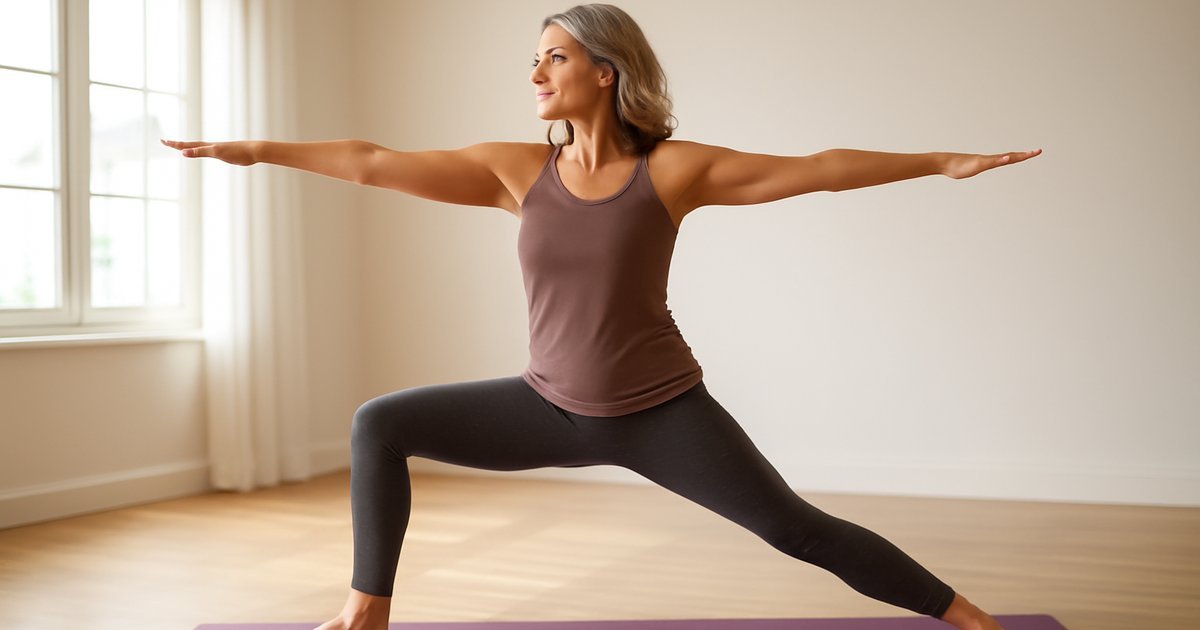
    Many people are surprised to learn that yoga is genuinely effective for building muscular strength. Poses like Warrior II, Chaturanga, Boat Pose, and Chair Pose require you to support your own body weight — a form of resistance training. A 2015 study published in the Journal of Strength and Conditioning Research found that 12 weeks of yoga training significantly improved upper body, lower body, and core strength in previously sedentary adults.

    Flexibility and Mobility

    Clinical evidence consistently shows yoga improves hamstring flexibility, spinal mobility, and hip range of motion — all areas that commonly tighten after 40. A meta-analysis published in the International Journal of Yoga found meaningful improvements in flexibility after just 8 weeks of regular practice.

    Balance and Fall Prevention

    This one matters enormously for adults over 40. The CDC reports that falls are the leading cause of injury among adults over 65, and declining balance is a key contributor. Yoga poses that challenge single-leg stability — like Tree Pose and Warrior III — directly train the proprioceptive system (your body’s sense of its own position in space). Research from the American Journal of Preventive Medicine found that yoga participation was associated with significantly reduced fall risk in older adults.

    Bone Health

    Weight-bearing yoga poses stimulate bone density maintenance. A landmark pilot study conducted at Columbia University found that a specific sequence of 12 yoga poses practiced daily improved bone density in the spine and femur among participants with osteoporosis and osteopenia after two years.

    Cardiovascular Health

    Research suggests yoga can modestly reduce blood pressure, resting heart rate, and LDL cholesterol. A 2019 meta-analysis in the European Journal of Preventive Cardiology involving over 3,000 participants found that yoga was associated with meaningful reductions in systolic blood pressure — comparable in some cases to moderate aerobic exercise.

    Mental Health and Stress Benefits: More Than Relaxation

    The mental health benefits of yoga are among its most clinically documented advantages — and for adults over 40 navigating work pressure, family demands, and the stress of managing health conditions, this matters deeply.

    Yoga activates the parasympathetic nervous system — the branch responsible for the "rest and digest" response — and reduces activity in the hypothalamic-pituitary-adrenal (HPA) axis, which drives the stress hormone cortisol. Research from Harvard Medical School confirms that regular yoga practice measurably reduces cortisol levels and self-reported stress in adults.

    A 2017 systematic review in the journal Frontiers in Human Neuroscience found that yoga produced structural changes in the brain regions associated with attention, self-awareness, and emotional regulation — including the hippocampus and prefrontal cortex.

    Clinically observed mental health benefits of regular yoga practice include:

    • Reduced symptoms of generalized anxiety disorder
    • Improved mood and reduced depressive symptoms
    • Better sleep quality and duration
    • Improved concentration and cognitive clarity
    • Greater emotional resilience under stress

    This varies from person to person, and yoga should not replace prescribed mental health treatment. However, most clinicians now view it as a valuable complementary approach alongside conventional care.

    Getting Started Safely After 40: What Your Doctor Wants You to Know

    Starting yoga after 40 requires a slightly more thoughtful approach than simply showing up to any class. Here’s how to begin safely and set yourself up for lasting results.

    Get Cleared First

    If you have existing conditions — osteoporosis, recent surgery, herniated discs, uncontrolled hypertension, or severe arthritis — consult your physician before beginning. Certain poses may need to be modified or avoided.

    Choose the Right Style for Your Starting Point

    • Complete beginner: Start with Hatha or gentle yoga — slower pace, foundational poses, more instruction
    • Moderate fitness level: Vinyasa or Iyengar yoga — more dynamic but still accessible
    • Managing joint pain or recovering from injury: Restorative or Iyengar with props — highly modifiable
    • Already active, looking for intensity: Power yoga or Baptiste yoga — genuine cardiovascular challenge

    Essential Starting Tips

    • Begin with two to three sessions per week, 30 to 45 minutes each
    • Use props freely — blocks, straps, and bolsters are not signs of weakness; they’re tools for safety and precision
    • Inform your instructor of any injuries or limitations before class
    • Avoid competitive comparisons with other students; yoga is a personal practice
    • Warm up briefly before vigorous styles — a 5-minute walk or gentle movement helps
    • Hydrate before and after class; avoid heavy meals within two hours of practice

    If group classes feel intimidating, consider starting with guided video sessions at home. For a well-rounded fitness plan that complements yoga, you may also find value in exploring Resistance Band Training After 40 for additional strength work, or Walking for Fitness After 40 as a complementary low-impact cardio option.

    A Sample Weekly Yoga Schedule for Adults Over 40

    Consistency matters more than intensity. Clinical research suggests that practicing yoga three to five times per week produces the most significant improvements in strength, flexibility, and stress markers. Here’s a practical starting framework:

    • Monday: 40-minute Hatha or Vinyasa session (strength and flexibility focus)
    • Tuesday: Rest or light walking
    • Wednesday: 30-minute Yin yoga (connective tissue, deep flexibility)
    • Thursday: 40-minute Vinyasa or Power yoga (cardiovascular and strength)
    • Friday: Rest or stretching
    • Saturday: 45-minute full practice — combine strength poses and relaxation
    • Sunday: 20-minute Restorative yoga or guided meditation

    This schedule is a general guide. Adjust based on your energy levels, other exercise commitments, and how your body responds. If you’re already engaged in other fitness activities — like those covered in our Core Strength Training After 40 guide — yoga integrates seamlessly as both a complement and recovery tool.

    Yoga for Specific Health Conditions Common After 40

    One of yoga’s most remarkable attributes is its adaptability. Clinical evidence supports its use as a complementary intervention for several conditions common in adults over 40:

    Chronic Low Back Pain

    The American College of Physicians now includes yoga among its first-line recommendations for managing chronic low back pain. Multiple randomized controlled trials confirm yoga reduces pain intensity and improves functional ability in people with chronic back conditions.

    Type 2 Diabetes

    Research published in the Journal of Diabetes Research suggests yoga may help improve insulin sensitivity and glycemic control when used alongside conventional treatment. The stress-reduction effects of yoga also matter here, since chronic stress contributes to elevated blood glucose.

    Hypertension

    As noted above, yoga’s blood pressure-lowering effects are among its best-documented cardiovascular benefits. The American Heart Association acknowledges yoga’s potential role in a comprehensive heart health plan.

    Arthritis

    The Arthritis Foundation specifically recommends yoga as a safe and beneficial activity for people with osteoarthritis and rheumatoid arthritis. Gentle yoga styles reduce joint stiffness and improve range of motion without the wear associated with high-impact exercise.

    Menopause and Perimenopause

    Several studies, including research from the North American Menopause Society, indicate that yoga helps reduce the frequency and severity of hot flashes, improves sleep quality, and reduces mood disturbances during perimenopause and menopause.

    When to Call Your Doctor: Red Flags to Watch For

    Yoga is generally very safe for adults over 40, but there are specific warning signs that should prompt you to stop and seek medical guidance immediately:

    • Chest pain or pressure during or after yoga — seek emergency care immediately
    • Sudden, severe joint pain that worsens during practice — stop and rest; consult your physician
    • Numbness or tingling in arms or legs during poses — may indicate nerve compression; consult your doctor
    • Dizziness, lightheadedness, or fainting — especially during inversion poses; stop and notify your physician
    • Sharp neck or back pain that doesn’t resolve with rest — avoid further practice and seek evaluation
    • Unusual shortness of breath not proportional to exertion level

    At your next routine appointment, mention to your doctor that you’re practicing yoga. Share the styles you’re doing, how often, and any physical sensations you notice. This helps your care team give you better-informed guidance on modifications if needed.

    Frequently Asked Questions About Yoga After 40

    Is yoga enough exercise on its own, or do I need to add other workouts?

    For most adults, vigorous yoga styles like Power or Vinyasa can fulfill a significant portion of physical activity recommendations. However, the CDC recommends at least 150 minutes of moderate-intensity activity and two days of muscle-strengthening exercise per week. Yoga can count toward both, but complementing it with walking, cycling, or resistance training ensures a more complete fitness profile. See our guide on Home Gym Workouts After 40 for ideas.

    Will yoga help me lose weight?

    Yoga can support weight management by building lean muscle, improving mindful eating habits, and reducing stress-driven eating. However, it generally burns fewer calories than vigorous cardio. Clinical evidence suggests yoga is most effective for weight management when combined with dietary changes and other aerobic activity.

    I’m not flexible at all. Is yoga still for me?

    Absolutely — and this is one of the most common misconceptions about yoga. You do not need to be flexible to begin. Flexibility is an outcome of yoga practice, not a prerequisite. Beginners of all fitness levels and body types start yoga successfully every day. Props and modifications make every pose accessible.

    How quickly will I see results?

    This varies from person to person, but most practitioners report noticeable improvements in flexibility and stress levels within two to four weeks of consistent practice (three or more times per week). Strength improvements typically become apparent within six to twelve weeks. Long-term structural benefits, including bone health improvements, require months to years of consistent practice.

    Is hot yoga safe after 40?

    Hot yoga — practiced in rooms heated to 95-105°F — carries additional cardiovascular demands and dehydration risks that are particularly relevant for adults over 40. If you have hypertension, heart disease, or circulatory issues, consult your physician before trying hot yoga. Stay well-hydrated and listen carefully to your body during these sessions.

    Conclusion: Yoga Is One of the Smartest Fitness Investments You Can Make After 40

    Yoga occupies a unique space in the fitness world — it’s simultaneously a strength practice, a flexibility tool, a balance trainer, and a powerful stress management system. For adults navigating the physical and emotional demands of life after 40, that combination is remarkably valuable.

    The clinical evidence is clear: regular yoga practice improves strength, reduces fall risk, lowers blood pressure, reduces chronic pain, and meaningfully supports mental health. And unlike many fitness trends, yoga is infinitely scalable — you can practice it gently into your 70s and beyond.

    Start where you are. Find a style that matches your current fitness level. Be consistent, be patient, and work with your healthcare provider to make yoga a safe, lasting part of your wellness plan. The mat is ready when you are.


    Medical Disclaimer: This article is for informational and educational purposes only. It does not constitute medical advice, diagnosis, or treatment. Always consult your physician or a qualified healthcare provider before making changes to your health routine or treatment plan.

    Medically reviewed by our editorial health team. Content follows evidence-based standards aligned with CDC and NIH guidelines.
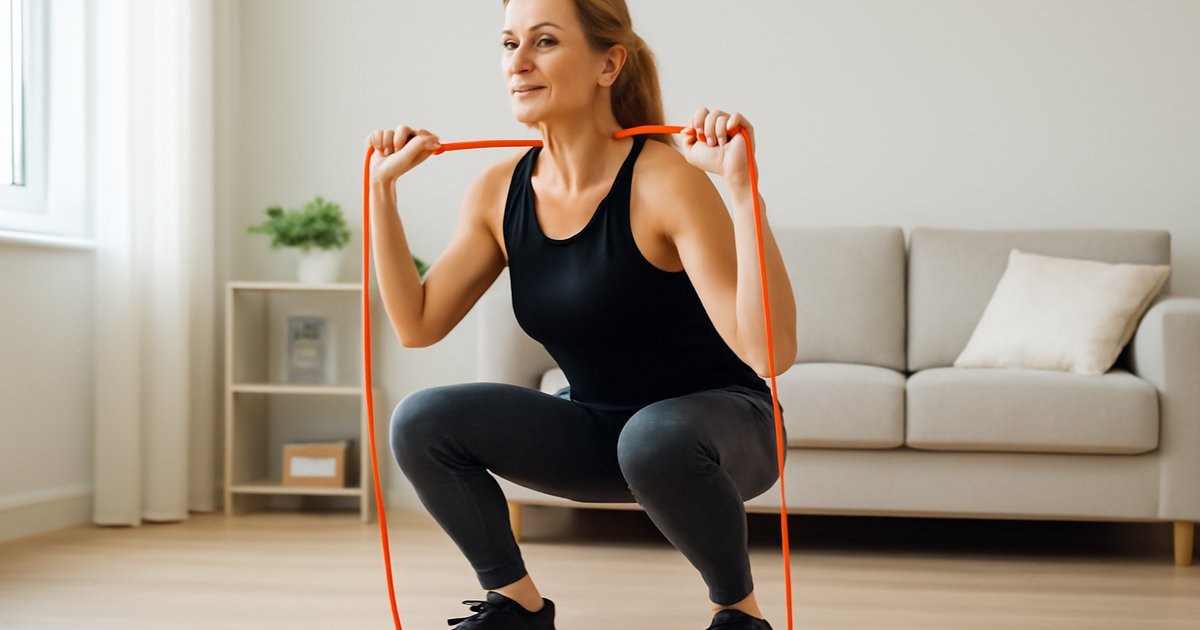
  • Cycling for Fitness After 40: Benefits, Tips & Plans

    Cycling for Fitness After 40: Benefits, Tips & Plans

    Your joints may not love high-impact exercise anymore — but your cardiovascular system still needs a serious workout.

    Mark, 54, had been a runner for two decades. Then one morning his knees simply said no. Persistent pain forced him to stop, and within six months he had gained weight, lost energy, and felt more anxious than ever. His doctor suggested cycling. Within eight weeks of riding three times a week, Mark had dropped 12 pounds, lowered his resting heart rate, and was sleeping better than he had in years.

    His story is not unusual. According to the CDC, fewer than 25% of American adults meet the national guidelines for both aerobic and muscle-strengthening activity — and the numbers drop sharply after age 40. The reasons are familiar: joint pain, busy schedules, physical limitations, and the feeling that the workouts that once worked no longer feel safe.

    Cycling — whether outdoors or on a stationary bike — offers a powerful solution. It delivers meaningful cardiovascular, metabolic, and musculoskeletal benefits with significantly lower impact on your joints than running or other high-intensity activities. In this guide, you will learn exactly how cycling supports your health after 40, how to start safely, and how to build a sustainable routine that gets real results.

    What Is Cycling as a Fitness Activity?

    Cycling is a rhythmic, low-to-moderate impact aerobic exercise that engages the major muscle groups of the lower body — quadriceps, hamstrings, glutes, and calves — while also activating the core and, to a lesser extent, the upper body for balance and posture.

    It is classified as a non-weight-bearing exercise, meaning your body weight is supported by the seat rather than your legs, which dramatically reduces the mechanical stress placed on your knees, hips, and ankles. This makes it one of the most joint-friendly cardio options available for adults over 40.

    The American Heart Association recognizes cycling as an effective form of moderate-intensity aerobic exercise and includes it among the activities that contribute to the recommended 150 minutes of moderate aerobic activity per week for adults. Research published through the NIH confirms that regular cycling is associated with reduced risk of cardiovascular disease, type 2 diabetes, obesity, and even certain cancers.

    Cycling comes in several forms:

    • Road cycling: Outdoor riding on paved surfaces; excellent scenery and variable terrain
    • Mountain biking: Off-road trails; higher intensity and balance demands
    • Stationary or indoor cycling: Year-round accessibility, no traffic risk, controllable resistance
    • Spin classes: Group-based indoor cycling with instructor guidance and music
    • Recumbent cycling: Seated in a reclined position; ideal for those with back or hip issues

    Regardless of which format you choose, the health benefits are substantive and well-supported by clinical evidence.

    Signs Your Body Is Ready for Cycling — and Signs to Check First

    Cycling is broadly safe for most adults, but it is important to recognize when your body is signaling readiness versus when you should consult a physician before starting.

    Signs you are likely ready to begin:

    • You can walk for 30 minutes without significant discomfort
    • You have no recent unresolved cardiovascular events
    • Your blood pressure is managed, even if on medication
    • You have basic balance adequate for stationary riding or outdoor riding with support
    • Your physician has cleared you for moderate aerobic activity

    Signs to discuss with your doctor first:

    • Chest pain or shortness of breath during light activity
    • Uncontrolled hypertension (blood pressure consistently above 160/100 mmHg)
    • Severe osteoporosis or recent fractures
    • Active knee or hip replacement recovery
    • Peripheral artery disease or significant leg cramping during walking

    A 2023 review published in the Journal of Aging and Physical Activity found that supervised cycling programs were safe and beneficial for adults over 50, including those with mild to moderate cardiovascular risk factors, when initiated at low intensity and progressed gradually.

    Causes of Fitness Decline After 40 — and How Cycling Helps

    Understanding why fitness changes after 40 helps explain why cycling is such an effective countermeasure.

    Muscle loss (sarcopenia): After age 40, adults lose approximately 1% of muscle mass per year without resistance training. Cycling builds and preserves leg muscle, particularly when you ride at higher resistance or tackle inclines.

    Slowing metabolism: Basal metabolic rate declines with age due partly to hormonal shifts and partly to the muscle loss described above. Regular cycling burns significant calories — typically 400 to 600 calories per hour at moderate intensity — helping to offset this metabolic slowdown.

    Joint degeneration: Osteoarthritis affects more than 32 million Americans, according to the CDC, and becomes increasingly prevalent after 45. Unlike running, cycling moves the joint through its range of motion without excessive loading, which clinical evidence suggests may actually support cartilage health over time.

    Cardiovascular risk increase: The American Heart Association reports that cardiovascular disease risk climbs sharply in middle age. Cycling is one of the most efficient ways to improve VO2 max (a measure of cardiovascular fitness), lower resting heart rate, and reduce arterial stiffness.

    Mental health challenges: Depression and anxiety affect an estimated 16 million American adults, with rates increasing among those managing chronic illness. Clinical trials consistently show that regular aerobic exercise, including cycling, produces measurable improvements in mood, anxiety scores, and stress resilience through mechanisms involving endorphins, cortisol regulation, and neuroplasticity.

    If you are also managing weight alongside your fitness goals, our guide on exercise for weight management after 40 offers a thorough complementary framework.

    Diagnosis: Understanding Your Starting Fitness Baseline

    Before beginning a cycling routine, a brief self-assessment — ideally guided by your healthcare provider — helps you start at the right level and track meaningful progress.

    What your doctor may evaluate:

    • Resting heart rate: A healthy resting heart rate for adults is generally 60 to 100 beats per minute. Athletes often run lower. This gives you a cardiovascular baseline.
    • Blood pressure: Exercise intensity should be calibrated to your blood pressure status.
    • HbA1c and fasting glucose: If you have diabetes or prediabetes, knowing your metabolic baseline helps track how exercise improves insulin sensitivity.
    • Joint assessment: A physical therapist can identify movement restrictions or imbalances that affect bike fit and technique.
    • Body composition: Knowing your current weight, BMI, and muscle-to-fat ratio gives you a starting benchmark.

    Self-assessment tools:

    • The Talk Test: At moderate intensity, you should be able to speak in short sentences but not hold a full conversation comfortably
    • Perceived Exertion Scale (Borg Scale): Aim for a 12-14 out of 20 during moderate-intensity rides
    • Heart Rate Zones: Most fitness experts recommend targeting 50-70% of your maximum heart rate (roughly 220 minus your age) for moderate aerobic benefit

    Treatment Options: Building a Cycling Fitness Plan After 40

    A well-structured cycling plan after 40 balances cardiovascular conditioning, muscle engagement, and adequate recovery. Here is how clinical exercise science and sports medicine physicians typically recommend approaching it.

    Phase 1 — Foundation (Weeks 1-4):

    Start with 20-30 minute rides at low to moderate resistance, three times per week. Focus on smooth pedaling technique (a cadence of 80-90 RPM is widely recommended) and proper posture. Avoid the tendency to push too hard too soon — the leading cause of early burnout and overuse injury.

    Phase 2 — Building (Weeks 5-10):

    Increase session duration to 40-50 minutes. Introduce one slightly more challenging ride per week — either longer duration or moderate resistance increase. Total weekly cycling time should approach 120-150 minutes.

    Phase 3 — Conditioning (Weeks 11+):

    Meet or exceed the AHA recommendation of 150 minutes of moderate aerobic activity per week, distributed across 3-5 sessions. Incorporate interval elements: 2-3 minutes of higher effort followed by 3-4 minutes of easy pedaling. Research from Mayo Clinic suggests interval training significantly improves cardiovascular fitness and metabolic markers, even in older adults.

    Complementary practices:

    • Strength training 2x per week: Cycling is predominantly lower body. Adding upper body and core work prevents imbalances. Our article on core strength training after 40 covers this well.
    • Stretching and mobility work: Hip flexors, hamstrings, and lower back tighten during cycling. A 10-minute post-ride stretch routine supports flexibility and reduces soreness.
    • Proper bike fit: Seat height, handlebar position, and cleat alignment matter enormously. A professional bike fitting session reduces injury risk by ensuring your joints move through optimal angles.

    Living With Cycling as a Fitness Lifestyle — and Staying Consistent

    Many adults over 40 start a cycling routine with enthusiasm but struggle to maintain it past the first few months. Here is what the evidence suggests about long-term adherence and the practical strategies that make a real difference.

    Choose the format that fits your life: A $25 per month gym membership with stationary bikes eliminates weather excuses. An outdoor route through a park makes exercise feel like a reward. Neither is objectively better — the one you actually do is the right choice.

    Schedule it like a medical appointment: Research in behavioral psychology consistently shows that people who schedule exercise at a fixed time and treat it as non-negotiable are significantly more likely to maintain the habit long term.

    Track measurable progress: Metrics motivate. A simple fitness tracker or even a written log of distance, duration, and heart rate shows you concrete improvement over weeks — which reinforces the behavior.

    Join a community: Group cycling classes and local bike clubs dramatically improve adherence. Social accountability and shared enthusiasm are powerful motivators. If this appeals to you, our guide to group fitness classes after 40 offers helpful guidance on finding the right fit.

    Nutrition matters: Cycling at moderate intensity burns meaningful calories. Ensure you are fueling adequately before rides (especially morning sessions) and recovering with protein and complex carbohydrates afterward. Dehydration is a common and easily preventable performance limitier — aim for consistent fluid intake throughout the day.

    Rest and recovery: This varies from person to person, but most sports medicine physicians recommend at least one to two full rest days per week for adults over 40, and avoiding back-to-back hard sessions. Overtraining — doing too much too soon — is one of the most common reasons adults abandon a new fitness routine.

    When to Call Your Doctor — Emergency Signs During or After Cycling

    Cycling is safe for the vast majority of healthy adults, but it is essential to recognize warning signs that require immediate medical attention.

    Call 911 immediately or go to the nearest emergency room if you experience:

    • Chest pain, chest tightness, or pressure during or after cycling
    • Sudden shortness of breath disproportionate to your effort level
    • Lightheadedness, dizziness, or fainting during exercise
    • Rapid or irregular heartbeat that does not resolve within a few minutes of rest
    • Sudden severe pain in a joint, muscle, or limb
    • Sudden numbness or weakness in arms or legs

    Contact your doctor at your next available appointment if you notice:

    • Persistent knee or hip pain that worsens with each session
    • Numbness or tingling in hands, feet, or groin area (common with improper bike fit)
    • Fatigue that does not improve with rest
    • Unexplained weight gain despite consistent exercise
    • Mood changes, persistent anxiety, or disrupted sleep after starting your program

    At your next routine visit, tell your doctor you have started cycling and share your current duration, intensity, and any symptoms. This allows them to monitor relevant markers — heart rate response, blood pressure, glucose levels if applicable — and provide personalized guidance.

    Frequently Asked Questions About Cycling After 40

    Is cycling good for weight loss after 40?
    Clinical evidence indicates that cycling contributes meaningfully to weight management when combined with a balanced diet. Research suggests moderate-intensity cycling burns 400 to 600 calories per hour depending on body weight and effort. However, weight loss also depends heavily on overall caloric intake, hormonal factors, and sleep quality. Most physicians recommend viewing cycling as one component of a broader health strategy rather than a standalone weight loss solution.

    Is cycling hard on the knees?
    For most adults, cycling is significantly easier on the knees than running or other high-impact activities. Clinical evidence supports cycling as a recommended exercise for adults with mild to moderate osteoarthritis of the knee, as it moves the joint without excessive compressive loading. However, improper bike fit — particularly incorrect seat height — can cause or worsen knee pain. Always start at low resistance and ensure a proper bike setup.

    How often should adults over 40 cycle for health benefits?
    Most physicians and the American Heart Association recommend aiming for at least 150 minutes of moderate-intensity aerobic activity per week. For cycling, this translates to approximately three to five sessions of 30 to 50 minutes each. This varies from person to person based on fitness level, health status, and goals.

    Can I cycle if I have high blood pressure?
    Most adults with managed hypertension can safely cycle at moderate intensity with physician approval. Research suggests that regular aerobic exercise, including cycling, may help lower systolic blood pressure by an average of 4-9 mmHg over time, according to findings supported by the American Heart Association. Always check with your doctor before beginning an exercise program if you have cardiovascular risk factors.

    Is outdoor cycling or a stationary bike better after 40?
    Both offer comparable cardiovascular and metabolic benefits. Stationary bikes offer controlled environments, eliminate traffic risks, and allow precise intensity control — advantages that make them particularly appealing for beginners or those with balance concerns. Outdoor cycling adds the benefits of fresh air, varied terrain, and psychological engagement with the environment. Research suggests both formats improve fitness markers effectively. The best choice is whichever one you will stick with consistently.

    Conclusion

    Cycling is one of the most accessible, effective, and joint-friendly forms of exercise available to adults over 40. Whether you choose a stationary bike at the gym, a road bike on the weekend, or a spin class with neighbors, the cardiovascular, metabolic, and mental health benefits are real and well-documented.

    The key is to start at an appropriate intensity, progress gradually, fuel and recover properly, and listen to your body throughout. Cycling does not require athletic ability, expensive equipment, or years of experience. It requires consistency, realistic expectations, and the willingness to begin.

    As always, talk to your physician before starting a new exercise program — especially if you manage a chronic condition. With the right plan and professional guidance, cycling can become a cornerstone of your long-term health and wellness strategy well into your 60s and 70s.


    Medical Disclaimer: This article is for informational and educational purposes only. It does not constitute medical advice, diagnosis, or treatment. Always consult your physician or a qualified healthcare provider before making changes to your health routine or treatment plan.

    Medically reviewed by our editorial health team. Content follows evidence-based standards aligned with CDC and NIH guidelines.
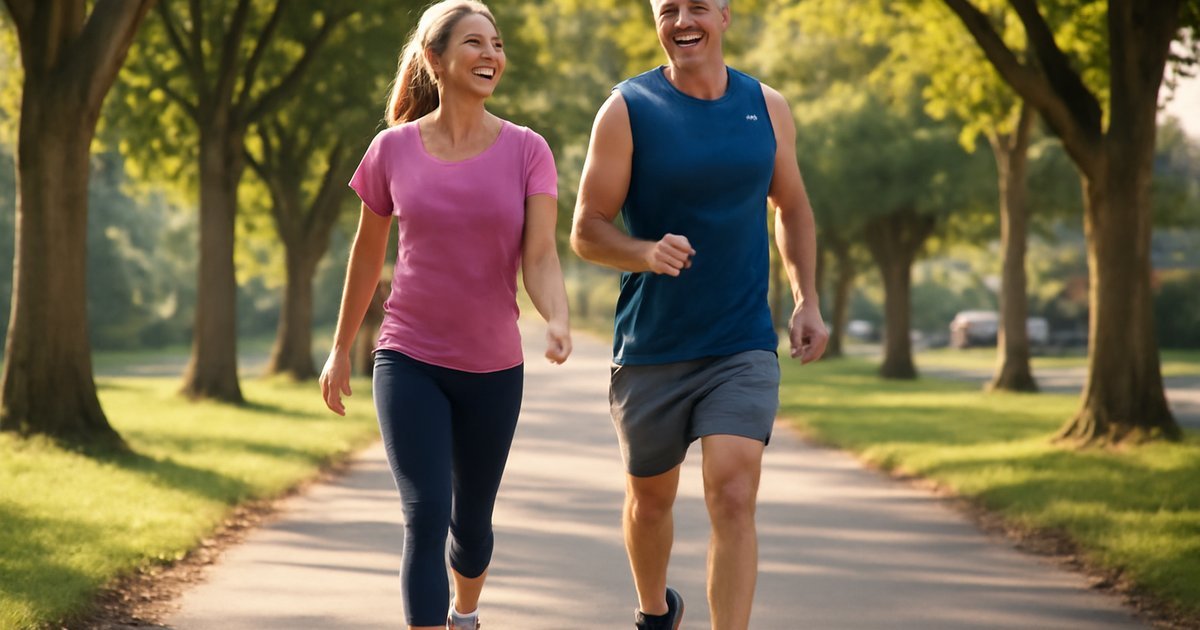
  • Resistance Band Training After 40: Build Strength Safely

    Resistance Band Training After 40: Build Strength Safely

    A low-impact, joint-friendly approach to building muscle, improving mobility, and protecting long-term health — backed by clinical evidence.

    Consider Mark, a 54-year-old accountant who spent years avoiding strength training because his knees couldn’t handle the stress of free weights and gym machines. His doctor kept telling him he needed more resistance exercise to protect his bone density and slow the muscle loss that comes with age. Then a physical therapist introduced him to resistance bands — and everything changed. Within three months, Mark had regained functional strength, reduced his lower back pain, and was exercising five days a week without joint discomfort.

    Mark’s story isn’t unusual. According to the CDC, adults lose 3–8% of muscle mass per decade after age 30, with that rate accelerating significantly after 60. This age-related muscle loss, called sarcopenia, increases the risk of falls, fractures, metabolic dysfunction, and reduced independence. Resistance training is one of the most clinically validated tools to slow this process — and resistance bands offer a versatile, affordable, and joint-friendly way to get there.

    In this guide, you’ll learn exactly what resistance band training is, why it works especially well for adults in their 40s, 50s, 60s, and beyond, and how to build a practical, evidence-based routine you can use at home or at the gym.

    What Is Resistance Band Training?

    Resistance band training is a form of strength exercise that uses elastic bands — made of latex, rubber, or fabric — to create tension against your muscles during movement. Unlike free weights, which rely on gravity, resistance bands create progressive tension throughout the full range of motion, meaning your muscles are working from start to finish of each movement.

    Bands come in several forms: loop bands (circular, great for lower body), therapy bands (flat strips, often used in rehabilitation), and tube bands with handles (versatile for upper and full-body work). Resistance levels typically range from light to extra-heavy, and they can be combined to increase difficulty as you build strength.

    According to the American College of Sports Medicine (ACSM), resistance training — including elastic resistance — is recommended for all healthy adults, with particular emphasis for older populations who need to preserve lean muscle mass, joint stability, and bone health. Research published in the Journal of Human Kinetics found that elastic resistance training produces comparable gains in muscular strength and endurance to free weight training, especially for adults who are new to exercise or returning after a long break.

    This matters enormously for adults over 40, who may face barriers like joint pain, prior injuries, limited gym access, or simply the intimidation factor of heavy-weight environments.

    Signs Your Body Needs More Strength Training

    Many adults over 40 recognize the signs of declining muscle strength, even if they don’t connect them to sarcopenia or musculoskeletal decline. Knowing what to look for can motivate earlier action.

    Early signs that your strength is declining:

    • Difficulty carrying groceries or lifting objects that once felt easy
    • Increased fatigue during everyday tasks like climbing stairs
    • Noticeable changes in body composition — less muscle tone, more fat around the midsection
    • Mild stiffness or reduced range of motion in joints
    • Slower recovery from minor physical exertion

    More advanced signs requiring medical evaluation:

    • Significant unintentional weight loss combined with muscle weakness
    • Balance problems or multiple unexplained falls
    • Difficulty rising from a chair without using your arms
    • Chronic joint pain that limits basic mobility
    • Extreme fatigue not explained by sleep or lifestyle factors

    A 2021 study published in The Journals of Gerontology found that adults who engaged in at least two sessions of resistance exercise per week had significantly better grip strength, walking speed, and functional independence scores compared to sedentary peers. Grip strength, in particular, has emerged as a reliable clinical marker of overall health and longevity.

    If you recognize several of these early signs, resistance band training may be one of the most impactful steps you can take — and it’s one your doctor is likely to encourage.

    Why Resistance Bands Work Especially Well After 40

    There are compelling physiological and practical reasons why resistance bands are particularly well-suited for adults in midlife and beyond. This isn’t a compromise for those who can’t handle "real" weights — it’s a strategically sound training tool.

    Joint-friendly by design. Because bands don’t rely on gravity, the forces they create are distributed more evenly across the joint. There’s no sudden load at the end of a movement, which reduces the peak stress on cartilage in knees, hips, and shoulders — areas that often become vulnerable after 40.

    Variable resistance builds stabilizer muscles. As you stretch a band, resistance increases. This forces your stabilizer muscles — the smaller muscles that support joint integrity — to engage throughout the entire range of motion. Research from the Journal of Physical Therapy Science found that elastic resistance significantly activates stabilizer muscles compared to machine-based training, which can be particularly protective for adults with joint instability.

    Scalable and progressive. You can easily increase or decrease resistance by changing band thickness, adjusting your grip, or combining bands. This makes progressive overload — gradually increasing the challenge to stimulate muscle growth — entirely achievable without complex equipment.

    Accessible and affordable. A full set of resistance bands typically costs $15–$50, requires no gym membership, and can be used almost anywhere. For adults managing chronic conditions or with limited mobility, this accessibility removes a significant barrier to consistent training. If you’re already exercising at home, you may want to explore our guide on Home Gym Workouts After 40 for a complete setup plan.

    Supported by clinical rehabilitation. Resistance bands are standard equipment in physical therapy and cardiac rehabilitation programs across the US. Their safety profile and clinical validation make them a trusted tool for post-surgical recovery, chronic pain management, and osteoporosis prevention.

    Causes and Risk Factors: Why Muscle Loss Accelerates After 40

    Understanding why your body changes after 40 can help you approach resistance training with the right mindset — not as vanity, but as preventive medicine.

    Hormonal shifts. Both men and women experience declining levels of anabolic hormones — testosterone, growth hormone, and estrogen — starting in their 30s and accelerating through their 40s and 50s. These hormones play critical roles in muscle protein synthesis, meaning the body becomes less efficient at building and repairing muscle tissue. According to the NIH, testosterone levels in men decline approximately 1–2% per year after age 30.

    Reduced physical activity. Career demands, family responsibilities, and accumulated minor injuries often lead adults to become less physically active through their 40s. The less you use your muscles, the faster they atrophy — a process accelerated by hormonal changes.

    Chronic low-grade inflammation. Aging is associated with increased systemic inflammation, often called "inflammaging." This inflammatory environment impairs muscle repair and accelerates breakdown. Regular resistance training has been shown to reduce inflammatory markers including C-reactive protein (CRP), making it one of the few lifestyle interventions that directly addresses this underlying mechanism.

    Poor nutrition — especially inadequate protein. Many adults over 40 consume insufficient protein to support muscle maintenance, especially as caloric needs shift. The American Dietetic Association suggests that older adults may need 1.2–1.6 grams of protein per kilogram of body weight daily — significantly more than traditional recommendations. Pairing resistance band training with adequate protein intake dramatically improves outcomes.

    Risk factors for accelerated decline include: sedentary lifestyle, smoking, excessive alcohol use, vitamin D deficiency, poor sleep quality, obesity, and chronic conditions like type 2 diabetes or cardiovascular disease.

    How to Get Started: A Beginner-Friendly Resistance Band Routine

    Before beginning any new exercise program, it’s important to speak with your physician — especially if you have a chronic condition, recent injury, or have been sedentary for an extended period. Your doctor may recommend a baseline assessment or refer you to a physical therapist for proper form guidance.

    Once cleared, the following framework aligns with ACSM guidelines for resistance training in adults over 40:

    Frequency: 2–3 days per week, with at least 48 hours of rest between sessions targeting the same muscle groups. Rest days are not optional — they’re when muscle repair and growth actually occur. For more on recovery protocols, see our article on Core Strength After 40.

    Sets and Reps: For beginners, 2–3 sets of 10–15 repetitions per exercise is appropriate. Research suggests that for older adults, moderate resistance with higher repetitions (12–20) produces excellent strength and endurance gains with lower injury risk than heavy, low-rep approaches.

    Foundational exercises to include:

    • Banded Squat: Stand on band, hold handles at shoulder height, squat to 90 degrees. Builds quads, glutes, and core.
    • Seated Row: Sit with legs extended, loop band around feet, pull handles toward your torso. Targets back, biceps, and rear shoulders.
    • Banded Chest Press: Loop band behind your back, press handles forward from chest height. Works chest, shoulders, and triceps.
    • Lateral Band Walk: Step inside loop band at ankle height, walk sideways with slight bend in knees. Activates hip abductors and glutes — critical for knee health.
    • Standing Bicep Curl: Stand on band, curl handles toward shoulders. Targets biceps and forearms.
    • Overhead Press: Stand on band, press handles upward from shoulder height. Works shoulders and triceps.
    • Glute Bridge with Band: Lying on back, loop band across hip crease, bridge upward. Strengthens glutes and lower back.

    Warm-up and cool-down: Always begin with 5–10 minutes of light cardio (walking, cycling) and dynamic stretching. End with 5 minutes of static stretching targeting the muscles worked. This is especially important after 40, when joint lubrication and muscle elasticity require more deliberate preparation. Consider complementing resistance training with a regular walking routine for cardiovascular health.

    Living With Your Resistance Band Practice: Making It Sustainable

    The most effective exercise program is the one you actually do consistently. Research consistently shows that adherence — not the specific training modality — is the most powerful predictor of long-term health outcomes.

    Track your progress. Keep a simple log of exercises, band resistance used, sets, and reps. Progression over time — even small increases in resistance or repetitions — is a powerful motivator and ensures your muscles are being challenged appropriately.

    Schedule training like an appointment. Studies from the American Journal of Health Behavior consistently show that adults who schedule exercise in advance and treat it as a non-negotiable commitment are significantly more likely to maintain long-term habits.

    Address soreness appropriately. Mild muscle soreness (delayed onset muscle soreness, or DOMS) 24–48 hours after training is normal and expected, especially for beginners. Moderate stretching, light movement, and adequate hydration typically resolve it within 48–72 hours. Sharp or joint-specific pain during or after exercise, however, is a signal to stop and consult a healthcare provider.

    Pair with balanced nutrition. Protein timing matters. Clinical evidence suggests consuming 20–30 grams of high-quality protein within two hours of a resistance training session supports muscle protein synthesis, particularly in adults over 50 whose anabolic response is blunted compared to younger individuals.

    Consider adding a training partner or online class. Social accountability significantly improves exercise adherence across all age groups. Group-based resistance training programs also provide coached instruction, reducing injury risk for beginners.

    When to Call Your Doctor: Red Flags During Exercise

    While resistance band training is among the safest exercise modalities available, there are situations that require immediate medical attention or professional evaluation before continuing.

    Stop exercising and call 911 or seek emergency care immediately if you experience:

    • Chest pain, pressure, or tightness during or after exercise
    • Shortness of breath disproportionate to your exertion level
    • Dizziness, lightheadedness, or fainting
    • Heart palpitations (rapid, irregular, or pounding heartbeat)
    • Sudden severe pain in a joint or muscle
    • Numbness or tingling radiating down the arm or leg

    Schedule a non-emergency appointment if you notice:

    • Persistent joint swelling after workouts that doesn’t resolve within 48 hours
    • Pain that consistently worsens with exercise rather than improving over weeks
    • Unexplained fatigue or weakness that isn’t improving with adequate rest
    • Signs of overtraining: disrupted sleep, mood changes, declining performance

    At your next scheduled visit, tell your doctor: that you’ve started a resistance training program, what types of exercises you’re performing, and whether you’ve experienced any discomfort. Most physicians will want to know — and will likely encourage you to continue.

    Frequently Asked Questions

    Are resistance bands as effective as weights for building muscle after 40?
    Research suggests yes — for most functional strength and muscle maintenance goals, resistance bands produce comparable results to free weights. A 2019 meta-analysis published in SAGE Open Medicine found no statistically significant difference in strength gains between elastic and conventional resistance training. Bands may actually have advantages for older adults due to their joint-friendly variable resistance profile.

    How long before I see results from resistance band training?
    Most individuals report noticeable improvements in functional strength and energy levels within 4–6 weeks of consistent training. Visible changes in muscle tone typically appear at 8–12 weeks. Clinical evidence indicates that even modest improvements in strength within the first month are associated with meaningful reductions in fall risk and improved metabolic markers.

    Can I do resistance band training if I have arthritis or joint pain?
    In many cases, yes — but always with your physician’s or physical therapist’s guidance first. The Arthritis Foundation actually recommends resistance training as a first-line strategy for managing joint pain, noting that stronger muscles reduce the load on affected joints. Bands are often preferred over free weights in arthritis management because they allow controlled, pain-free ranges of motion. For more guidance, this may pair well with our existing content on exercising with arthritis.

    How do I choose the right resistance level?
    Start with a band that allows you to complete 12–15 repetitions with good form while feeling moderate — not easy — effort by the final reps. You should feel challenged but not be straining or losing form. When 15 repetitions feel easy, it’s time to progress to a heavier band. This varies from person to person based on baseline fitness, muscle group, and specific exercise.

    Is resistance band training safe for people with osteoporosis?
    Clinical evidence indicates that resistance training is one of the most effective interventions for slowing bone density loss in adults with osteoporosis or osteopenia. The NIH’s National Institute on Aging specifically recommends resistance exercises for bone health. However, individuals with diagnosed osteoporosis should work with their healthcare provider and potentially a physical therapist to identify exercises that are appropriate given their specific bone health status and fracture risk.

    The Bottom Line

    Resistance band training isn’t a shortcut or a compromise — it’s a clinically validated, highly effective tool for building strength, protecting joints, preserving bone density, and maintaining functional independence as you age. For adults in their 40s, 50s, 60s, and beyond, it may be one of the smartest investments you make in your long-term health.

    The CDC’s physical activity guidelines recommend that all adults engage in muscle-strengthening activities at least two days per week — and resistance bands offer one of the most accessible, affordable, and evidence-backed ways to meet that recommendation. Whether you’re just starting out or returning to exercise after a long break, bands provide a safe and scalable entry point.

    Start with two sessions per week, focus on consistency over intensity, and keep your physician informed about your progress. Small, sustainable steps taken now translate into meaningful health outcomes over the years ahead.

    This article is for informational and educational purposes only. It does not constitute medical advice, diagnosis, or treatment. Always consult your physician or a qualified healthcare provider before making changes to your health routine or treatment plan.

    Medically reviewed by our editorial health team. Content follows evidence-based standards aligned with CDC and NIH guidelines.

  • Walking for Fitness After 40: Benefits, Tips & Plans

    Walking for Fitness After 40: Benefits, Tips & Plans

    Walking for Fitness After 40: Benefits, Tips & Plans

    One of the most accessible forms of exercise may also be one of the most powerful — especially for adults navigating the health challenges that come with midlife.

    Why Walking Deserves More Credit

    Mark, 52, had tried gyms, group classes, and even a brief stint with early-morning runs — only to quit each one within weeks due to knee pain, schedule conflicts, or sheer exhaustion. A cardiologist’s warning about his rising blood pressure finally pushed him to try something different: walking. Thirty minutes a day, five days a week. Within six months, his blood pressure had improved, he had lost 14 pounds, and — perhaps most importantly — he was still doing it.

    His story isn’t unusual. According to the CDC, only about 24% of American adults meet the federal physical activity guidelines for both aerobic and muscle-strengthening activity. Yet walking — the simplest form of exercise — remains one of the most clinically supported activities for adults aged 40 and older.

    This guide covers what the science actually says about walking for fitness after 40, how to maximize its benefits, how to build a plan that sticks, and when walking alone may need to be supplemented with additional exercise. Whether you’re just getting started or looking to optimize your current routine, you’ll find practical, evidence-based guidance here.

    What Makes Walking a Legitimate Fitness Strategy After 40?

    Walking is classified as a moderate-intensity aerobic activity — meaning it raises your heart rate and breathing without putting excessive strain on your joints. For adults over 40, this distinction matters enormously. As the body ages, joints lose cartilage, muscles become less elastic, and recovery times lengthen. High-impact exercise, while beneficial for some, carries a higher injury risk for this population.

    The U.S. Department of Health and Human Services recommends that adults get at least 150 minutes of moderate-intensity aerobic activity per week — a goal that brisk walking easily fulfills. According to the NIH, regular moderate-intensity walking has been associated with a reduced risk of cardiovascular disease, type 2 diabetes, certain cancers, and all-cause mortality.

    Walking is also one of the few forms of exercise with near-universal accessibility. It requires no gym membership, no special equipment beyond a supportive pair of shoes, and can be adapted to almost any fitness level or physical limitation. For adults managing chronic conditions like hypertension, osteoarthritis, or metabolic syndrome, walking often represents the ideal entry point into consistent physical activity.

    Clinically, what separates walking from casual strolling is intensity. A "brisk walk" is typically defined as a pace where you can hold a conversation but would have difficulty singing — roughly 3 to 4 miles per hour for most adults. This is the threshold at which the cardiovascular and metabolic benefits become most pronounced.

    Health Benefits of Walking for Adults Over 40

    The research on walking is more robust than many people realize. A 2023 analysis published in the journal JAMA Internal Medicine found that adults who walked approximately 7,000 to 10,000 steps per day had significantly lower rates of cardiovascular events compared to those who walked fewer than 4,000 steps. Importantly, the benefits plateaued beyond 10,000 steps — suggesting you don’t need to walk marathon distances to see meaningful results.

    Here’s a breakdown of what regular walking has been clinically shown to support:

    • Cardiovascular health: Brisk walking strengthens the heart muscle, improves circulation, and helps lower LDL (bad) cholesterol while raising HDL (good) cholesterol. The American Heart Association identifies regular walking as a frontline strategy for heart disease prevention.
    • Blood pressure regulation: Research suggests that consistent aerobic walking can lower systolic blood pressure by 4 to 9 mmHg in adults with hypertension — comparable to some medications in mild cases, though never a replacement for prescribed treatment.
    • Blood sugar control: Walking after meals has been shown in multiple studies to blunt post-meal blood sugar spikes. For adults with prediabetes or type 2 diabetes, a 10- to 15-minute post-meal walk may meaningfully support glycemic management.
    • Weight management: Walking burns approximately 80 to 100 calories per mile for most adults. While diet plays a larger role in weight loss, consistent walking supports caloric deficit and preserves lean muscle mass better than caloric restriction alone.
    • Bone density: As a weight-bearing exercise, walking stimulates bone-forming cells and may help slow bone density loss after 40 — a critical concern as osteoporosis risk rises significantly in midlife, particularly for women.
    • Mental health and cognitive function: The NIH notes that regular aerobic exercise, including walking, is associated with reduced symptoms of depression and anxiety, and may support cognitive reserve as adults age.
    • Joint health: Contrary to the misconception that walking worsens arthritis, clinical evidence indicates that regular low-impact movement lubricates joints, reduces stiffness, and can decrease pain over time. If you’re managing joint conditions, you may also find our guide on exercising with arthritis helpful.

    This varies from person to person — individuals with severe orthopedic conditions or cardiovascular disease should consult their physician before beginning a new walking program.

    Signs Your Body Is Ready for More — and When to Be Cautious

    One of walking’s strengths is its scalability. But knowing when to push harder — and when to pull back — is important for adults in their 40s, 50s, and 60s.

    Signs you may be ready to increase intensity or duration:

    • You can complete 30 minutes at your current pace without feeling fatigued or breathless
    • Your resting heart rate has decreased over several weeks
    • You recover quickly after walks (within 10 minutes, heart rate returns toward baseline)
    • Your average pace has naturally increased without conscious effort

    Signs to slow down or consult your doctor:

    • Chest tightness, pressure, or pain during or after walking — seek emergency care immediately
    • Shortness of breath disproportionate to your effort level
    • Dizziness, lightheadedness, or near-fainting
    • Sharp joint pain (not to be confused with normal muscle soreness)
    • Swelling in the legs or ankles after walks
    • Heart palpitations or irregular heartbeat

    These red flags warrant immediate medical evaluation. Do not push through chest pain or severe shortness of breath. Call 911 or go to an emergency room.

    How to Build a Walking Plan That Actually Sticks

    The most effective walking program is one you can maintain consistently over months and years — not one that burns bright for two weeks and fizzles. Here’s how to build a sustainable, progressively challenging plan:

    Week 1–2: Establishing the Habit

    Start with 20 to 25 minutes of walking at a comfortable pace, five days per week. The goal here isn’t intensity — it’s consistency. Walk at a pace where you can speak in full sentences. Focus on showing up, not on performance metrics.

    Week 3–4: Adding Brisk Intervals

    Begin alternating 5 minutes of brisk walking (slightly breathless, harder to hold a conversation) with 5 minutes of comfortable pace. This interval approach — sometimes called walk-pace training — has been shown to improve cardiovascular fitness more efficiently than steady-state walking alone.

    Week 5–8: Building Duration and Consistency

    Aim for 30 to 45 minutes of primarily brisk walking, five days per week. You’re now meeting or exceeding federal physical activity guidelines. Consider incorporating mild incline walking (hills or treadmill incline) to increase caloric burn and leg muscle engagement without additional impact stress.

    Month 3 and Beyond: Sustaining and Challenging

    Once brisk walking feels routine, consider adding 2 days per week of complementary strength training to offset the muscle loss that naturally accelerates after 40. Our detailed guide on core strength training after 40 is an excellent complement to any walking program, helping protect your spine, improve posture, and boost walking efficiency.

    For those who enjoy the outdoors, walking in nature has shown additional benefits for stress reduction and mental health — making it a particularly appealing option. Explore our resource on outdoor fitness after 40 for ideas on expanding your routine beyond the sidewalk.

    Maximizing Your Walks: Technique, Gear, and Timing

    Small adjustments to your walking form and environment can significantly improve both safety and results.

    Posture and form: Keep your head up, gaze forward, shoulders relaxed and back. Engage your core lightly, swing your arms naturally, and strike the ground with your heel, rolling through to your toes. Avoid hunching over your phone — poor posture during walks contributes to neck and low back pain.

    Footwear matters: Supportive walking shoes with adequate cushioning and arch support are non-negotiable, especially for adults with flat feet, plantar fasciitis, or diabetic neuropathy. Replace walking shoes every 300 to 500 miles, or every six months if you walk daily. A sports medicine specialist or podiatrist can recommend footwear tailored to your gait and foot structure.

    Timing for metabolic benefit: Research suggests walking after meals — particularly after dinner — is especially effective for blood sugar management. A 10- to 15-minute walk within 30 to 60 minutes of eating has been shown in multiple clinical trials to reduce post-meal glucose spikes. This is particularly valuable for adults with prediabetes or insulin resistance.

    Using a fitness tracker or pedometer: Step-tracking devices provide accountability and have been shown in studies to increase daily step counts in users by an average of 2,000 steps per day. A reasonable daily step goal for adults over 40 is 7,000 to 8,000 steps — backed by clinical evidence as a meaningful target for longevity benefits.

    Staying safe: Wear reflective clothing if walking in low-light conditions. Stay hydrated — adults over 40 are more susceptible to dehydration and may have a blunted thirst response. If you walk with headphones, keep one ear open to traffic and your surroundings.

    Common Causes of Walking Program Dropout — and How to Avoid Them

    According to the CDC, more than half of Americans who begin a new exercise program quit within six months. For adults over 40, the most common barriers include time constraints, musculoskeletal pain, boredom, and lack of perceived progress. Addressing these directly makes the difference between a habit and a failed attempt.

    • Time: Three 10-minute walks produce nearly identical cardiovascular benefits to one 30-minute walk, according to research from the American College of Sports Medicine. Split your walking into smaller chunks when life gets busy.
    • Boredom: Vary your routes, walk with a friend, listen to podcasts or audiobooks, or join a walking group. Social walking has been shown to improve adherence significantly.
    • Pain: Foot, knee, or hip pain that worsens during or after walking should be evaluated by a physician or physical therapist before continuing. Ignoring pain leads to injury — not progress.
    • Lack of visible results: Clinical benefits like improved blood pressure and blood sugar often precede visible weight changes. Track non-scale victories: energy levels, sleep quality, mood, and resting heart rate.

    When to Call Your Doctor — and What to Say

    Before beginning a walking program after 40, a brief conversation with your primary care physician is worthwhile — particularly if you have cardiovascular disease, diabetes, severe arthritis, a history of falls, or have been sedentary for an extended period.

    Emergency red flags — call 911 or seek immediate care if you experience:

    • Chest pain, tightness, or pressure during or after walking
    • Severe shortness of breath not resolved by rest
    • Fainting or near-fainting
    • Sudden severe leg pain (possible vascular event)

    Schedule a non-urgent appointment if:

    • You have persistent joint pain after two weeks of walking
    • You notice swelling in the feet or ankles after exercise
    • You feel unusually fatigued or winded at a pace that previously felt manageable
    • You want guidance on integrating walking with your current medication regimen (particularly if you take blood pressure or diabetes medications, as exercise can alter how these drugs work)

    When speaking with your doctor, mention your current activity level, any symptoms you’ve noticed, and your goals. Most physicians will be enthusiastic supporters of a walking program — and may be able to adjust your care plan based on your improved fitness.

    Frequently Asked Questions About Walking for Fitness After 40

    Q: Is walking enough exercise on its own after 40?
    A: For cardiovascular and metabolic health, brisk walking can be a primary and sufficient form of aerobic exercise. However, most clinical guidelines — including those from the American College of Sports Medicine — recommend combining aerobic activity with muscle-strengthening exercises at least twice per week. After 40, preserving muscle mass becomes increasingly important, and walking alone does not fully address this. A combined approach tends to deliver the best overall health outcomes.

    Q: How many steps per day should I aim for?
    A: Clinical evidence suggests that 7,000 to 10,000 steps per day is associated with meaningful reductions in cardiovascular and all-cause mortality risk for most adults. If you’re starting from a low baseline (under 3,000 steps), aim to increase gradually — adding 500 to 1,000 steps per week — rather than jumping immediately to a high target.

    Q: Can walking help me lose weight after 40?
    A: Walking contributes to weight management primarily by supporting caloric expenditure and preserving lean muscle mass. Research suggests that walking alone, without dietary changes, produces modest weight loss (typically 1 to 2 pounds per month). Combined with a balanced diet, it can be an effective and sustainable part of a weight management strategy. Our guide on exercise for weight management after 40 covers this topic in depth.

    Q: Is walking safe if I have knee pain or arthritis?
    A: In most cases, yes — and it’s often recommended. Low-impact walking can actually reduce arthritis-related knee pain by strengthening surrounding muscles and improving joint lubrication. However, you should start slowly, wear supportive footwear, and consult your doctor or physical therapist if pain worsens. Walking on softer surfaces (grass, dirt trails, treadmill) can reduce impact on sensitive joints.

    Q: What’s the best time of day to walk for health benefits?
    A: The best time is the one you’ll actually do consistently. That said, morning walks have been associated with improved sleep quality and mood, while post-meal walks (particularly after dinner) show the strongest blood sugar benefits. If you have flexibility, a short post-meal walk adds clinically meaningful metabolic benefits without requiring extra time in your schedule.

    The Bottom Line: Walking Is More Powerful Than You Think

    Walking for fitness after 40 isn’t a consolation prize for people who can’t do "real" exercise — it’s one of the most well-supported, sustainable, and accessible health interventions available to adults in midlife and beyond. The science is clear: consistent brisk walking reduces cardiovascular risk, supports blood sugar and blood pressure control, protects bone density, and improves mental health and cognitive function.

    The key isn’t perfection — it’s consistency. A 30-minute walk five days per week, maintained over years, will have a far greater impact on your long-term health than an intense program you abandon after a month. Start where you are, progress gradually, and make adjustments based on how your body responds.

    Talk to your doctor about incorporating walking into your overall health plan, especially if you’re managing a chronic condition. Your physician can help you set appropriate goals and monitor your progress over time. The path to better health, quite literally, starts with your next step.


    Medical Disclaimer: This article is for informational and educational purposes only. It does not constitute medical advice, diagnosis, or treatment. Always consult your physician or a qualified healthcare provider before making changes to your health routine or treatment plan.

    Medically reviewed by our editorial health team. Content follows evidence-based standards aligned with CDC and NIH guidelines.
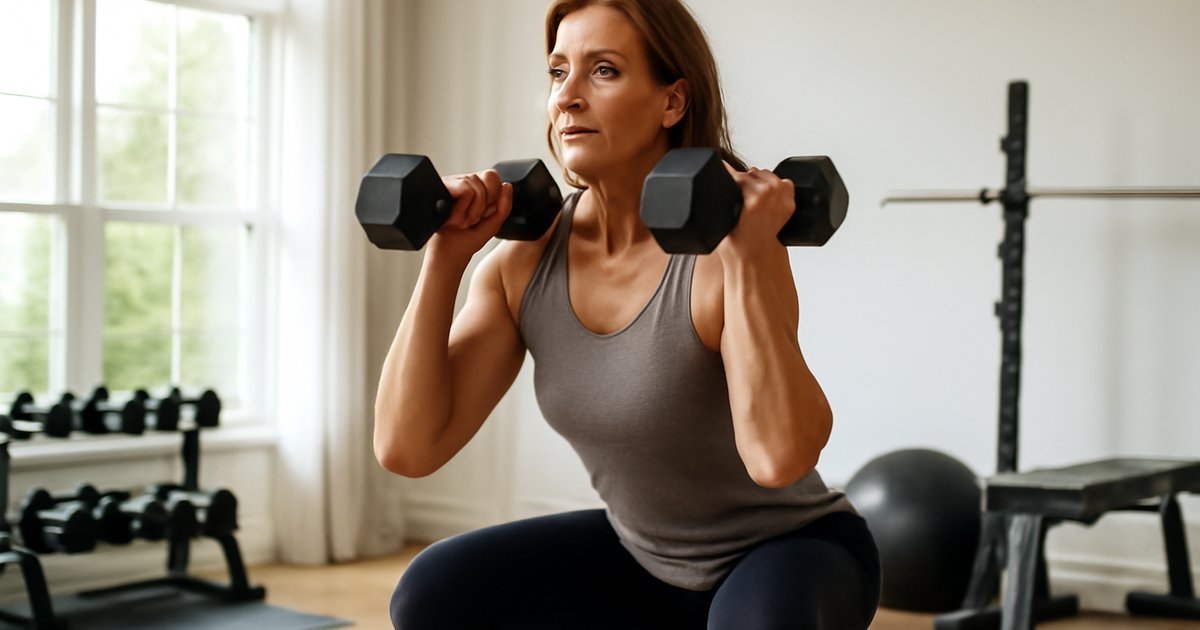
  • Outdoor Fitness After 40: Benefits, Tips & Best Activities

    Outdoor Fitness After 40: Benefits, Tips & Best Activities

    Stepping outside for your workout may be one of the most powerful — and underused — health strategies available to adults over 40.

    Introduction

    When David, 54, started walking his neighborhood trails three mornings a week, he expected to lose a few pounds. What he didn’t expect was that his blood pressure medication dosage would be reduced at his next checkup — or that his mood would shift so dramatically his wife asked what had changed.

    David’s experience is more common than most people realize. According to the CDC, fewer than 25% of American adults aged 18 and older meet the federal physical activity guidelines for both aerobic and muscle-strengthening activities — and that number drops even further for adults in their 50s and 60s.

    Outdoor fitness — exercising in natural environments like parks, trails, and open spaces — offers a compelling set of benefits that go beyond what a gym alone can provide. This guide covers the science behind outdoor exercise, the best activities for adults over 40, how to stay safe, and how to make it a sustainable part of your life.

    What Is Outdoor Fitness, and Why Does It Matter After 40?

    Outdoor fitness refers to any form of structured or semi-structured physical activity performed in an open-air or natural setting. That includes trail walking, cycling, swimming in open water, outdoor yoga, pickleball, gardening with intensity, and more.

    After 40, the body undergoes measurable changes — muscle mass declines at roughly 3–8% per decade after age 30 (a process called sarcopenia), bone density begins to decrease, and cardiovascular efficiency can decline if not actively maintained. These changes make regular physical activity not just beneficial, but medically essential.

    Research suggests that exercising outdoors — often called "green exercise" — adds a meaningful psychological and physiological layer on top of the physical benefits of movement alone. A review published in Environmental Science & Technology found that outdoor exercise was associated with greater feelings of revitalization, increased energy, and reduced tension, anger, and depression compared with indoor exercise.

    For US adults managing chronic conditions like hypertension, type 2 diabetes, or anxiety — conditions that become more prevalent after 40 — outdoor fitness may serve as a low-cost, highly accessible complement to conventional treatment plans.

    Signs You May Need More Movement (And That Outdoors Could Help)

    Many adults don’t recognize the symptoms of a sedentary lifestyle as health signals. Here are some common indicators that your body is asking for more movement:

    Early or mild signs:

    • Persistent low-level fatigue even after adequate sleep
    • Stiffness in the morning or after sitting for long periods
    • Mild low back discomfort
    • Difficulty concentrating or brain fog in the afternoon
    • Low mood, increased irritability, or mild anxiety
    • Gradual weight gain over months or years

    More significant signs warranting medical evaluation:

    • Shortness of breath during light activity (e.g., climbing one flight of stairs)
    • Chest tightness or palpitations during or after mild exertion
    • Joint pain that limits daily activity
    • Fasting blood sugar trending upward at annual labs
    • Blood pressure readings consistently above 130/80 mmHg

    A 2023 study referenced by the NIH’s National Institute on Aging confirmed that even moderate increases in physical activity — as little as 150 minutes per week of brisk walking — significantly reduce all-cause mortality risk in middle-aged and older adults.

    If you’re experiencing any of the more significant signs above, speak with your physician before starting a new fitness routine.

    Top Outdoor Activities for Adults Over 40 (and Their Health Benefits)

    The best outdoor workout is the one you’ll actually do consistently. Clinical evidence indicates that enjoyment is one of the strongest predictors of exercise adherence. Here are the most accessible and evidence-supported options:

    1. Trail Walking and Hiking

    Walking is the most widely recommended starting point for adults over 40 who are new to regular exercise or returning after a break. Trail walking on uneven terrain engages stabilizing muscles in the ankles, hips, and core that flat-surface walking doesn’t, offering additional functional strength benefits.

    The American Heart Association recommends at least 150 minutes of moderate-intensity aerobic activity per week — a goal that brisk walking outdoors can realistically meet. Research from Stanford University suggests that walking in nature (versus urban environments) also reduces activity in the brain’s subgenual prefrontal cortex, an area linked to rumination and depressive thinking.

    2. Cycling

    Outdoor cycling is a low-impact cardiovascular workout that protects the joints while building quad, glute, and hamstring strength. For adults managing knee osteoarthritis — which affects an estimated 14 million Americans, according to the CDC — cycling is frequently recommended as a joint-friendly alternative to running.

    E-bikes (electric-assist bicycles) have made cycling more accessible to older adults and those with cardiovascular limitations, and clinical evidence suggests they still provide meaningful aerobic benefit.

    3. Swimming and Open-Water Exercise

    Pool swimming is often recommended, but open-water swimming and aquatic exercise in lakes or oceans add sensory and navigational elements that may enhance cognitive engagement. Water-based exercise reduces joint loading by up to 90% at chest depth, making it ideal for adults with arthritis, back pain, or obesity-related joint stress.

    4. Outdoor Yoga and Tai Chi

    Mind-body practices performed outdoors combine the benefits of movement, breathwork, and nature exposure. A meta-analysis published in the Journal of Aging and Physical Activity found that Tai Chi significantly improved balance, reduced fall risk, and decreased anxiety in adults over 50 — a population for whom fall prevention is a critical health priority. For more on mind-body approaches, see our guide on Functional Fitness After 40: Move Better, Live Stronger.

    5. Pickleball and Recreational Sports

    Pickleball is the fastest-growing sport in the US, particularly among adults over 50. It combines aerobic activity, hand-eye coordination, social engagement, and agility training in a low-impact format. The social component is clinically meaningful: a 2022 Harvard Health report noted that social engagement during exercise significantly improves long-term adherence and mental health outcomes.

    6. Outdoor Strength Training

    Parks with pull-up bars, parallel bars, or resistance stations — common in many US municipalities — allow adults to perform bodyweight strength training outdoors. Maintaining muscle mass after 40 is critical for metabolic health, bone density, and functional independence. Strength training guidelines from the American College of Sports Medicine recommend two or more sessions per week for older adults. For foundational core work, see Core Strength After 40: Build Stability & Reduce Back Pain.

    Causes of Low Outdoor Exercise Participation in Adults Over 40

    Understanding why adults over 40 tend to exercise outdoors less frequently can help you proactively address barriers:

    • Safety concerns: Fear of falling on uneven terrain is common, particularly after age 50. Proper footwear and starting on flat, maintained trails reduces this risk significantly.
    • Weather hesitation: Many adults avoid outdoor activity in heat, cold, or humidity. Evidence-based layering, hydration strategies, and timing adjustments (morning in summer, midday in winter) make year-round outdoor fitness achievable.
    • Chronic pain: Adults managing arthritis, back pain, or neuropathy may believe outdoor terrain is too demanding. Low-impact options like paved cycling paths or flat park walking loops are usually very manageable.
    • Time constraints: Research suggests that even 20-30 minute outdoor sessions provide measurable cardiovascular and psychological benefits, making daily "micro-workouts" a viable strategy.
    • Lack of social motivation: Group outdoor fitness classes, walking clubs, and recreational leagues address this directly. Group formats also improve accountability and adherence.

    How to Get Started: A Practical Plan for Adults Over 40

    Starting an outdoor fitness routine doesn’t require expensive gear or extreme effort. Most physicians recommend starting conservatively and progressing gradually — especially for adults who have been sedentary or who manage chronic conditions.

    Week 1–2: Foundation phase

    • Aim for 15–20 minutes of outdoor walking on flat terrain, 3 days per week
    • Focus on comfortable, consistent pace — not speed
    • Wear supportive footwear appropriate for the surface

    Week 3–4: Progressive phase

    • Extend duration to 25–30 minutes
    • Introduce gentle inclines or varied terrain if comfortable
    • Add one additional session per week

    Month 2 and beyond: Expansion phase

    • Work toward 150 minutes of moderate activity per week
    • Introduce a second activity type (e.g., cycling on weekends)
    • Consider joining a group fitness class or walking club for social accountability

    This varies from person to person — adults with cardiovascular disease, diabetes, or musculoskeletal conditions should work with their physician or a certified exercise physiologist to develop a plan tailored to their specific needs. For guidance on managing activity while supporting proper fueling, visit our article on Exercise Nutrition After 40: Fuel Your Workouts Right.

    Safety, Sun, and Special Considerations

    Outdoor fitness comes with specific safety considerations that indoor workouts don’t require. Here’s what clinical guidance recommends:

    Sun protection: The American Cancer Society recommends SPF 30+ broad-spectrum sunscreen, protective clothing, and avoiding peak UV hours (10 a.m.–4 p.m.) for extended outdoor activity. Adults over 40 have accumulated UV exposure from decades of outdoor time, making consistent sun protection especially important.

    Hydration: Older adults are at higher risk of dehydration during exercise because the thirst mechanism becomes less reliable with age. Most physicians recommend drinking water before, during, and after outdoor exercise — even if you don’t feel thirsty.

    Heat safety: Heat illness — including heat exhaustion and heat stroke — is a serious risk for older adults during outdoor activity in warm weather. Symptoms of heat exhaustion include heavy sweating, nausea, dizziness, and cool, clammy skin. Heat stroke is a medical emergency: if someone stops sweating, has hot red skin, and becomes confused, call 911 immediately.

    Cold weather: Cold air can trigger bronchospasm (airway tightening) in people with asthma and may increase cardiovascular demand. Layered clothing and a proper warm-up period are essential in temperatures below 40°F.

    Footwear and falls: Trail-appropriate footwear with ankle support and grippy soles dramatically reduces the risk of slips and falls on uneven surfaces. The CDC reports that falls are the leading cause of injury-related death among adults 65 and older — a statistic that makes proper gear a genuine safety priority, not just a comfort upgrade.

    When to Call Your Doctor / Emergency Signs

    Most adults can begin a moderate outdoor walking program safely. However, certain situations require medical clearance or immediate attention:

    See your doctor before starting if you have:

    • A recent cardiac event or diagnosis of heart disease
    • Uncontrolled blood pressure (consistently above 160/100 mmHg)
    • Type 1 or Type 2 diabetes with poorly managed blood sugar
    • Severe joint disease limiting range of motion
    • Chronic dizziness, balance disorders, or vertigo

    Stop exercising immediately and call 911 if you experience:

    • Chest pain, chest pressure, or pain radiating to the jaw or left arm
    • Sudden shortness of breath that doesn’t resolve with rest
    • Fainting or near-fainting (syncope)
    • Sudden severe headache during activity
    • Signs of heat stroke (confusion, hot dry skin, no sweating)

    At your next routine visit, consider asking your doctor: "Given my current health status, what outdoor activities are appropriate for me, and are there any restrictions I should follow?"

    Frequently Asked Questions

    Q: Is outdoor exercise better than gym exercise for adults over 40?
    Neither is categorically superior — both provide critical health benefits. Clinical evidence suggests that outdoor exercise offers additional psychological advantages (mood improvement, stress reduction) and may improve long-term adherence because many adults find it more enjoyable. The best choice is the one you’ll stick with consistently.

    Q: How much outdoor exercise do I need per week to see health benefits?
    Federal physical activity guidelines — supported by the CDC and the American Heart Association — recommend at least 150 minutes per week of moderate-intensity aerobic activity (like brisk walking) for substantial health benefits. Even smaller amounts (60–90 minutes per week) provide measurable improvements compared to being fully sedentary.

    Q: Can I exercise outdoors if I have high blood pressure?
    Research suggests that regular moderate aerobic exercise — including outdoor walking and cycling — can help lower blood pressure over time. However, you should consult your physician before starting a new routine. Avoid exercising outdoors in extreme heat or cold, which can place additional stress on the cardiovascular system.

    Q: What’s the best outdoor activity for someone with bad knees?
    Low-impact options are clinically preferred for adults with knee osteoarthritis or chronic knee pain. Flat-surface walking, cycling on paved paths, swimming, and water aerobics are frequently recommended. Avoid activities with heavy impact or rapid directional changes until cleared by a physical therapist or orthopedic physician.

    Q: How do I stay motivated to exercise outdoors during winter months?
    Layer appropriately, shorten your sessions (even 15 minutes of brisk outdoor walking in winter provides cardiovascular benefit), vary your route to maintain novelty, or join a group that meets outdoors year-round. Some adults find tracking tools — like fitness watches or apps — helpful for maintaining momentum through seasonal changes.

    Conclusion

    Outdoor fitness after 40 is not about extreme performance or dramatic weight loss — it’s about building a sustainable physical routine that supports your cardiovascular health, bone density, mental well-being, and functional independence as you age.

    The evidence is clear: regular outdoor movement, even at moderate intensity, produces real and lasting health benefits. Whether you start with a 20-minute neighborhood walk or join a weekend cycling group, each session is an investment in your long-term health and quality of life.

    Take it one step at a time, literally and figuratively — and work with your healthcare provider to find the outdoor activities that fit your body, your schedule, and your goals. You don’t need to do this perfectly; you just need to start.


    Medical Disclaimer: This article is for informational and educational purposes only. It does not constitute medical advice, diagnosis, or treatment. Always consult your physician or a qualified healthcare provider before making changes to your health routine or treatment plan.

    Medically reviewed by our editorial health team. Content follows evidence-based standards aligned with CDC and NIH guidelines.

  • Exercise for Weight Management After 40: Complete Guide

    Exercise for Weight Management After 40: Complete Guide

    Exercise for Weight Management After 40: Complete Guide

    Why the rules of weight management change after 40 — and how the right exercise strategy can help you stay lean, strong, and metabolically healthy for decades.

    Mark was 44 years old, working out four days a week, eating roughly the same as he always had — and still watching the number on the scale creep steadily upward. “I’m doing everything I used to do,” he told his doctor. “Why isn’t it working anymore?”

    If that story sounds familiar, you’re not alone. According to the National Institutes of Health (NIH), most adults gain an average of one to two pounds per year between ages 35 and 55 — even without significant changes in diet or activity levels. By the time many people reach their late 40s or early 50s, they’ve accumulated 15 to 30 extra pounds almost invisibly.

    The reason isn’t willpower. It’s biology — specifically the way metabolism, muscle mass, hormones, and fat distribution shift as you age. The good news is that exercise remains one of the most powerful tools for managing your weight after 40. But the approach needs to evolve. This guide breaks down exactly what changes, what the clinical evidence says about exercise for weight management after 40, and how to build a sustainable fitness strategy that actually works at this stage of life.

    Why Weight Management Gets Harder After 40

    Before diving into solutions, it helps to understand the physiology behind the problem. Several well-documented biological shifts converge around your 40s to make maintaining a healthy weight more challenging than it was at 25.

    Muscle loss (sarcopenia) is perhaps the biggest culprit. Research published by the American College of Sports Medicine indicates that adults begin losing roughly 3 to 8 percent of their muscle mass per decade after age 30, with the rate accelerating after 60. Since muscle tissue is metabolically active — meaning it burns calories even at rest — this loss progressively slows your resting metabolic rate (RMR), which is the number of calories your body needs just to function.

    Hormonal shifts compound the issue. In women, declining estrogen levels during perimenopause and menopause are directly associated with increased abdominal fat accumulation, according to research from the Mayo Clinic. In men, gradual testosterone decline — sometimes called andropause — is linked to decreased muscle mass and increased visceral fat (the deep belly fat that wraps around internal organs).

    Insulin sensitivity also tends to decrease with age, making it easier for the body to store calories as fat and harder to mobilize stored fat for energy. The CDC notes that adults over 45 face significantly higher risk for prediabetes and type 2 diabetes — two conditions closely tied to metabolic changes that affect weight.

    The bottom line: your body is playing by different rules now. Your exercise strategy needs to match.

    Signs That Your Current Routine Isn’t Working

    Recognizing the signs that your fitness approach needs updating is the first step toward course-correcting. These are the most common indicators that your current routine may not be optimized for weight management after 40:

    • Plateau despite consistent effort: You’re exercising regularly but weight has stalled or is creeping up despite no change in eating habits.
    • Changing body composition: The scale may not move dramatically, but clothes fit differently — more weight around the midsection, less muscle definition in the arms and legs.
    • Fatigue without recovery: You feel chronically tired, even after rest days. This can signal overtraining or inadequate muscle-building stimulus.
    • Doing mostly cardio: If your routine is primarily aerobic exercise with little or no resistance training, you may be missing the most metabolically important component for this age group.
    • Joint pain discouraging movement: Discomfort can subtly reduce the intensity and duration of workouts, decreasing caloric burn over time.
    • Poor sleep affecting recovery: Sleep disruption — common after 40 — impairs the hormones that regulate hunger (ghrelin and leptin) and slows muscle repair.

    A 2022 analysis published in the journal Obesity Reviews found that adults who relied exclusively on aerobic exercise for weight management — without resistance training — were significantly more likely to experience muscle loss alongside fat loss, making long-term weight maintenance harder. This is a critical clinical finding worth discussing with your healthcare provider.

    The Most Effective Types of Exercise for Weight Management After 40

    Clinical evidence strongly supports a multi-modal exercise approach — meaning combining different types of movement — for weight management in adults over 40. Here’s what the research shows works best:

    1. Resistance Training (The Cornerstone)

    If you only add one thing to your routine after 40, make it resistance training. Lifting weights, using resistance bands, or performing bodyweight exercises builds and preserves lean muscle mass — which directly counteracts the metabolic slowdown that comes with age.

    A landmark study from Harvard School of Public Health followed 10,500 men over 12 years and found that those who added 20 minutes of daily weight training to their routine gained less abdominal fat than those who spent the same amount of time on aerobic exercise. The American College of Sports Medicine recommends resistance training at least two to three days per week for adults aiming to manage weight and preserve metabolic health.

    You don’t need heavy weights or a gym membership to start. Bodyweight squats, lunges, push-ups, rows with resistance bands, and hip bridges are all highly effective and joint-friendly options — especially if you’re new to strength work or managing discomfort. For a deeper look at building functional strength, see our guide on Functional Fitness After 40: Move Better, Live Stronger.

    2. Moderate-Intensity Aerobic Exercise

    Cardiovascular exercise remains important — but the key after 40 is sustainability over intensity. The CDC recommends at least 150 minutes per week of moderate-intensity aerobic activity for adults, which translates to about 30 minutes on five days per week. This could mean brisk walking, cycling, swimming, elliptical training, or dancing.

    Moderate-intensity cardio improves insulin sensitivity, supports cardiovascular health, burns calories, and helps manage stress hormones like cortisol — all of which influence weight. Research from the NIH’s National Institute on Aging also confirms that regular aerobic activity helps preserve mitochondrial function in muscle cells, which plays a role in metabolic efficiency as you age.

    3. Interval Training (Used Strategically)

    High-intensity interval training (HIIT) — alternating between bursts of higher effort and recovery periods — has solid evidence behind it for fat loss and metabolic improvement. A 2019 meta-analysis in the British Journal of Sports Medicine found that HIIT produced significantly greater reductions in total body fat, abdominal fat, and waist circumference compared to moderate-intensity continuous exercise.

    However, for adults over 40, the frequency and intensity of interval work should be monitored carefully. Most exercise physiologists recommend no more than two HIIT-style sessions per week for this age group, with adequate recovery between sessions. Joint health, recovery capacity, and cardiovascular baseline all factor into what’s appropriate for you individually — always check with your doctor before starting high-intensity training.

    4. Non-Exercise Physical Activity (NEAT)

    Non-exercise activity thermogenesis — the calories burned through everyday movement outside of formal workouts — is often underestimated as a weight management tool. Research suggests that NEAT can account for 15 to 50 percent of total daily caloric expenditure depending on lifestyle.

    After 40, when recovery from intense exercise may take longer, maximizing NEAT becomes especially valuable. Simple strategies include taking the stairs, walking during phone calls, standing more throughout the workday, and adding a 10-minute walk after meals (which research also links to improved post-meal blood sugar control).

    Building a Weekly Exercise Plan for Weight Management

    The most effective exercise plans for weight management after 40 combine resistance training, aerobic work, and intentional recovery. Here’s a research-informed framework to consider discussing with your healthcare provider or a certified fitness professional:

    • Monday: Full-body resistance training (45-60 min) — squats, deadlifts or hip hinges, pushing and pulling movements, core work
    • Tuesday: Moderate cardio (30-40 min) — brisk walking, cycling, swimming
    • Wednesday: Active recovery — light stretching, yoga, gentle walking (30 min)
    • Thursday: Resistance training, upper body emphasis (45-60 min)
    • Friday: Interval training or moderate cardio (25-35 min)
    • Saturday: Resistance training, lower body emphasis or full body (45 min)
    • Sunday: Full rest or gentle movement (walking, stretching)

    This structure provides two to three resistance sessions per week, adequate cardiovascular stimulus, and built-in recovery — all of which are aligned with current guidelines from the American College of Sports Medicine and the U.S. Department of Health and Human Services.

    Remember: the best plan is the one you’ll actually do consistently. Starting with two days of resistance training and two days of moderate cardio per week is perfectly valid if that’s what fits your schedule and current fitness level. Consistency over months matters far more than perfection in a single week.

    The Role of Nutrition in Exercise-Based Weight Management

    Exercise and nutrition are inseparable when it comes to weight management — especially after 40. The physiological changes of aging affect not just how you should move, but how you should fuel your body before and after exercise.

    Protein is the most critical nutrient for this age group. As muscle protein synthesis (the body’s ability to build muscle in response to exercise) naturally declines with age, research suggests that adults over 40 need more dietary protein — not less — to maintain and build lean mass. A 2020 position statement from the Academy of Nutrition and Dietetics recommends 1.2 to 1.6 grams of protein per kilogram of body weight per day for older active adults, compared to the standard RDA of 0.8 g/kg for sedentary adults.

    This means a 170-pound (77 kg) active adult over 40 may benefit from roughly 92 to 123 grams of protein daily. High-quality sources include chicken, fish, eggs, Greek yogurt, legumes, tofu, and cottage cheese. For a comprehensive look at fueling exercise properly, our article on Exercise Nutrition After 40: Fuel Your Workouts Right provides detailed practical guidance.

    Caloric restriction paired with exercise tends to produce better long-term outcomes than either approach alone — but extreme calorie restriction is counterproductive, especially for muscle preservation. Research from the NIH suggests that adults over 40 doing resistance training should avoid cutting calories below 1,400-1,600 per day (for women) or 1,600-1,800 per day (for men) to protect muscle mass. These ranges vary significantly by individual — work with a registered dietitian for personalized guidance.

    Chronic inflammation also affects metabolic health and weight regulation. An anti-inflammatory eating pattern — emphasizing whole foods, colorful vegetables, healthy fats, and limiting ultra-processed foods — complements an active lifestyle well. Learn more in our Anti-Inflammatory Diet After 40: Complete Nutrition Guide.

    Sleep, Stress, and Weight: The Overlooked Factors

    No weight management strategy after 40 is complete without addressing sleep and stress — two factors that profoundly affect body weight through hormonal pathways.

    Research from the CDC and multiple academic institutions shows that sleeping fewer than seven hours per night is independently associated with increased body weight, higher BMI, and greater abdominal fat accumulation in adults. Poor sleep elevates ghrelin (the hunger hormone) and suppresses leptin (the satiety hormone), driving increased appetite — particularly for high-calorie foods.

    Chronic stress elevates cortisol levels, which research links to increased visceral fat storage, impaired glucose regulation, and reduced motivation to exercise. Cleveland Clinic data suggests that elevated cortisol may also increase cravings for calorie-dense comfort foods, creating a challenging cycle.

    Practical strategies for both: aim for 7 to 9 hours of quality sleep per night, maintain consistent sleep and wake times, limit screen exposure before bed, and incorporate stress-reduction practices like deep breathing, mindfulness, or light yoga into your weekly routine. Exercise itself is one of the most evidence-based stress reducers available — one more reason it’s central to a weight management strategy.

    When to Talk to Your Doctor About Weight and Exercise

    Most healthy adults over 40 can begin a moderate exercise program safely — but there are situations where medical clearance is important before significantly increasing exercise intensity or volume.

    Schedule a conversation with your doctor if you:

    • Have been sedentary for six months or more and plan to start vigorous activity
    • Have a diagnosed heart condition, high blood pressure, or diabetes
    • Experience chest pain, shortness of breath, or dizziness during physical activity
    • Have significant joint pain that limits your ability to exercise
    • Are experiencing unexplained weight gain despite regular exercise and a consistent diet
    • Have a family history of sudden cardiac events

    Seek emergency care immediately if during exercise you experience:

    • Chest pain, pressure, or tightness
    • Sudden severe shortness of breath not explained by exertion
    • Pain radiating to your jaw, left arm, or back
    • Fainting or near-fainting
    • Heart palpitations that feel irregular or prolonged

    At your next routine appointment, consider asking your doctor about your current metabolic health markers — including fasting glucose, HbA1c, lipid panel, and body composition if available. These can help you and your provider identify whether biological factors like insulin resistance or hormonal changes are affecting your weight management efforts.

    Frequently Asked Questions

    How many times a week should I exercise to lose weight after 40?

    Most evidence supports four to five days of intentional exercise per week for weight management — combining two to three resistance training sessions with two to three aerobic sessions. That said, even three days per week of consistent, well-structured exercise produces meaningful metabolic benefits. Quality and consistency matter more than hitting a specific number. Individual variation is significant, so working with a fitness professional can help you find the right frequency for your body and schedule.

    Is cardio or strength training better for weight loss after 40?

    Clinical evidence increasingly supports strength training as the more critical element for long-term weight management after 40 — primarily because it preserves and builds lean muscle mass, which sustains metabolic rate as you age. However, cardio provides important cardiovascular, hormonal, and calorie-burning benefits. The research-backed answer: both, combined. Most exercise physiologists recommend prioritizing resistance training if you can only do one, while building in aerobic activity as recovery and cardiovascular health permits.

    Why am I gaining weight even though I exercise regularly?

    Several factors could explain this. Muscle gain from resistance training can initially offset fat loss on the scale — a positive change in body composition even if weight holds steady. Hormonal shifts (particularly around menopause or andropause), sleep disruption, elevated cortisol, or changes in insulin sensitivity may also contribute. Tracking body composition (waist circumference, how clothes fit, muscle definition) rather than scale weight alone often gives a more accurate picture. If unexplained weight gain persists, discuss it with your doctor to rule out thyroid dysfunction, medication side effects, or other medical contributors.

    What exercises are safe for weight management if I have joint pain?

    Low-impact options like swimming, water aerobics, cycling, elliptical training, and resistance training with controlled movements are generally well-tolerated by adults managing joint discomfort. Resistance training — even light weights with higher repetitions — can actually improve joint stability over time by strengthening the muscles that support the joint. Always get joint pain evaluated by a healthcare provider before beginning a new exercise routine. Our resource on Low-Impact Exercise After 40: The Complete Guide offers detailed options.

    How long does it take to see results from exercise after 40?

    This varies from person to person, but research suggests that most adults begin noticing measurable improvements in body composition, energy levels, and metabolic markers within eight to twelve weeks of consistent training. Visible changes in body composition may take three to six months with a combined exercise and nutrition approach. The rate of change tends to be more gradual after 40 than in younger years — which is entirely normal. Setting realistic, process-focused goals (showing up consistently, sleeping well, eating enough protein) tends to produce better long-term outcomes than fixating on speed.

    The Bottom Line

    Weight management after 40 is genuinely more complex than it was in your 20s — but it’s far from impossible. The biology has shifted, and the strategy needs to shift with it. That means prioritizing resistance training to preserve muscle and metabolic rate, combining it with sustainable cardiovascular activity, fueling your body with adequate protein, protecting your sleep, and managing chronic stress as part of your health plan.

    Small, consistent steps compound dramatically over months and years. You don’t need to overhaul everything at once. Starting with two resistance training sessions and two walks per week is a legitimate, evidence-based beginning. What matters most is that you start — and that you do it in partnership with healthcare providers who can help tailor the approach to your unique health history, medications, and goals.

    Your body is capable of remarkable adaptation at every age. The right exercise strategy, applied consistently, remains one of the most powerful investments you can make in your long-term health and quality of life.


    Medical Disclaimer: This article is for informational and educational purposes only. It does not constitute medical advice, diagnosis, or treatment. Always consult your physician or a qualified healthcare provider before making changes to your health routine or treatment plan.

    Medically reviewed by our editorial health team. Content follows evidence-based standards aligned with CDC and NIH guidelines.