Tag: low-impact exercise

  • Tai Chi After 40: Balance, Strength & Mindful Movement

    Tai Chi After 40: Balance, Strength & Mindful Movement

    A low-impact practice backed by clinical research — and one of the smartest fitness choices you can make after 40.

    Introduction

    Margaret, 63, had been living with mild osteoarthritis and a lingering fear of falling after her neighbor broke a hip last winter. Her doctor had recommended staying active, but high-impact exercise felt risky and intimidating. A friend suggested she try tai chi at the local community center — and within eight weeks, Margaret noticed something remarkable: she felt steadier on her feet, her knees ached less, and she was sleeping better than she had in years.

    Margaret’s experience isn’t unusual. According to the CDC, falls are the leading cause of injury-related death among adults 65 and older, with nearly 36 million falls reported annually in the United States. But the problem begins long before 65 — balance decline, joint stiffness, and muscle loss start as early as your 40s.

    Tai chi — a centuries-old Chinese martial art practiced as a slow, flowing sequence of movements — has emerged as one of the most evidence-supported exercises for adults in midlife and beyond. In this guide, you’ll learn what tai chi actually is, what the science says about its benefits, how to get started safely, and what to discuss with your doctor before beginning.

    What Is Tai Chi?

    Tai chi (pronounced tie-chee) is a mind-body practice rooted in traditional Chinese martial arts. It consists of a series of slow, deliberate movements performed in a continuous, flowing sequence, coordinated with controlled breathing and mental focus. Unlike most martial arts, tai chi is practiced gently — without forceful kicks or punches — making it accessible to people of virtually all fitness levels.

    There are several styles of tai chi, including Yang, Wu, and Chen. The Yang style is the most widely practiced in the United States and is often recommended for beginners and older adults because of its gentle, expansive movements.

    In the US, tai chi has grown significantly in popularity as a therapeutic exercise. The National Center for Complementary and Integrative Health (NCCIH), a division of the NIH, recognizes tai chi as a practice with meaningful clinical evidence supporting its use for balance, pain management, and cardiovascular health. Research suggests that an estimated 3.6 million Americans practice tai chi, with numbers continuing to rise as its evidence base grows.

    What makes tai chi particularly valuable for adults over 40 is what it trains simultaneously: muscular strength, postural alignment, proprioception (your body’s ability to sense its position in space), breathing control, and focused attention. Very few exercises work all of these systems at once.

    Signs Your Body May Benefit From Tai Chi

    Not every fitness gap announces itself loudly. Many adults in their 40s, 50s, and 60s experience subtle changes that tai chi is particularly well-suited to address. Clinical evidence suggests you may benefit from starting a tai chi practice if you notice any of the following:

    Early signs that tai chi may help:

    • Occasional stumbling or feeling unsteady on uneven surfaces
    • Stiffness in joints, especially in the morning or after sitting
    • Mild anxiety or difficulty managing daily stress
    • Trouble concentrating or feeling mentally scattered
    • Low energy despite adequate sleep
    • General muscle weakness or poor posture

    More significant signals worth discussing with your doctor:

    • A recent fall or near-fall experience
    • A diagnosis of osteoarthritis, osteoporosis, hypertension, or Parkinson’s disease
    • Chronic low back pain or knee pain
    • Elevated cardiovascular risk factors
    • Post-surgical recovery where low-impact movement is recommended

    A 2021 meta-analysis published in JAMA Internal Medicine found that tai chi significantly reduced the rate of falls among older adults — by as much as 20 to 45 percent — compared to control groups. This figure alone makes it one of the most clinically compelling options in fall prevention.

    Health Benefits: What the Research Shows

    Tai chi isn’t just a wellness trend. It has been studied in hundreds of clinical trials, and its benefits are well-documented for adults in the 40-to-70 age range. Here’s what the evidence actually shows:

    Balance and Fall Prevention
    This is tai chi’s most robustly documented benefit. The CDC’s STEADI (Stopping Elderly Accidents, Deaths & Injuries) program includes tai chi as a recommended community-based fall prevention intervention. Research suggests that consistent practice — typically 3 or more sessions per week — produces measurable improvements in dynamic balance within 8 to 12 weeks.

    Joint Health and Arthritis Relief
    A landmark randomized controlled trial from Tufts Medical Center, published in the New England Journal of Medicine, found that patients with knee osteoarthritis who practiced tai chi twice weekly reported significantly less pain and better physical function compared to those in a stretching control group. Clinical evidence indicates that the slow, weight-shifting movements strengthen the muscles around joints without compressing cartilage.

    Cardiovascular Health
    Research suggests tai chi can modestly lower both systolic and diastolic blood pressure, particularly in adults with pre-hypertension or stage 1 hypertension. A systematic review published in the Journal of Human Hypertension found an average reduction of approximately 7 mmHg in systolic blood pressure among participants who practiced regularly.

    Mental Health and Cognitive Function
    The NIH’s National Institute on Aging notes that mind-body practices like tai chi may support cognitive health as we age. Clinical studies have found improvements in memory, processing speed, and executive function in adults who practice tai chi compared to sedentary controls — likely due to the dual demand of coordinating movement with focused attention.

    Sleep Quality
    Several clinical trials have found that tai chi practice improves sleep quality in adults with insomnia, including a study from UCLA that showed significant reductions in sleep disturbance scores among older adults after 25 weeks of tai chi practice.

    Muscle Strength and Bone Health
    While tai chi is low-impact, it is not low-effort. The slow, controlled movements engage core muscles, hip stabilizers, and leg musculature in ways that translate to functional strength. If you’re interested in bone density, you may want to explore how weight-bearing exercise supports bone health after 40, which can complement a tai chi routine.

    Getting Started: What to Expect

    One of tai chi’s greatest advantages is its accessibility. You don’t need special equipment, an athletic background, or a high fitness baseline to begin. Here’s what most physicians and exercise physiologists recommend for adults starting out:

    Talk to your doctor first. This is especially important if you have cardiovascular conditions, severe joint problems, or a history of falls. Most adults can practice tai chi safely, but your provider can offer personalized guidance. This varies from person to person based on individual health history.

    Start with a class, not a video. Beginners benefit significantly from in-person instruction. A certified tai chi instructor can observe your posture, correct alignment, and ensure you’re moving safely. Look for classes offered at community centers, YMCAs, hospitals, or senior wellness programs. The Arthritis Foundation and the American College of Sports Medicine both certify tai chi instructors for clinical populations.

    Expect a learning curve. Most beginners find the first 4 to 6 sessions mildly frustrating — tai chi requires memorizing sequences while focusing on breath and balance simultaneously. This challenge is actually part of the benefit. Stick with it. Most people report noticeable improvement in coordination and confidence by weeks 3 to 4.

    Frequency and duration: Research suggests that practicing 2 to 5 times per week for 30 to 60 minutes per session produces the most consistent health outcomes. Even two sessions per week have shown measurable balance improvements in clinical trials.

    What to wear: Loose, comfortable clothing and flat-soled shoes or bare feet. Avoid cushioned running shoes, which can interfere with the ground feedback that supports balance training.

    If you’re already practicing other forms of movement, tai chi pairs well with complementary disciplines. Adults who practice yoga may find familiar elements in tai chi’s emphasis on breath and body awareness — you can explore how yoga supports fitness after 40 as a companion practice.

    Living With Tai Chi: Daily Practice Tips

    Sustainability is everything. The most effective exercise program is the one you actually do consistently. Here’s how to build tai chi into your life for the long term:

    Create a consistent time and space. Most experienced practitioners suggest morning sessions — before the day’s distractions accumulate — though any consistent time works. All you need is a small, flat surface roughly 6 by 6 feet.

    Use the “5-minute rule.” On days when motivation is low, commit to just five minutes of practice. Most people find that once they start moving, they continue naturally. Clinical evidence on habit formation supports this low-threshold approach.

    Practice outside when possible. Many tai chi traditions emphasize outdoor practice, and research on green exercise suggests that outdoor movement adds psychological benefits beyond the physical. A park, backyard, or even a balcony works well.

    Combine tai chi with other complementary fitness approaches. Tai chi builds balance and flexibility, but it may not fully address all components of fitness. Many physicians recommend pairing it with resistance training for muscle maintenance. Resistance band training after 40 is a low-impact complement that rounds out a well-balanced fitness plan.

    Track your progress. Simple markers like how long you can stand on one foot (a clinical balance test) or how easily you rise from a chair can help you notice improvement over time. Many practitioners also keep a brief journal noting their energy, mood, and sleep quality.

    When to Call Your Doctor: Red Flags and Important Signals

    Tai chi is among the safest forms of exercise available, but like any physical activity, it’s important to recognize when something may need medical attention.

    Contact your doctor promptly if you experience:

    • New or worsening joint pain during or after practice
    • Dizziness or lightheadedness during movement
    • Unusual shortness of breath during low-intensity sessions
    • Heart palpitations or chest discomfort of any kind
    • A fall during practice, even a minor one

    Seek emergency care immediately if you experience:

    • Chest pain, pressure, or tightness during or after exercise
    • Sudden severe dizziness or loss of consciousness
    • Severe, sudden headache unlike any you’ve had before
    • Sudden numbness or weakness on one side of the body
    • Difficulty speaking or understanding speech

    These symptoms may indicate a cardiac or neurological event that requires immediate evaluation — do not wait to see if they resolve on their own.

    What to bring to your next doctor’s visit: Tell your provider you’re practicing tai chi, how often, and for how long. Mention any balance challenges, joint concerns, or medications that affect blood pressure or dizziness, as these may be relevant to how your body responds to the practice.

    Frequently Asked Questions

    Is tai chi enough exercise on its own for adults over 40?
    Tai chi provides meaningful benefits for balance, flexibility, and mental wellness, and it can count toward your weekly physical activity goals. However, most physicians and exercise physiologists recommend supplementing it with some form of resistance training to maintain muscle mass and bone density — both of which decline with age. Think of tai chi as an excellent foundation, not a complete fitness solution on its own.

    How long before I see results from tai chi?
    Clinical evidence suggests most people notice improvements in balance, mood, and sleep quality within 6 to 8 weeks of consistent practice (2 to 3 times per week). Joint pain reduction and cardiovascular benefits typically require 12 or more weeks of regular practice. Individual results vary significantly based on starting health status and consistency.

    Can I practice tai chi if I have knee or hip problems?
    Many people with mild to moderate knee and hip arthritis practice tai chi safely and report symptom relief. However, some tai chi postures involve deep knee bends or wide stances that may need to be modified. Always inform your instructor about your joint concerns — a qualified teacher can adjust movements to accommodate your specific needs. Check with your orthopedist or physiatrist if you have advanced arthritis or a recent joint replacement.

    Is tai chi good for anxiety and depression?
    Research suggests yes. A systematic review published in JAMA Psychiatry found mind-body exercises including tai chi produced moderate improvements in anxiety and depression symptoms in adults. The combination of slow movement, controlled breathing, and present-moment attention activates the parasympathetic nervous system, which counteracts the stress response. That said, tai chi is a complement to — not a replacement for — professional mental health treatment when clinically indicated.

    Do I need to have any martial arts background to learn tai chi?
    Absolutely not. Most beginners have no martial arts experience whatsoever. Tai chi as practiced for health in the US has been adapted specifically for fitness and wellness purposes and does not require athletic ability, flexibility, or prior training. The vast majority of people who practice tai chi for health purposes learn it from scratch as adults.

    Conclusion

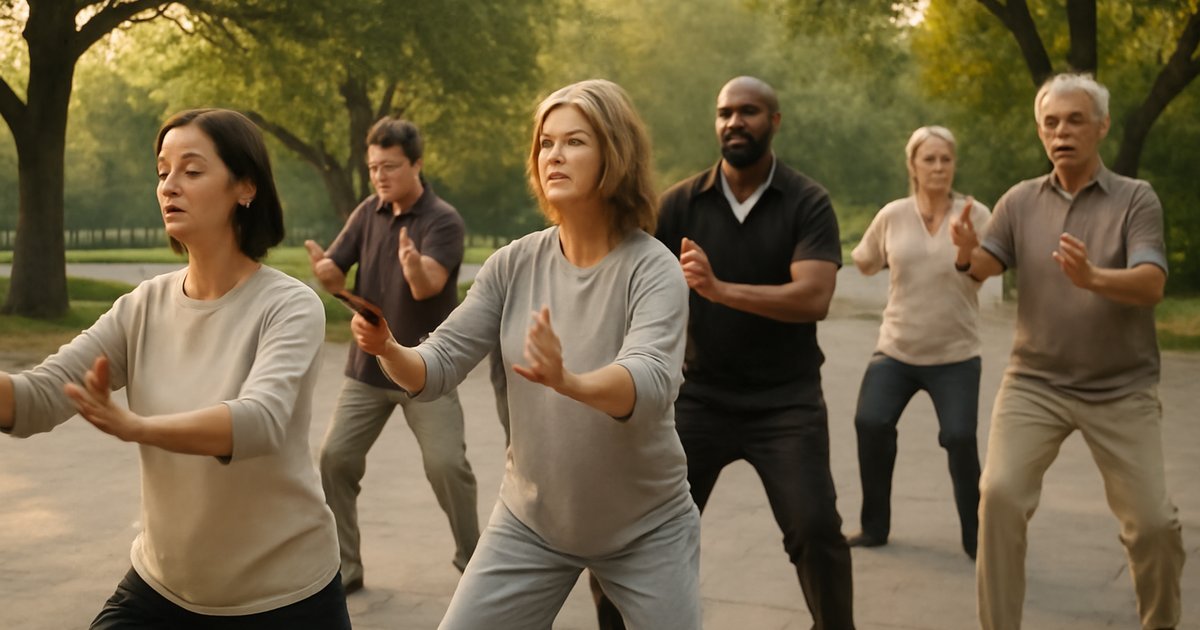
    Tai chi may look simple from the outside — a group of people moving slowly in a park. But the science behind those gentle movements is remarkably robust. For adults between 40 and 70, tai chi offers something rare: a single practice that simultaneously addresses balance, joint health, cardiovascular function, stress, sleep, and cognitive sharpness.

    You don’t need to be athletic, flexible, or pain-free to start. You just need to begin. Talk to your doctor about whether tai chi is appropriate for your specific health situation, find a qualified instructor near you, and commit to a few weeks of consistent practice.

    The research is clear. The risk is minimal. And for many adults, like Margaret, the results can be genuinely life-changing — one slow, deliberate step at a time.


    Medical Disclaimer: This article is for informational and educational purposes only. It does not constitute medical advice, diagnosis, or treatment. Always consult your physician or a qualified healthcare provider before making changes to your health routine or treatment plan.

    Medically reviewed by our editorial health team. Content follows evidence-based standards aligned with CDC and NIH guidelines.
  • Pilates After 40: Core Strength, Posture & Pain Relief

    Pilates After 40: Core Strength, Posture & Pain Relief

    How a century-old movement method is helping millions of Americans in their 40s, 50s, and 60s rebuild strength, fix posture, and finally get relief from chronic back pain.

    Why Pilates Deserves Your Attention After 40

    Mark, 54, had spent nearly a decade managing lower back pain with heating pads, ibuprofen, and wishful thinking. His orthopedist had cleared him for exercise but warned against anything high-impact. A physical therapist recommended Pilates. Within eight weeks, Mark was sleeping through the night for the first time in years.

    His story isn’t unusual. According to the National Institutes of Health, an estimated 80% of Americans will experience back pain at some point in their lives — and adults over 40 are disproportionately affected. Meanwhile, age-related muscle loss (known clinically as sarcopenia) begins as early as your mid-30s, accelerating joint instability and postural decline with every passing decade.

    Pilates — a structured, low-impact exercise system built around controlled movement, breathing, and core engagement — has emerged as one of the most evidence-supported fitness approaches for adults navigating these challenges. In this guide, you’ll learn exactly what Pilates is, what the research says about its benefits, how to get started safely after 40, and what to watch for if you have existing health conditions.

    What Is Pilates? A Clinical Overview

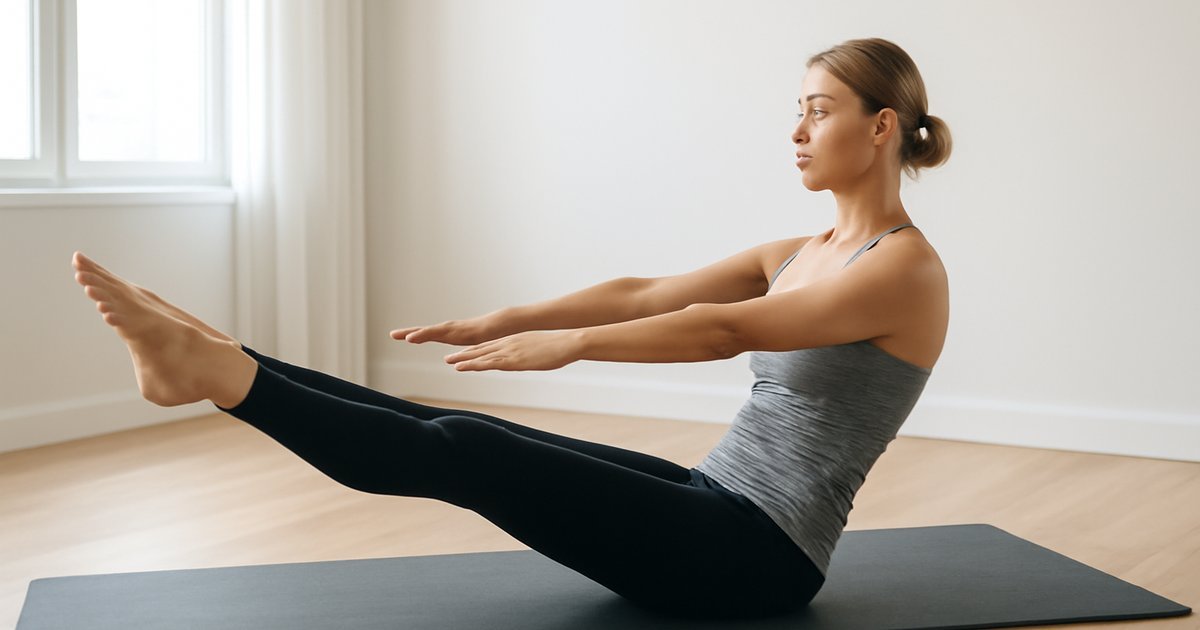
    Pilates is a system of exercises developed in the early 20th century by Joseph Pilates, originally designed to rehabilitate injured soldiers and dancers. Today it is practiced in two primary formats: mat Pilates, performed on the floor using only body weight, and reformer Pilates, which uses a spring-resistance apparatus to add load and variety.

    Unlike traditional strength training that often isolates individual muscle groups, Pilates emphasizes integrated movement — training the body to move as a coordinated system. Every exercise involves deliberate activation of the core musculature, which includes not just the abdominal muscles but the deep spinal stabilizers, pelvic floor muscles, and the muscles surrounding the hips and lower back.

    The six foundational Pilates principles are concentration, control, centering, flow, precision, and breath. These principles make Pilates as much a neuromuscular training method as a physical one — meaning your nervous system and muscles are both being trained simultaneously.

    According to the American College of Sports Medicine, Pilates qualifies as a muscular endurance and flexibility training modality and is appropriate for a wide range of fitness levels, including beginners and those with chronic musculoskeletal conditions.

    The Science-Backed Benefits of Pilates After 40

    Research into Pilates has expanded significantly over the past two decades, and the findings are particularly compelling for adults in midlife and beyond.

    Core Strength and Spinal Stability

    A 2015 meta-analysis published in the journal Medicine & Science in Sports & Exercise found that Pilates training significantly improved core muscle activation and lumbar stability compared to control groups. For adults over 40 — when intervertebral disc hydration decreases and spinal ligaments lose elasticity — this kind of deep stabilization work is clinically meaningful.

    Stronger core muscles take pressure off the vertebral joints, reducing the mechanical strain that contributes to chronic low back pain, disc herniation risk, and spinal compression.

    Posture Correction and Alignment

    Prolonged desk work, smartphone use, and the gradual weakening of postural muscles contribute to what clinicians call forward head posture and thoracic kyphosis — the hunched upper back increasingly common in middle-aged adults. The NIH reports that poor posture is associated with increased risk of neck pain, shoulder impingement, and even breathing restriction.

    Pilates systematically targets the muscles responsible for upright posture — particularly the deep cervical flexors, rhomboids, lower trapezius, and erector spinae. Clinical evidence suggests that 8 to 12 weeks of consistent Pilates practice can measurably improve spinal alignment and reduce postural pain.

    Balance and Fall Prevention

    The CDC reports that falls are the leading cause of injury-related death among adults aged 65 and older, and balance begins declining measurably in the late 40s. Pilates trains proprioception — your body’s awareness of its position in space — which is a key component of fall prevention.

    A study published in the Journal of Aging and Physical Activity found that older adults who completed a 12-week Pilates program showed significant improvements in static and dynamic balance compared to a control group. This makes Pilates a complementary strategy to explore alongside balance-specific training. If you’re already working on stability, you may also find our guide on Yoga for Fitness After 40 a useful companion resource.

    Chronic Pain Management

    Research published in the Journal of Orthopaedic & Sports Physical Therapy found that Pilates-based exercise was more effective than minimal intervention (such as general advice and walking) for reducing chronic low back pain and improving functional disability scores in adults. Most physicians now consider Pilates a first-line non-pharmacological option for back pain management when performed correctly.

    Flexibility and Joint Mobility

    Clinical evidence indicates that regular Pilates practice improves hamstring flexibility, hip joint range of motion, and thoracic spine mobility — all of which tend to decrease with age and contribute to stiffness and pain in daily movement.

    Signs You May Be Ready for Pilates (and When to Check First)

    You don’t need to be in peak physical condition to start Pilates. In fact, many people come to it because they’re deconditioned, in pain, or recovering from injury. That said, certain signs suggest Pilates may be especially beneficial for you right now:

    • Persistent low back or neck pain that isn’t explained by a serious structural cause
    • Noticeable loss of flexibility or stiffness when rising from a chair or bed
    • Poor posture that has worsened over recent years
    • A feeling of weakness or instability in your trunk or hips
    • Recent completion of physical therapy that you’d like to maintain
    • A desire for low-impact exercise that won’t stress arthritic joints

    Before you begin, consult your physician if you have: osteoporosis, a recent spinal surgery or fracture, severe herniated discs, advanced arthritis, or cardiovascular conditions that limit exertion. Your doctor may still clear you for Pilates with modifications — but this is a conversation worth having. Our overview of Exercise for Bone Health After 40 also covers important considerations for those with low bone density.

    Getting Started: Practical Guidance for Adults Over 40

    Starting Pilates after 40 looks different than starting at 25. Here’s how to do it intelligently.

    Choose the Right Format

    Mat Pilates is the most accessible entry point — you can begin at home with a quality mat, a few instructional videos, or a community class. It requires no equipment and builds foundational body awareness.

    Reformer Pilates is typically offered at dedicated studios. The spring resistance system allows for highly controlled movement with varying levels of difficulty — making it excellent for rehabilitation contexts and for those who want more structured progression.

    If you have a specific injury or chronic condition, consider starting with a certified Pilates instructor who holds additional rehabilitation credentials, such as a physical therapist who integrates Pilates, or a PMA-certified instructor (Pilates Method Alliance) experienced in working with older adults.

    Sample Beginner Pilates Exercises for Adults Over 40

    These are commonly included in beginner programs and are generally well-tolerated by adults with mild back pain or stiffness. Always perform these on a non-slip mat in a quiet space, and stop immediately if you feel sharp or radiating pain.

    • The Hundred (modified): Lying on your back, knees bent and feet flat. Lift your head and shoulders off the mat while pumping your arms rhythmically as you inhale for five counts and exhale for five counts. This builds core endurance and deepens your breathing pattern. Beginners keep the knees bent rather than extending the legs.
    • Pelvic Curl: Lying on your back, feet flat on the mat. Slowly peel your spine off the mat one vertebra at a time until your hips are lifted. Pause, then roll down with equal control. This mobilizes the lumbar spine and activates the glutes and hamstrings.
    • Spine Stretch Forward: Seated upright with legs extended (or slightly bent). Exhale and reach forward, rounding the spine gently, then return to tall sitting. This stretches the posterior chain and reinforces upright posture.
    • Single Leg Stretch: Lying on your back, bring one knee to your chest while the other leg extends long. Switch legs in a controlled rhythm. This challenges core stability and hip flexor strength simultaneously.
    • Cat-Cow (Pilates variation): On hands and knees, alternate between arching and rounding the spine with deliberate breath coordination. This is one of the most therapeutic exercises available for lumbar stiffness and spinal mobility.

    How Often Should You Practice?

    Most clinical evidence and experienced instructors recommend two to three sessions per week for adults new to Pilates, with at least one rest day between sessions. Research suggests that noticeable improvements in core strength, posture, and pain levels typically emerge within six to twelve weeks of consistent practice.

    This varies from person to person based on starting fitness level, the presence of chronic conditions, and the quality of instruction received.

    Pilates and Common Conditions in Adults Over 40

    Arthritis

    The Arthritis Foundation recognizes low-impact exercise, including Pilates, as beneficial for managing joint pain and maintaining mobility in people with osteoarthritis and rheumatoid arthritis. The key is avoiding positions that compress painful joints — a qualified instructor can modify exercises accordingly.

    Osteoporosis

    Pilates can be performed safely with osteoporosis, but certain movements — specifically those involving spinal flexion (forward rounding) — should be avoided or modified to reduce vertebral fracture risk. Clinical guidelines from the National Osteoporosis Foundation recommend focusing on extension-based and standing exercises instead. Always discuss this with your physician before beginning.

    Chronic Low Back Pain

    This is arguably where Pilates has the strongest evidence base. The NIH’s National Center for Complementary and Integrative Health acknowledges Pilates-based exercise as a promising non-pharmacological intervention for chronic low back pain, particularly when combined with conventional medical care rather than used as a replacement for it.

    Postural Pain from Desk Work

    Adults who spend six or more hours per day seated — which describes a large proportion of working Americans over 40 — commonly develop tension in the hip flexors, weakness in the gluteal muscles, and forward head posture. Pilates directly addresses all three through targeted strengthening and mobility work.

    When to Call Your Doctor or Seek Emergency Care

    While Pilates is a low-risk activity for most adults, you should stop exercising immediately and seek medical attention if you experience:

    • Sharp, radiating pain down one or both legs during or after exercise
    • Sudden numbness, tingling, or weakness in the arms or legs
    • Chest pain, tightness, or shortness of breath during light exertion
    • Dizziness, loss of balance, or fainting during exercise
    • A sudden worsening of back pain following a new exercise
    • Loss of bladder or bowel control (this can indicate serious spinal nerve involvement)

    At your next routine appointment, consider telling your doctor: “I’ve started Pilates for core strength and back pain — are there specific movements I should avoid given my history?” This opens a productive conversation and ensures your exercise plan aligns with your overall care.

    Frequently Asked Questions About Pilates After 40

    Is Pilates enough exercise on its own, or do I need to add cardio?
    Pilates is excellent for strength, flexibility, and pain management, but it does not typically provide the cardiovascular challenge that guidelines from the American Heart Association recommend — at least 150 minutes of moderate-intensity aerobic activity per week. Think of Pilates as a powerful complement to cardio, not a complete replacement. Low-impact options like walking for fitness after 40 pair especially well with a regular Pilates practice.

    Can Pilates help with weight loss after 40?
    Pilates can support body composition changes by building lean muscle mass and improving metabolic efficiency, but research suggests it is less effective for caloric burn than aerobic exercise. Combined with a balanced diet and cardio training, it can meaningfully contribute to a healthy weight management plan.

    Is mat Pilates or reformer Pilates better for beginners?
    Both are appropriate for beginners. Mat Pilates is more accessible and affordable. Reformer Pilates provides more feedback through spring resistance and is often preferred in clinical rehabilitation settings. If cost or access is a factor, mat Pilates with quality instruction is a fully valid starting point.

    How long before I see results from Pilates?
    Most adults report noticeable improvements in posture and back pain within 6 to 12 weeks of consistent practice (two to three sessions per week). Strength and flexibility gains are typically measurable by the 8-week mark, though this varies from person to person.

    Can I do Pilates if I’ve had back surgery?
    This depends entirely on the type of surgery, how recently it was performed, and your surgeon’s clearance. Many post-surgical patients are referred to Pilates as part of their rehabilitation — but always get explicit approval from your surgeon or physical therapist before beginning, and work with an instructor who has experience in post-surgical recovery.

    Moving Forward: The Takeaway on Pilates After 40

    Pilates isn’t a trend. It’s a rigorously structured, evidence-supported movement practice that speaks directly to the physical challenges adults face in their 40s, 50s, and 60s — declining core strength, postural deterioration, chronic pain, and reduced balance.

    The research is clear: consistent, properly instructed Pilates can meaningfully reduce back pain, improve spinal alignment, enhance balance, and build the foundational strength that makes every other physical activity safer and easier. It works best as part of a complete fitness strategy that includes cardiovascular exercise, adequate rest, and appropriate nutrition.

    You don’t need to be flexible or fit to start. You just need a qualified instructor, medical clearance if you have existing conditions, and the willingness to be patient with a process that builds real, lasting results. Start slow, listen to your body, and let your doctor know you’ve begun.


    Medical Disclaimer: This article is for informational and educational purposes only. It does not constitute medical advice, diagnosis, or treatment. Always consult your physician or a qualified healthcare provider before making changes to your health routine or treatment plan.

    Medically reviewed by our editorial health team. Content follows evidence-based standards aligned with CDC and NIH guidelines.

  • Exercising with Arthritis: A Guide for Adults 30-70

    Exercising with Arthritis: A Guide for Adults 30-70

    Movement can be a powerful tool in managing arthritis, offering relief and improved quality of life.

    According to the CDC, as of 2019-2021, an estimated 58.5 million US adults had been diagnosed with arthritis, making it a leading cause of disability. If you’re one of them, you might believe that exercise is harmful for your joints. However, for most types of arthritis, regular physical activity is not only safe but also one of the most effective strategies for managing symptoms and improving your overall well-being.

    This comprehensive guide will help you understand how to approach exercise with arthritis safely and effectively. We’ll explore the types of exercises that benefit your joints, strategies for managing pain, and when to seek professional medical advice. Our goal is to empower you to move more freely, reduce discomfort, and embrace an active, healthier lifestyle, all while prioritizing your joint health.

    What Is Arthritis?

    Arthritis is a general term encompassing more than 100 conditions that affect joints, the tissues surrounding joints, and other connective tissues. The most common feature across all types is joint inflammation, which typically causes pain, stiffness, and swelling.

    The two most prevalent forms are osteoarthritis (OA) and rheumatoid arthritis (RA). Osteoarthritis, often called “wear-and-tear” arthritis, occurs when the cartilage that cushions the ends of bones in your joints gradually deteriorates. Rheumatoid arthritis, by contrast, is an autoimmune disease where the body’s immune system mistakenly attacks its own tissues, primarily the lining of the joints.

    Why does it matter? Arthritis can significantly impact your daily life, making simple tasks like walking, gripping, or even sleeping difficult. The persistent pain and stiffness can lead to reduced physical activity, which in turn can weaken muscles, decrease joint flexibility, and exacerbate symptoms. The CDC reported, as of 2019-2021, that osteoarthritis was the most common form, affecting over 32.5 million US adults, highlighting its widespread impact on public health.

    Benefits of Exercise for Arthritis

    It might seem counterintuitive to exercise when your joints hurt, but regular, appropriate physical activity offers numerous benefits that can significantly improve arthritis symptoms and your quality of life.

    Here’s how exercise helps:

    • Reduces Pain and Stiffness: Movement helps lubricate your joints and can reduce pain signals over time.
    • Increases Joint Flexibility and Range of Motion: Regular stretching and movement help keep your joints mobile.
    • Strengthens Muscles: Strong muscles provide better support for your joints, reducing stress and protecting them from further damage.
    • Improves Balance and Coordination: This can help prevent falls, which are particularly concerning for individuals with joint pain.
    • Boosts Mood and Energy: Exercise is a natural mood enhancer and can combat fatigue often associated with chronic conditions like arthritis.
    • Aids in Weight Management: Maintaining a healthy weight reduces the load on weight-bearing joints like your knees and hips.

    A meta-analysis published in the journal Arthritis Care & Research in 2015 highlighted that exercise programs significantly reduce pain and improve physical function in people with osteoarthritis. While individual results may vary, clinical evidence consistently indicates that appropriate exercise is a cornerstone of arthritis management.

    Types of Exercise Beneficial for Arthritis

    The key to exercising with arthritis is choosing activities that are joint-friendly and avoid high-impact stress. Most physicians recommend a balanced routine that includes a combination of low-impact cardio, strength training, flexibility exercises, and balance activities.

    Low-Impact Aerobic Exercise

    These activities raise your heart rate and improve stamina without putting excessive stress on your joints. Examples include:

    • Walking: Start with short distances and gradually increase duration and intensity. Wear supportive shoes.
    • Swimming or Water Aerobics: The buoyancy of water supports your body weight, reducing stress on joints. This is often recommended for severe joint pain.
    • Cycling: Stationary bikes are a great option, as they allow for controlled movement. Consider a recumbent bike if you have back pain.
    • Elliptical Trainers: These machines provide a smooth, gliding motion that’s easy on the joints.

    For more in-depth guidance on these types of activities, you might find our Low-Impact Exercise After 40: The Complete Guide helpful.

    Strength Training

    Building muscle around affected joints helps to stabilize them, reduce stress, and improve function. Focus on major muscle groups, using light weights, resistance bands, or your own body weight. Proper form is crucial to prevent injury. The Arthritis Foundation highlights that strengthening exercises are vital for supporting joint structures.

    Learn more about safe and effective muscle building in our article, Strength Training After 40: The Complete Guide to Building Muscle Safely.

    Flexibility and Range of Motion Exercises

    Gentle stretching helps maintain and improve the mobility of your joints, reducing stiffness. Hold stretches for 20-30 seconds, never bouncing. Examples include:

    • Gentle stretches for all major joints.
    • Yoga or Tai Chi: These mind-body practices combine gentle movements, stretching, and breathing, which can be excellent for flexibility and balance.

    For comprehensive stretching routines, check out Flexibility & Mobility Training: The Complete Guide for Adults Over 40.

    Balance Exercises

    Important for preventing falls, which can be particularly dangerous when you have arthritis. Activities like Tai Chi, standing on one leg (with support), and heel-to-toe walking can improve stability. A 2013 review published in the Journal of Geriatric Physical Therapy found that balance training effectively reduces fall risk in older adults, a benefit that extends to those managing arthritis.

    Designing Your Arthritis-Friendly Exercise Plan

    Creating an exercise plan when you have arthritis requires careful consideration and, ideally, guidance from a healthcare professional. Here’s how to get started:

    Consult Your Doctor First

    Before beginning any new exercise regimen, talk to your primary care physician, rheumatologist, or a physical therapist. They can help identify any specific limitations, recommend appropriate activities, and advise on modifications based on your type of arthritis and overall health. The NIH’s National Institute of Arthritis and Musculoskeletal and Skin Diseases (NIAMS) consistently emphasizes the importance of individualized exercise plans for optimal outcomes in managing chronic joint conditions.

    Start Slow and Gradually Progress

    Begin with short durations (e.g., 5-10 minutes) and low intensity. Gradually increase the time and intensity as your body adapts. Pushing too hard too soon can lead to pain and setbacks.

    Warm-Up and Cool-Down

    Always dedicate 5-10 minutes to gentle warm-up exercises (like marching in place or arm circles) before your main workout. Follow your workout with a 5-10 minute cool-down of gentle stretching to maintain flexibility and prevent muscle soreness.

    Listen to Your Body

    Pay attention to pain signals. Acknowledge the difference between muscle fatigue and joint pain. If an exercise causes sharp, stabbing, or persistent joint pain, stop immediately and rest. This varies from person to person, so learning your body’s signals is crucial.

    Pacing and Consistency

    Aim for consistency rather than intense, infrequent workouts. Breaking up your activity throughout the day can also be beneficial (e.g., three 10-minute walks instead of one 30-minute walk). Most physicians recommend at least 150 minutes of moderate-intensity aerobic activity per week, plus two days of strength training, spread out appropriately.

    Managing Pain During Exercise

    Experiencing some discomfort during exercise, especially when starting a new routine, is normal. However, joint pain from arthritis needs careful management. It’s crucial to differentiate between muscle soreness, which is common with new exercise, and joint pain, which indicates potential strain or inflammation.

    Before You Exercise

    • Assess Your Pain: On a scale of 0-10, if your pain is higher than a moderate level (e.g., 5-6), consider a lighter activity or rest. Don’t push through severe pain.
    • Warm-Up Thoroughly: A proper warm-up increases blood flow to muscles and makes joints more pliable.
    • Consider Heat Therapy: A warm bath or a heating pad on affected joints for 15-20 minutes before exercise can help loosen stiff joints. A 2012 review in the Journal of Clinical Rheumatology found that heat therapy can temporarily relieve stiffness and pain.

    During Exercise

    • Modify, Don’t Stop: If an exercise causes discomfort, try modifying it. For example, use a shorter range of motion or reduce resistance.
    • Use Assistive Devices: Braces or supports for knees or wrists can provide stability and reduce pain during activity. Canes or walkers can assist with balance and weight bearing.
    • Take Breaks: Short, frequent breaks can prevent overexertion and joint stress.

    After Exercise

    • Apply Cold Therapy: If you experience joint swelling or acute pain, apply an ice pack for 15-20 minutes to reduce inflammation. The Mayo Clinic recommends this for post-exercise joint pain.
    • Gentle Stretching: A cool-down with gentle stretches helps improve flexibility and reduce muscle tightness.
    • Rest: Allow your body adequate time to recover, especially between strength training sessions.

    Nutrition and Lifestyle for Joint Health

    Beyond exercise, your daily habits significantly influence arthritis management. A holistic approach that includes nutrition, weight management, and stress reduction can complement your fitness efforts and promote overall joint health.

    Weight Management

    Maintaining a healthy weight is paramount, especially if you have arthritis in weight-bearing joints like your knees, hips, or spine. Excess body weight puts additional stress on these joints, accelerating cartilage breakdown and increasing pain. The Arthritis Foundation highlights that losing even a small amount of weight (e.g., 10-12 pounds) can significantly reduce joint pain and improve function in people with knee osteoarthritis.

    Anti-Inflammatory Diet

    While no specific diet can cure arthritis, certain foods have anti-inflammatory properties that may help manage symptoms. Focus on a diet rich in:

    • Omega-3 Fatty Acids: Found in fatty fish (salmon, mackerel), flaxseeds, and walnuts, these can reduce inflammation.
    • Fruits and Vegetables: Rich in antioxidants, which combat free radicals that contribute to inflammation.
    • Whole Grains: Opt for oats, brown rice, and whole-wheat bread over refined grains.
    • Healthy Fats: Olive oil, avocados, and nuts contain monounsaturated fats that are considered beneficial.

    Conversely, limiting processed foods, red meat, sugary drinks, and unhealthy fats may help reduce systemic inflammation. For more on fueling your body for activity, refer to our Exercise Nutrition After 40: Fuel Your Workouts Right guide.

    Stress Management and Sleep

    Chronic stress can exacerbate pain and inflammation, particularly in autoimmune forms of arthritis like RA. Practices such as meditation, deep breathing exercises, and spending time in nature can help manage stress levels. Adequate, restorative sleep (7-9 hours per night for most adults) is also vital for pain management and overall immune function, playing a crucial role in the body’s repair processes.

    When to Call Your Doctor / Emergency Signs

    While exercise is beneficial, it’s essential to recognize when your symptoms require medical attention. Prompt consultation with your doctor can prevent further joint damage and help adjust your treatment plan.

    When to Call Your Doctor:

    • Persistent or Worsening Pain: If joint pain doesn’t improve with rest, home remedies, or your current exercise modifications.
    • New Swelling, Redness, or Warmth: These could indicate increased inflammation, infection, or a flare-up.
    • Decreased Range of Motion: If you notice a sudden or progressive loss of joint movement.
    • Changes in Joint Function: Such as difficulty performing daily tasks that were previously manageable.
    • Symptoms Spreading: If new joints become affected or symptoms spread to other parts of your body.

    Emergency Signs (Seek Immediate Medical Care):

    • Sudden, Severe, Unexplained Joint Pain: Especially if it comes on abruptly without injury.
    • High Fever with Joint Pain: This could indicate a serious infection (septic arthritis) that requires urgent treatment.
    • Inability to Bear Weight: If a joint suddenly gives out or you cannot put weight on it.
    • Joint Deformity or Dislocation: A visible change in the joint’s shape or position.

    What to Tell Your Doctor at the Next Visit:

    Be prepared to discuss your current exercise routine, including types of activities, duration, and frequency. Describe any new or persistent symptoms, including pain levels, stiffness, and how they affect your daily activities. Mention any modifications you’ve tried and their effectiveness. Your detailed observations are invaluable for your doctor to tailor recommendations.

    Frequently Asked Questions

    Q1: Can exercise make my arthritis worse?

    When done incorrectly or excessively, exercise can potentially aggravate symptoms. However, appropriate, low-impact exercise supervised by a healthcare professional is overwhelmingly beneficial and generally does not worsen arthritis. The key is to listen to your body and avoid movements that cause sharp pain.

    Q2: What’s the best exercise for knee arthritis?

    For knee arthritis, exercises that strengthen the muscles around the knee (quadriceps and hamstrings) are particularly helpful. Low-impact activities like swimming, cycling, and walking are excellent choices. Flexibility exercises for the knee and surrounding muscles also contribute to better mobility. Always prioritize activities that don’t cause acute pain.

    Q3: How often should I exercise with arthritis?

    Most health organizations, including the CDC, recommend aiming for at least 150 minutes of moderate-intensity aerobic activity per week, along with two or more days of strength training that works all major muscle groups. For arthritis, this might mean shorter, more frequent sessions (e.g., 10-15 minutes, 2-3 times a day) on most days of the week, especially when starting out. Consistency is more important than intensity.

    Q4: Should I exercise during a flare-up?

    During an arthritis flare-up, when your pain and inflammation are significantly worse, it’s generally best to rest or engage only in very gentle, pain-free range-of-motion exercises. Avoid strenuous activity during a flare. Once the flare subsides, gradually resume your regular exercise routine. Always consult your doctor for guidance during flare-ups, as this varies from person to person.

    Q5: Are there any exercises I should avoid with arthritis?

    Generally, avoid high-impact activities that jar your joints, such as running, jumping, or high-impact aerobics, unless specifically cleared by your doctor. Also, steer clear of repetitive movements that put excessive strain on a single joint, or any exercise that causes sharp, stabbing, or persistent joint pain. The goal is to move, not to inflict pain.

    Conclusion

    Living with arthritis doesn’t mean resigning yourself to a sedentary life. On the contrary, strategic and consistent exercise is a powerful tool in your arsenal against joint pain, stiffness, and reduced mobility. By embracing low-impact activities, building strength, improving flexibility, and listening carefully to your body, you can significantly enhance your physical function and overall well-being. Remember that managing arthritis is a marathon, not a sprint, and there will be good days and challenging ones.

    Always remember to consult your healthcare provider before starting any new exercise program, especially with a chronic condition like arthritis. They can provide personalized recommendations tailored to your specific diagnosis and needs, helping you move towards a more active, pain-managed life. Your journey to better joint health begins with a single, informed step.

    MEDICAL DISCLAIMER

    This article is for informational and educational purposes only. It does not constitute medical advice, diagnosis, or treatment. Always consult your physician or a qualified healthcare provider before making changes to your health routine or treatment plan.

    AUTHOR LINE

    Medically reviewed by our editorial health team. Content follows evidence-based standards aligned with CDC and NIH guidelines.

  • Low-Impact Exercise After 40: The Complete Guide

    Low-Impact Exercise After 40: The Complete Guide

    Your joints deserve a smarter workout — and so does your long-term health.

    Mark, 52, had spent years believing that exercise meant punishment — burning lungs, aching knees, and the kind of soreness that kept him on the couch for three days after every gym session. When his doctor suggested low-impact exercise after a knee injury, he was skeptical. Six months later, he’d lost 18 pounds, his blood pressure had dropped, and he was moving better than he had in his 30s.

    Mark’s story isn’t unusual. According to the CDC, nearly 54 million American adults live with some form of arthritis, and millions more manage joint pain, chronic back issues, or post-surgical recovery — conditions that make high-impact workouts feel impossible or even dangerous. Yet physical inactivity remains one of the leading preventable causes of chronic disease in the United States.

    The good news: low-impact exercise delivers powerful, evidence-backed health benefits — including improved cardiovascular fitness, stronger muscles, better bone density, and sharper mental health — without hammering your joints. This guide breaks down everything you need to know about low-impact exercise after 40, from the science behind it to practical routines you can start this week.

    What Is Low-Impact Exercise?

    Low-impact exercise refers to any physical activity in which at least one foot — or another body part — maintains contact with the ground or a supportive surface at all times, significantly reducing the forces transmitted through your joints during movement. Unlike high-impact activities such as running or jumping, low-impact workouts minimize ground reaction force, which is the pressure your body absorbs with each step or landing.

    This distinction matters enormously as we age. Research published by the NIH confirms that musculoskeletal injuries — particularly to knees, hips, and ankles — become increasingly common after age 40, partly because cartilage naturally thins and tendons lose some elasticity over time. Low-impact movement works with your body’s changing physiology rather than against it.

    Common low-impact exercises include:

    • Walking (brisk or moderate pace)
    • Swimming and water aerobics
    • Cycling (stationary or outdoor)
    • Elliptical machine training
    • Yoga and tai chi
    • Pilates
    • Rowing (machine or on water)
    • Dance fitness (low-impact formats)

    Crucially, "low-impact" does not mean "low-intensity." Research suggests you can achieve the same cardiovascular and muscular benefits as high-impact training while dramatically reducing injury risk — making this approach ideal for adults over 40, especially those managing joint conditions, excess weight, or recovering from injury.

    Why Low-Impact Exercise Matters More After 40

    By the time most adults reach their 40s, several physiological changes are already underway that make joint-friendly exercise not just beneficial but strategically important.

    According to the American College of Sports Medicine (ACSM), adults begin losing approximately 3 to 5 percent of muscle mass per decade after age 30 — a process called sarcopenia. Without consistent resistance-based movement, this accelerates significantly after 40. Simultaneously, bone density begins declining, increasing fracture risk, particularly in women approaching menopause.

    The CDC reports that adults aged 45 to 64 experience the highest rates of activity-related musculoskeletal injuries among working-age adults. High-impact training can exacerbate these risks, particularly for those who are deconditioned or returning to exercise after a long break.

    Low-impact exercise addresses all of these challenges simultaneously:

    • Cardiovascular health: Sustained, moderate-intensity low-impact cardio strengthens the heart and improves VO2 max — your body’s capacity to use oxygen efficiently — with comparable results to running, per research from the Mayo Clinic.
    • Muscle preservation: Water-based resistance training and Pilates have been shown in clinical studies to effectively maintain and even build lean muscle mass in adults over 40.
    • Joint protection: Aquatic exercise, in particular, reduces compressive load on weight-bearing joints by up to 90 percent, according to findings published in the Arthritis Foundation’s clinical guidelines.
    • Mental health benefits: A 2024 meta-analysis from the NIH confirmed that low-impact aerobic exercise significantly reduces symptoms of anxiety and depression in adults aged 40 to 70, with effects comparable to pharmaceutical interventions in mild-to-moderate cases.

    This varies from person to person, of course — individual fitness levels, existing conditions, and goals all influence which type of low-impact training is most appropriate for you.

    Signs You Should Prioritize Low-Impact Exercise

    Not everyone over 40 needs to avoid high-impact workouts entirely. However, clinical evidence indicates that low-impact training should be your primary — or sole — mode of exercise if you experience any of the following:

    • Early signs (consider transitioning to low-impact):
      • Persistent joint pain lasting more than 48 hours after exercise
      • Knee or hip stiffness in the morning lasting longer than 30 minutes
      • Recurring shin splints or stress reactions in the feet or legs
      • Recent weight gain that increases load on lower-body joints
      • General deconditioning after a period of inactivity (6 months or more)
    • Stronger indicators (low-impact strongly recommended):
      • Diagnosed osteoarthritis, rheumatoid arthritis, or osteoporosis
      • History of joint replacement (hip, knee, shoulder)
      • Chronic lower back pain or herniated discs
      • Cardiovascular conditions requiring supervised exercise programs
      • Post-surgical recovery (with physician clearance)

    A study from Johns Hopkins Medicine found that adults with knee osteoarthritis who switched from running to aquatic or cycling-based cardio reported a 62 percent reduction in exercise-related pain while maintaining equivalent fitness improvements over 12 weeks.

    The Best Low-Impact Exercises After 40: What the Evidence Says

    Not all low-impact options are created equal. Here’s a clinically informed breakdown of the most effective choices for adults over 40, organized by health benefit.

    For Heart Health: Walking and Cycling

    Brisk walking remains one of the most evidence-supported exercises for cardiovascular health at any age. The American Heart Association recommends at least 150 minutes of moderate-intensity aerobic activity per week — and brisk walking qualifies fully. A landmark study published in the New England Journal of Medicine found that walking reduced the risk of cardiovascular events by 30 percent in adults over 50, even when compared to more vigorous exercise formats.

    Stationary cycling offers a similarly powerful cardiovascular stimulus with near-zero joint impact. Research from the Cleveland Clinic suggests cycling is particularly effective for adults with knee osteoarthritis, delivering cardiorespiratory benefits while simultaneously strengthening the quadriceps muscles that support and protect the knee joint.

    For Full-Body Strength and Flexibility: Swimming and Water Aerobics

    Aquatic exercise is arguably the most joint-friendly modality available. Water provides natural resistance in all directions, meaning every stroke or movement challenges your muscles — while buoyancy eliminates up to 90 percent of the gravitational load on your joints.

    Clinical evidence from the Arthritis Foundation indicates that adults with arthritis who participated in aquatic exercise programs three times per week showed significant improvements in pain levels, joint function, and mood within eight weeks. Swimming, in particular, works virtually every major muscle group simultaneously, making it one of the most efficient full-body workouts available for older adults.

    For Core Strength and Posture: Pilates and Yoga

    Pilates, developed originally for rehabilitation, focuses on controlled, precise movements that strengthen the deep stabilizing muscles of the core, spine, and hips — areas that are critically important for posture, balance, and injury prevention after 40. Research published by the NIH confirms that 12 weeks of Pilates training significantly reduced chronic lower back pain and improved functional mobility in adults aged 45 to 65.

    Yoga — particularly gentle, restorative, or Hatha formats — complements low-impact fitness by improving flexibility, balance, and the mind-body connection. Studies from Harvard Health suggest that consistent yoga practice is associated with reduced cortisol levels, better sleep quality, and improved blood pressure control in middle-aged adults.

    If you’re already incorporating flexibility work into your routine, you may find our guide on Flexibility & Mobility Training: The Complete Guide for Adults Over 40 a valuable complement to the low-impact approach outlined here.

    For Calorie Burn and Endurance: Elliptical Training and Rowing

    The elliptical machine mimics the movement pattern of running without the repetitive impact — making it an excellent option for adults who love the feel of cardio but need to protect their knees and hips. Studies from the American Council on Exercise (ACE) have shown that elliptical training elevates heart rate to levels comparable to jogging while reducing joint stress by approximately 75 percent.

    Rowing — whether on a machine or on water — provides an exceptional combination of cardiovascular training and full-body resistance work. Because roughly 60 percent of the rowing stroke is driven by the legs and 40 percent by the upper body and core, it builds balanced muscular strength while keeping impact minimal.

    How to Build Your Low-Impact Routine: A Practical Framework

    Clinical guidelines from the American College of Sports Medicine suggest that adults over 40 aim for the following each week:

    • 150–300 minutes of moderate-intensity aerobic activity (brisk walking, cycling, swimming)
    • 2–3 days of muscle-strengthening activity targeting all major muscle groups
    • 2–3 days of flexibility and mobility work (yoga, stretching, Pilates)
    • Balance training incorporated 2–3 days per week — especially important for fall prevention after 50

    A well-rounded sample weekly schedule might look like this:

    • Monday: 40-minute brisk walk + 15-minute Pilates core session
    • Tuesday: 45-minute aquatic exercise class or swimming
    • Wednesday: Active recovery — gentle yoga or stretching (see our guide on recovery days after 40 for why this step matters)
    • Thursday: 40-minute stationary bike + bodyweight strength circuit
    • Friday: 30-minute elliptical session + balance exercises
    • Saturday: Outdoor walk, recreational cycling, or a gentle yoga class
    • Sunday: Full rest or light stretching

    Most physicians recommend starting conservatively — especially if you’ve been inactive for more than a few months — and gradually increasing duration and intensity over four to six weeks. This approach reduces injury risk and allows your cardiovascular and musculoskeletal systems to adapt safely.

    Maximizing Results: Tips Backed by Clinical Evidence

    Getting the most from low-impact exercise after 40 involves more than just showing up. These evidence-based strategies can significantly amplify your results:

    • Prioritize consistency over intensity: Research from the NIH consistently shows that frequency and regularity of exercise produce greater long-term health outcomes than occasional high-intensity efforts. Aim for movement most days of the week, even if individual sessions are shorter.
    • Add resistance progressively: Low-impact doesn’t mean easy. Water resistance, resistance bands, and bodyweight progressions can all challenge your muscles effectively. Increasing resistance gradually — every two to three weeks — triggers continued muscle adaptation.
    • Don’t neglect balance work: Falls are the leading cause of injury-related death among adults over 65, according to the CDC. Incorporating balance challenges — such as single-leg stands, heel-to-toe walking, or tai chi — into your low-impact routine is critically important. Our article on Balance Training After 40 covers this in depth.
    • Warm up and cool down: Clinical evidence from the American Council on Exercise indicates that a five- to ten-minute dynamic warm-up (gentle movements that gradually increase range of motion) reduces soft-tissue injury risk and improves exercise performance. A similar cool-down period supports recovery and flexibility.
    • Track your perceived exertion: Most physicians recommend exercising at a moderate intensity — roughly a 5 or 6 on a 1-to-10 effort scale — where you can speak in short sentences but couldn’t sing comfortably. This is sometimes called the "talk test."

    When to Call Your Doctor — and What Needs Immediate Attention

    Low-impact exercise is generally safe for most adults, but certain symptoms should prompt a call to your healthcare provider before continuing any fitness program.

    Schedule a visit with your doctor if you experience:

    • Joint pain that worsens progressively despite reducing exercise intensity
    • Swelling in one or both joints that persists for more than 24 hours
    • Unexplained fatigue or weakness that doesn’t resolve with rest
    • Shortness of breath during activities that previously felt manageable
    • Dizziness, lightheadedness, or heart palpitations during or after exercise

    Seek emergency care immediately (call 911) if you experience:

    • Chest pain, tightness, or pressure during or after exercise
    • Sudden severe shortness of breath
    • Loss of consciousness or near-fainting
    • Sudden severe joint or muscle pain following a movement (may indicate acute injury or tear)
    • Sudden severe headache during exercise

    Before starting any new exercise program — particularly if you have a chronic health condition, take prescription medications, or have been inactive for an extended period — the American Heart Association recommends consulting with your physician first. A pre-exercise health evaluation can identify any conditions that require monitoring or modification.

    Frequently Asked Questions

    Q: Can low-impact exercise help me lose weight after 40?
    A: Absolutely. Clinical evidence indicates that consistent moderate-intensity low-impact exercise — particularly when combined with attention to diet — is effective for weight management in adults over 40. Research from the NIH suggests that aerobic exercise like brisk walking or cycling, performed five or more days per week, produces meaningful reductions in visceral fat (the dangerous abdominal fat linked to metabolic disease) even without dramatic dietary changes. The key is consistency over time rather than intensity.

    Q: Is low-impact exercise enough to build muscle, or do I need to lift heavy weights?
    A: Research suggests that low-impact resistance training — including water-based exercise, resistance bands, and bodyweight progressions — can effectively preserve and build lean muscle mass in adults over 40, particularly when performed with sufficient volume and progressive resistance. However, if building significant muscle is a primary goal, your physician or a certified fitness professional may recommend incorporating some form of progressive resistance training alongside your low-impact cardio.

    Q: How long before I see results from low-impact exercise?
    A: Most people begin noticing improvements in energy, mood, and sleep quality within two to four weeks of consistent exercise. Measurable cardiovascular improvements typically appear within six to eight weeks, according to the American College of Sports Medicine. Visible changes in body composition generally take eight to twelve weeks or longer, depending on diet and individual factors. This varies from person to person.

    Q: Is yoga or Pilates enough, or do I also need cardio?
    A: Yoga and Pilates are outstanding for flexibility, core strength, balance, and mental well-being — but most clinical guidelines, including those from the CDC and ACSM, also recommend dedicated cardiovascular exercise for heart health and metabolic benefits. Most physicians recommend combining practices: use yoga or Pilates two to three days per week alongside aerobic activities like walking, swimming, or cycling on other days.

    Q: Can I do low-impact exercise if I have a knee replacement?
    A: Many adults successfully return to regular low-impact exercise following knee replacement surgery, but timing and specific activities must be guided by your orthopedic surgeon and physical therapist. Swimming, cycling, and walking are commonly recommended post-replacement activities — often introduced in a graduated program beginning weeks after surgery. Never start an exercise program post-surgery without explicit physician clearance.

    Conclusion

    Low-impact exercise isn’t a compromise — it’s a strategy. For adults over 40, it represents one of the most scientifically sound, sustainable, and joint-friendly ways to maintain cardiovascular health, preserve muscle mass, support mental well-being, and protect your body for the decades ahead.

    Whether you’re stepping into the pool for the first time, rediscovering the rhythm of a morning walk, or finding your breath on a yoga mat — these movements matter. They add up, day by day, into a healthier, more capable version of you.

    Talk to your doctor before making significant changes to your exercise routine, especially if you have existing health conditions. With the right guidance and a consistent plan, low-impact exercise can be one of the most powerful health investments you make after 40.


    Medical Disclaimer: This article is for informational and educational purposes only. It does not constitute medical advice, diagnosis, or treatment. Always consult your physician or a qualified healthcare provider before making changes to your health routine or treatment plan.

    Medically reviewed by our editorial health team. Content follows evidence-based standards aligned with CDC and NIH guidelines.