Stretching After 40: Routines for Flexibility & Pain Relief
A targeted stretching routine may be one of the most undervalued tools for maintaining mobility, reducing chronic pain, and protecting long-term joint health after 40.
Why Stretching Becomes Non-Negotiable After 40
Marcus, 52, spent most of his adult life at a desk. By the time he reached his late forties, getting out of bed in the morning had become a slow, painful process. His lower back ached, his hips felt locked, and his shoulders carried a constant tension he had stopped noticing years ago.
His doctor didn't prescribe surgery or medication. She prescribed stretching — specifically, a daily flexibility routine tailored to his age and lifestyle. Within eight weeks, Marcus reported significantly less morning stiffness and a noticeable improvement in his posture.
His experience is far from unique. According to the American College of Sports Medicine (ACSM), flexibility declines by approximately 25 to 30 percent between the ages of 30 and 70, with the sharpest drops occurring after age 50. This loss of range of motion contributes to chronic pain, increased injury risk, and reduced quality of life.
In this guide, you'll learn why flexibility changes as you age, which types of stretching offer the most clinical benefit, and how to build a safe, effective daily stretching routine — no gym membership required.
What Happens to Flexibility After 40?
Flexibility refers to the ability of your muscles and connective tissues — tendons, ligaments, and fascia — to lengthen without resistance or injury. It's not just about touching your toes. Flexibility directly affects how well your joints move, how efficiently your muscles function, and how your body absorbs the physical demands of daily life.
After 40, several biological processes work against your flexibility. The body's production of collagen — the protein that gives tissues their elasticity — slows down. Muscles lose water content over time, making fibers stiffer and less pliable. The synovial fluid that lubricates joints decreases in volume, causing stiffness that is especially noticeable in the morning or after long periods of inactivity.
According to the National Institute on Aging (NIA), sedentary behavior accelerates these changes significantly. Adults who sit for more than six hours a day experience faster flexibility loss than those who maintain regular movement throughout the day.
Hormonal shifts also play a role. Declining estrogen levels in perimenopausal and postmenopausal women affect collagen production, while lower testosterone in men reduces muscle fiber repair efficiency. These are normal biological realities — not inevitabilities that stretching cannot counter.
Signs and Symptoms of Declining Flexibility
Flexibility loss often happens gradually, which means many people don't recognize it until the limitations become significant. Here are the most common early and advanced signs to watch for:
Early Signs:
- Morning stiffness that takes more than 10 minutes to resolve
- Difficulty bending forward to tie shoes or pick something up from the floor
- Tightness in the hip flexors after sitting for extended periods
- Reduced reach in overhead movements (reaching for upper shelves)
- Mild, recurring tension in the neck and upper back
Advanced Signs:
- Chronic lower back pain linked to tight hamstrings or hip flexors
- Limited range of motion in the shoulders (difficulty fastening clothing)
- Postural changes, including forward head posture or rounded shoulders
- Compensatory gait patterns that increase fall risk
- Joint pain during routine activities like climbing stairs or walking
A 2022 study published in the Journal of Aging and Physical Activity found that adults over 50 with measurably poor hamstring flexibility were significantly more likely to report lower back pain and fall-related injuries. Clinical evidence suggests that consistent stretching can meaningfully reduce these risks even when started later in life.
Causes and Risk Factors for Stiffness After 40
Understanding what causes your stiffness helps you target the right muscles and choose the most effective stretching approach.
Sedentary Lifestyle: The CDC reports that fewer than 25 percent of US adults aged 50 and older meet the national physical activity guidelines. Prolonged sitting shortens the hip flexors, weakens the glutes, and compresses the lumbar spine — a triple threat for back pain and mobility loss.
Previous Injuries: Scar tissue from old injuries (torn muscles, ligament sprains, fractures) reduces tissue elasticity in affected areas. Stretching done correctly can help maintain mobility around scar tissue, but this varies from person to person and may require guidance from a physical therapist.
Chronic Conditions: Arthritis, fibromyalgia, and hypothyroidism all contribute to increased muscle stiffness. Adults managing these conditions should always consult their physician before starting a new stretching regimen, as some techniques require modification.
Stress and Poor Sleep: Chronic stress elevates cortisol, which promotes inflammation and muscle tension — particularly in the neck, shoulders, and jaw. Poor sleep reduces the body's ability to repair muscle tissue overnight, leaving fibers shorter and tighter the next morning.
Occupational Demands: Desk workers, drivers, and healthcare professionals who spend long hours in fixed positions are particularly vulnerable to hip flexor tightness, thoracic (mid-back) stiffness, and shoulder impingement. These occupational patterns are among the leading drivers of stretching-related visits to primary care physicians.
Types of Stretching: Which Works Best After 40?
Not all stretching is the same. Research suggests that different techniques serve different purposes, and after 40, some methods are clearly safer and more effective than others.
Static Stretching: This involves holding a stretch in a fixed position for 20 to 60 seconds without bouncing. Most physicians and physical therapists recommend static stretching for adults over 40 as a primary flexibility tool, particularly as part of a post-workout cool-down or morning routine. Clinical evidence from the NIH indicates that static stretching held for at least 30 seconds produces measurable gains in muscle length over time.
Dynamic Stretching: These are controlled, repetitive movements that gradually increase range of motion — think leg swings, arm circles, or torso rotations. Dynamic stretching is most effective as a warm-up before exercise, as it increases blood flow and prepares joints for movement without the injury risk of cold static stretching.
Proprioceptive Neuromuscular Facilitation (PNF): PNF stretching involves contracting a muscle against resistance and then releasing into a deeper stretch. It is highly effective and often used in physical therapy settings. However, it typically requires a partner or therapist to perform safely, making it less practical for home use.
Myofascial Release (Foam Rolling): While technically not a stretch, foam rolling targets the fascia — the connective tissue surrounding muscles — to release tightness before stretching. Research suggests that combining foam rolling with static stretching produces greater flexibility gains than either technique alone.
For most adults over 40, the most practical and evidence-backed approach is a combination of light dynamic warm-up movements followed by targeted static stretches, held for 30 to 60 seconds each.
A Practical Daily Stretching Routine for Adults Over 40
The following routine targets the seven areas most commonly affected by age-related stiffness: the hip flexors, hamstrings, lower back, thoracic spine, chest, shoulders, and calves. Each stretch is low-impact and can be performed at home with no equipment.
Aim for this routine once daily, preferably in the morning after warming up briefly with a five-minute walk, or in the evening after light activity. Never stretch cold muscles aggressively.
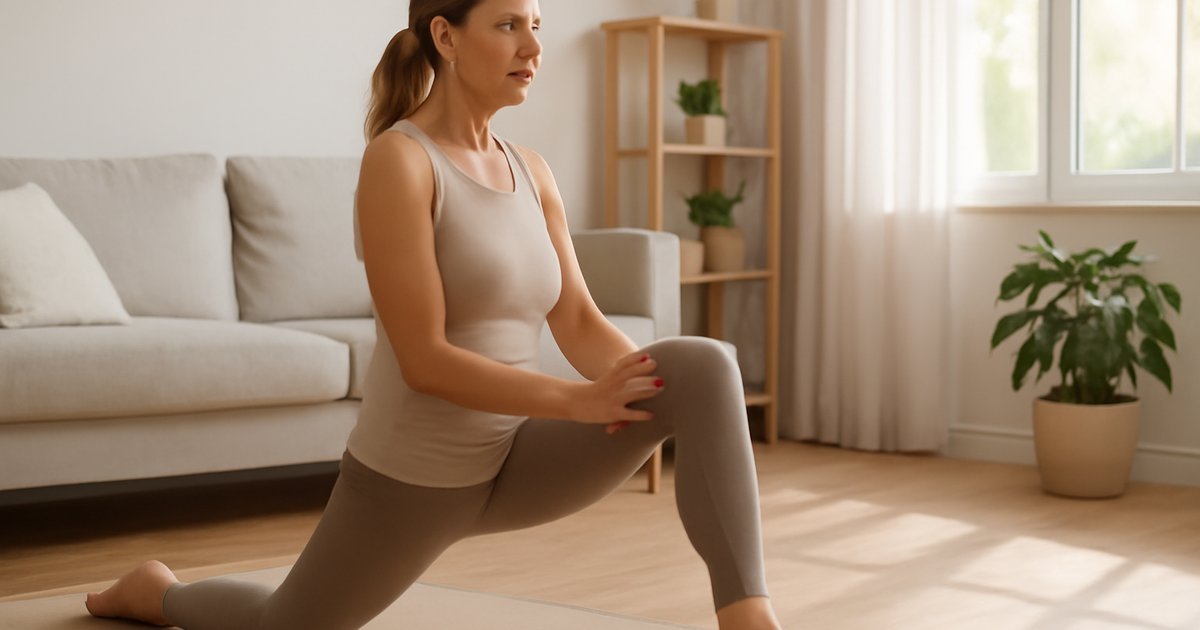
1. Hip Flexor Lunge Stretch (Hold 30-45 seconds per side)
Step one foot forward into a lunge position, lowering the back knee to the floor. Gently push your hips forward and downward. You should feel a deep stretch at the front of the rear hip. This is one of the most important stretches for desk workers and adults with chronic lower back pain.
2. Supine Hamstring Stretch (Hold 30-45 seconds per side)
Lie on your back and extend one leg toward the ceiling, holding it with both hands behind the thigh. Keep your lower back pressed to the floor. Research suggests this position is gentler on the lumbar spine than standing toe-touch variations, making it preferable after 40.
3. Child's Pose with Side Reach (Hold 30 seconds each side)
From a kneeling position, sit back toward your heels and walk your hands forward along the floor. For added thoracic benefit, walk both hands to the left and hold, then repeat to the right. This stretch targets the lower back, lats, and thoracic spine simultaneously.
4. Seated Thoracic Rotation (8-10 repetitions per side)
Sit upright in a chair. Cross your arms over your chest and gently rotate your upper body to the right as far as comfortable, then to the left. This dynamic movement improves thoracic mobility — an area that becomes progressively stiffer with age and is directly linked to shoulder and neck tension.
5. Doorway Chest Opener (Hold 30 seconds)
Stand in a doorway and place both forearms on the doorframe at shoulder height. Gently lean your chest forward until you feel a stretch across the front of both shoulders and chest. Most physicians and physical therapists consider this one of the most effective stretches for correcting the forward-rounded posture associated with prolonged sitting.
6. Standing Calf Stretch (Hold 30 seconds per side)
Place both hands on a wall for support. Step one foot back, keeping the heel flat on the floor and the leg straight. Lean gently toward the wall. Tight calves contribute to Achilles tendon issues, plantar fasciitis, and altered gait patterns — all more prevalent after 40.
7. Cross-Body Shoulder Stretch (Hold 30 seconds per side)
Bring one arm across your chest and hold it gently with the opposite hand just above the elbow. This targets the posterior shoulder capsule, which commonly tightens in adults who perform overhead work or spend time hunched at a computer.
If you're also working on strength and stability alongside your flexibility, you may find our guides on Pilates After 40 and Yoga for Fitness After 40 helpful complements to this routine.
Living With Stiffness: Day-to-Day Management Tips
A daily stretching routine is most effective when paired with broader lifestyle habits that support tissue health and reduce inflammation.
Stay Hydrated: Muscle tissue is approximately 75 percent water. Dehydration makes muscles and fascia stiffer and more prone to micro-tears during stretching. Most clinical guidelines recommend a minimum of 8 cups of water per day for adults, with higher amounts during exercise or in hot environments.
Prioritize Sleep: The NIH has established that muscle repair and collagen synthesis primarily occur during deep sleep. Adults who consistently sleep fewer than seven hours per night show accelerated flexibility loss compared to those who meet recommended sleep targets.
Manage Inflammation Through Nutrition: Diets high in ultra-processed foods, refined sugars, and trans fats are associated with increased systemic inflammation — which directly worsens muscle stiffness and joint pain. Research suggests that omega-3 fatty acids, found in fatty fish, flaxseed, and walnuts, may help modulate inflammatory pathways relevant to muscle and joint health.
Break Up Sitting Time: The Mayo Clinic recommends standing or moving briefly every 30 to 60 minutes during prolonged periods of sitting. Even two to three minutes of light movement prevents the hip flexor shortening that undoes hours of dedicated stretching.
If you're looking for complementary low-impact movement options that pair well with a stretching routine, our guide to Tai Chi After 40 covers techniques that naturally integrate flexibility, balance, and mindful movement.
When to Call Your Doctor or Seek Emergency Care
While stretching is generally safe for most adults, certain symptoms during or after stretching require prompt medical attention. Knowing the difference between normal discomfort and a warning sign is essential.
Contact Your Doctor If You Experience:
- Sharp or stabbing pain (not a stretching sensation) during any stretch
- Joint swelling or warmth after stretching, particularly in the knees, hips, or shoulders
- Numbness or tingling in the arms or legs during a stretch — this may indicate nerve compression
- Muscle pain that lasts more than 48 hours after a stretching session
- A sudden "pop" or tearing sensation followed by localized pain
- Stiffness that is dramatically worse in the morning and improves throughout the day — a potential indicator of inflammatory arthritis requiring diagnosis
Seek Emergency Care Immediately If You Experience:
- Chest pain or pressure during any exercise or stretching activity
- Sudden severe headache during or after physical activity
- Loss of balance, vision changes, or confusion during exercise
- Inability to bear weight on a leg after a stretching-related incident
At your next routine appointment, tell your doctor about any specific areas of chronic tightness, pain during stretching, or limits in your range of motion. A physical therapy referral may provide a customized program far more targeted than a general routine.
Frequently Asked Questions About Stretching After 40
How long does it take to see flexibility improvements after starting a routine?
Research suggests that measurable flexibility gains typically require four to eight weeks of consistent daily stretching. Individual results vary significantly based on starting point, consistency, and any underlying conditions. Most adults report noticeable reductions in morning stiffness within two to three weeks of beginning a daily routine.
Is it safe to stretch every day after 40?
For most healthy adults, yes. Unlike strength training, stretching does not require recovery days because it does not create the same level of muscle fiber breakdown. However, this varies from person to person, especially for those managing inflammatory conditions or recovering from injury. Mild muscle fatigue after stretching is normal; sharp pain is not.
Should I stretch before or after exercise?
Clinical evidence indicates that dynamic stretching (light, controlled movements) is most appropriate before exercise as a warm-up, while static stretching is better suited to post-exercise cool-downs. Performing aggressive static stretches on cold muscles before activity may temporarily reduce muscle power and increase injury risk, according to research from the American College of Sports Medicine.
Can stretching help with chronic lower back pain?
Research suggests that targeted stretching — particularly for the hip flexors, hamstrings, and piriformis muscle — may significantly reduce the frequency and intensity of non-specific lower back pain. However, some causes of back pain (herniated discs, spinal stenosis) require specific movement guidance from a physician or physical therapist before beginning any stretching program.
Does stretching help prevent falls in older adults?
Clinical evidence indicates that flexibility training, particularly when combined with balance and strength exercises, reduces fall risk in adults over 60. According to the CDC, falls are the leading cause of injury-related death among adults 65 and older — making flexibility and mobility work a genuine preventive health priority, not just a comfort measure.
Conclusion: Flexibility Is a Health Investment
Stretching is often treated as an afterthought — something to do when you have extra time or only when pain forces the issue. After 40, that approach becomes increasingly costly to your mobility, your comfort, and your independence.
The evidence is clear: consistent, targeted flexibility work reduces chronic pain, improves posture, supports joint health, and decreases fall risk. More importantly, it's accessible to nearly everyone — no equipment, no gym, no significant time commitment required.
Starting today matters more than starting perfectly. Seven stretches, held for 30 to 60 seconds, performed consistently every morning or evening, can produce meaningful improvements in how your body feels and moves within weeks. Work with your physician or physical therapist to tailor your routine to your specific needs, and treat your flexibility the way you treat your cardiovascular health — as a non-negotiable part of staying well for life.
Medical Disclaimer: This article is for informational and educational purposes only. It does not constitute medical advice, diagnosis, or treatment. Always consult your physician or a qualified healthcare provider before making changes to your health routine or treatment plan.
Medically reviewed by our editorial health team. Content follows evidence-based standards aligned with CDC and NIH guidelines.